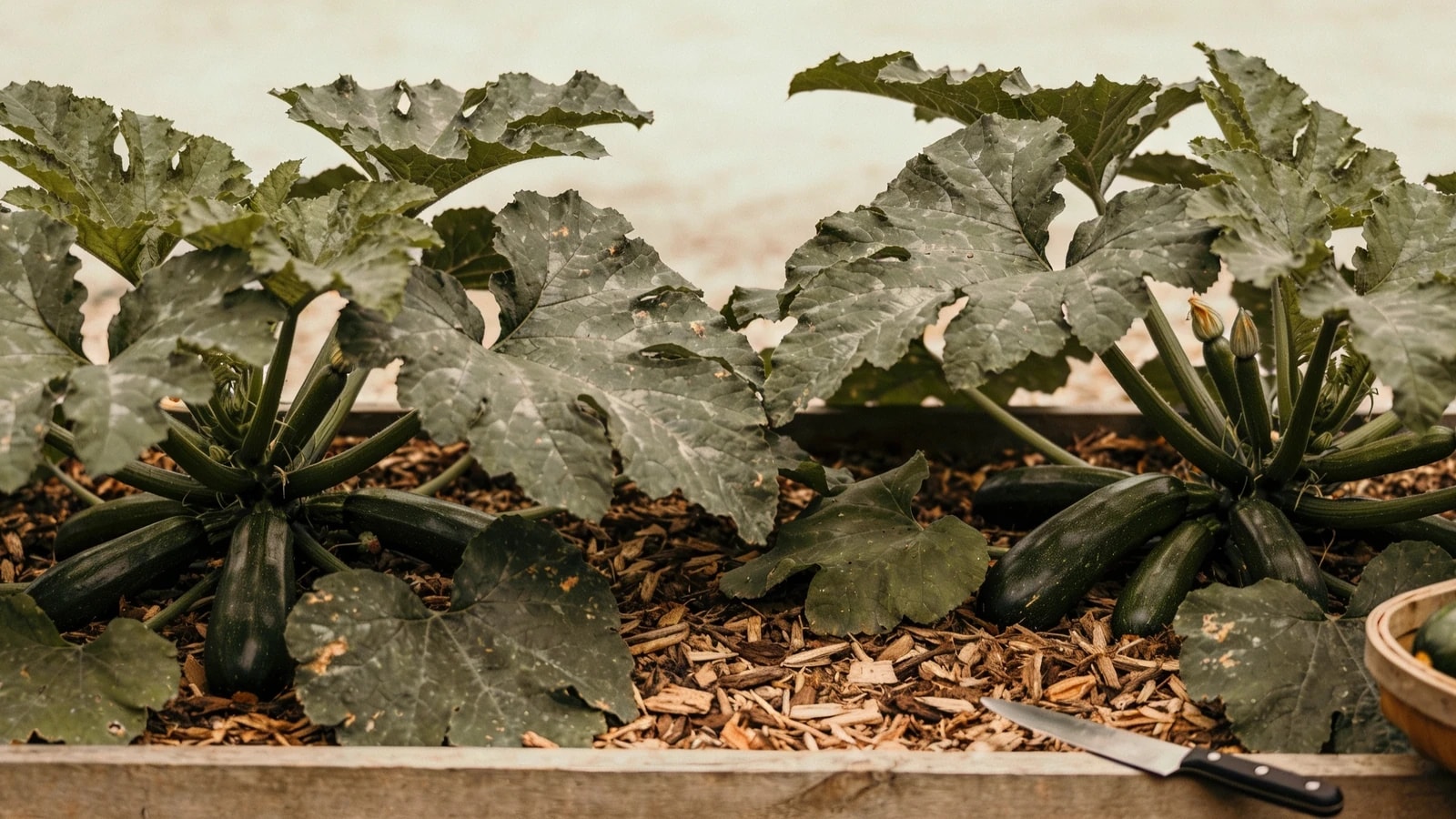
GuidesStep-by-step guide6 min read
How to Grow Courgettes
How to grow courgettes and zucchini: how many to plant, why the first fruits rot, hand pollination, and picking small enough to keep the plant producing.
Updated
Professional gardener and head of growing
Jeff has gardened professionally for over twenty years, mostly on heavy clay, and writes everything here from beds he still works himself.
Jeff Tanun has spent more than twenty years working other people's gardens and one stubborn plot of his own. He started on maintenance rounds, moved into planting and kitchen gardens, and now spends his working weeks between private gardens, a productive plot he runs on no-dig beds, and the endless business of keeping tools sharp enough to be worth carrying.
His own garden is heavy clay on a slight north slope, which he describes as the single most useful thing that ever happened to his gardening. Clay punishes shortcuts. It compacts if you walk on it wet, it holds water in winter and sets hard in August, and it taught him earlier than most that soil structure matters more than fertiliser. Almost every method he recommends here was worked out on ground that resisted it.
He grows food seriously and ornamentals gladly. In a normal year that means around thirty raised beds of vegetables, a small orchard of trained apples and pears, a long border he has been quietly rebuilding for a decade, and whatever he is trialling that season because a customer asked a question he could not answer properly.
Jeff is a convert to no-dig rather than an evangelist for it. He dug for years, stopped, and found the beds easier to work and quicker to warm in spring. He will still put a fork through compacted subsoil when a bed needs it, and he is happy to say where the method has limits, which is usually perennial weeds and the first season on genuinely bad ground.
The bulk of his working life is spent answering the same questions people write in with: why the tomatoes will not ripen, whether that patch gets enough sun, what to do with a lawn nobody wants. He is unusually direct about the answer being no, and about the difference between a garden problem and a shopping problem. Most gardeners need fewer tools and more compost.
He is a slow, sceptical buyer of equipment. He owns tools that are older than he is, sharpens them himself, and thinks the join between a handle and a head tells you more about a tool than any brand name. When he recommends something here it is because it survived a season of real use, and when he has not used a thing he says so.
Outside the growing season he propagates, mends, sharpens and plans. He keeps written sowing records going back years, which is where most of the timings on this site come from, and he is firm that the most valuable gardening skill is not knowledge but the habit of walking the beds for five minutes a day.
How to grow courgettes and zucchini: how many to plant, why the first fruits rot, hand pollination, and picking small enough to keep the plant producing.
Updated
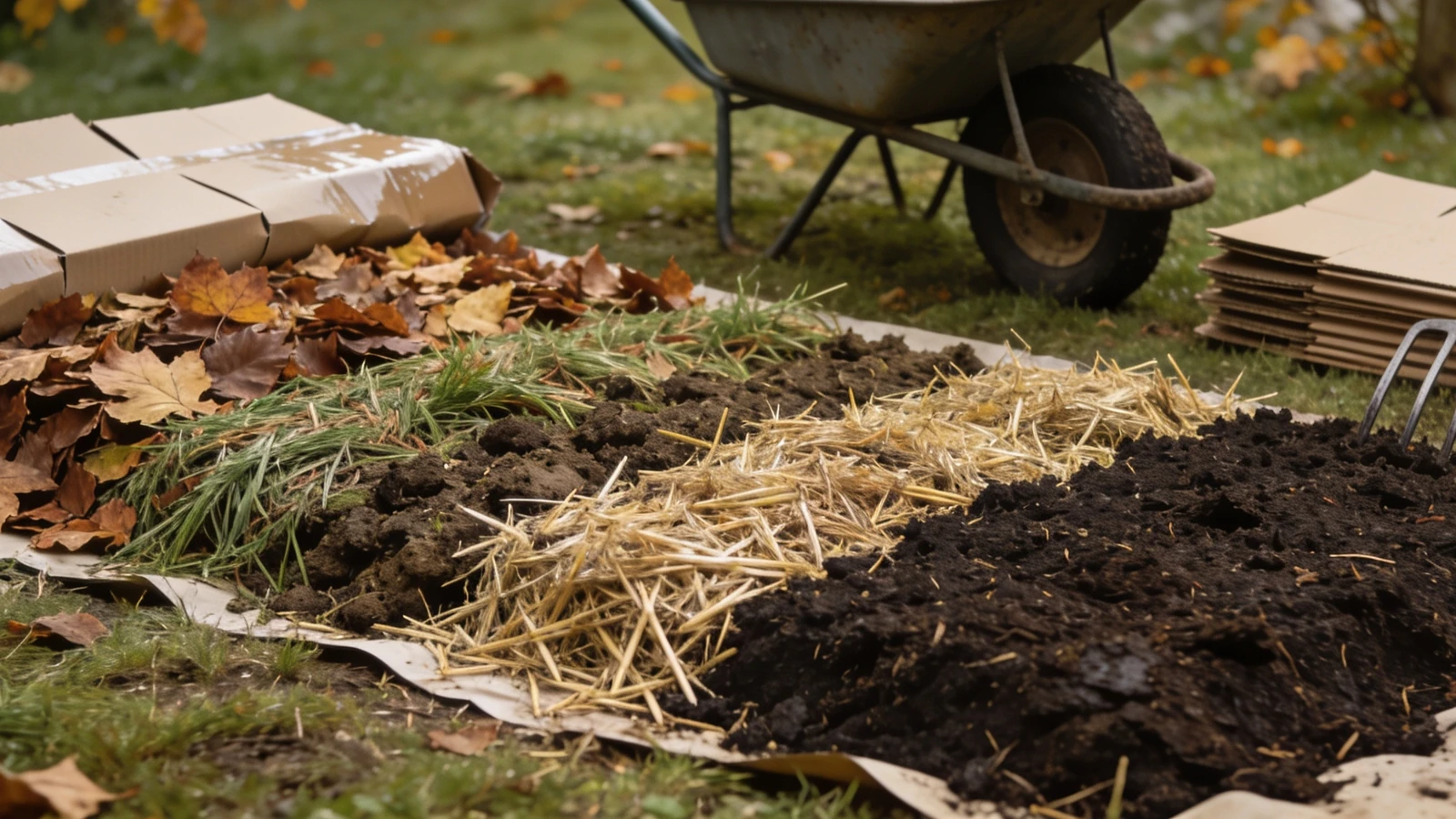
Lasagna gardening is sheet mulching: cardboard and layers of organic matter straight onto grass. What to layer, how deep, how long to wait, and what it cannot fix.
Updated
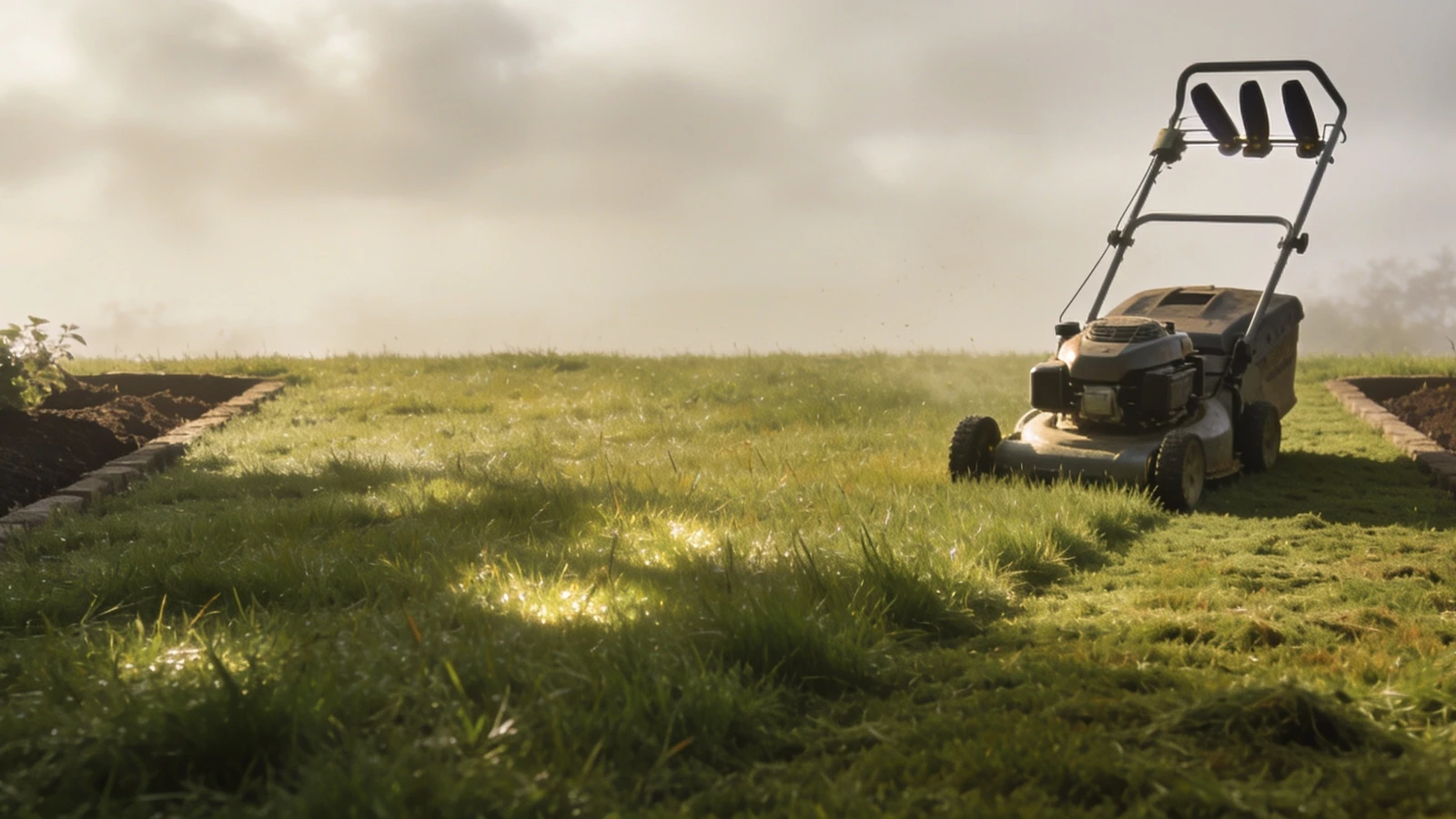
Lawn care that works with less effort. Why cutting height matters more than feed, how to fix moss and bare patches, and when to stop fighting the grass entirely.
Updated
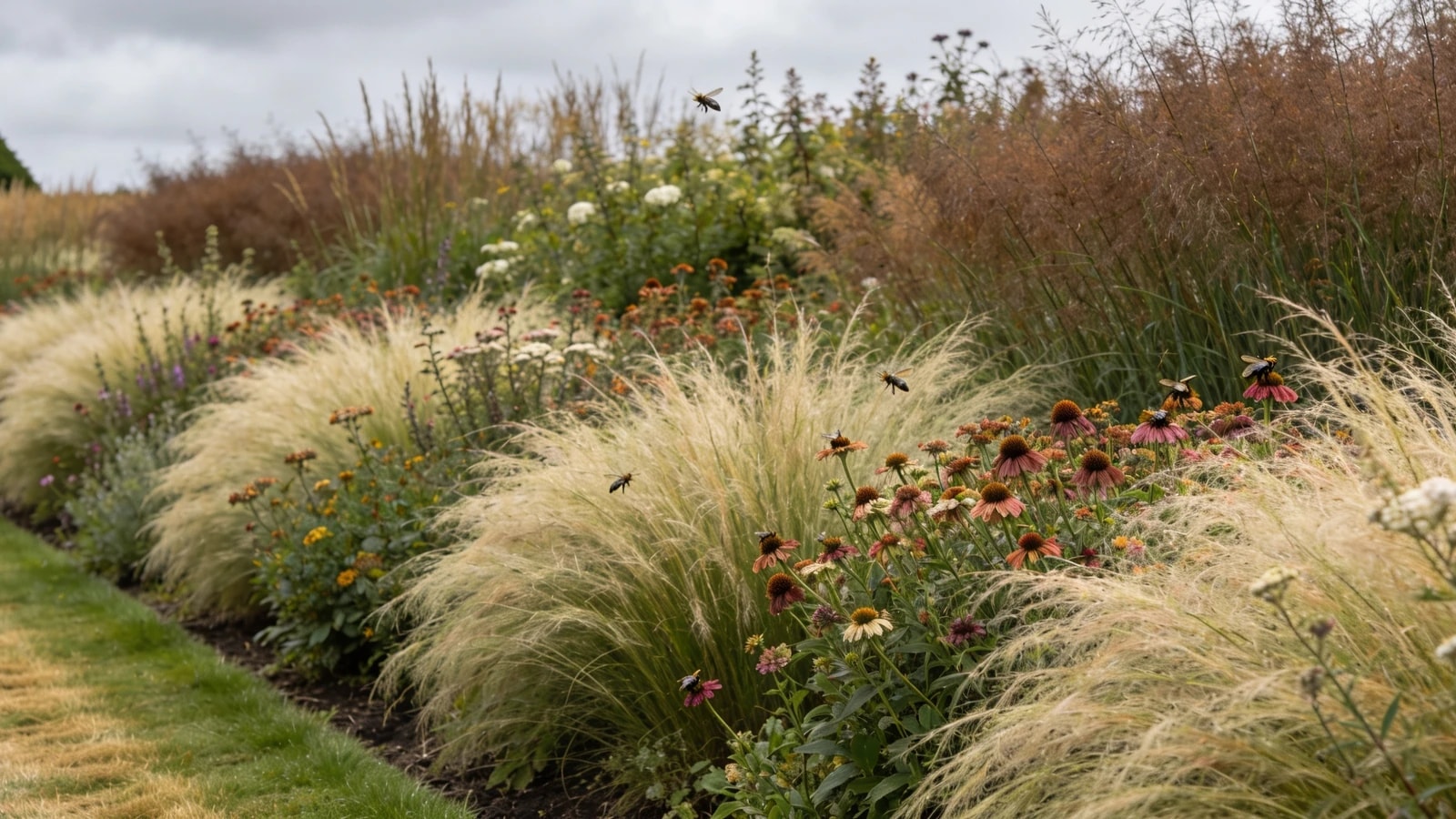
A native plant garden without the purism. Why native means local rather than national, how to find your own list, and where non-natives still earn a place.
Updated
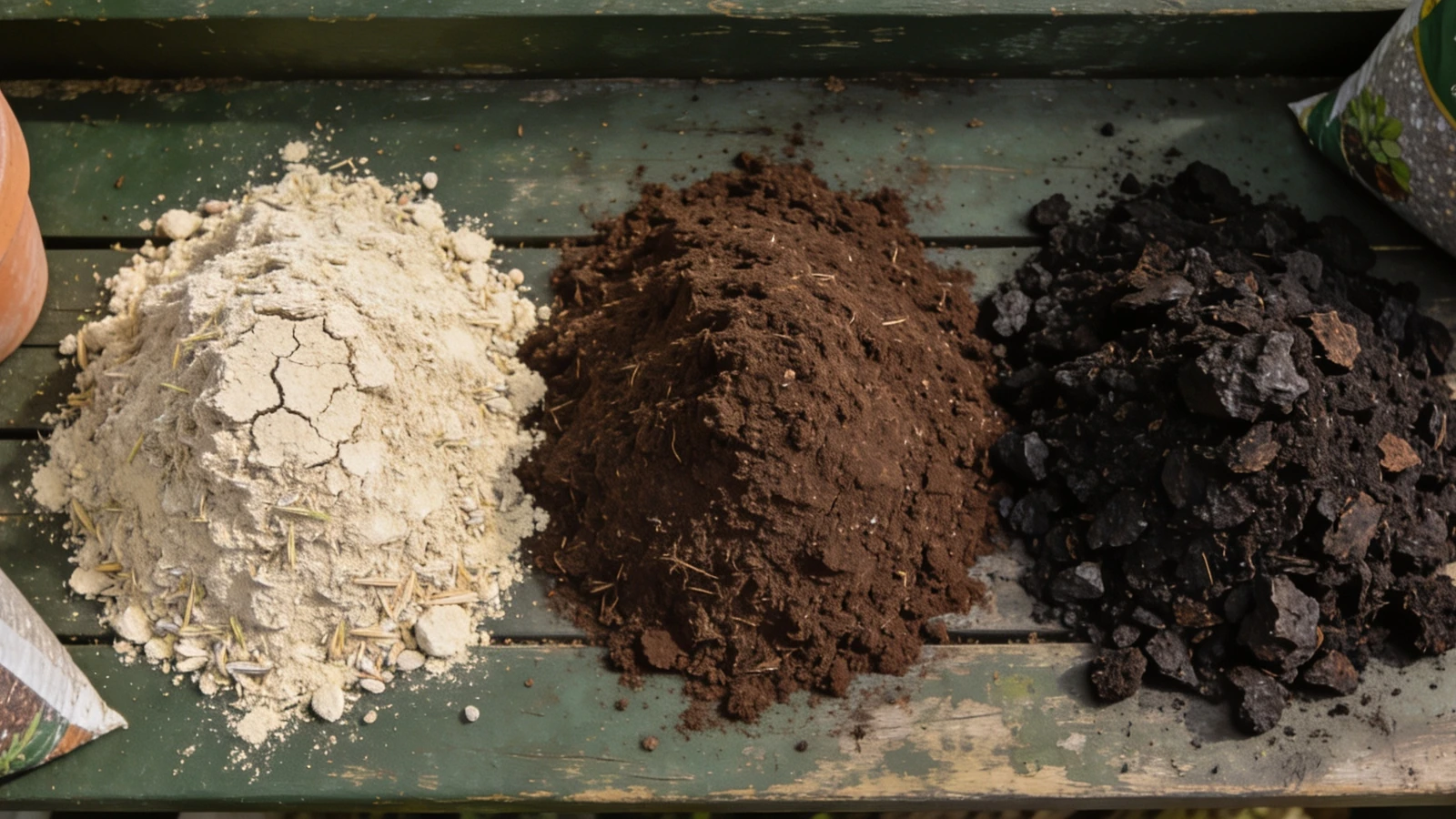
Garden soil vs potting soil, explained by what each one is for. Why garden soil fails in a pot, why potting compost is wasted in a bed, and what to buy for what.
Updated
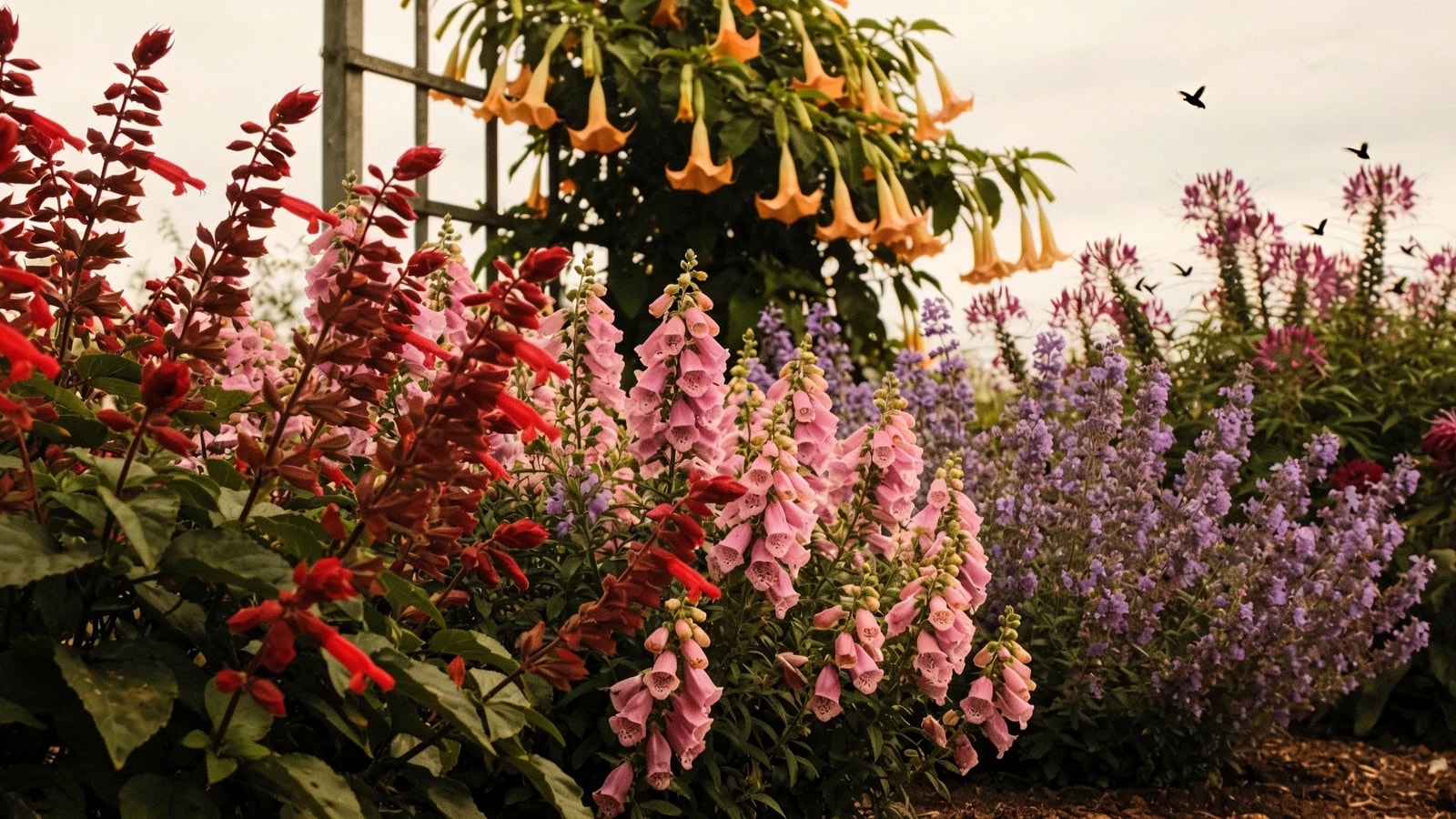
A hummingbird garden built on planting rather than sugar water. Which flower shapes they can actually use, feeder rules that avoid harm, and how to plan for territoriality.
Updated
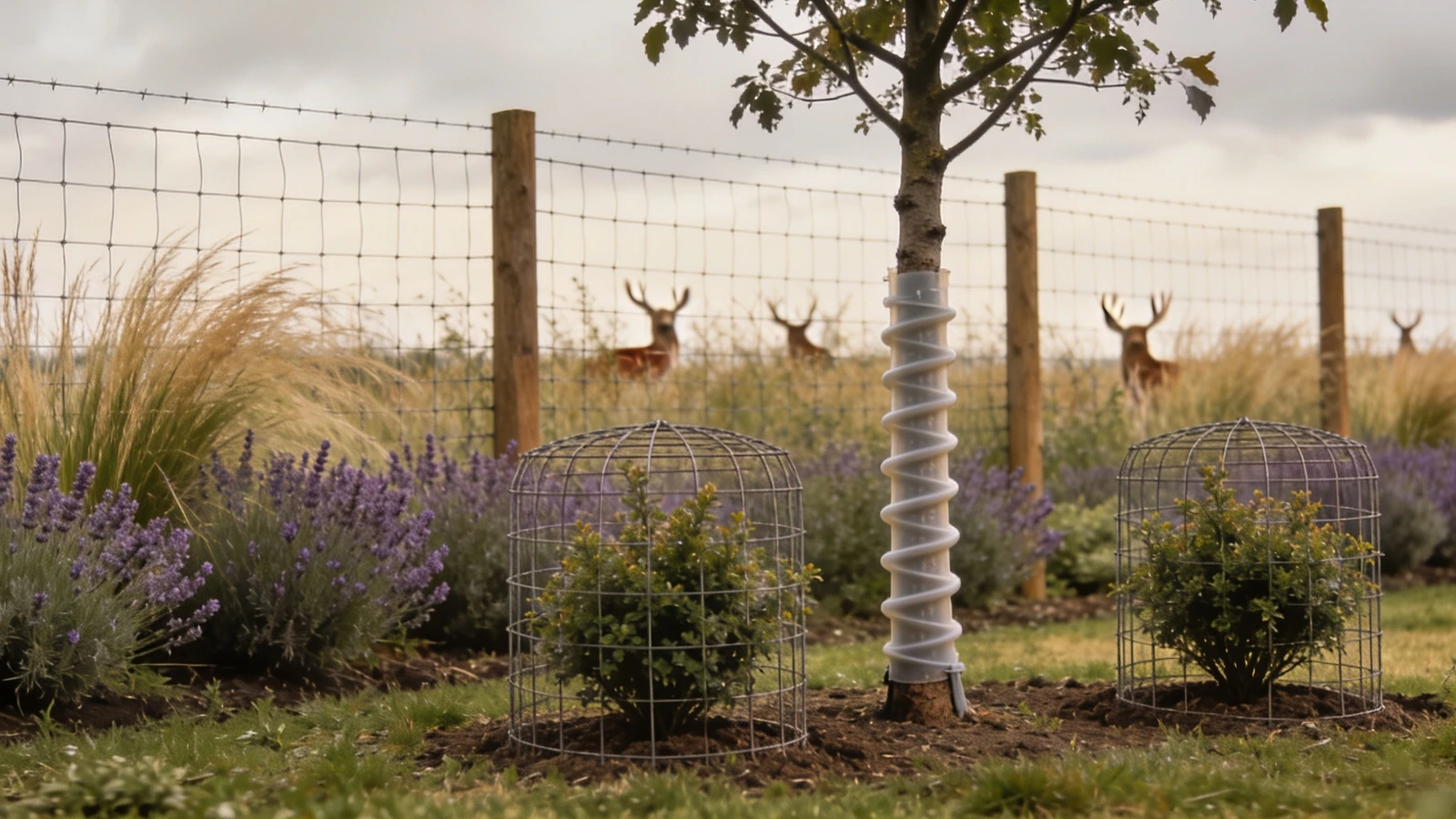
Keeping deer out of a garden honestly. Only a tall fence reliably works, deterrents fade, and no plant is truly deer proof. What to do at each budget.
Updated
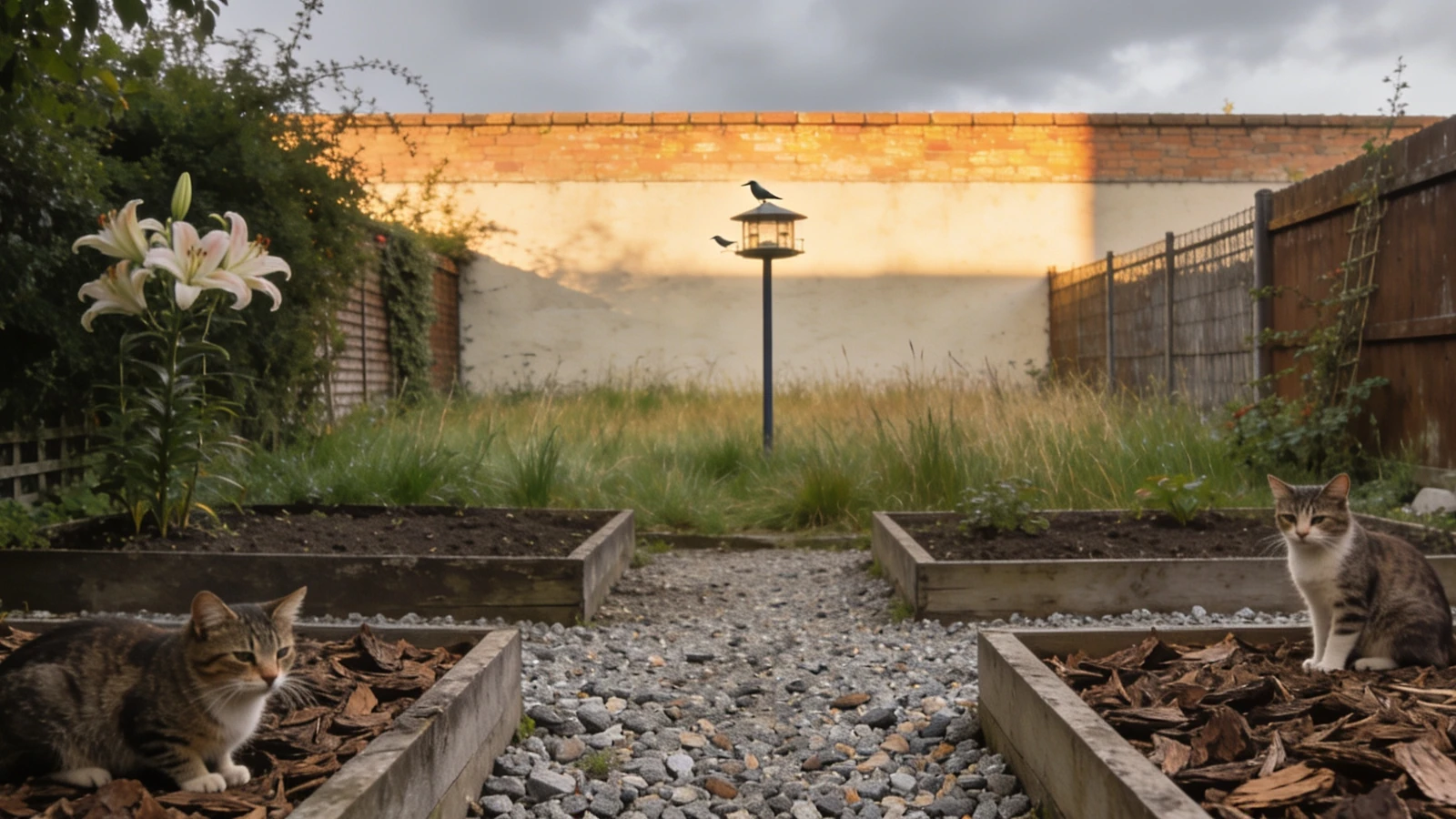
A cat friendly garden covers two problems: keeping your own cat safe, and keeping other people's cats out of your seedbeds. Both have practical answers.
Updated
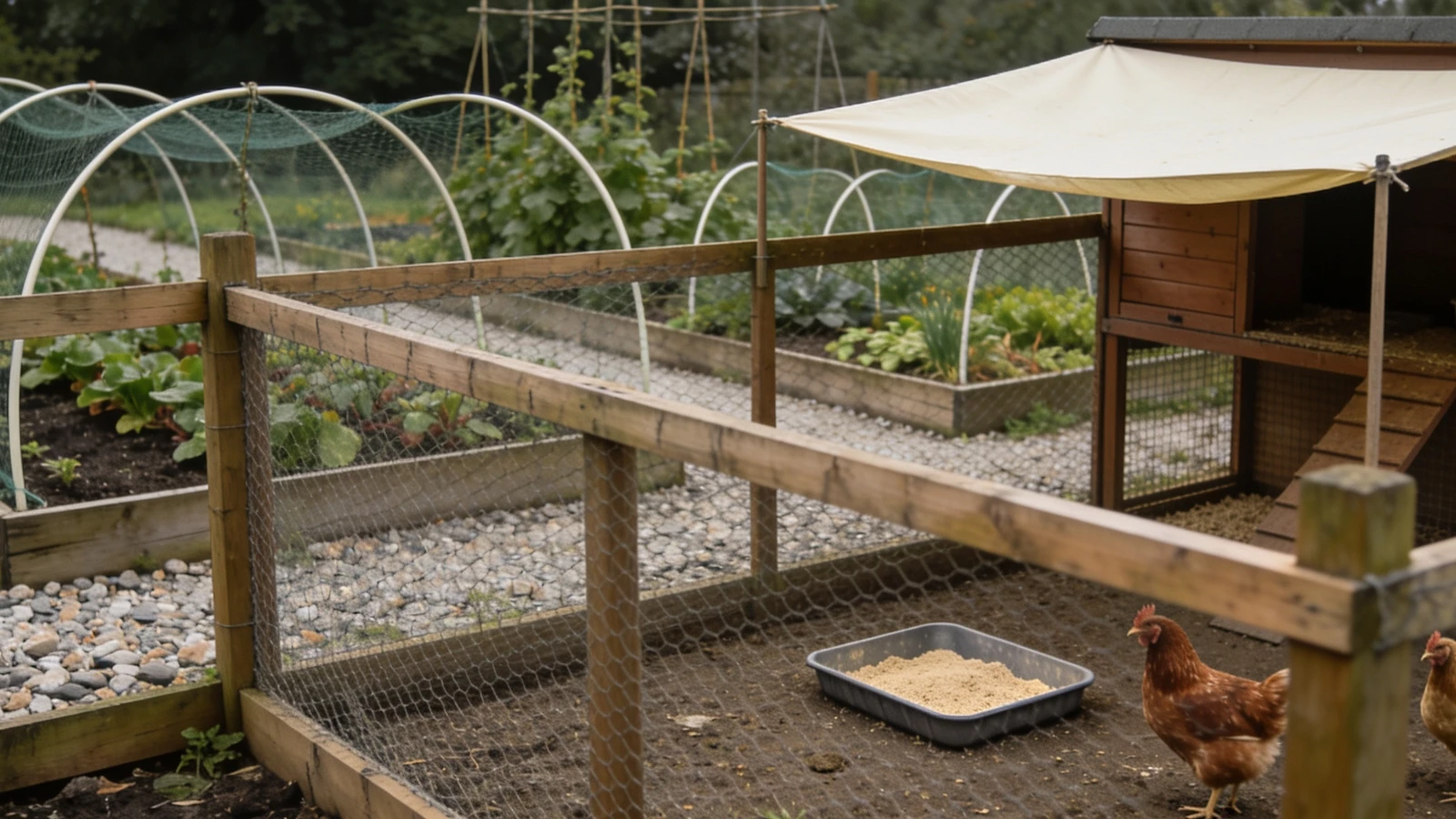
Chickens in the garden, honestly. What they wreck, what they are genuinely good for, and the fenced-run-plus-supervised-access system that keeps both alive.
Updated
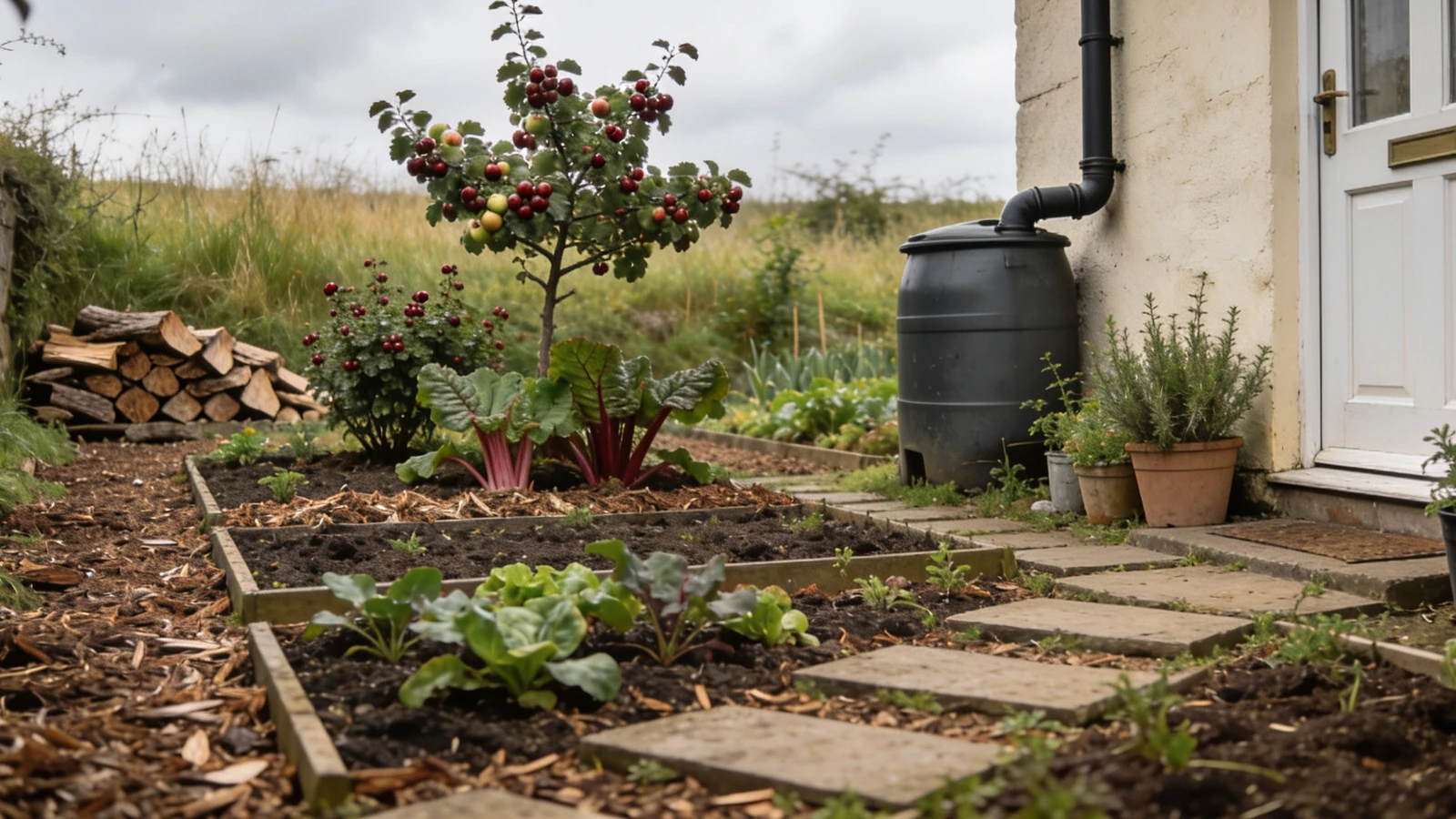
A permaculture garden without the ideology. Zones, stacking and catching water are genuinely useful; some of the rest is untested. What to take and what to leave.
Updated
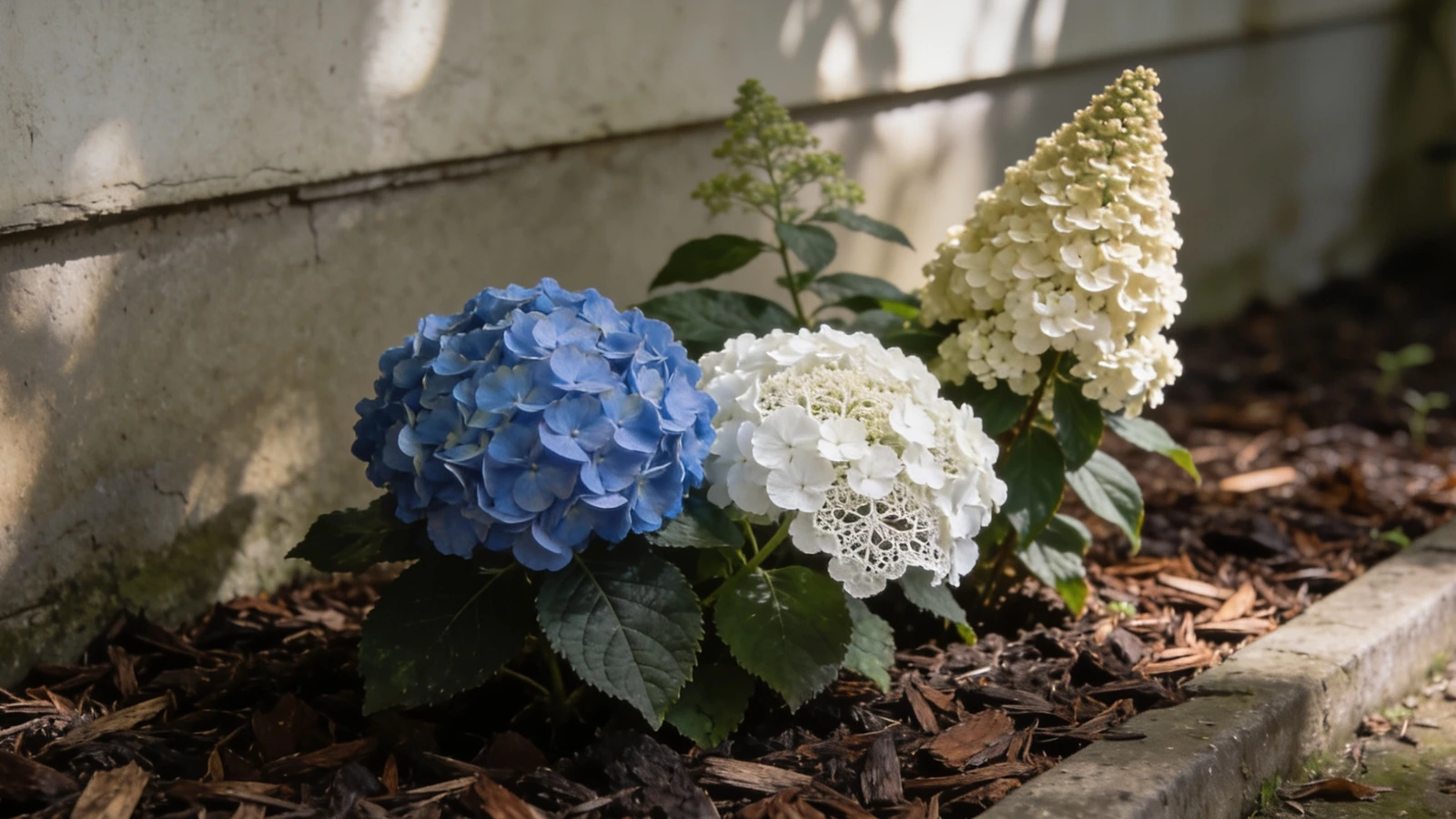
How to grow hydrangeas without cutting off next year's flowers. Identify your type first, then prune, feed and water accordingly. Plus the soil pH colour question.
Updated
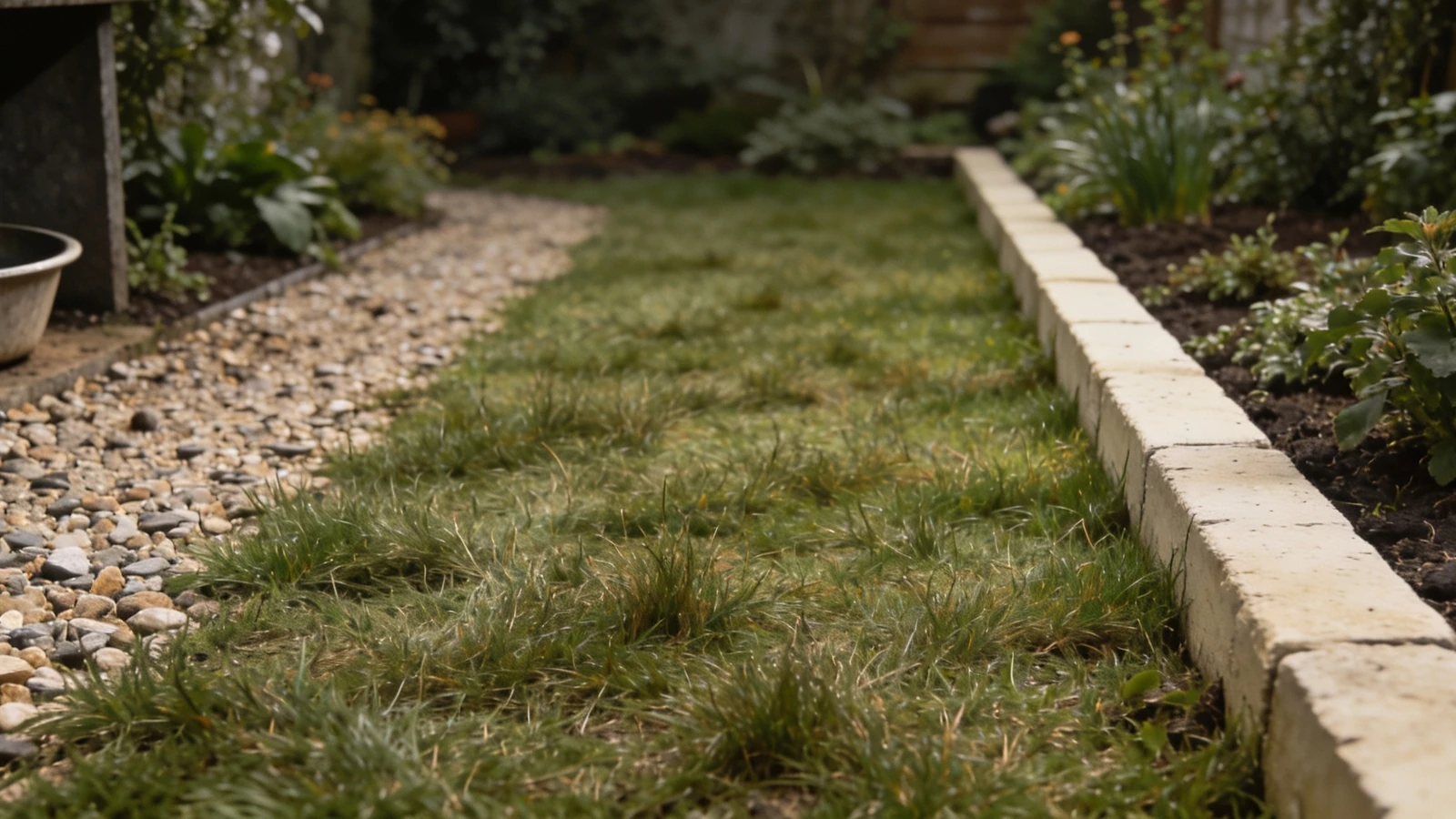
A dog friendly garden that survives an actual dog. Which plants are toxic, how to fix urine burn and digging, and why giving the dog a route works better than fencing.
Updated
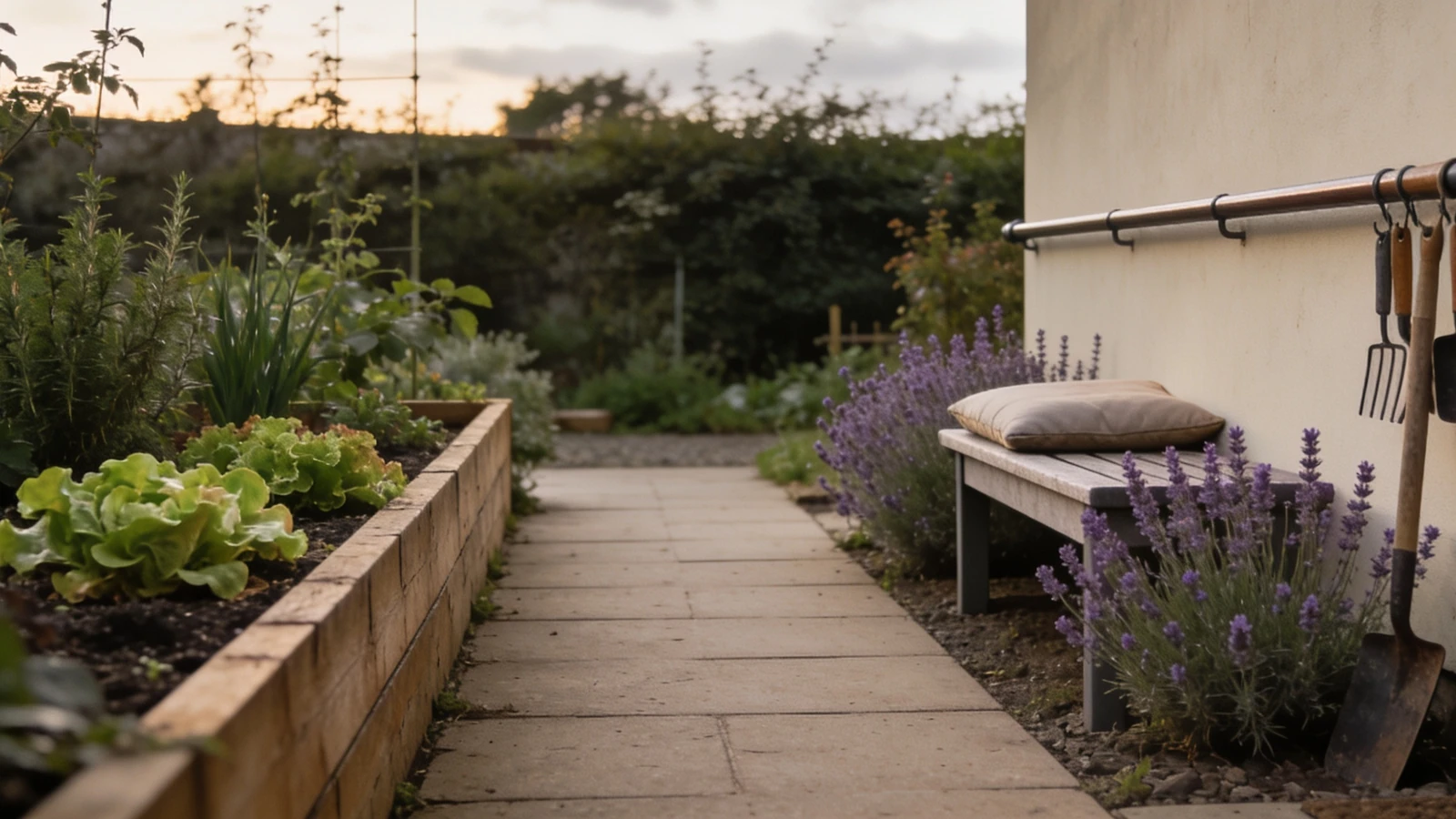
Horticultural therapy explained: what it is, what the evidence supports, and how to set up a garden that helps rather than becomes another thing you owe.
Updated
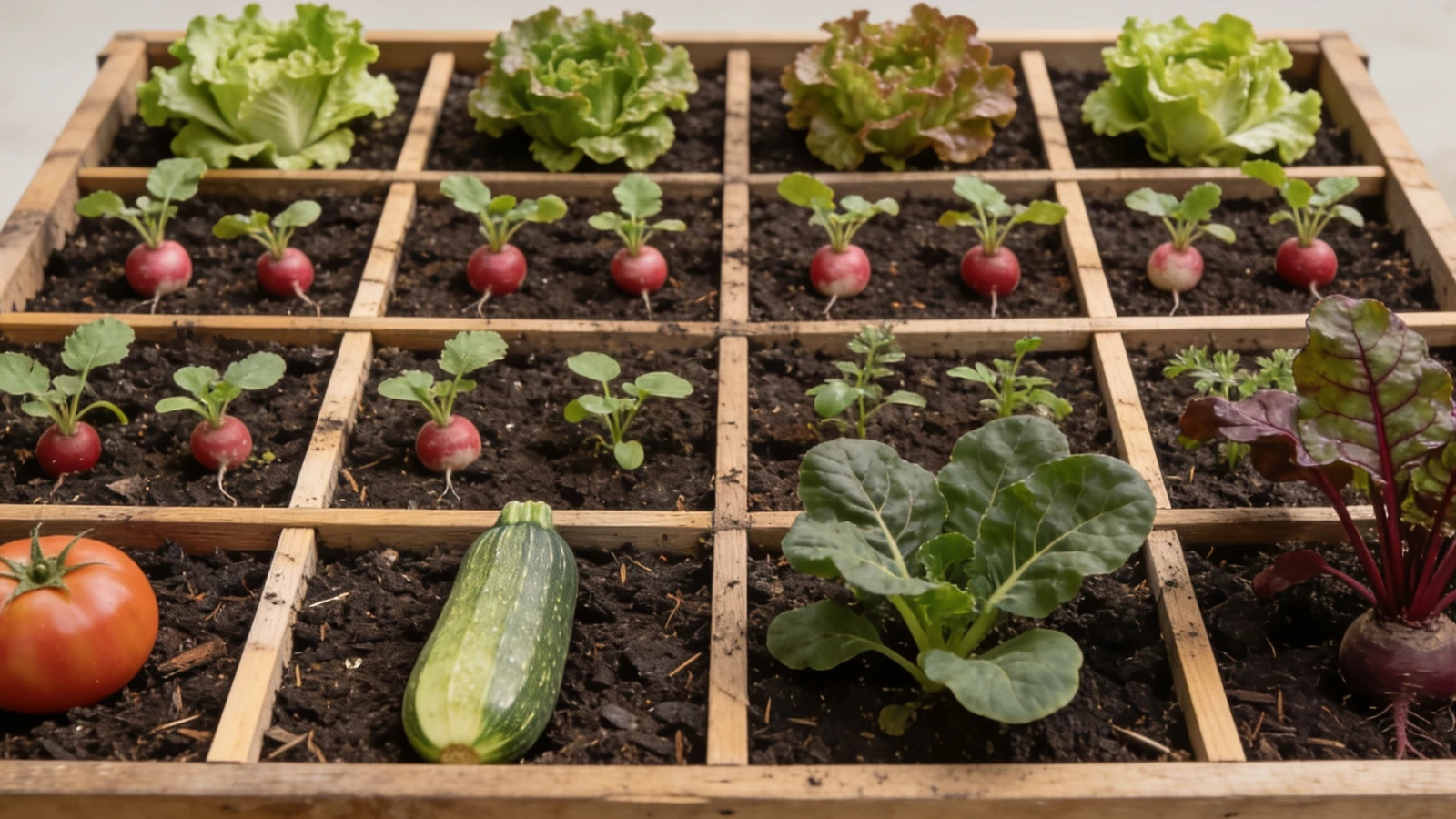
Square foot gardening explained honestly: the grid and the spacing chart are genuinely useful, the compulsory soil mix and the shallow bed depth are not.
Updated
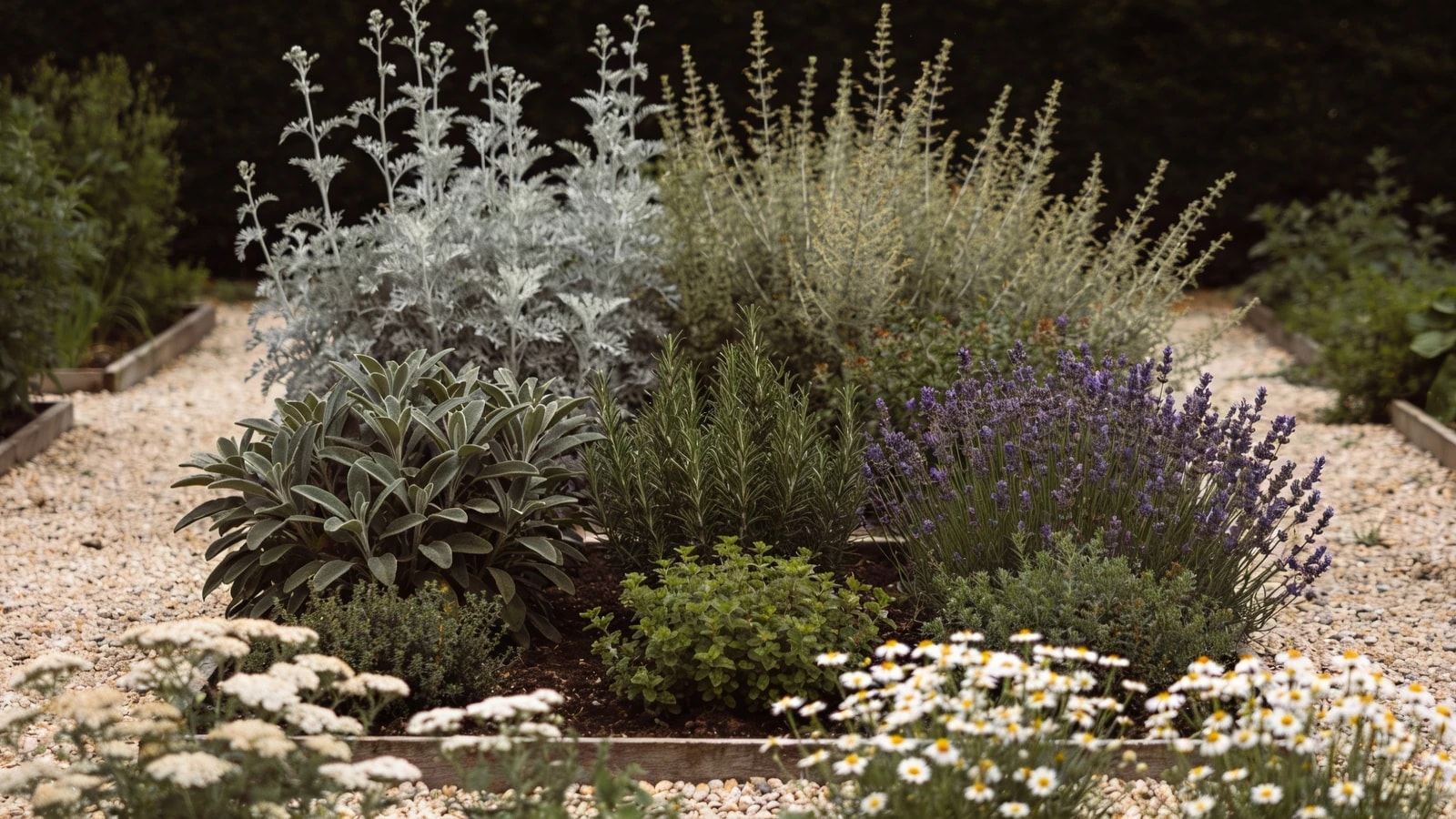
A witches garden is a historical herb garden. What was actually grown and why, which plants are genuinely dangerous, and a safe planting plan that still looks the part.
Updated
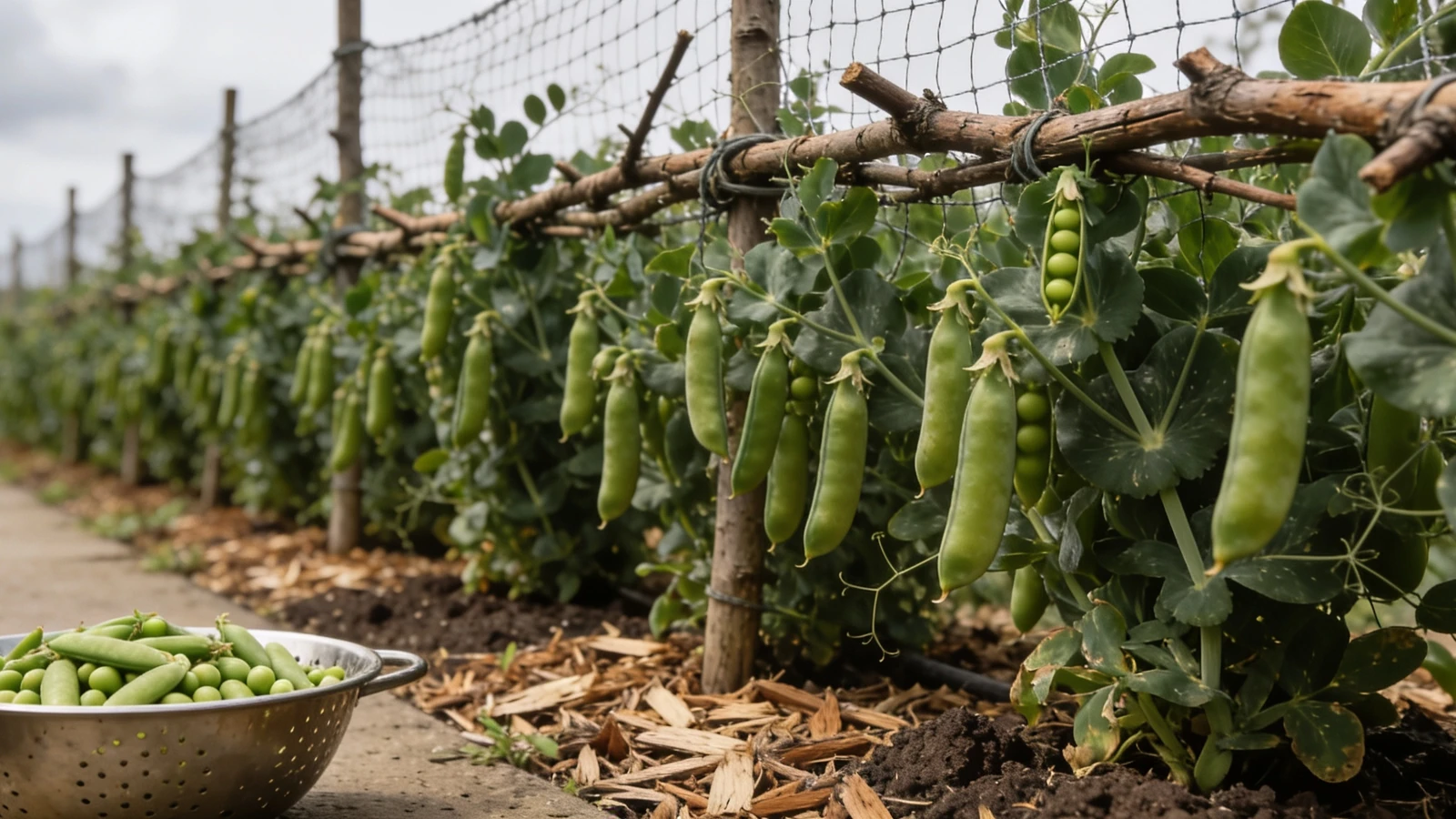
How to grow peas that crop before the mildew. Why early sowing beats late, support even for dwarf varieties, and picking from the bottom of the plant up.
Updated
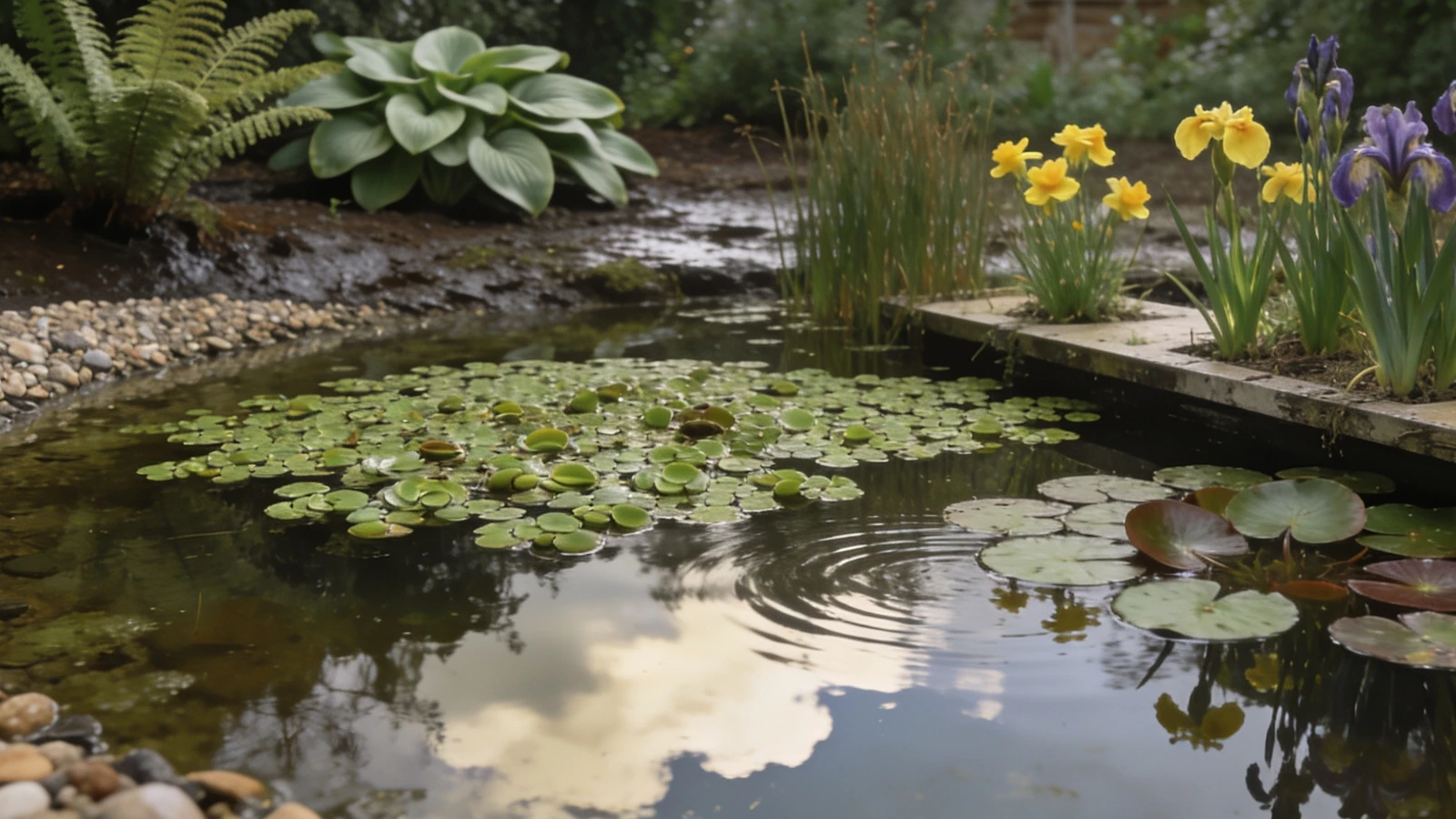
Water garden ideas from a washing up bowl upwards. What size actually works, why most small ponds go green, and the one feature that matters most for wildlife.
Updated
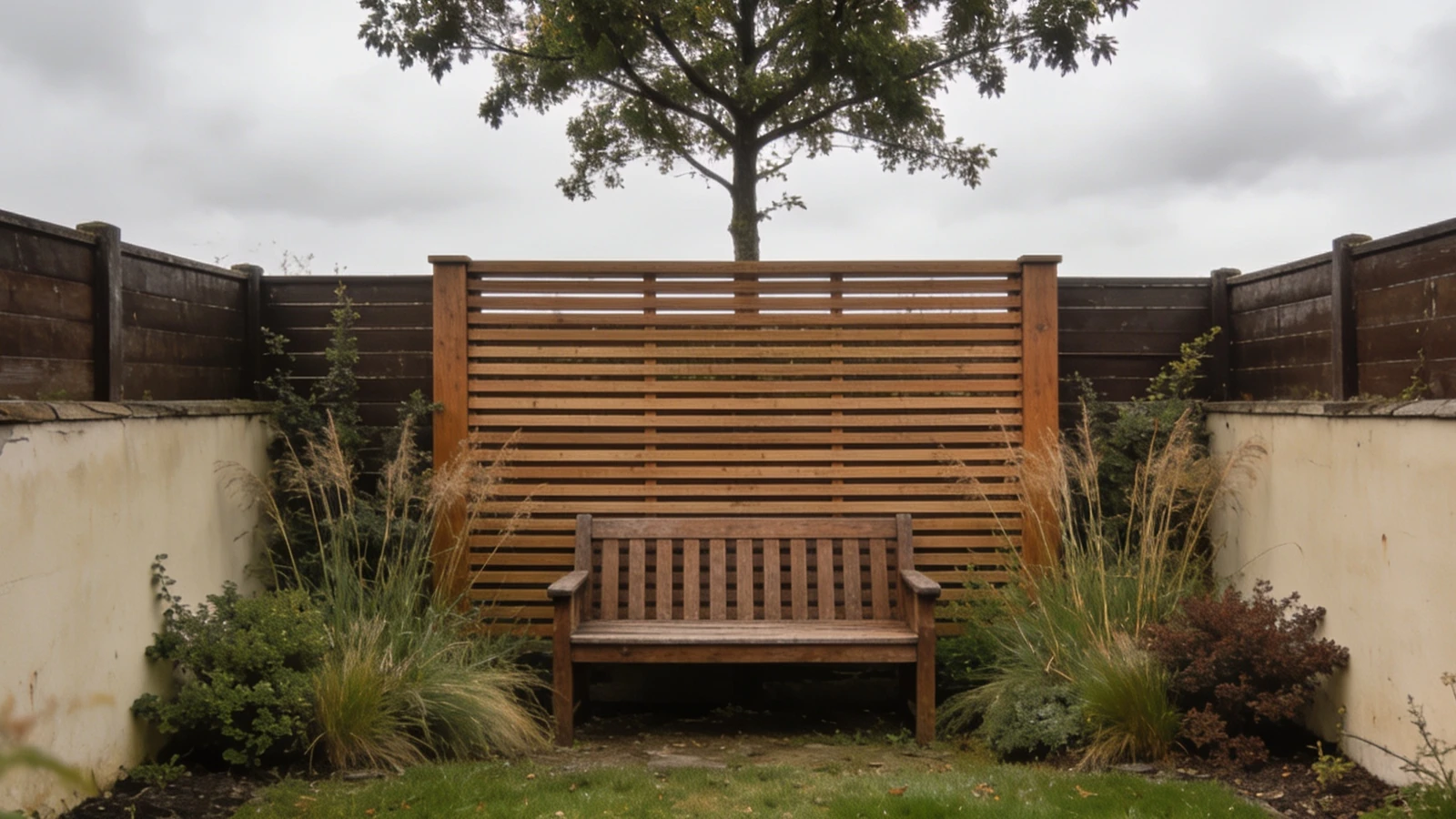
Garden privacy screens that work: why raising the whole boundary is the wrong move, how to block one sightline cheaply, and what to plant for fast cover.
Updated
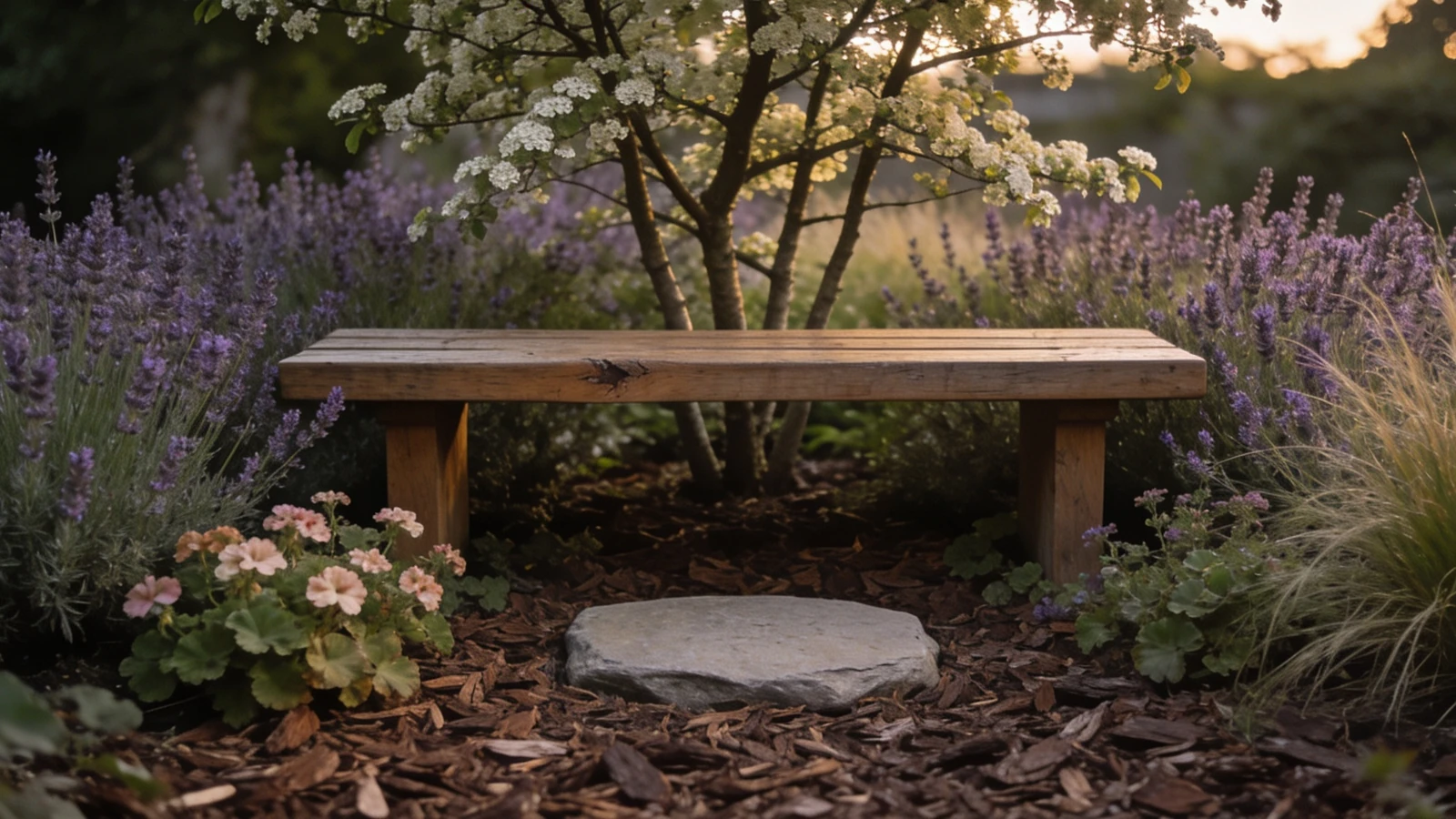
Memorial garden ideas that hold up over decades: choosing a spot, planting with meaning and low upkeep, and what to know before scattering ashes.
Updated
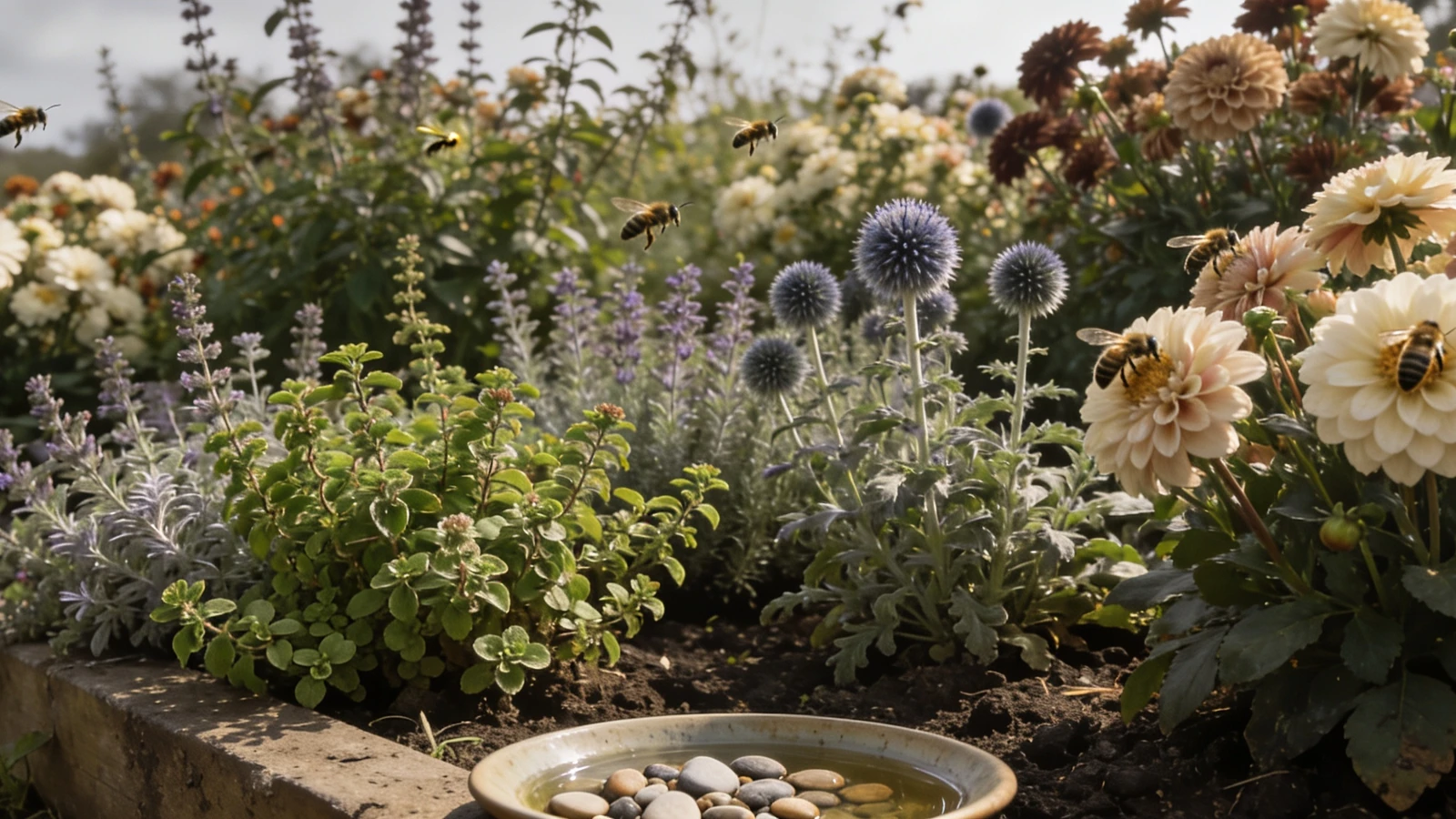
A pollinator garden that actually works: flower shapes bees can use, a plan that covers March to October, and why water and bare soil matter as much as flowers.
Updated
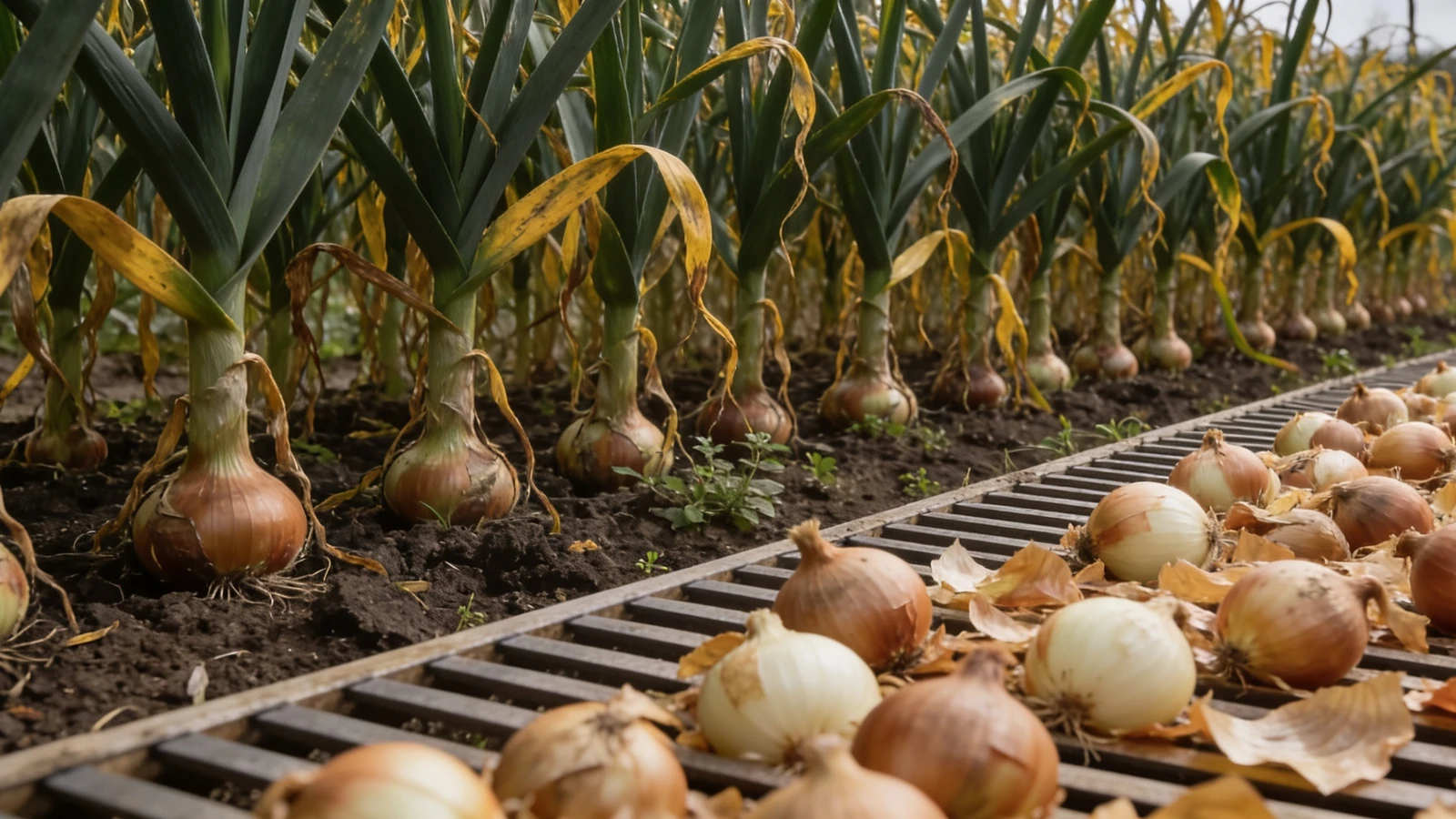
How to grow onions from sets or seed. Autumn against spring planting, why bolting happens, when to stop watering, and how to dry them so they keep to spring.
Updated
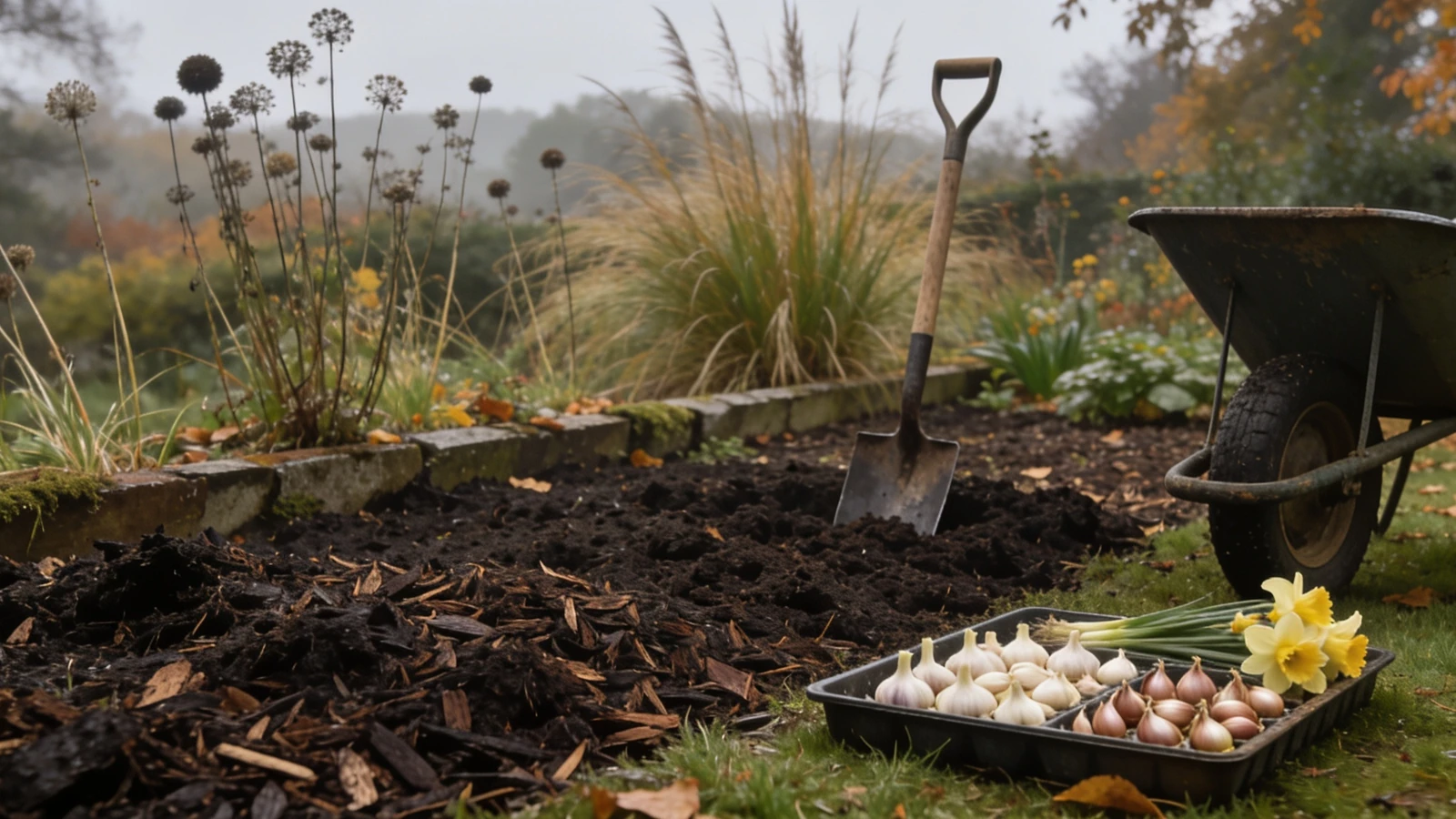
October gardening jobs that actually pay off: plant garlic and bulbs, mulch bare soil, lift and store, and the tidying you should deliberately skip.
Updated
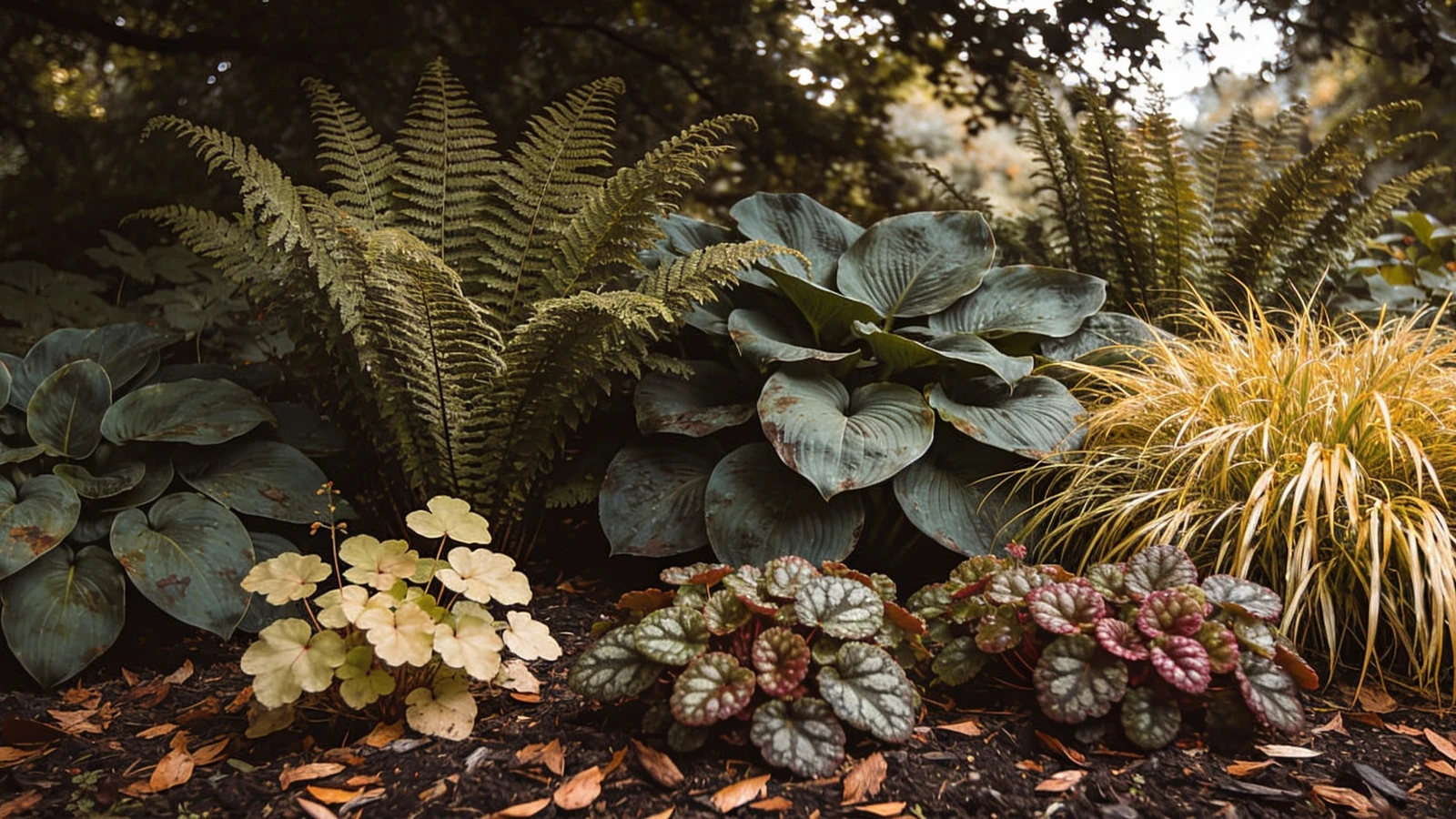
Shade garden plants chosen by the kind of shade you have. Dry shade under trees needs a different list from damp shade, and that distinction fixes most failures.
Updated
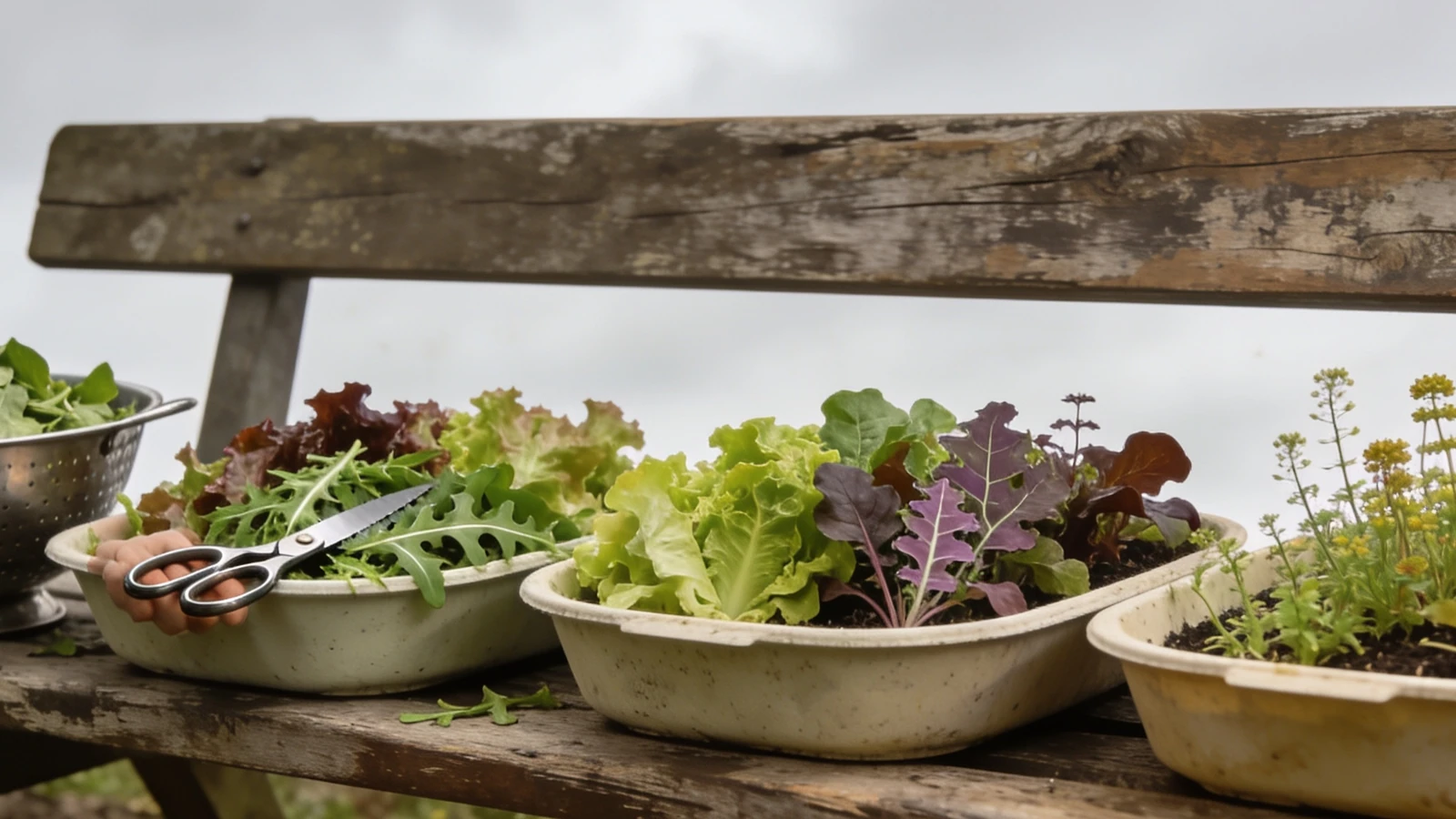
How to grow salad leaves that keep coming. Cut and come again rather than whole hearts, why lettuce bolts, and the fortnightly sowing that beats a glut.
Updated
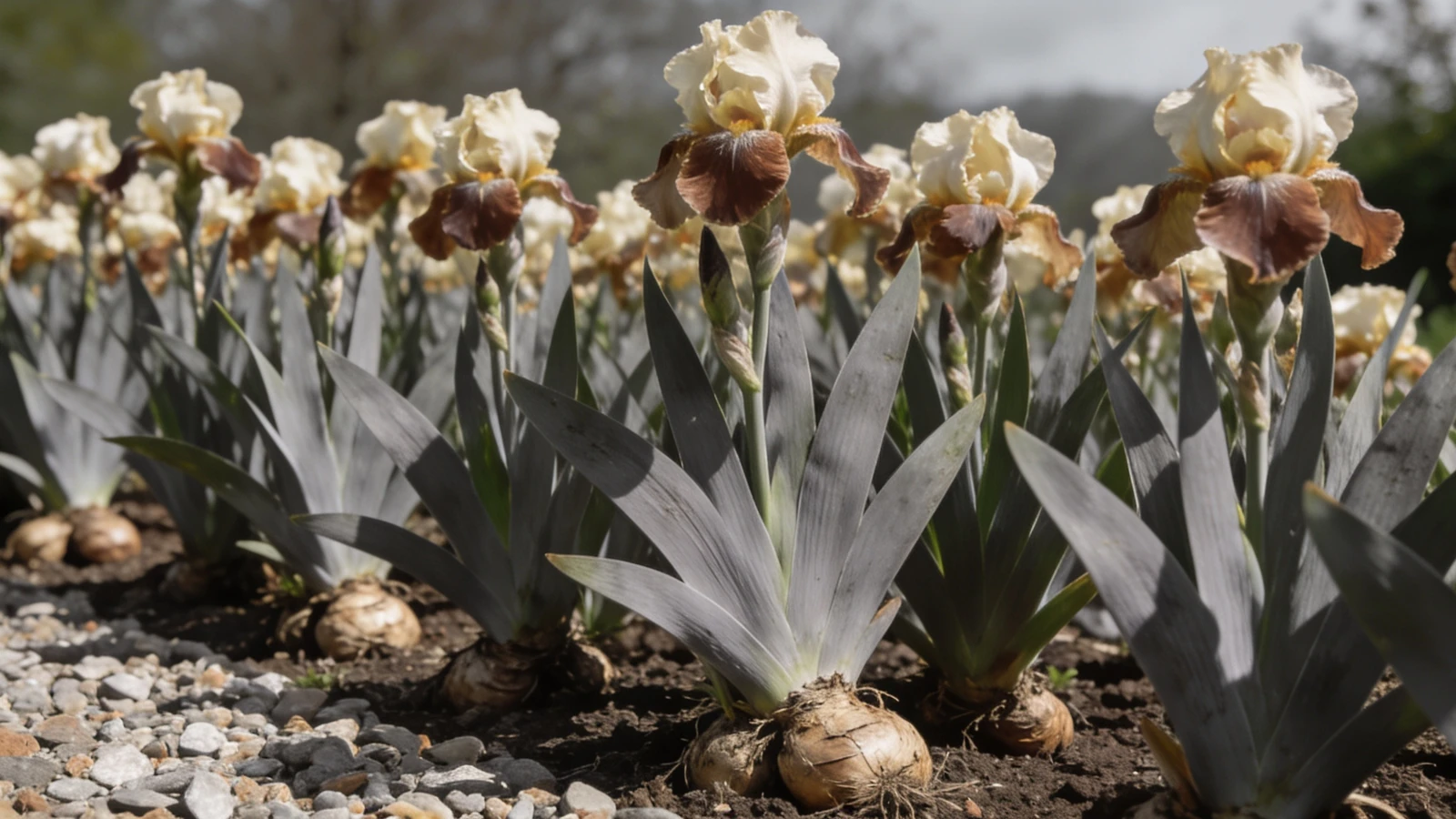
How to grow irises: bearded irises want their rhizomes baking on the surface, not buried. Which type suits your soil, when to divide, and why yours stopped flowering.
Updated
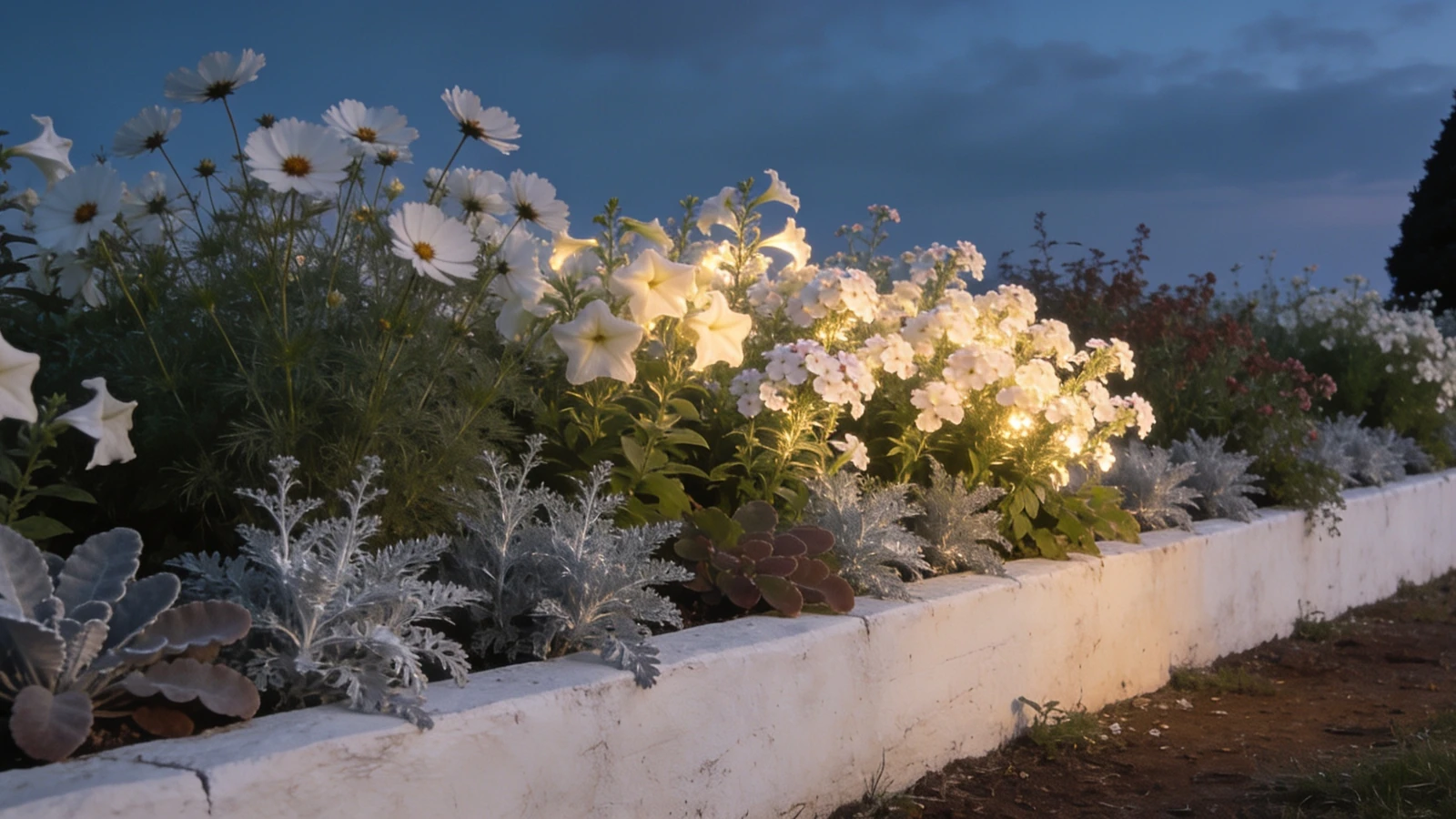
A moon garden is planted in white and silver for dusk, when most people are actually in the garden. What to plant, what smells at night, and where to put it.
Updated
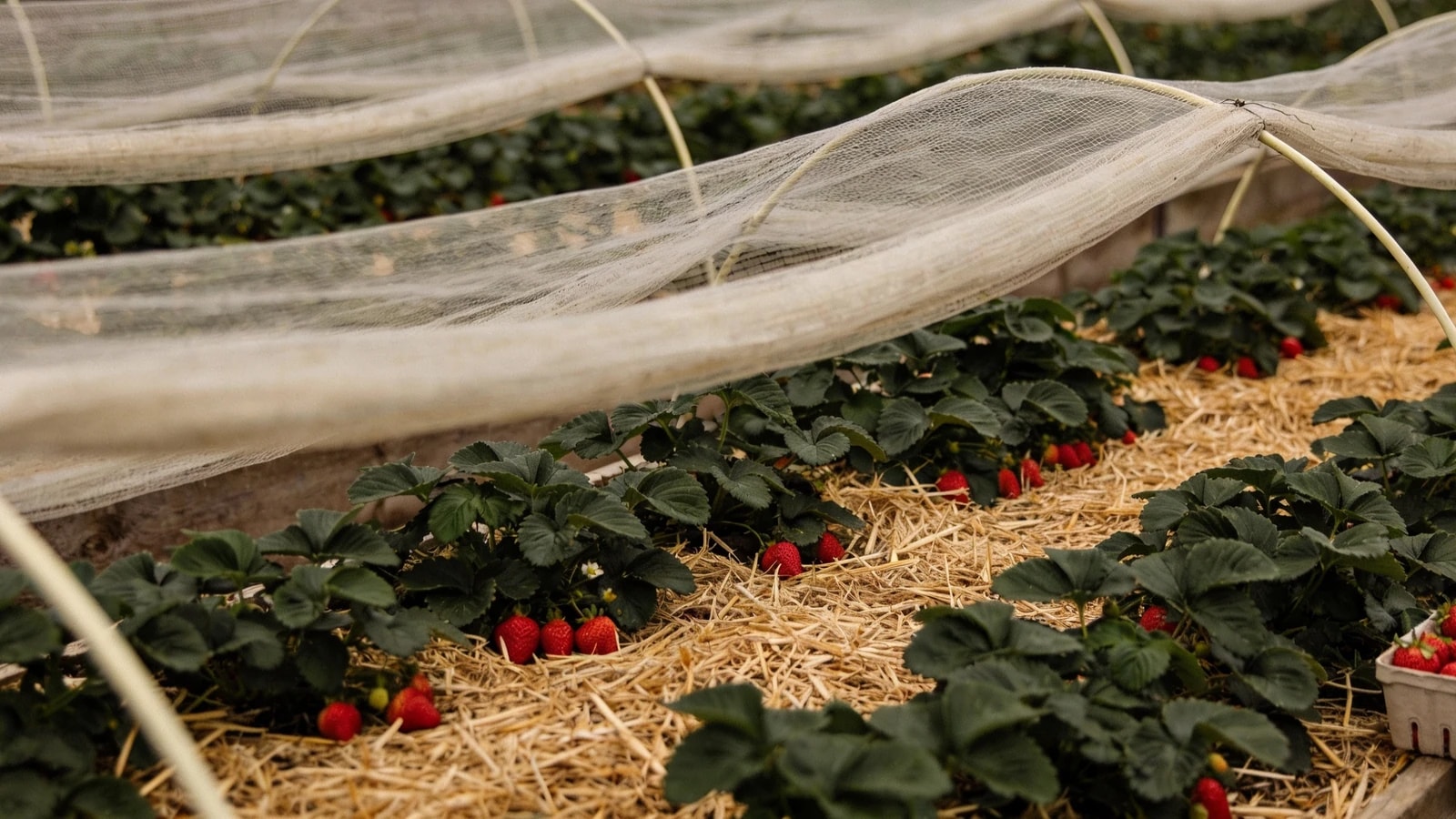
How to grow strawberries properly. Why plants decline after three years, how runners give you free replacements, and the two jobs that stop fruit rotting.
Updated
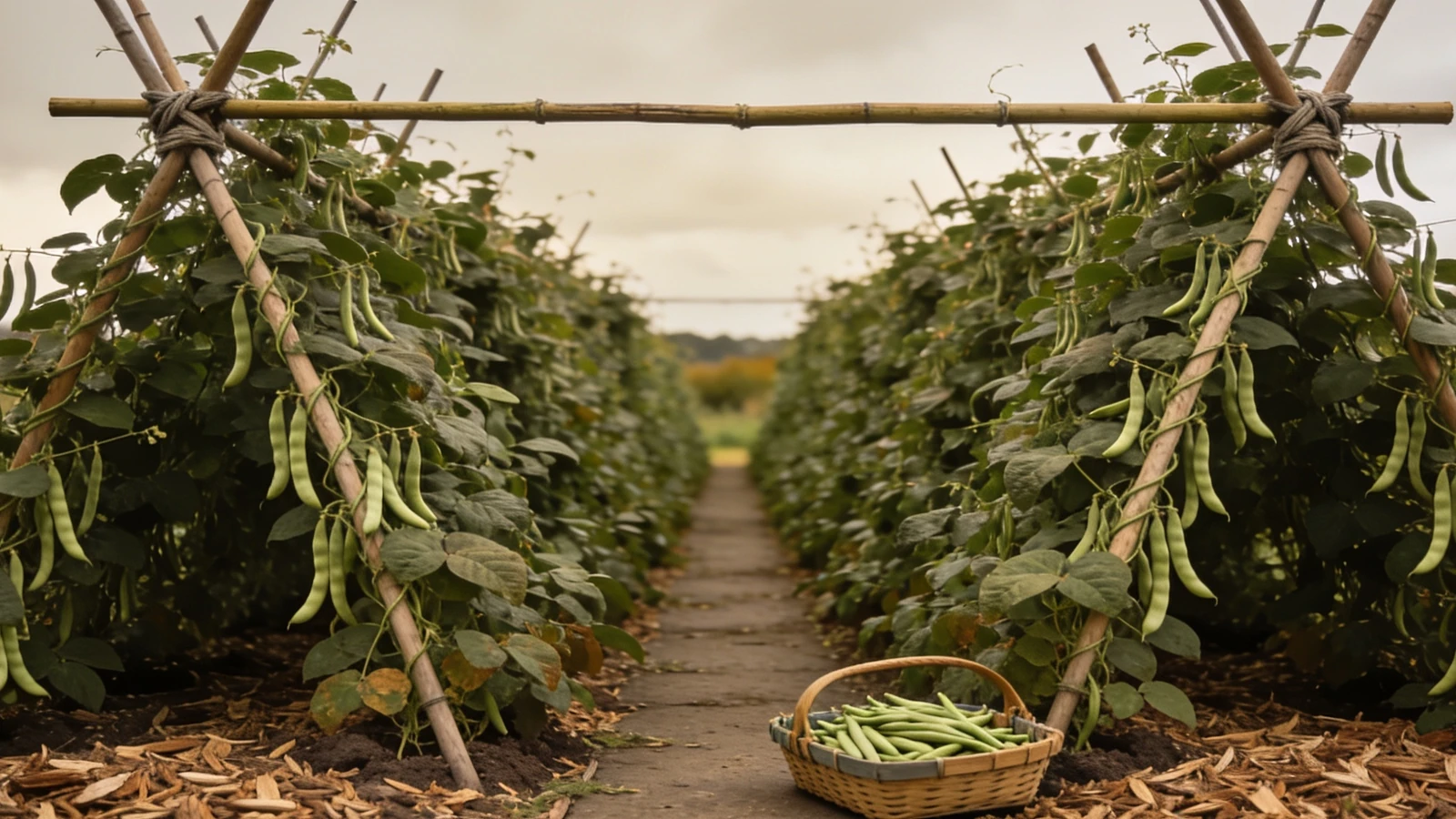
How to grow climbing and dwarf beans. Runner against French, why flowers fail to set in heat, how to keep picking, and the nitrogen the roots leave behind.
Updated
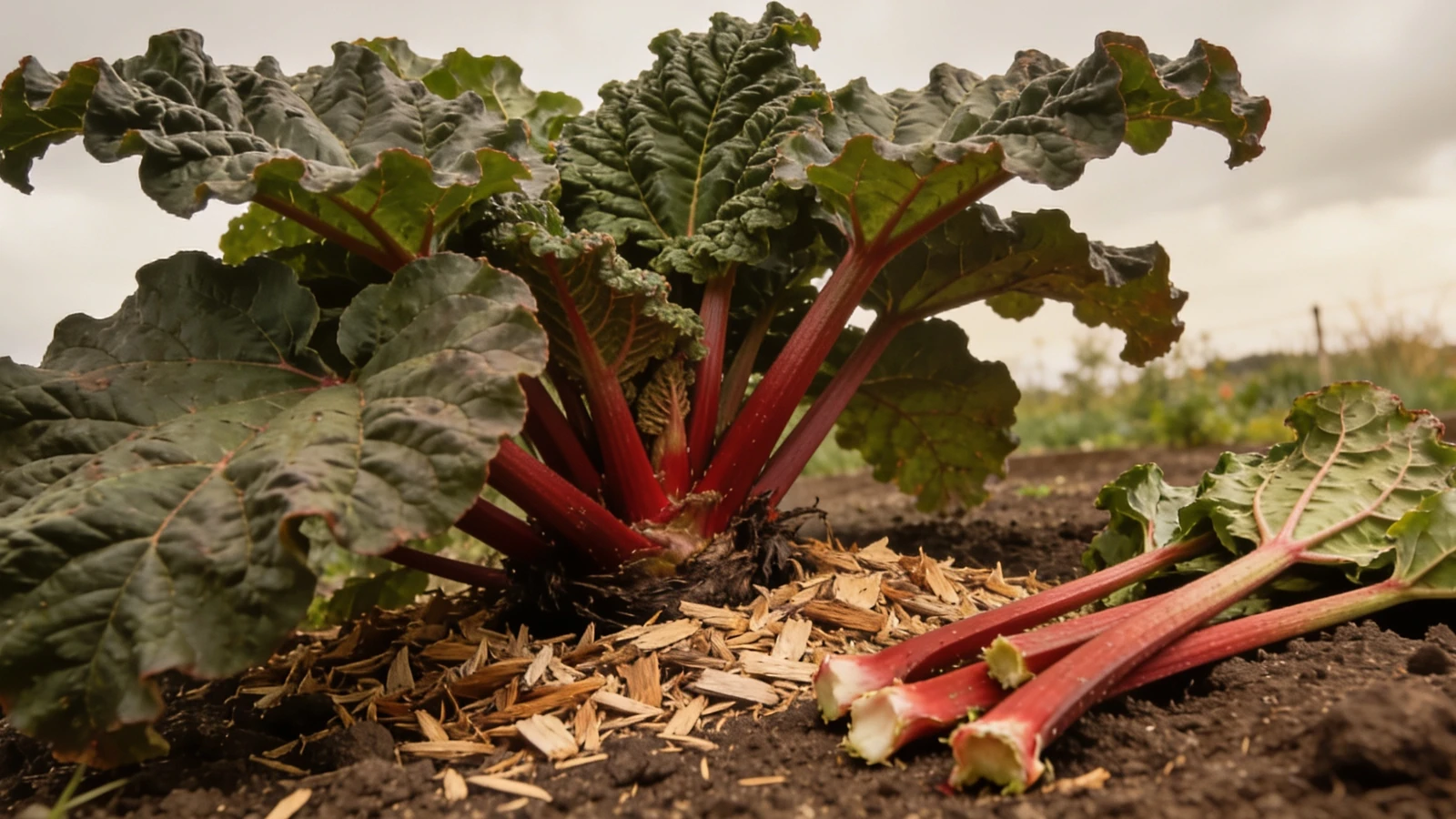
How to grow rhubarb from a crown: where to plant it, why you pick nothing in year one, how to force it for early stems, and when to divide the crown.
Updated
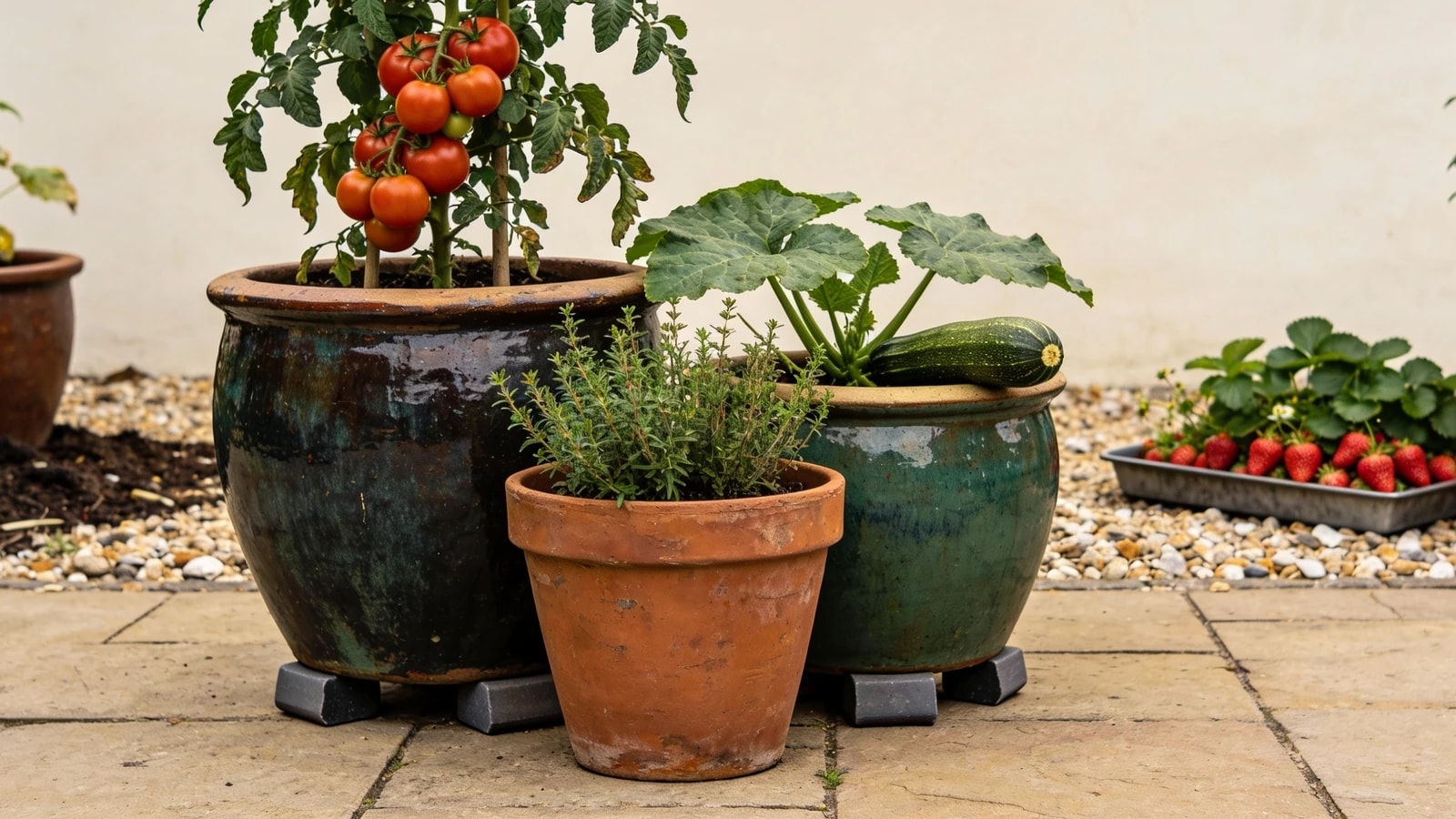
Container gardening done properly. Why pot volume matters more than compost or feed, what to plant in what size, and how to water so nothing stalls in July.
Updated
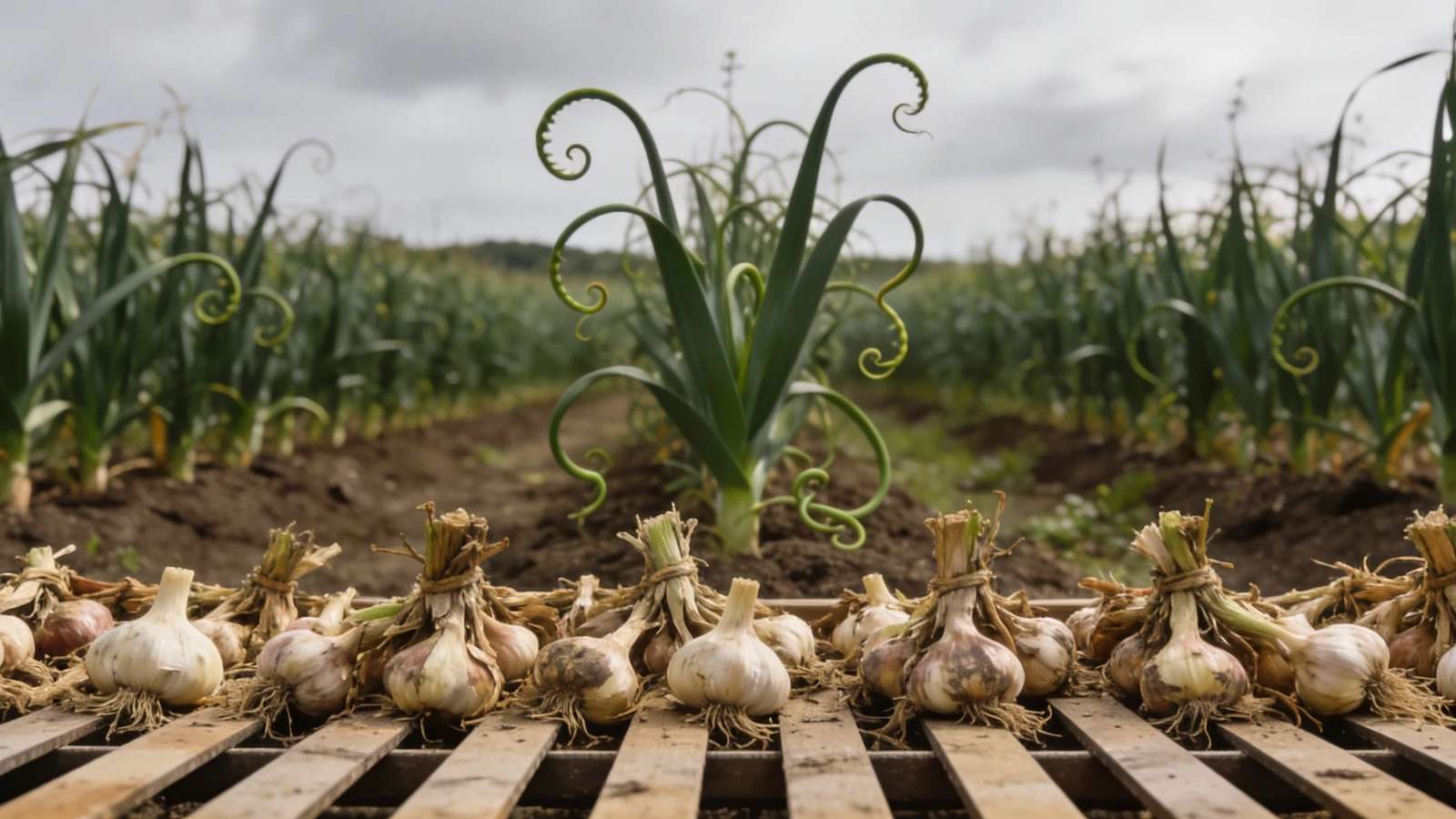
How to grow garlic from cloves. Why it needs winter cold, hardneck against softneck, when to cut scapes, and how to dry it so it keeps until spring.
Updated
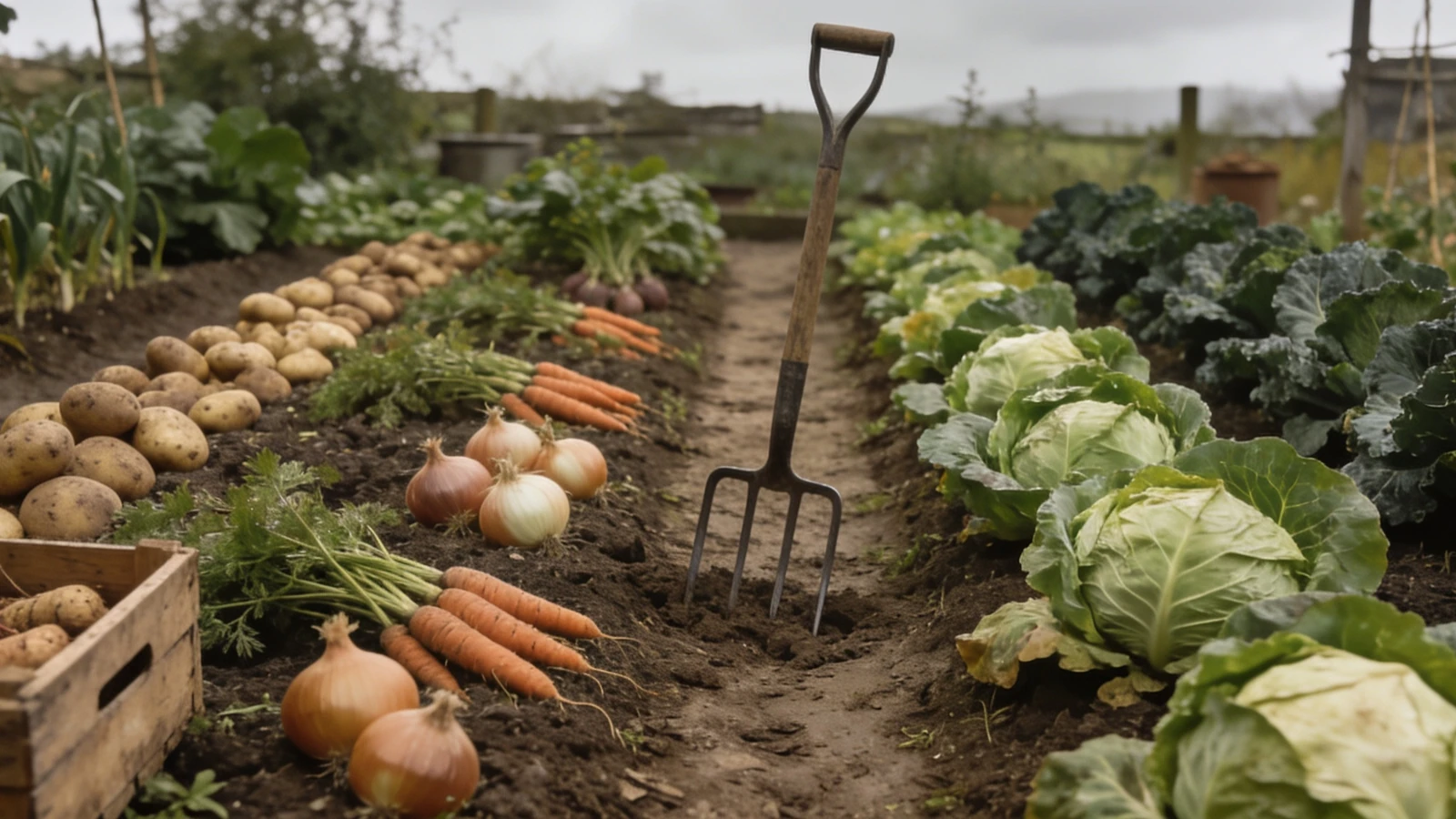
A victory garden was a wartime plan to feed a household from a small plot. What they grew, what actually worked, and how the same approach holds up now.
Updated
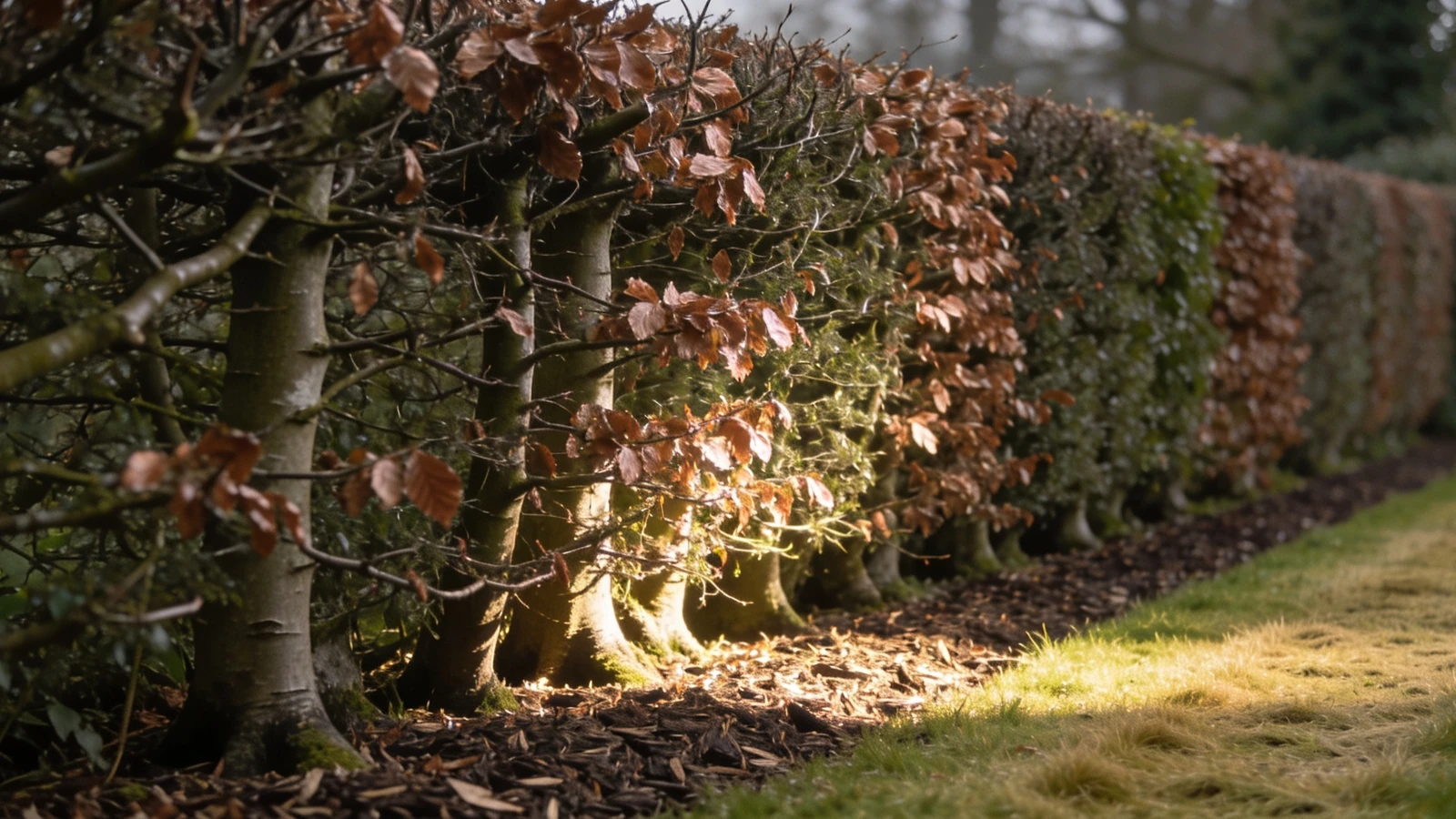
Hedging plants compared by growth rate, cost and upkeep. What to plant for privacy, how many per metre, and the two mistakes that cost you a whole season.
Updated
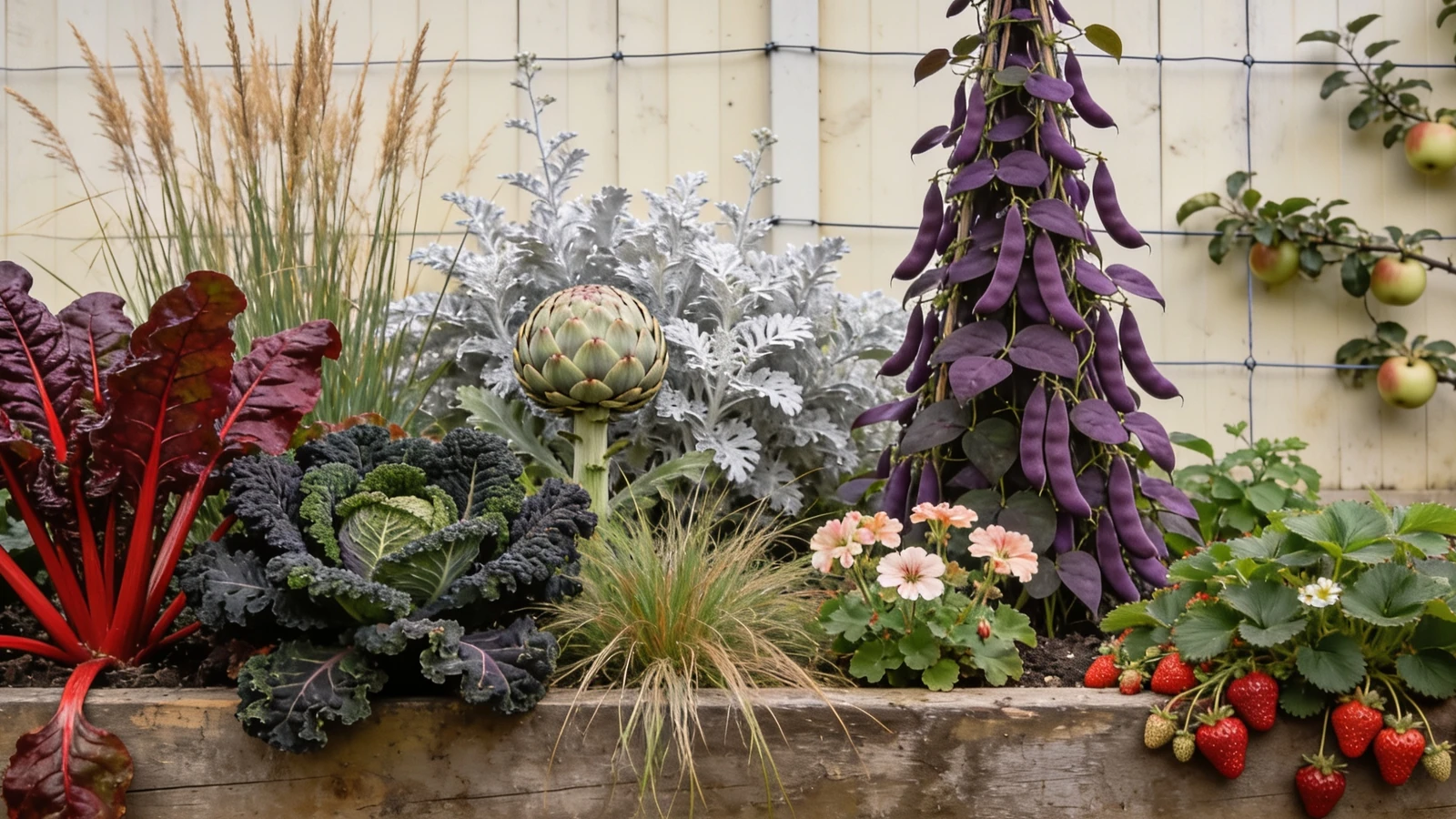
Food garden ideas for people who want a garden, not an allotment. Edible plants that hold their own in a border, and where to put them so they get used.
Updated
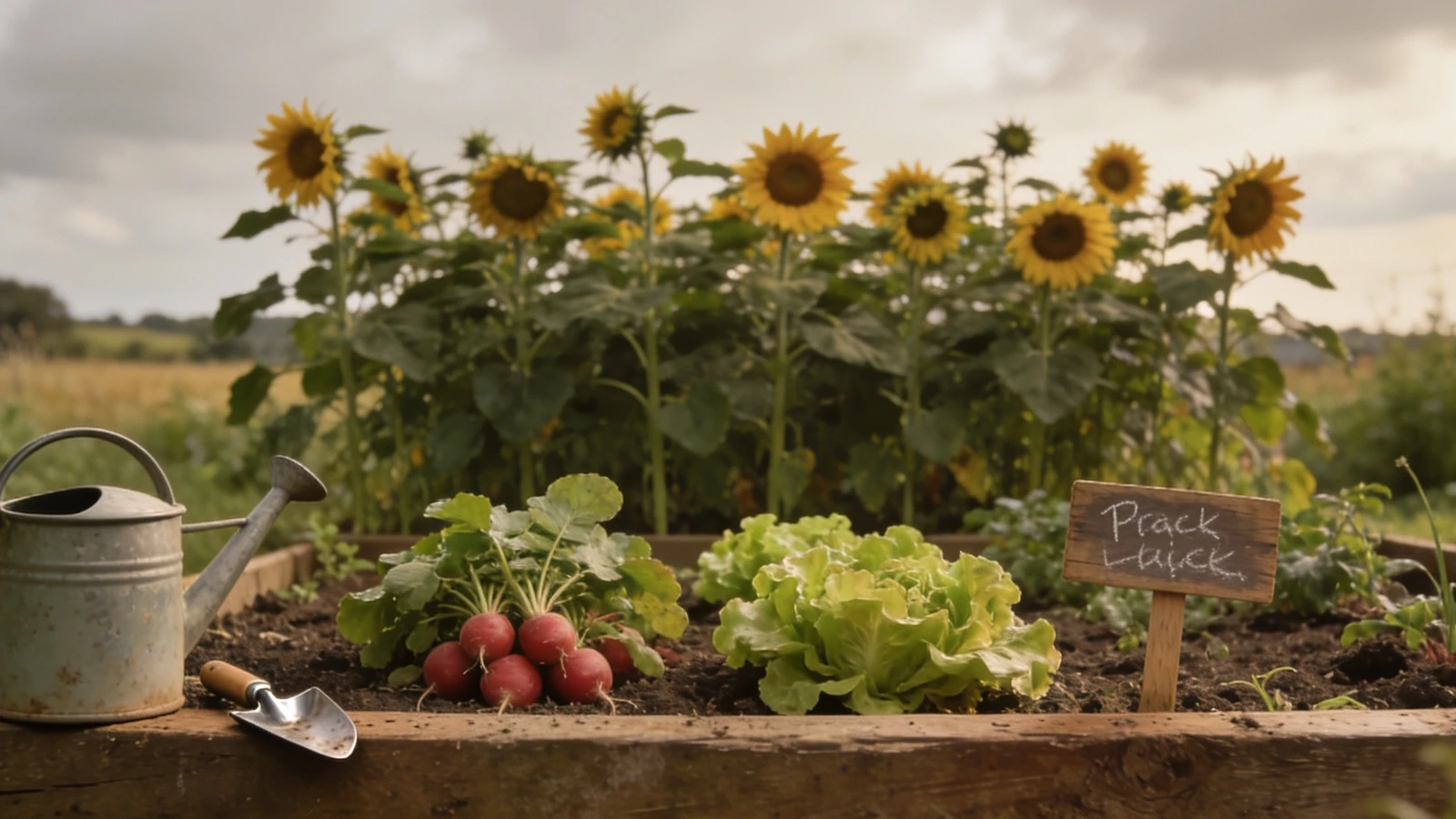
Gardening with children works when the seeds are fast and the tools are real. Here is what to plant, what to buy, and what puts kids off for good.
Updated
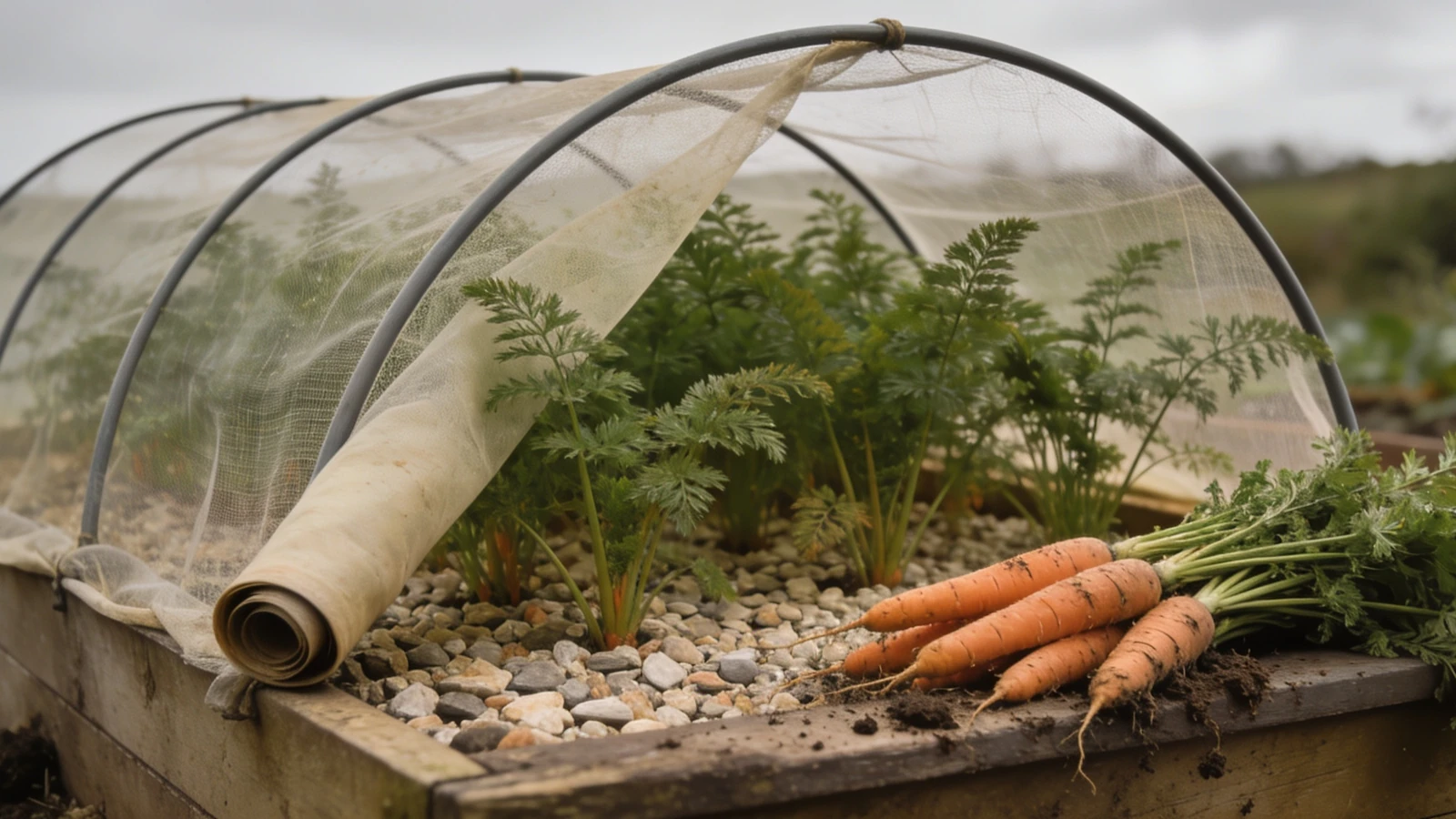
How to grow carrots that are not forked or stumpy. Why manure ruins them, how to sow so you barely thin, and the mesh height that stops carrot fly.
Updated
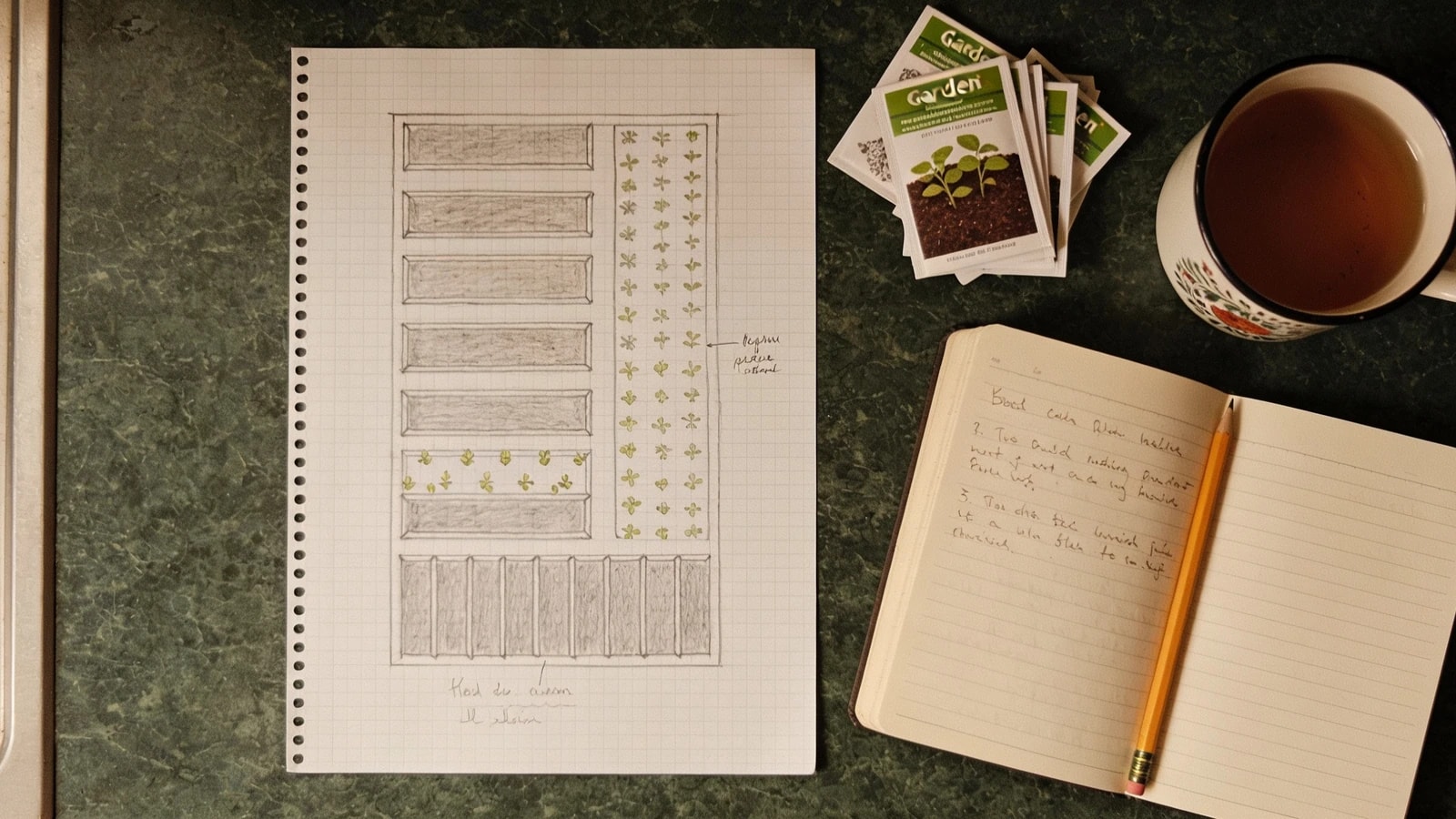
A garden planner you will still be using in August: one bed map, one sowing list and one page of notes. What to record, what to skip, and free templates.
Updated
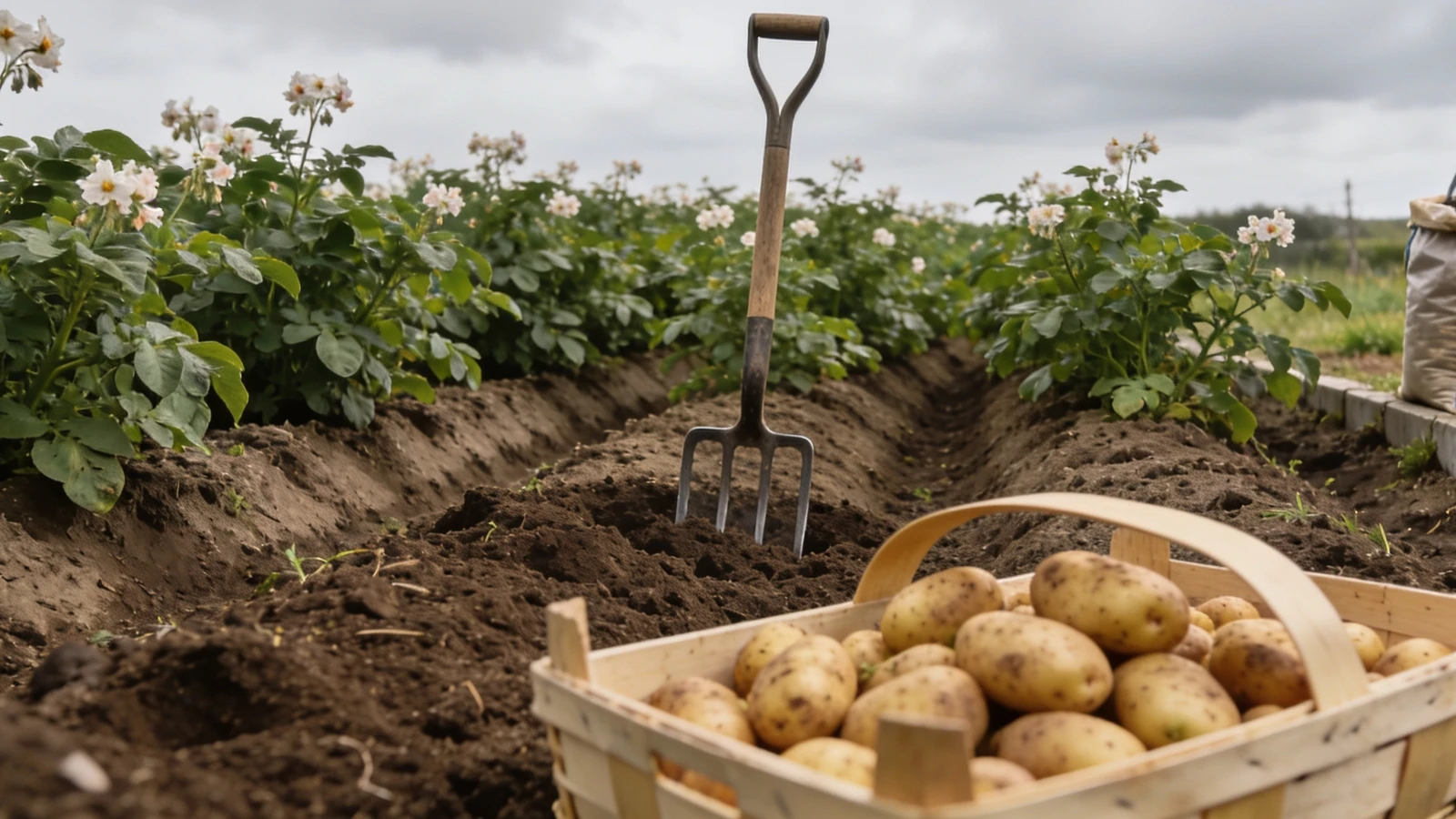
How to grow potatoes in beds or bags. Why first earlies earn their space and maincrop often does not, how deep to plant, when to earth up, and avoiding blight.
Updated
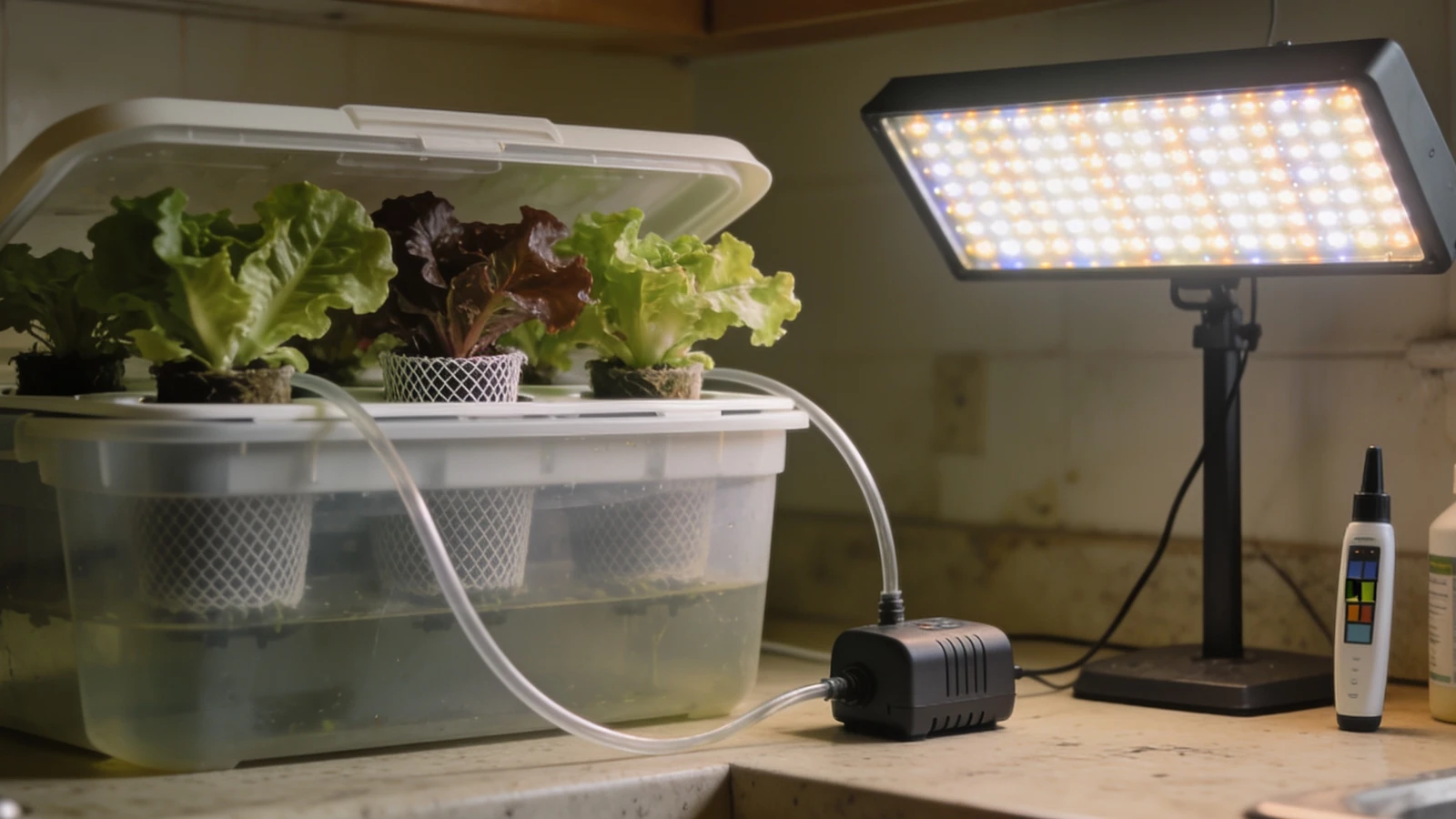
Hydroponic gardening explained without the hype: which systems suit a beginner, what it costs to run, what grows well in water, and what does not.
Updated
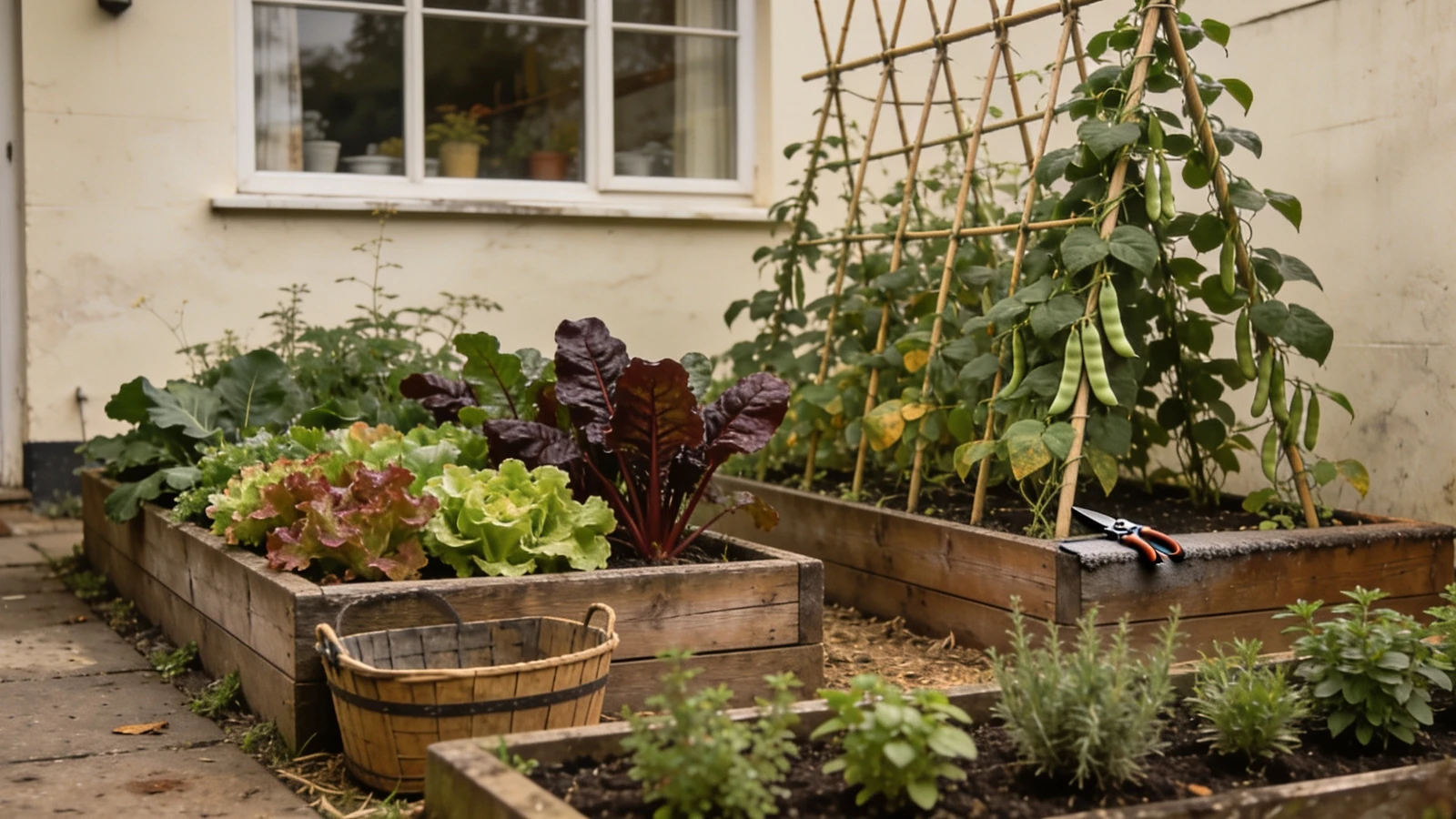
Kitchen gardening works when you plant what you cook with and put it near the door. Here is how I lay one out, and how to avoid the August glut.
Updated
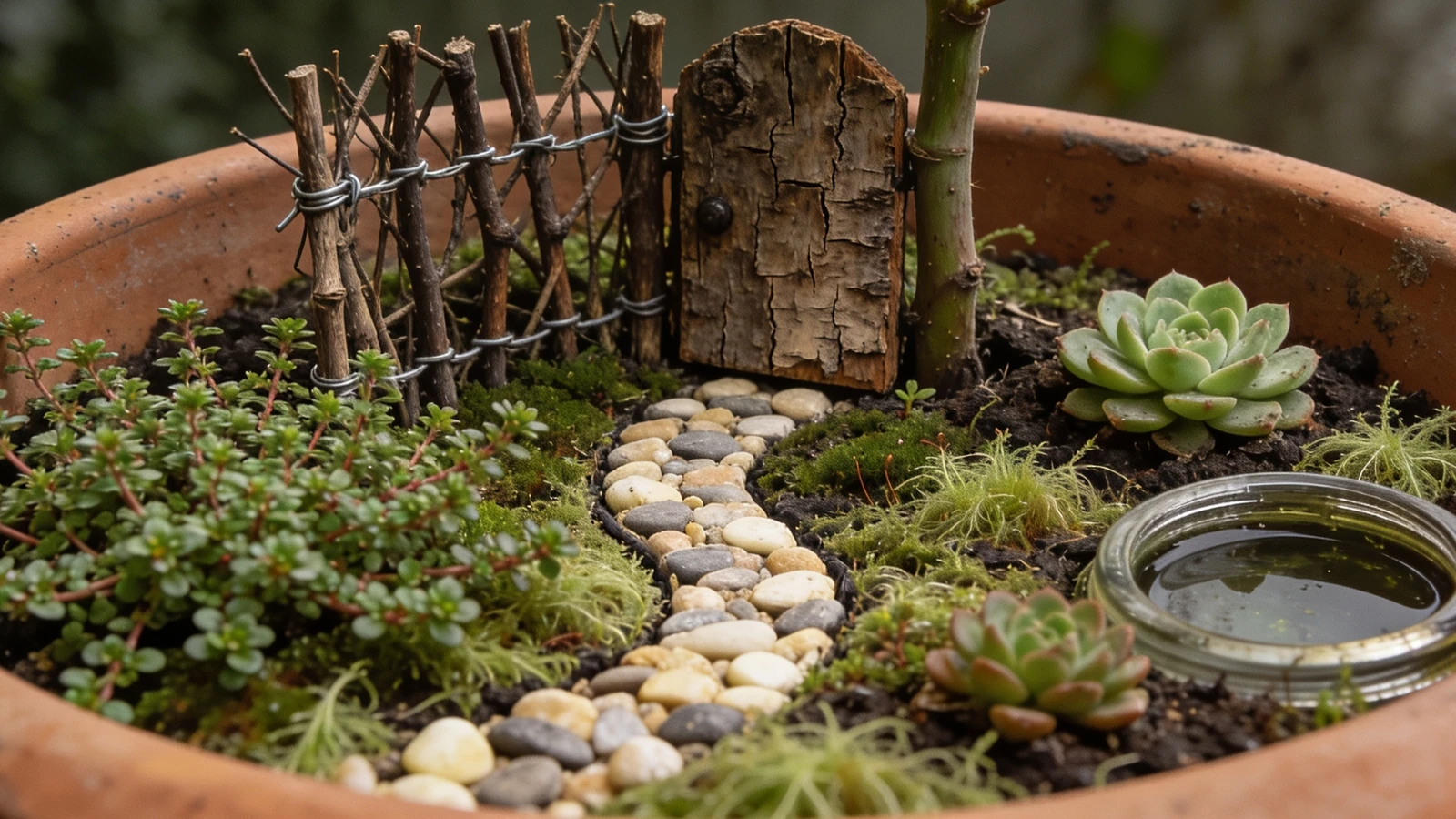
Fairy garden ideas built on real plants rather than plastic: what to plant at that scale, which container to use, and how to make one with a child in an hour.
Updated
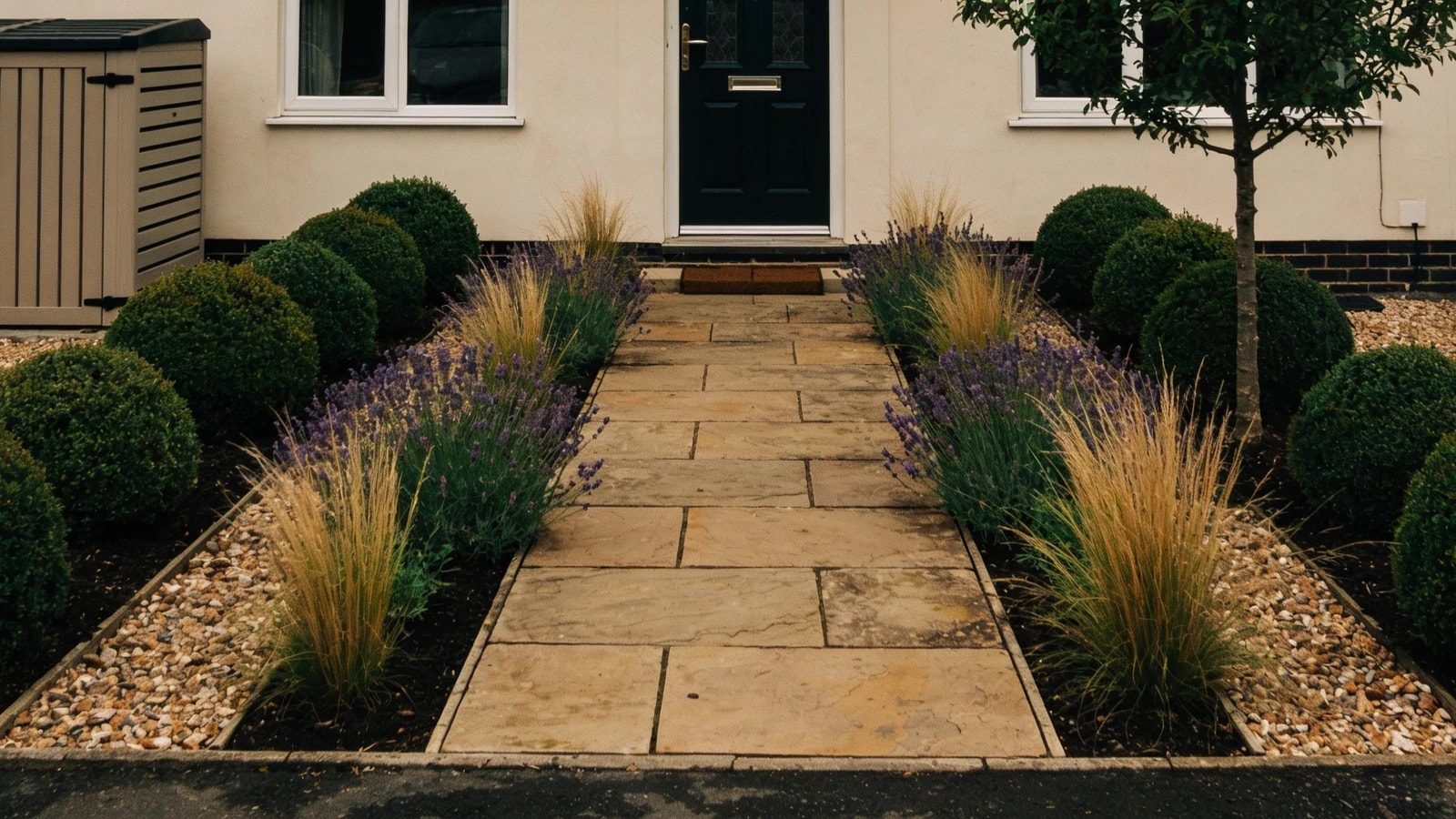
Front yard garden ideas for a space you barely visit: planting that looks intentional all year, keeps the bins out of sight and does not need watering.
Updated
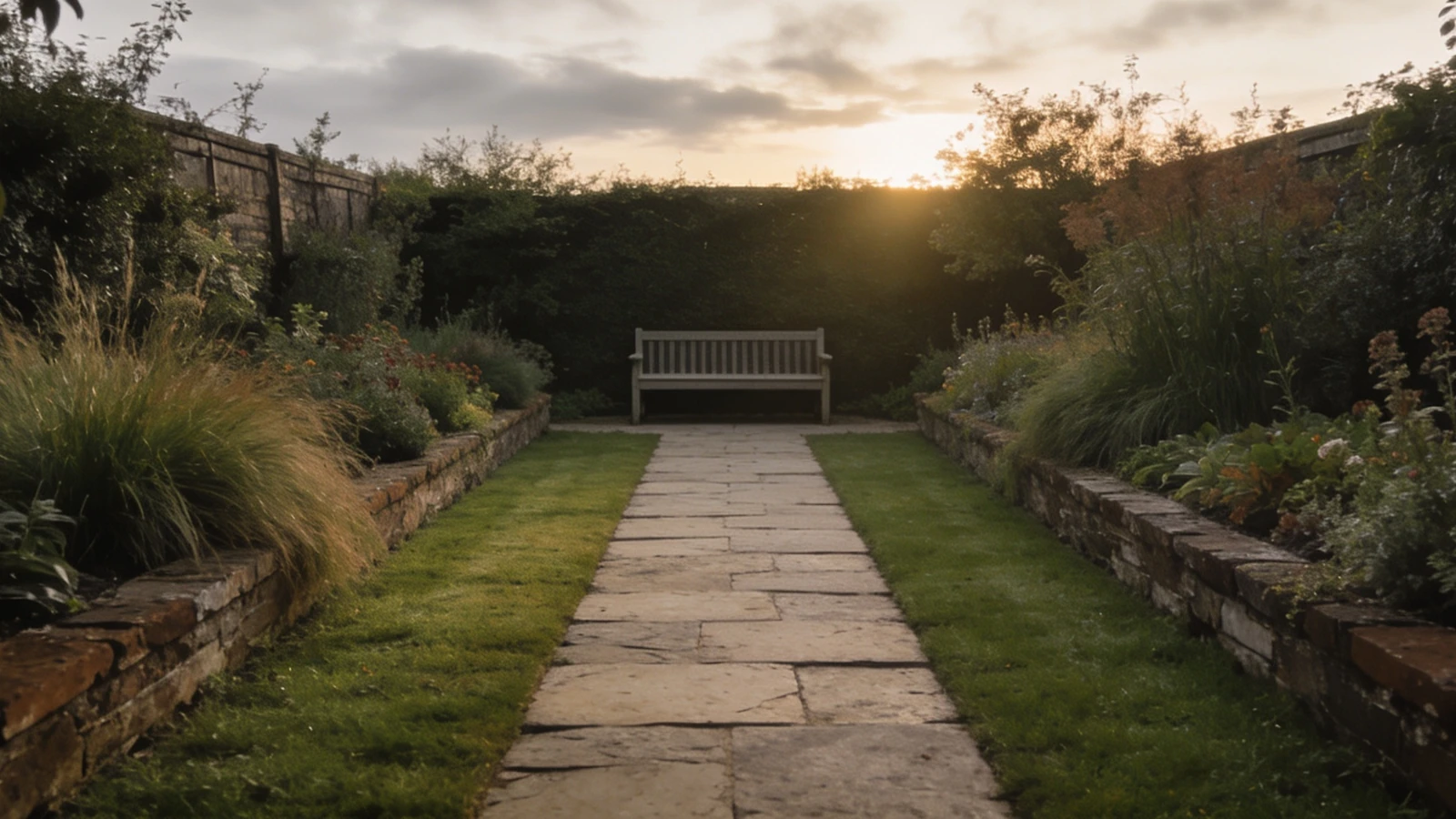
Garden design without a designer: work out how you will use the space, get the proportions right, then plant. The order matters more than the plant list.
Updated
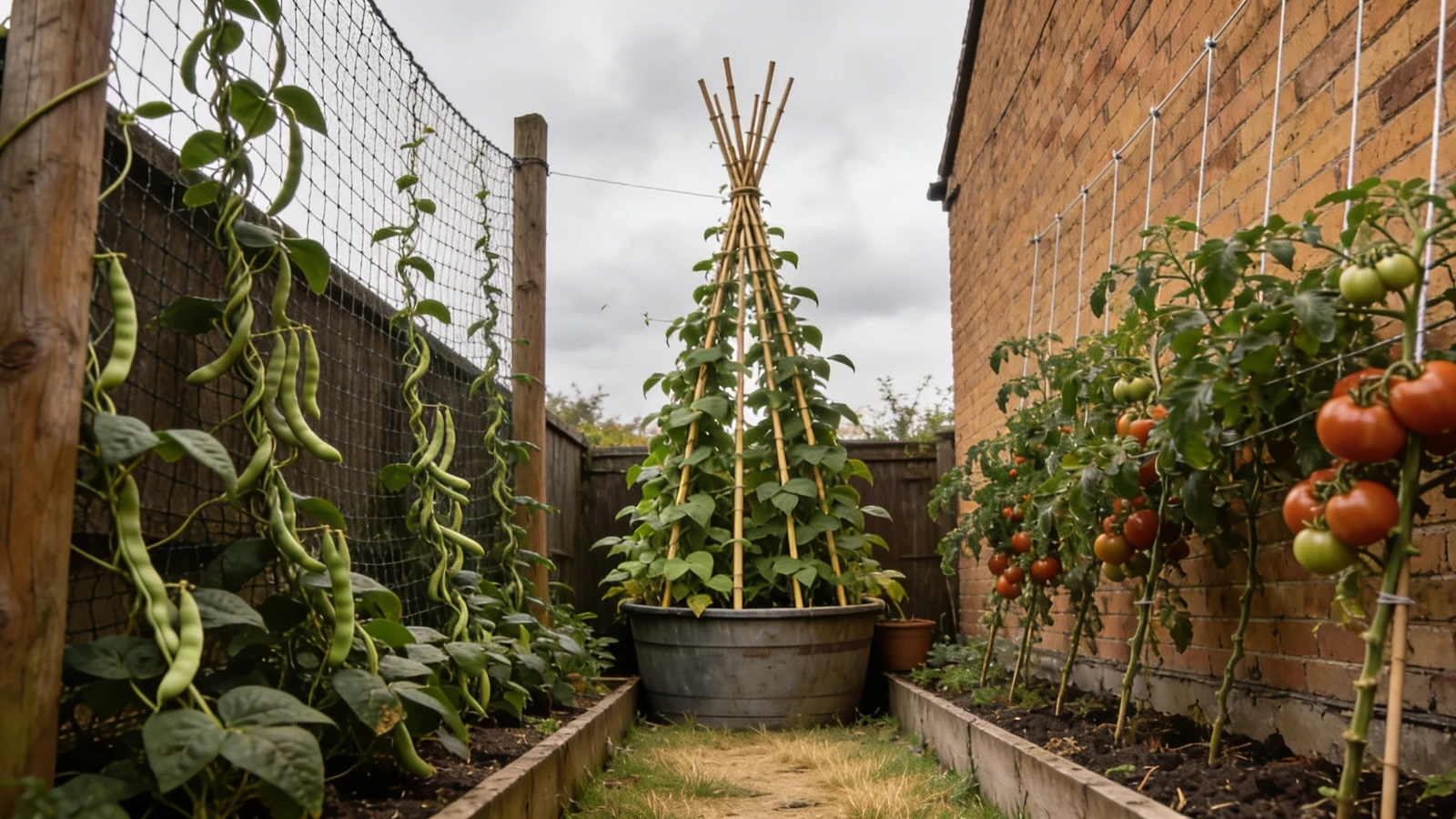
Vertical gardening done properly: which crops climb, what a wall can carry, how to water it, and why most living wall kits fail in their first summer.
Updated
Gardening zones tell you what survives winter, not what grows well. Here is how to read your zone, and the five garden conditions that matter more.
Updated
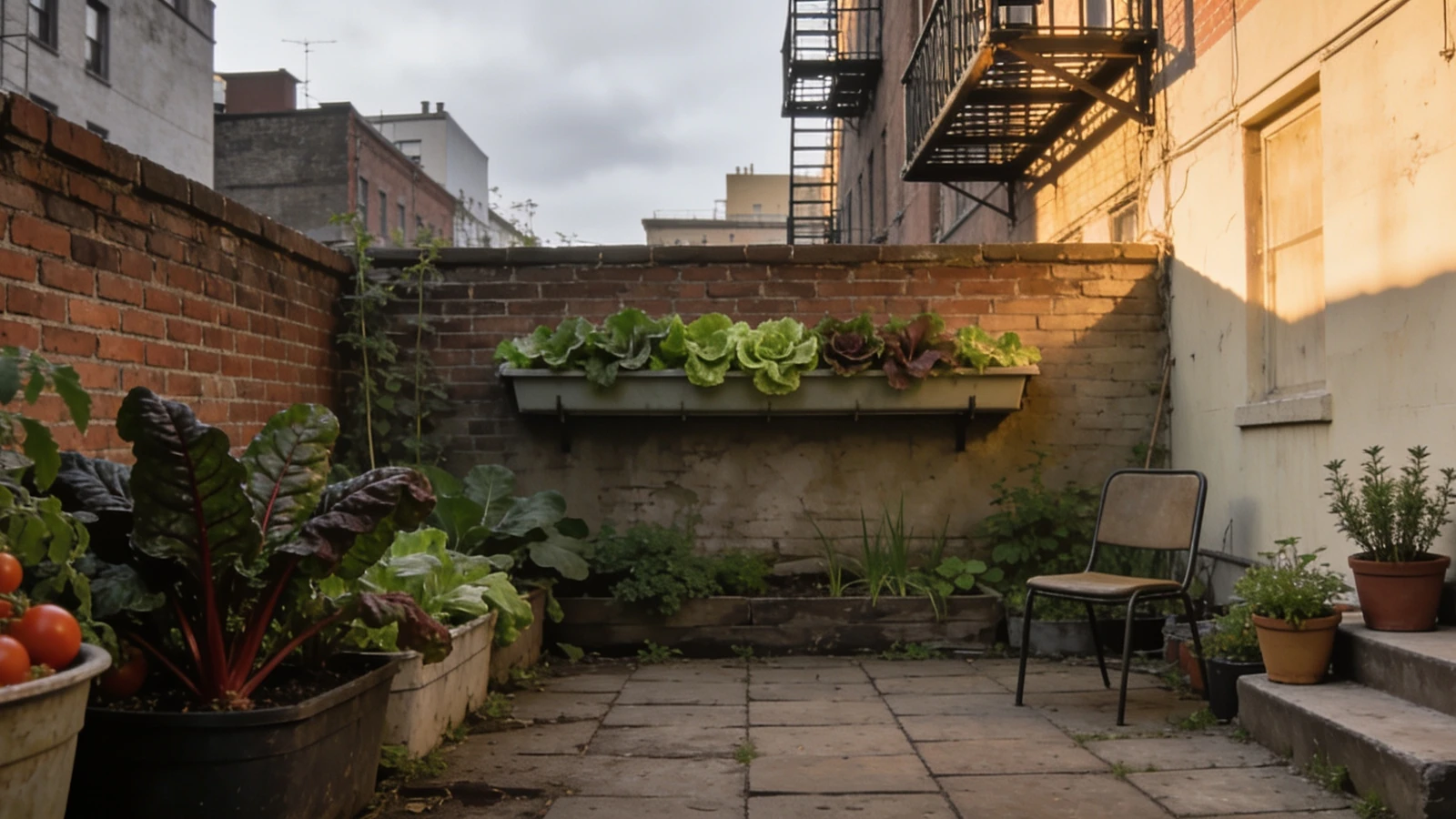
Urban gardening comes down to light, pot size and wind. Get those three right and a courtyard or balcony feeds you. Here is how I work out what will grow.
Updated
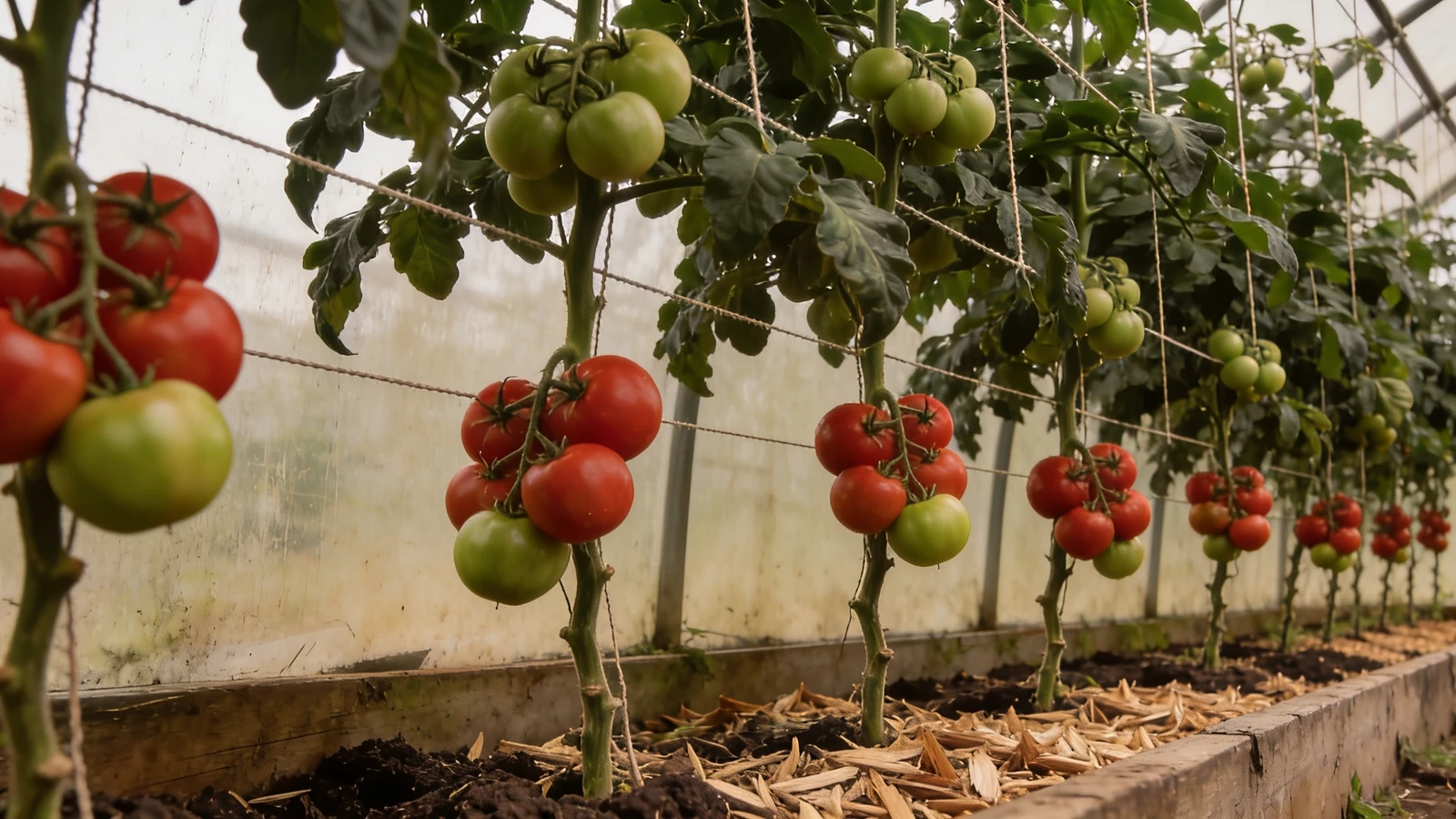
How to grow tomatoes from seed to harvest. Cordon or bush, the watering that prevents split skins and blossom end rot, when to feed, and how to spot blight early.
Updated
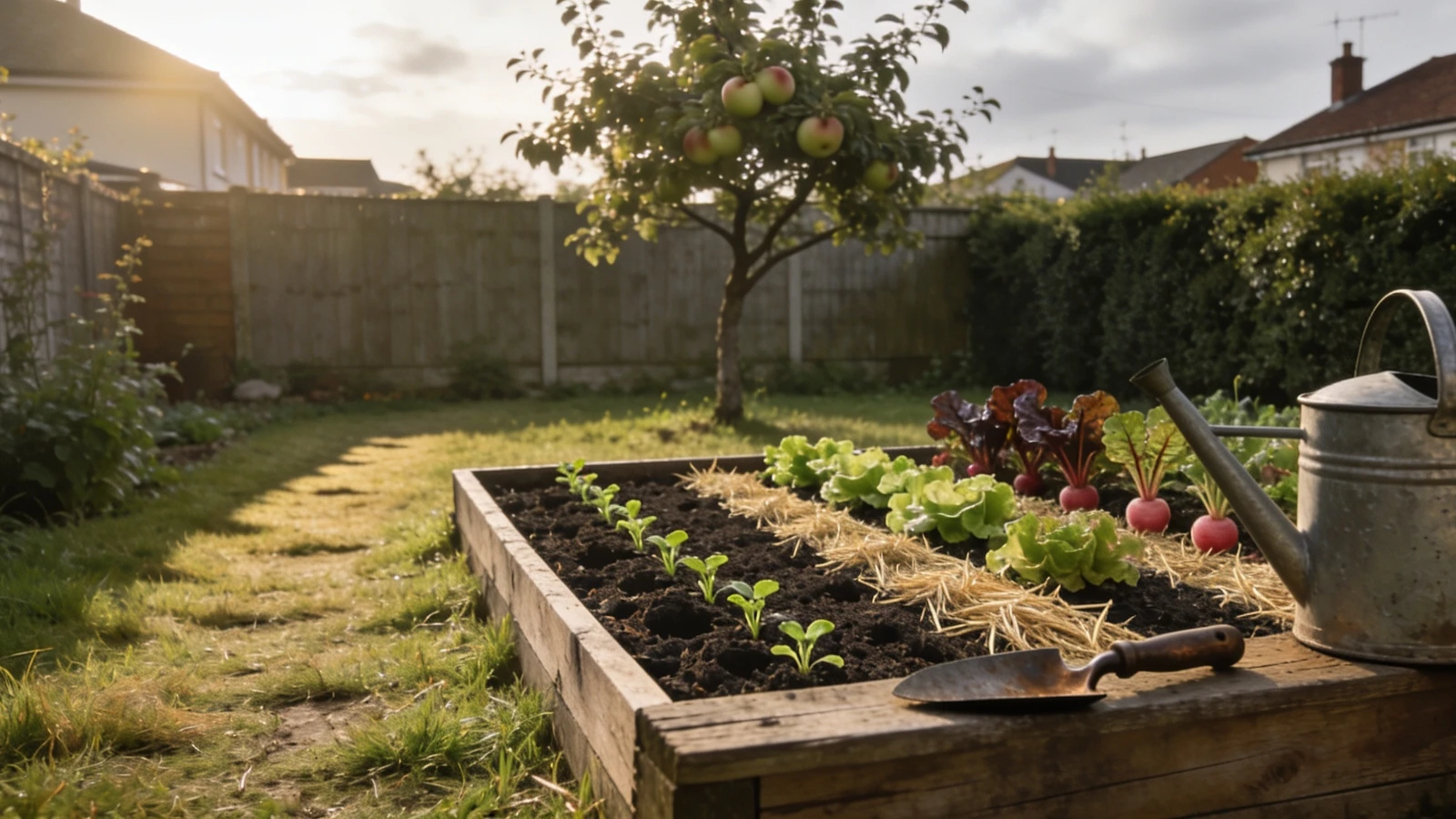
How to start a garden in one season: check your light first, build one small bed without digging, plant six easy crops. Costs from $60, step by step.
Updated
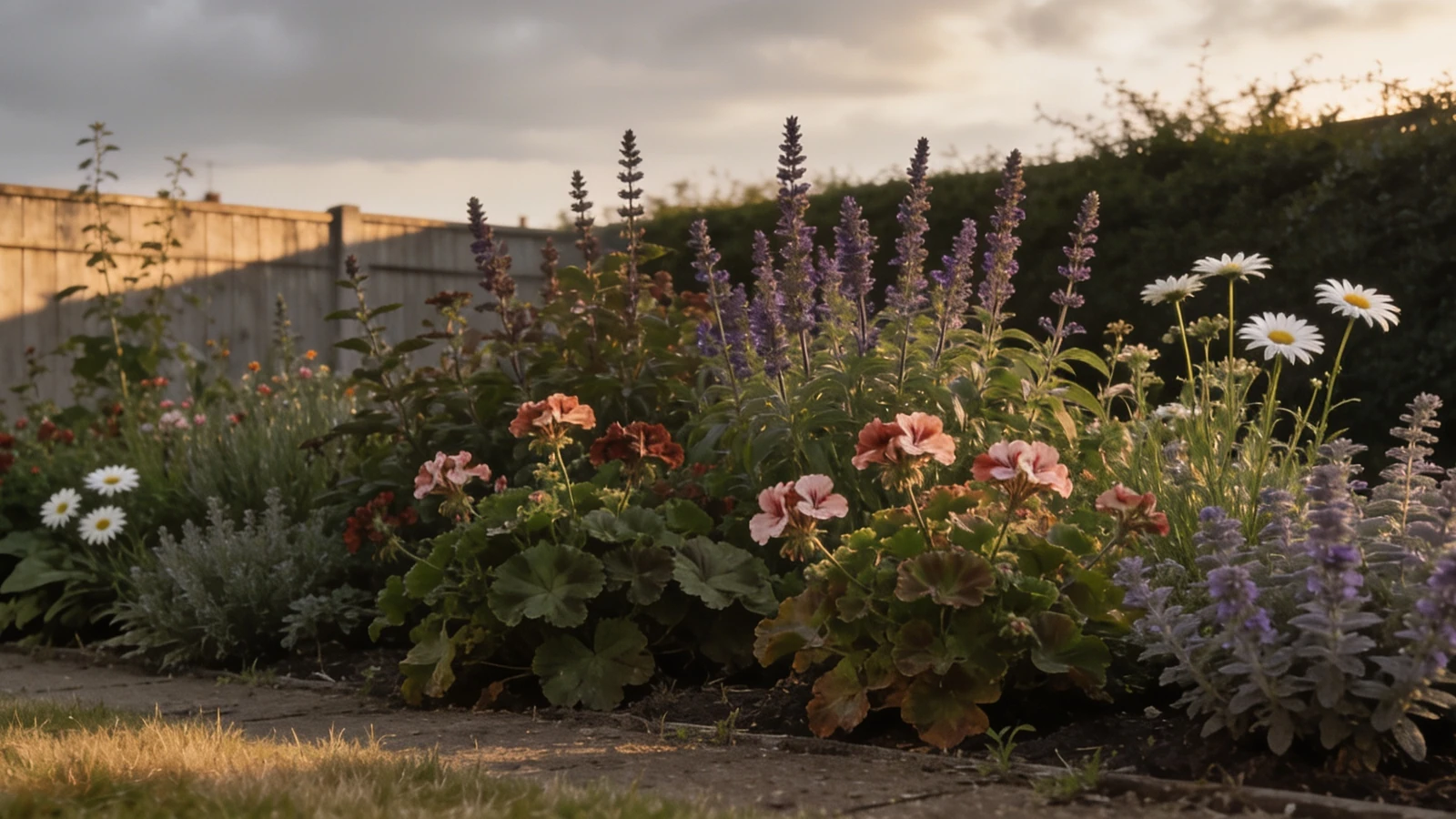
Flower gardening made simple: pick plants that suit your light, plant them closer than feels right, and get colour from spring to frost. With costs.
Updated
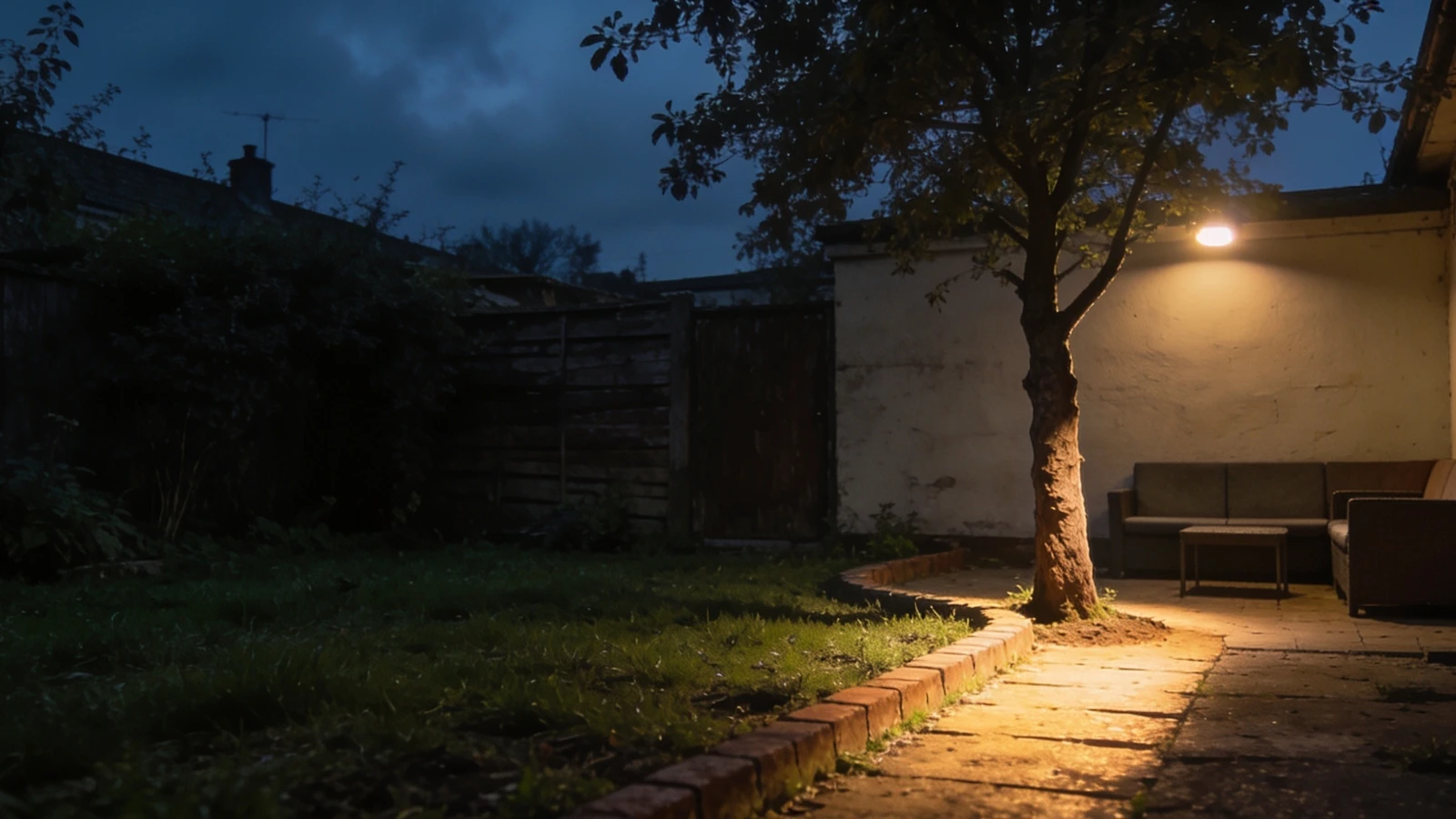
Garden lighting is nearly always overdone. Here is where I put light, how much is enough, and why one floodlight ruins a garden after dark.
Updated
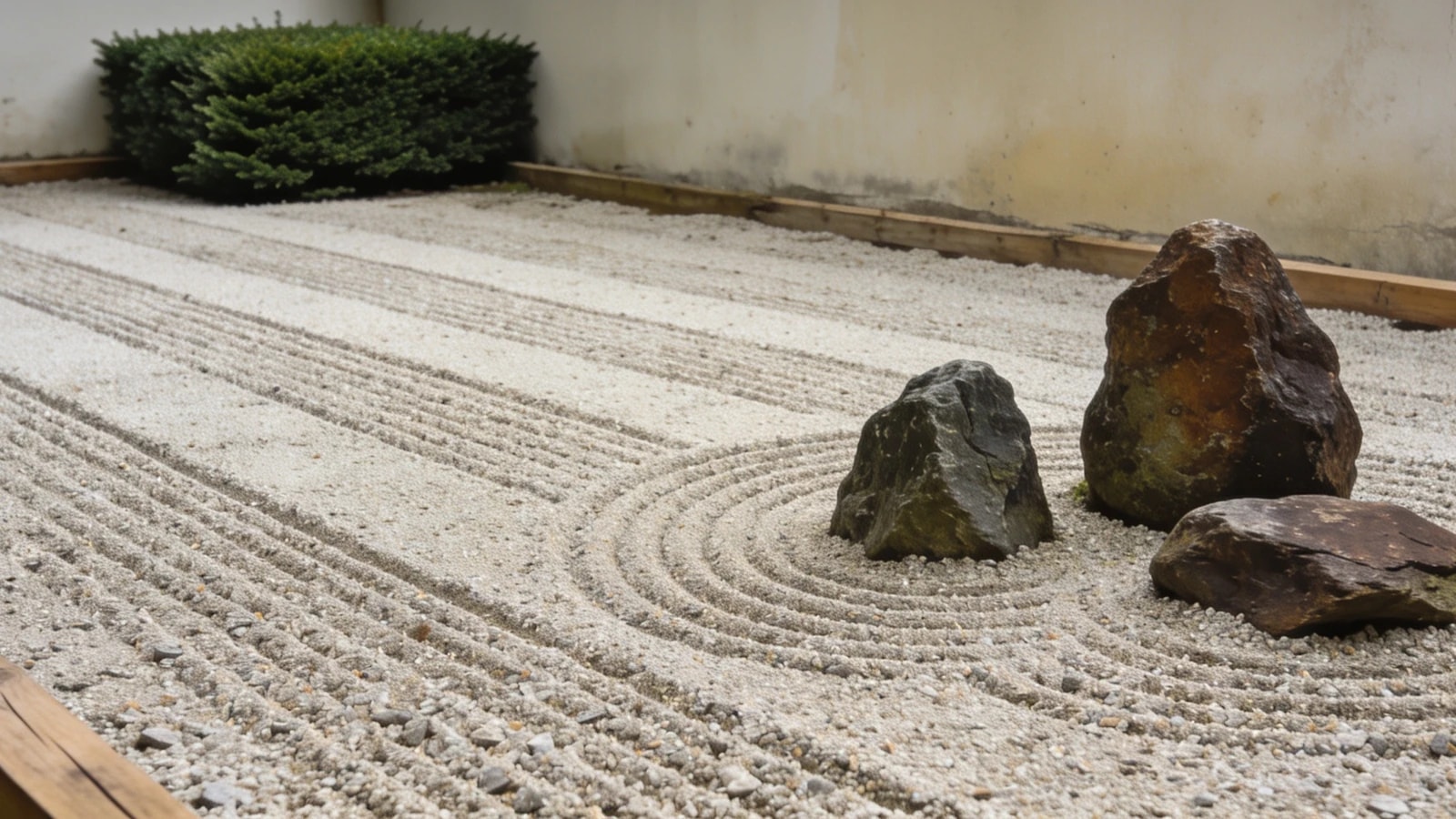
A zen garden is karesansui: gravel, rock and almost nothing else. What depth of gravel to use, how to set the stones, how to rake it, and what it costs.
Updated
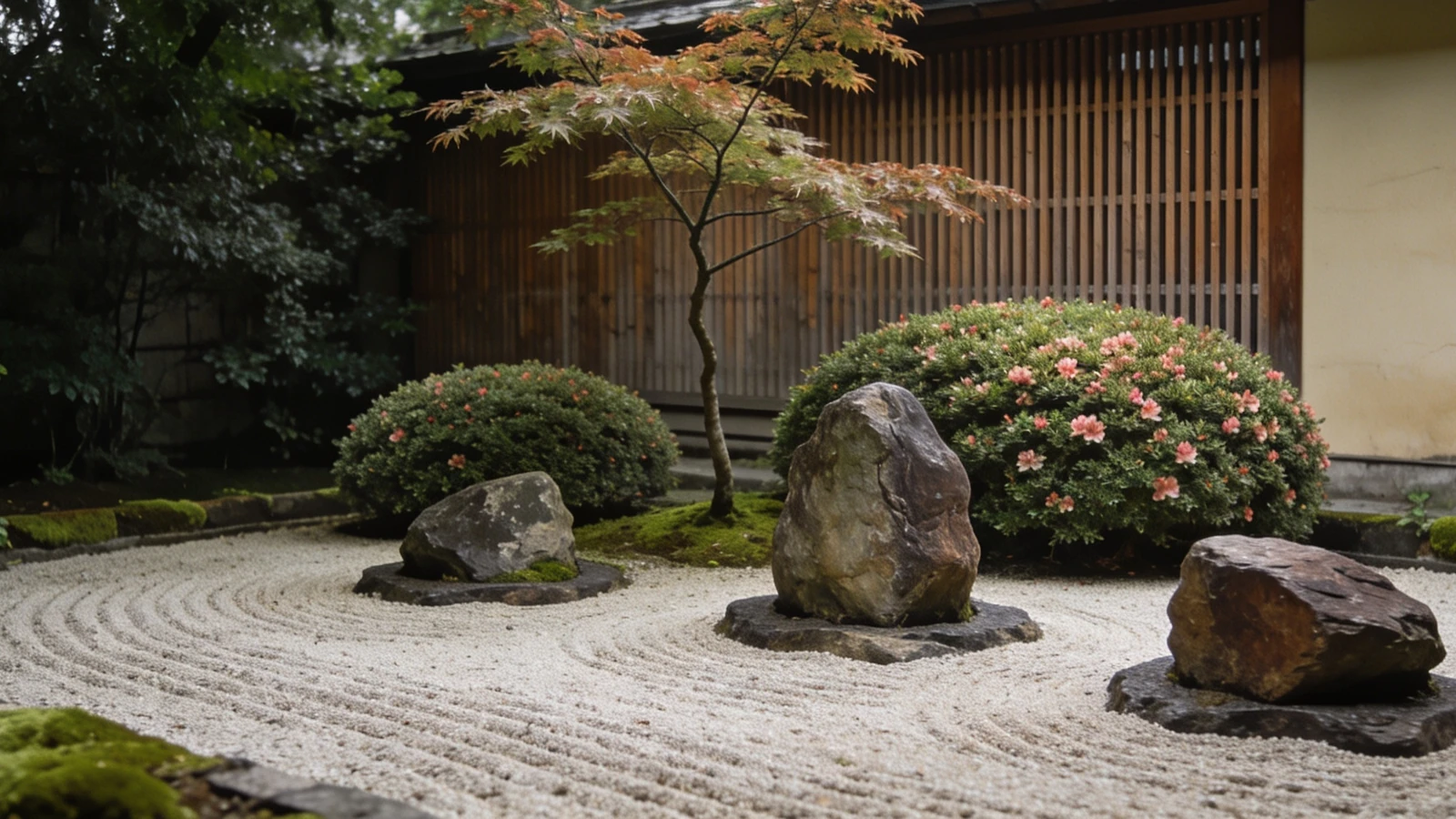
Japanese garden ideas built on the actual principles: asymmetry, borrowed scenery and restraint. What to plant, what to leave out, and a plan for a small corner.
Updated
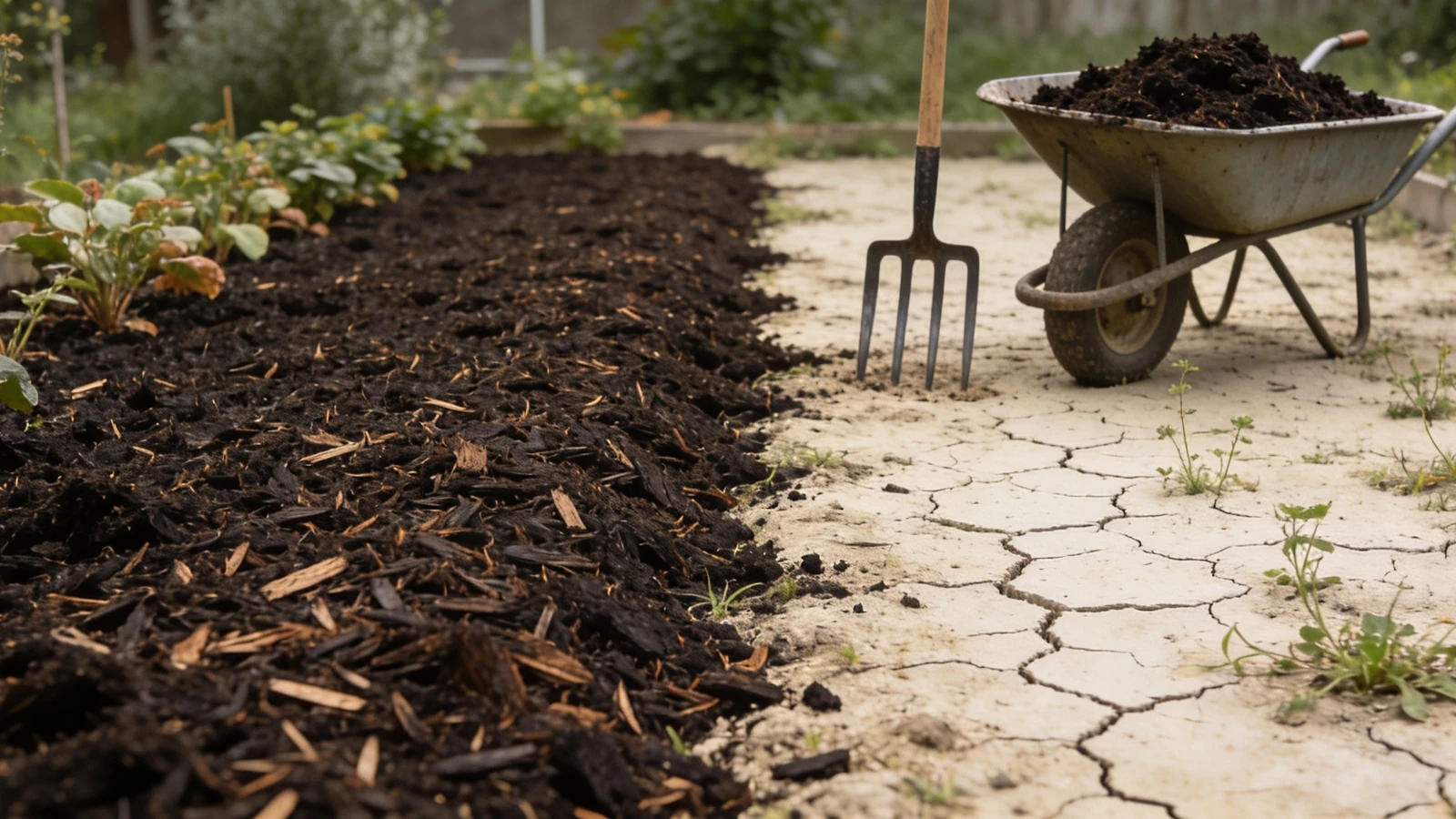
Mulching cuts watering and weeding more than any other job. What to use on beds, borders and pots, how deep to lay it, and why membrane fails.
Updated
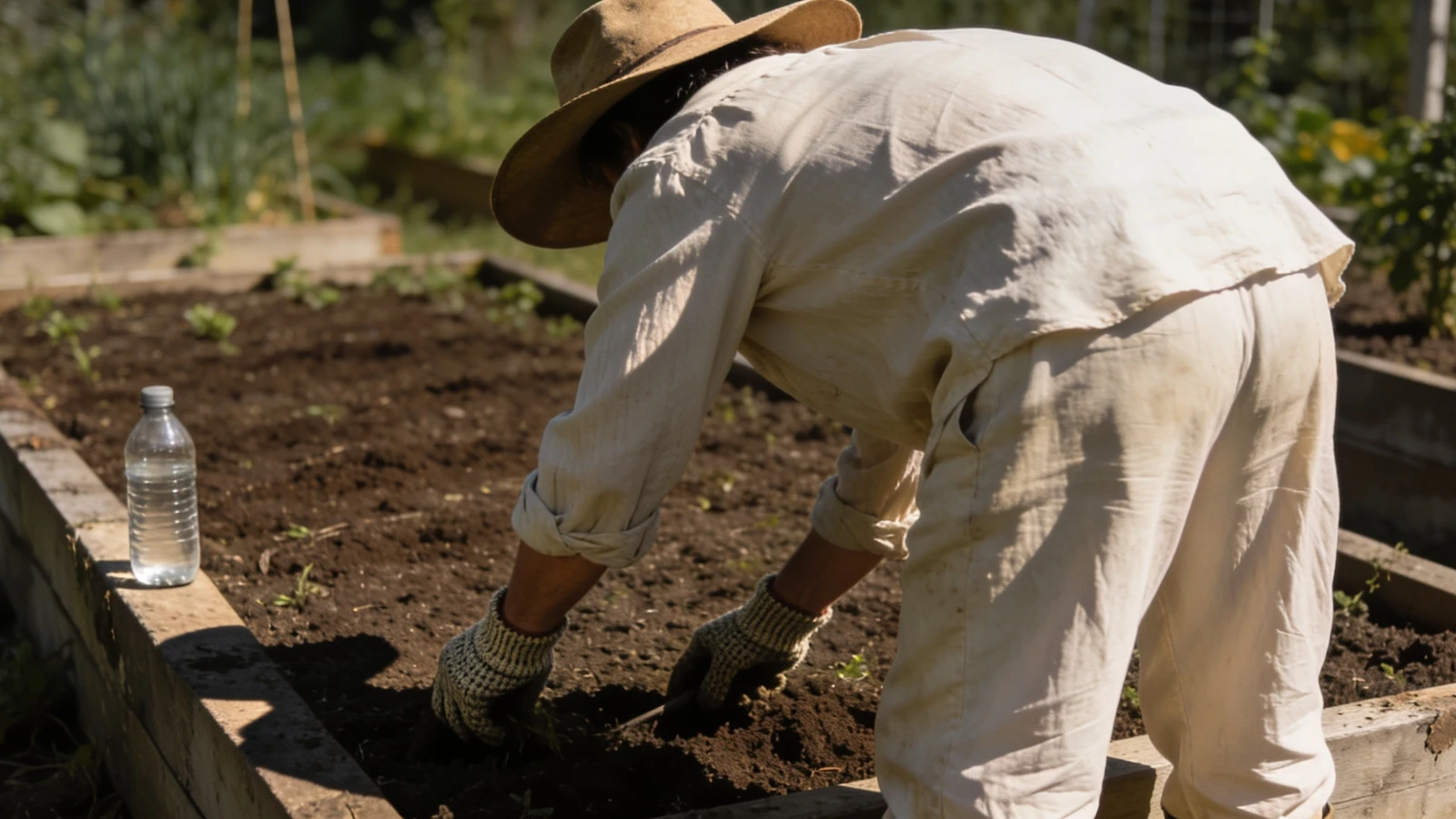
What to wear gardening in real heat, why long sleeves beat bare arms, what UPF actually means, and the kit that keeps you working when it is 32°C.
Updated
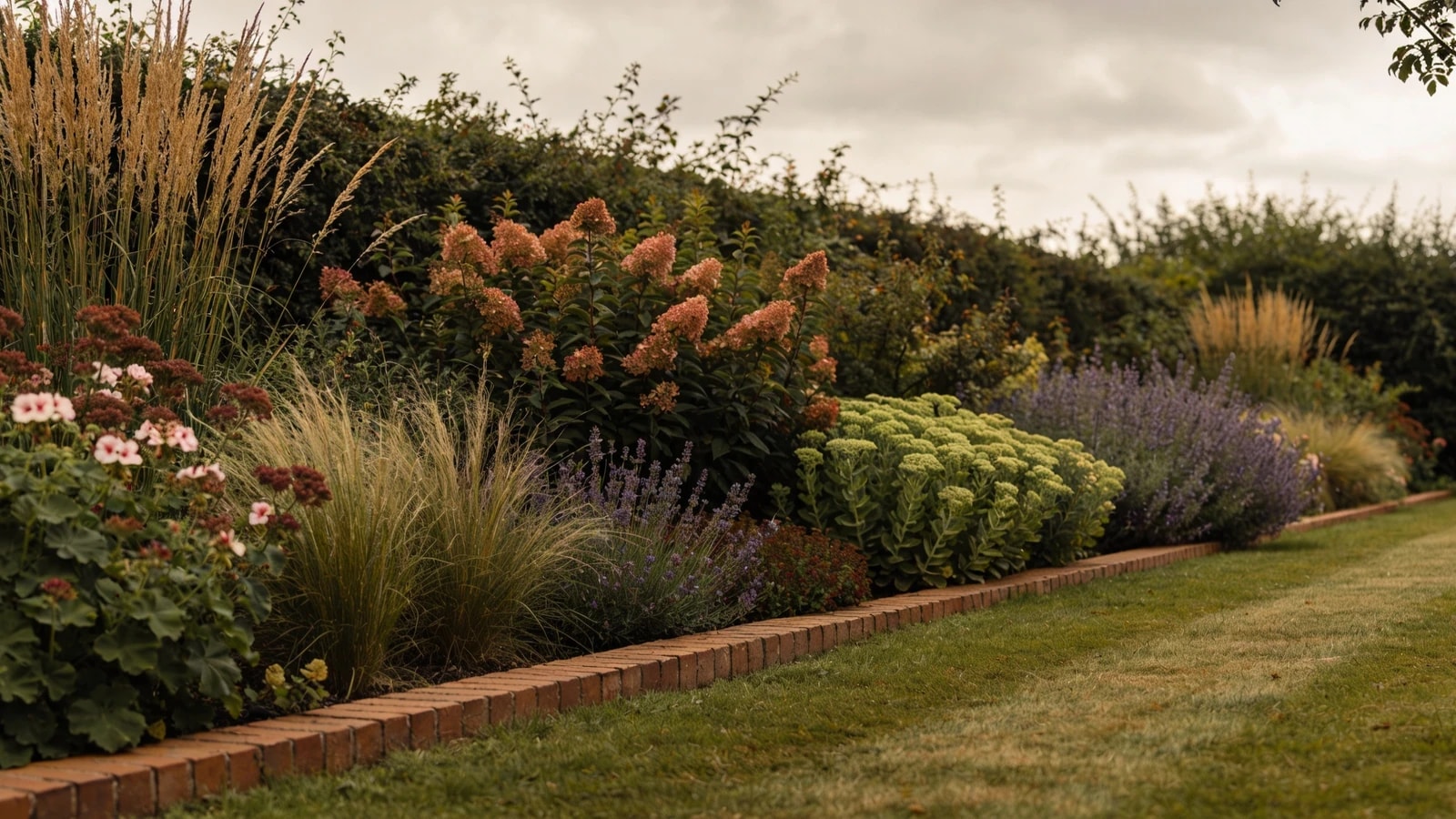
How to cut garden work by two-thirds without paving it over, the design decisions, planting choices and three jobs that actually save you time.
Updated
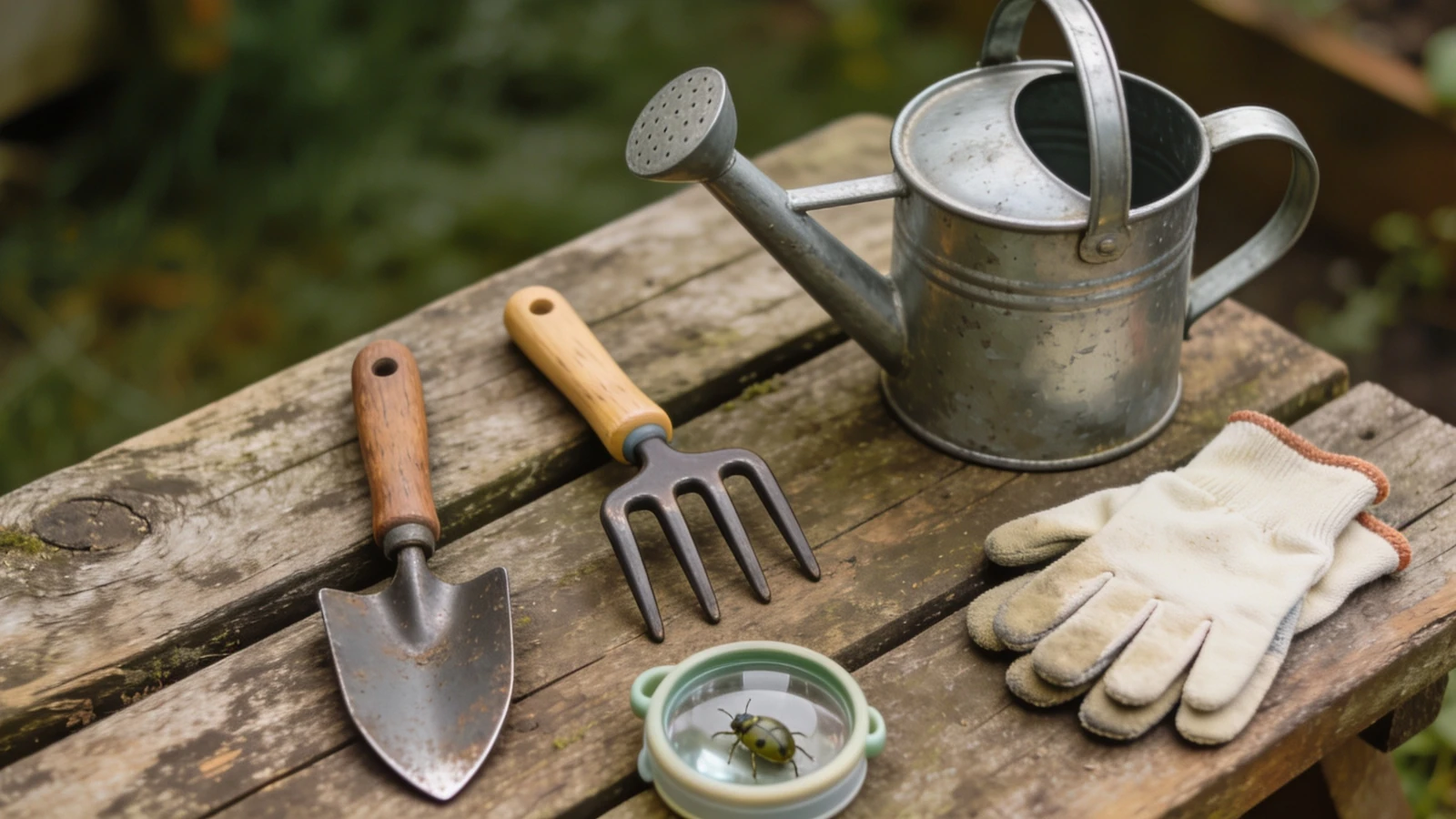
Which children's garden tools actually work, what to buy at each age, and why most brightly coloured plastic sets put kids off gardening rather than into it.
Updated
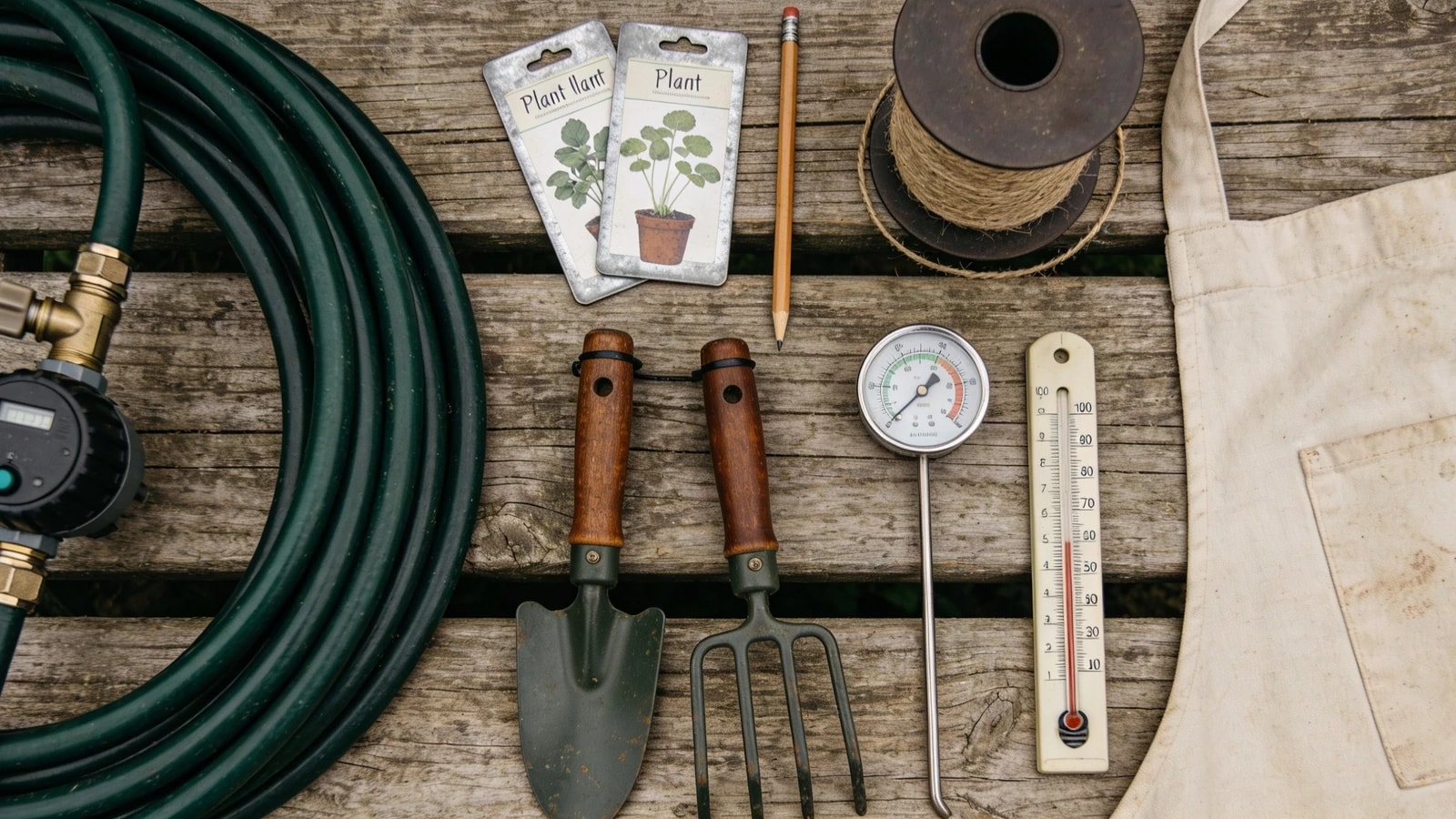
The small kit that removes friction from every session: watering gear, labels, supports and storage, plus the accessories that just take up room.
Updated
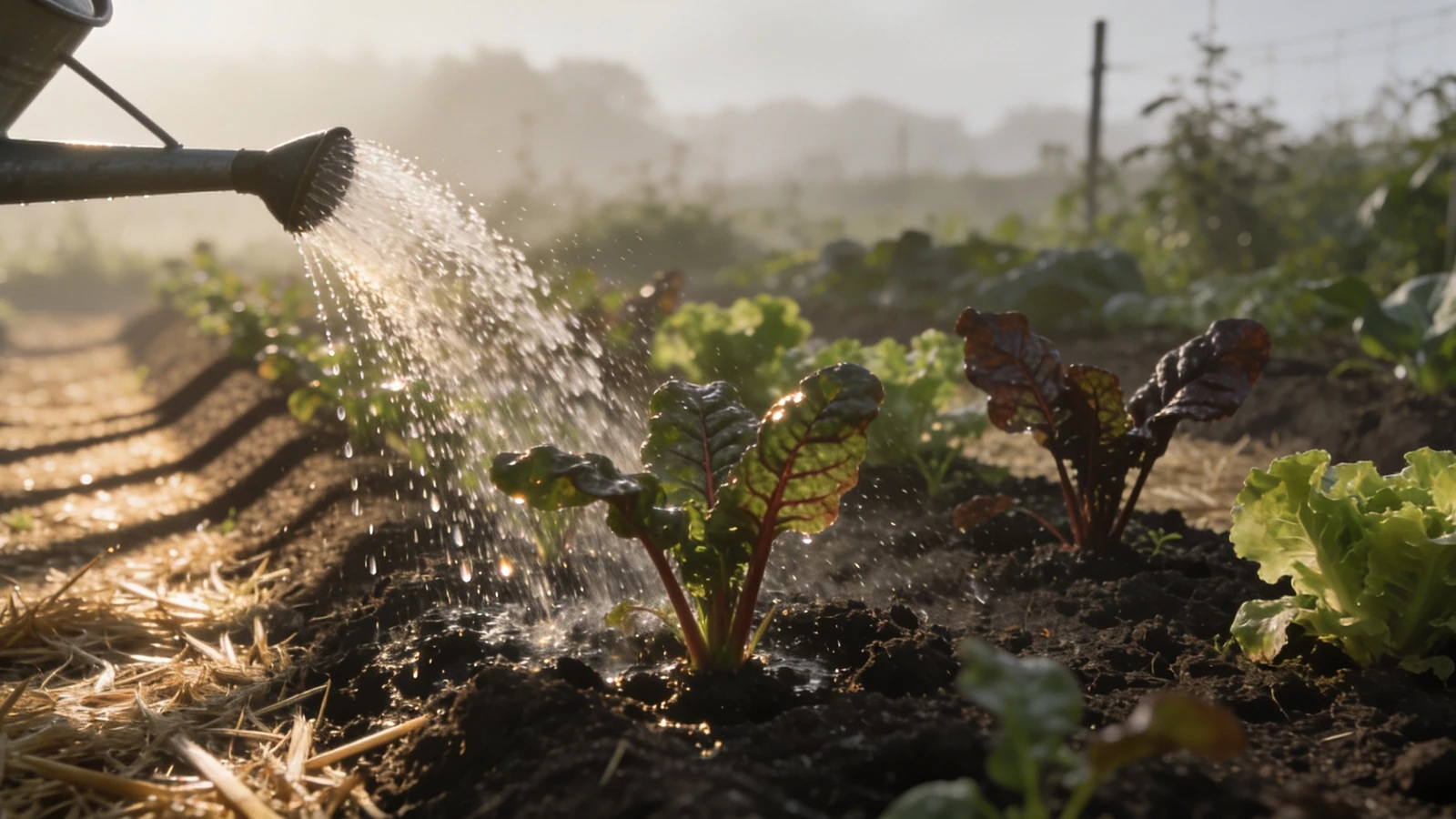
How to water a garden properly: how much plants need, how to tell when they need it, and why a daily splash does more harm than none at all.
Updated
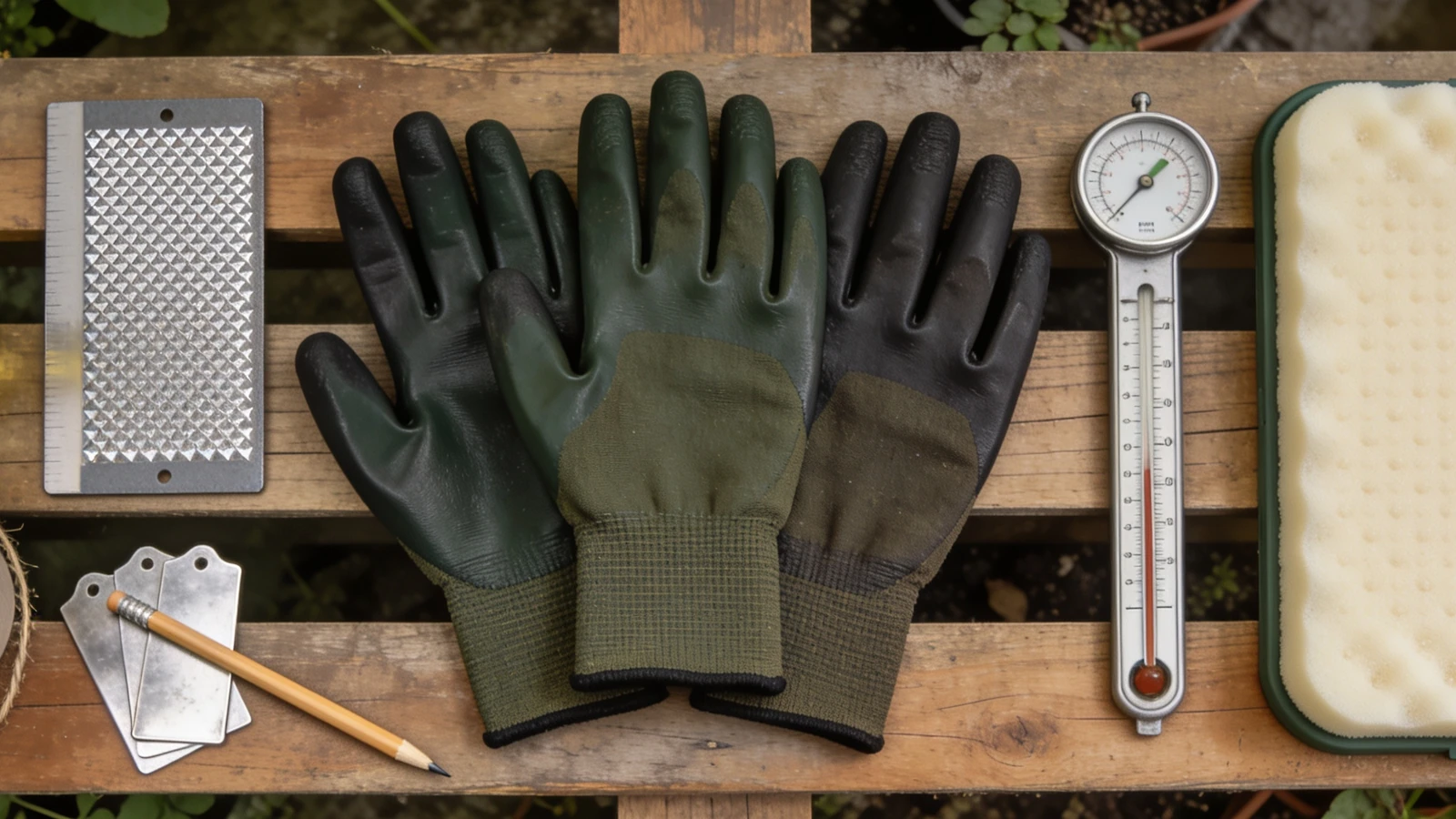
Eighteen cheap gardening gifts that get used every single session, sorted by price band, with the novelty tat to avoid at exactly the same price.
Updated
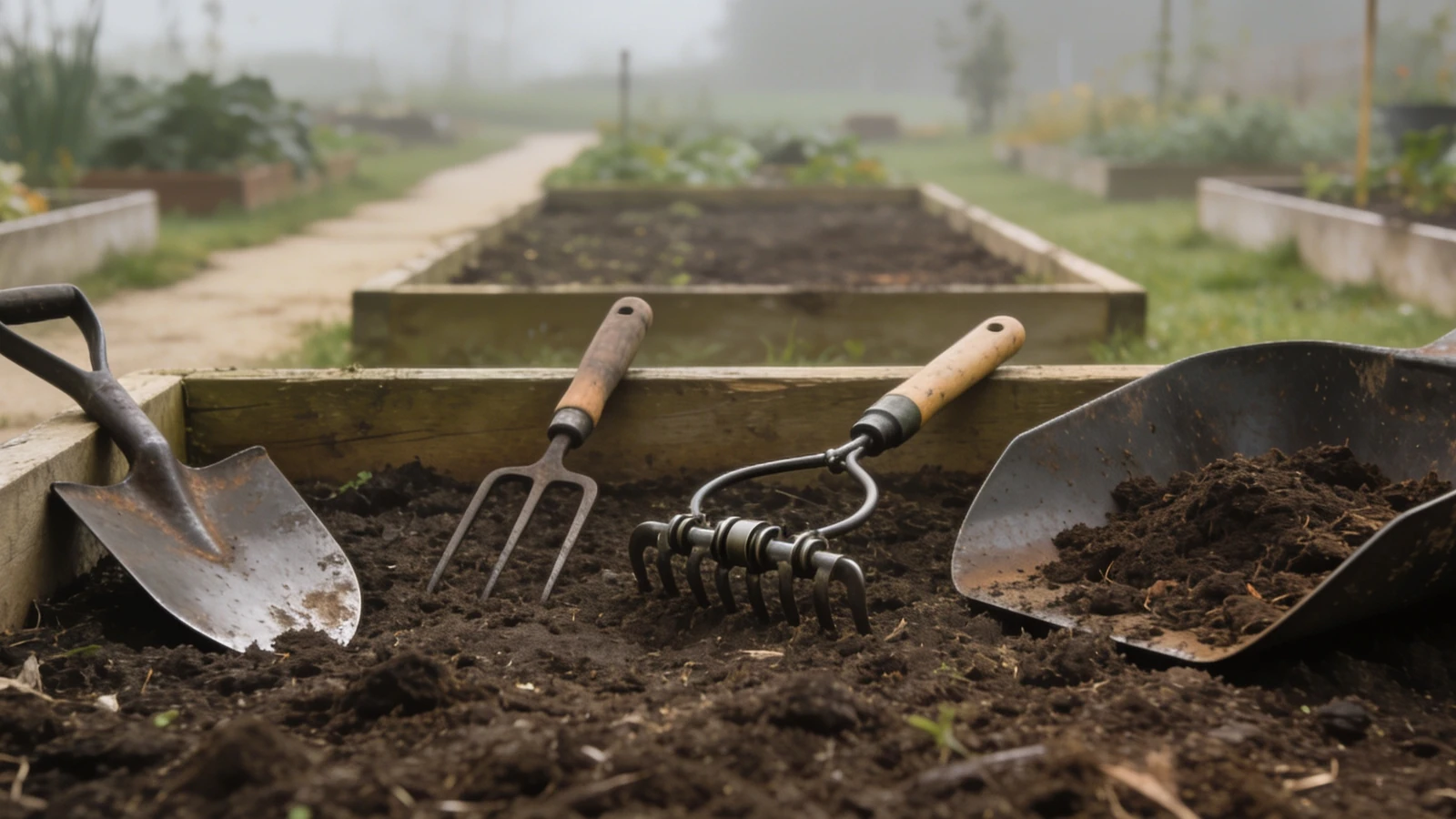
Raised beds need a different tool kit from open ground: shorter handles, no spade, and a few things you would never buy otherwise. Here is the list.
Updated
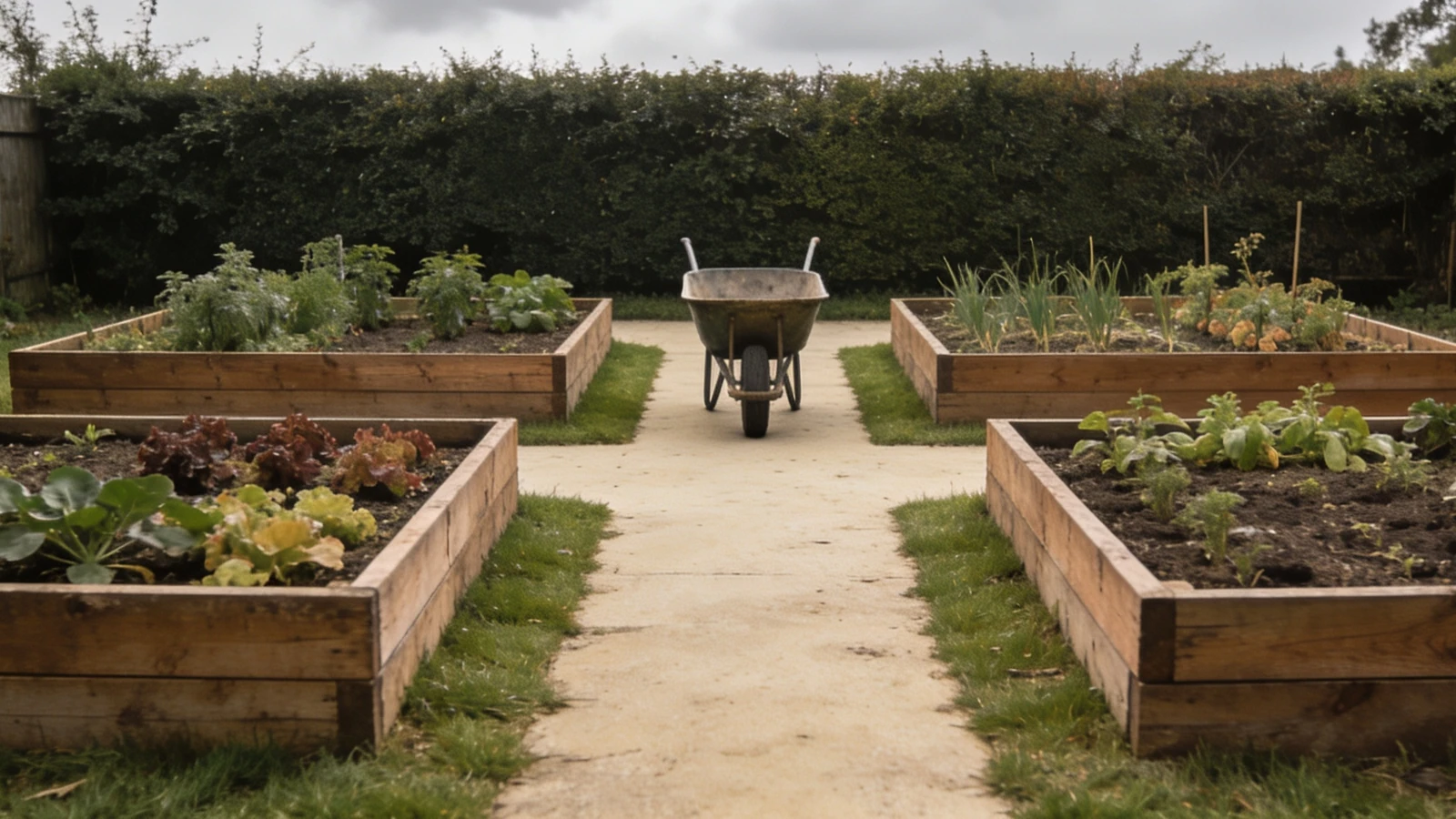
Raised bed layouts with real dimensions, bed widths, path widths, depths and orientation, plus five planting plans for beds of different sizes.
Updated
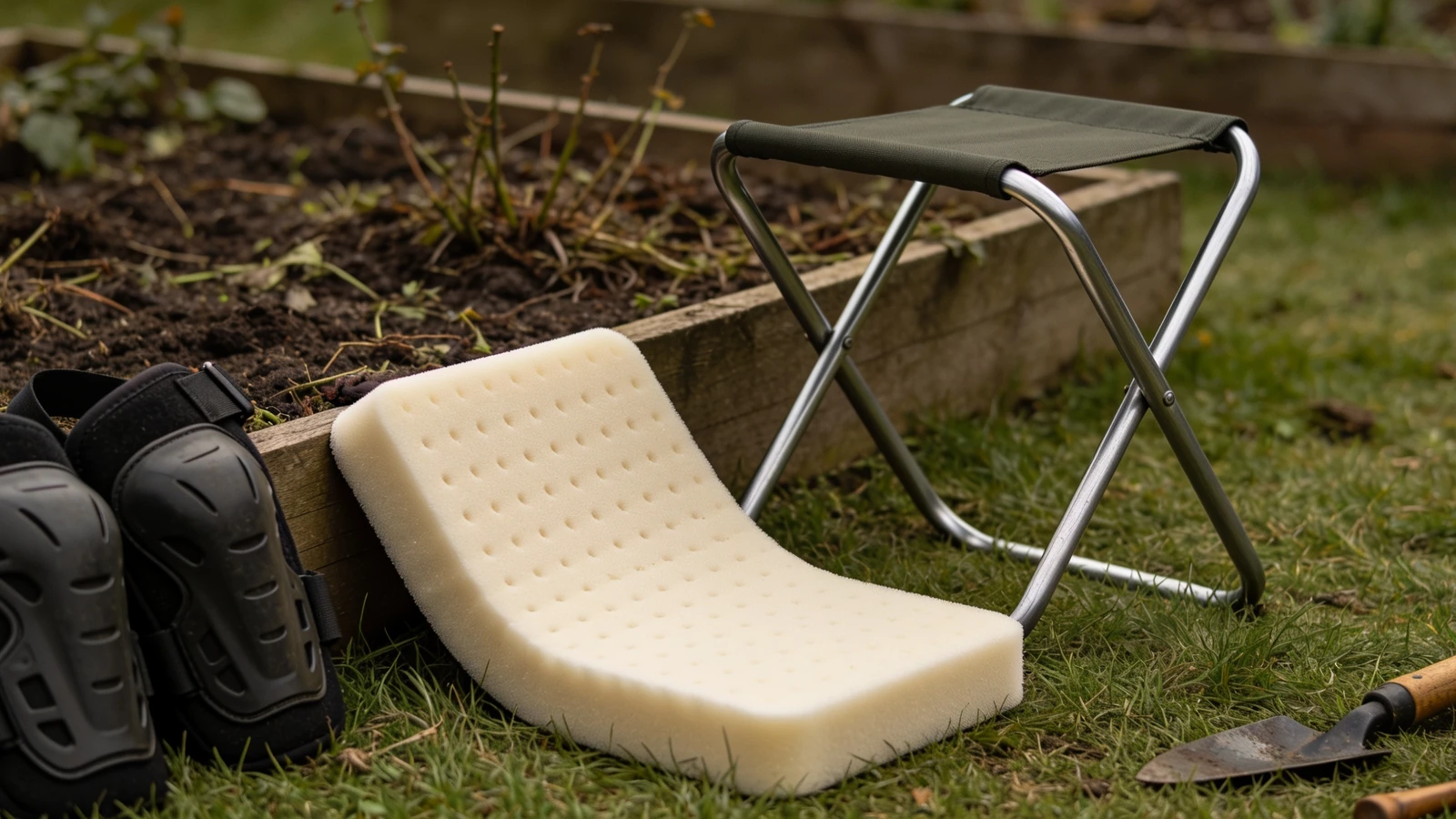
Kneeling pads, kneeler-seats, rolling stools and garden trolleys compared, what each is genuinely good for, and what to check before you buy.
Updated
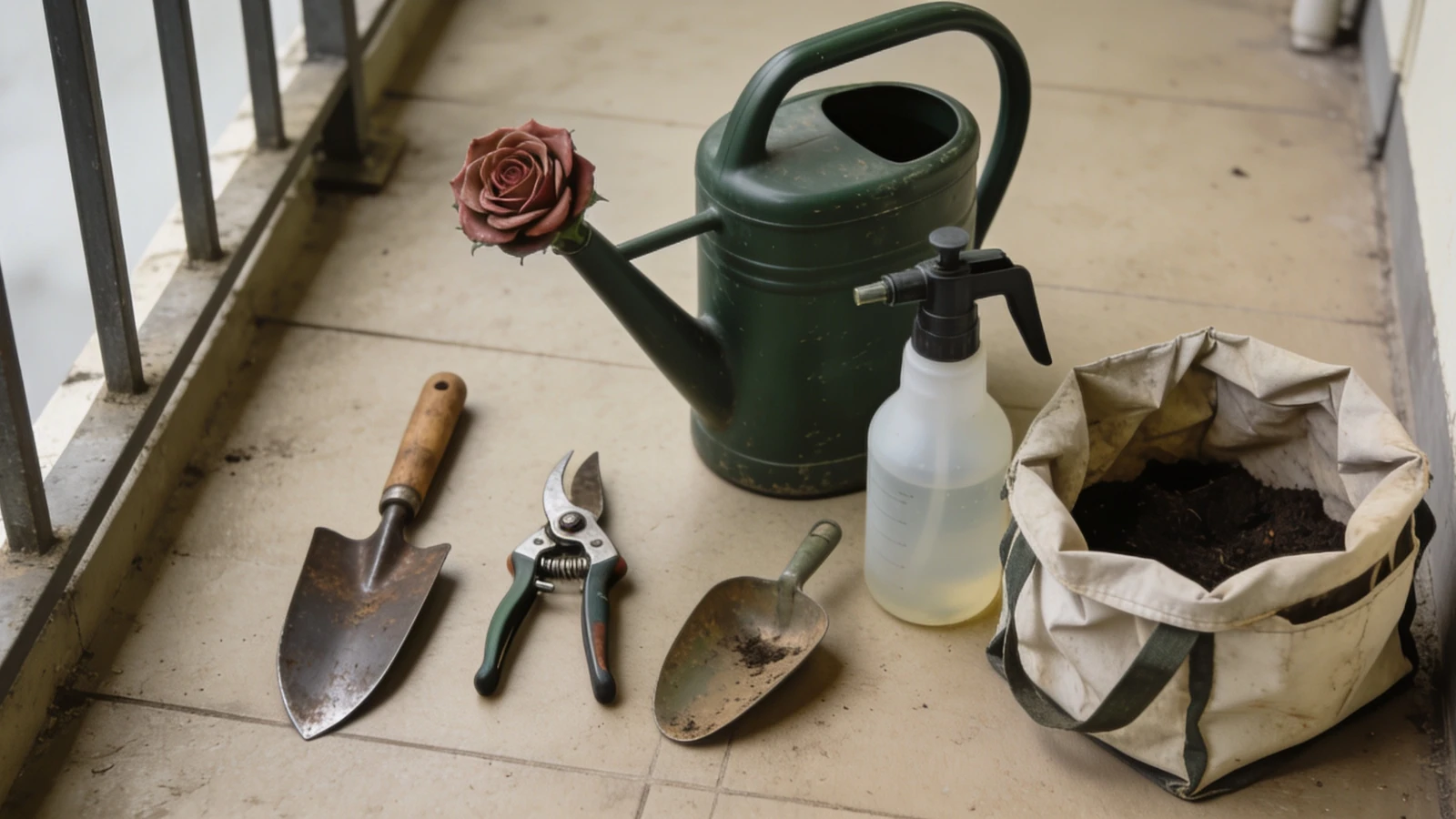
A short, cheap tool kit for container gardening: what you need on a balcony or patio, what to leave out, and how to store it in a metre of space.
Updated
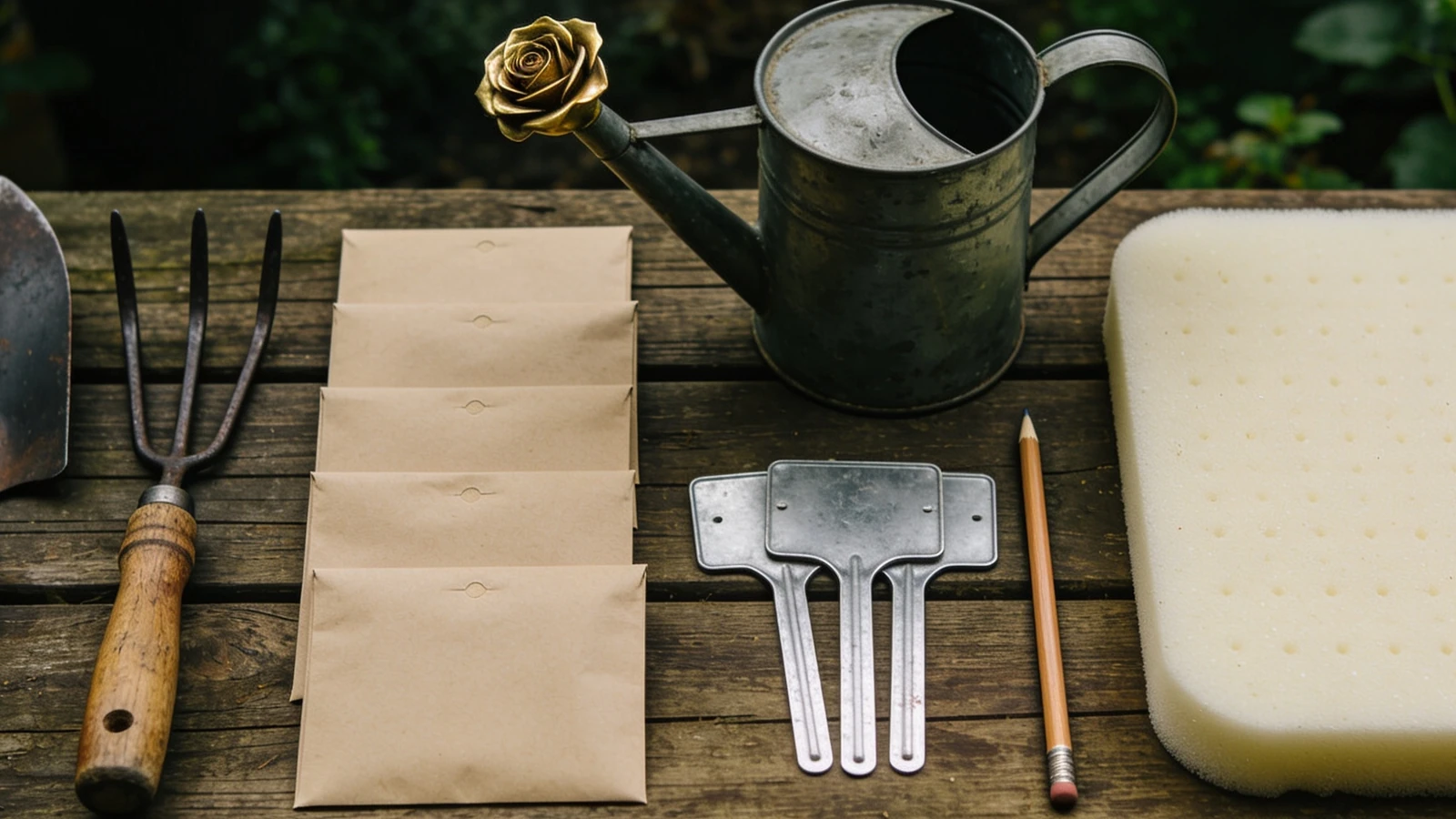
Gifts that make a first-year gardener more likely to keep going: the right five tools, the right seeds, and the presents that get in the way.
Updated
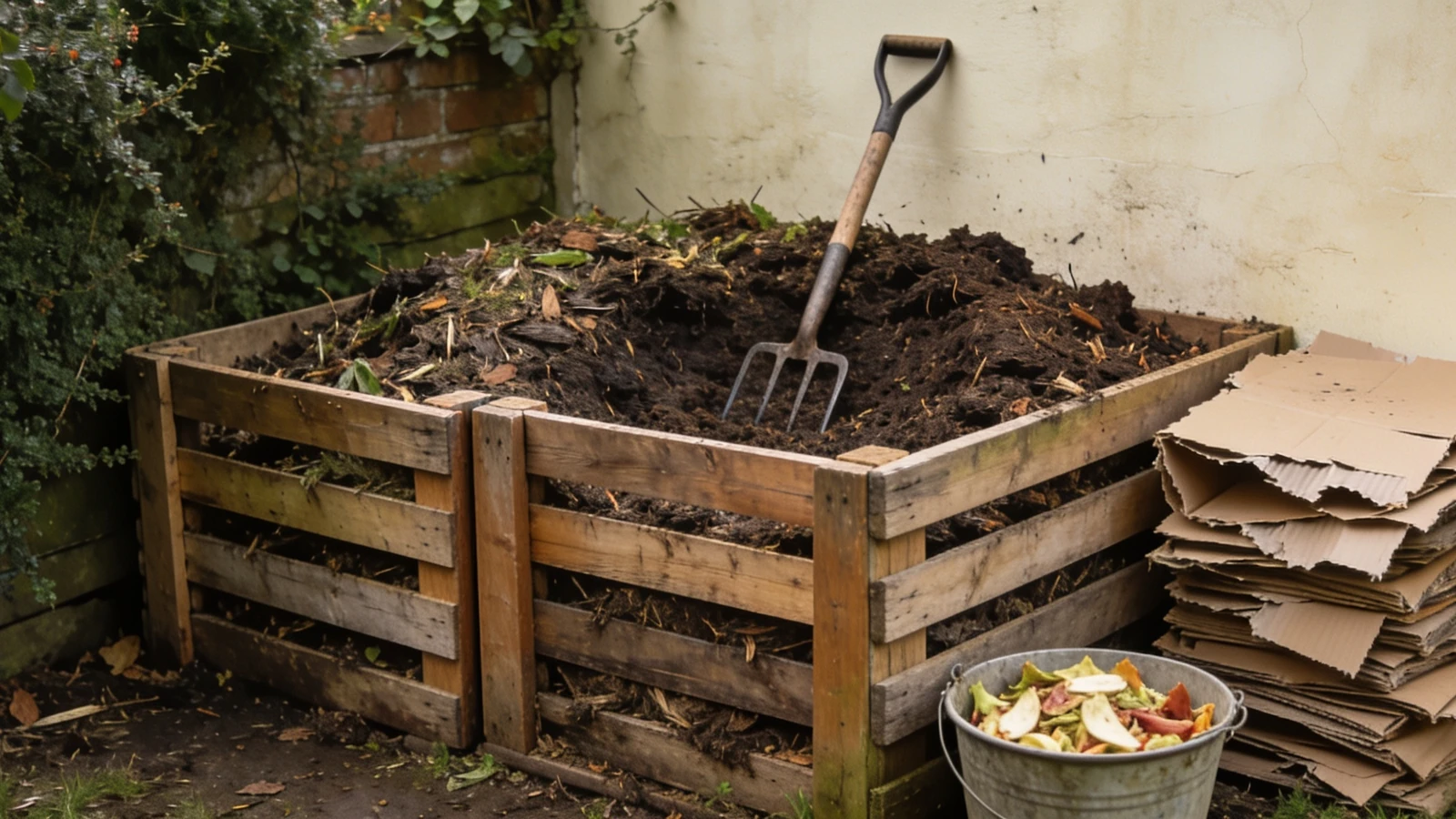
What to put in, what to keep out, and how to fix a compost heap that smells or refuses to rot. A simple two-thirds/one-third rule that works in any bin.
Updated
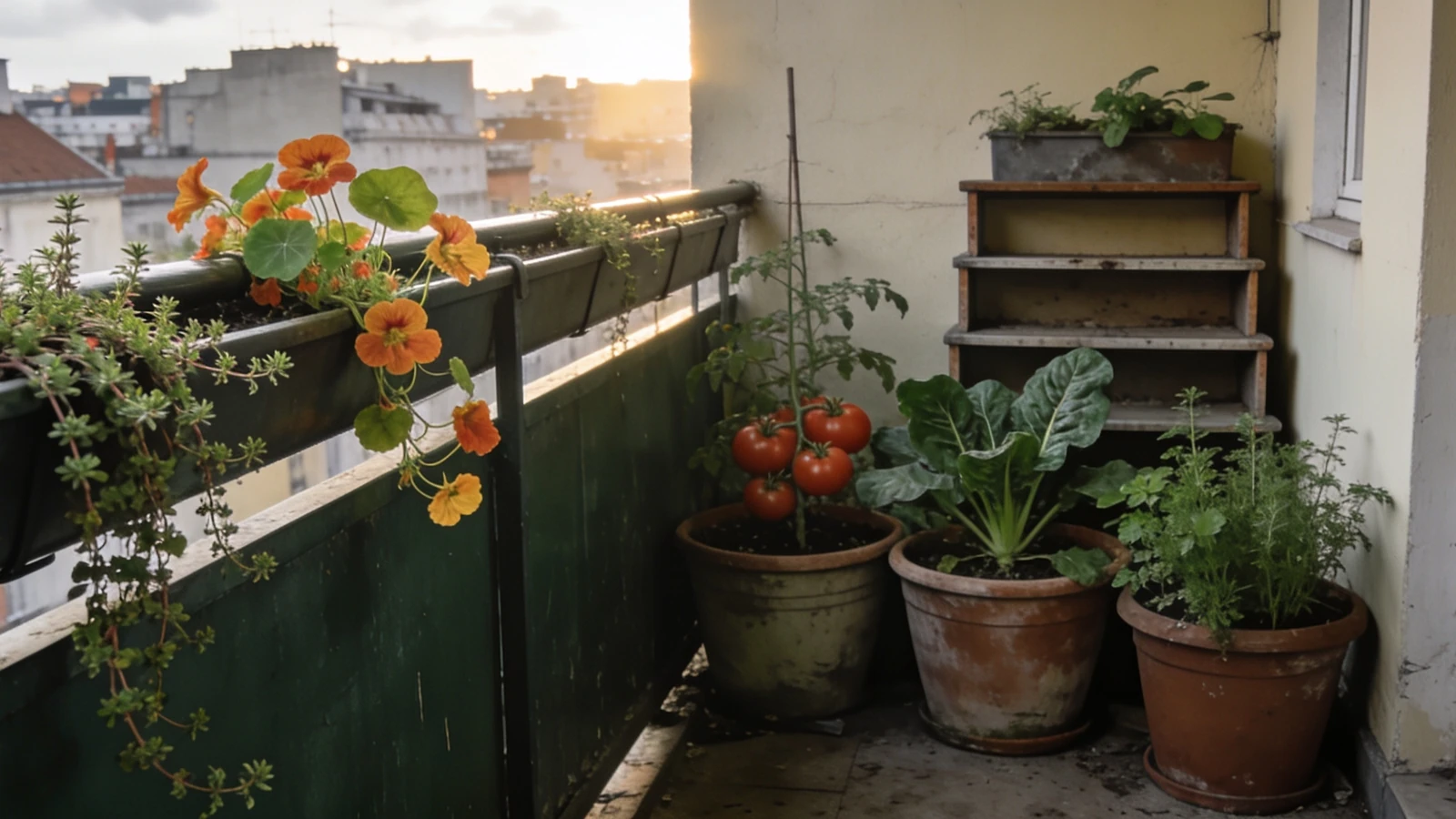
Balcony garden ideas built around the three things that actually limit you, light, wind and weight, with pot sizes, planting plans and what to grow where.
Updated
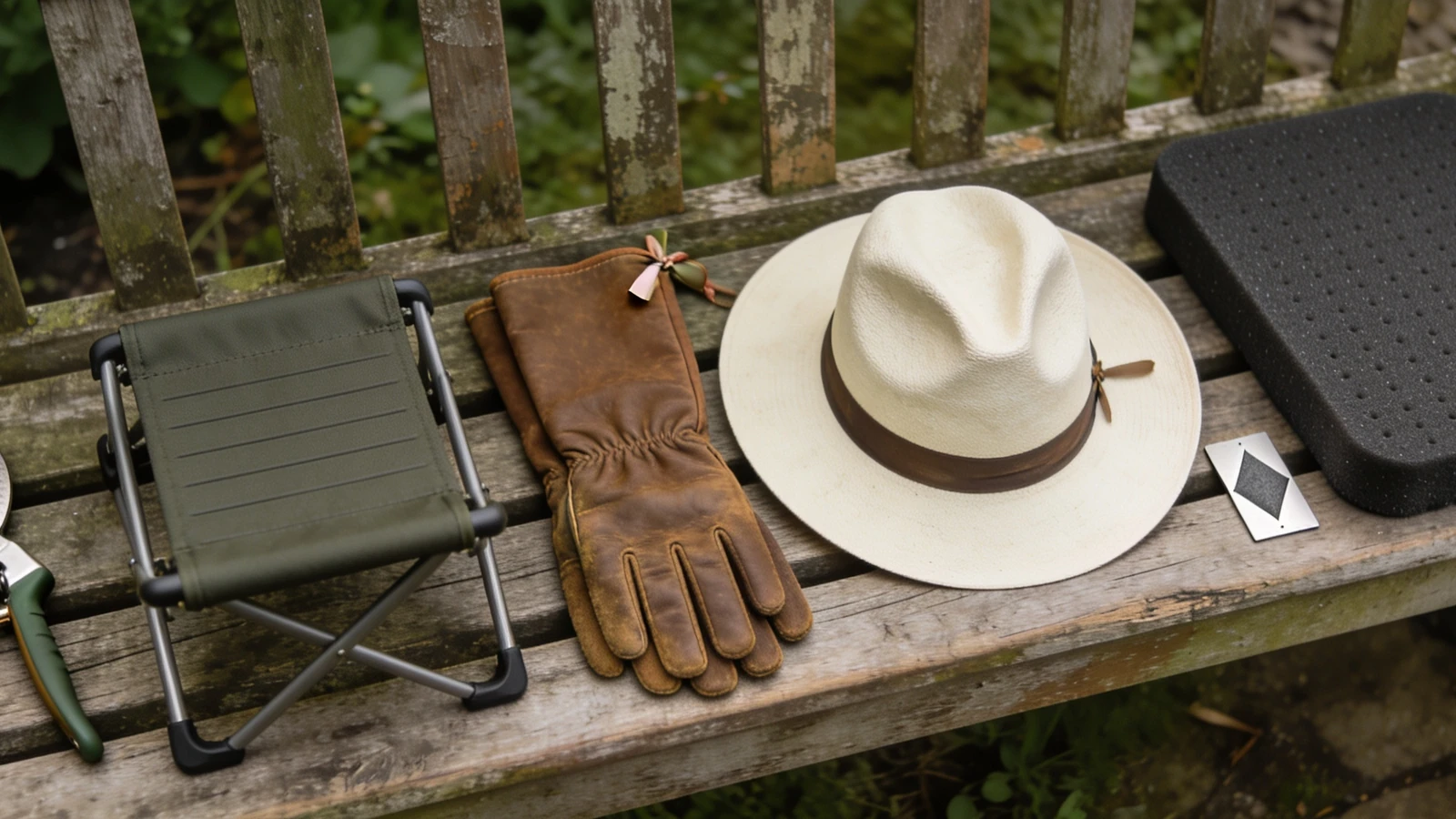
Gardening gifts for mothers who genuinely garden, sorted by budget, with a note on what to check before you order so it does not end up in the shed.
Updated
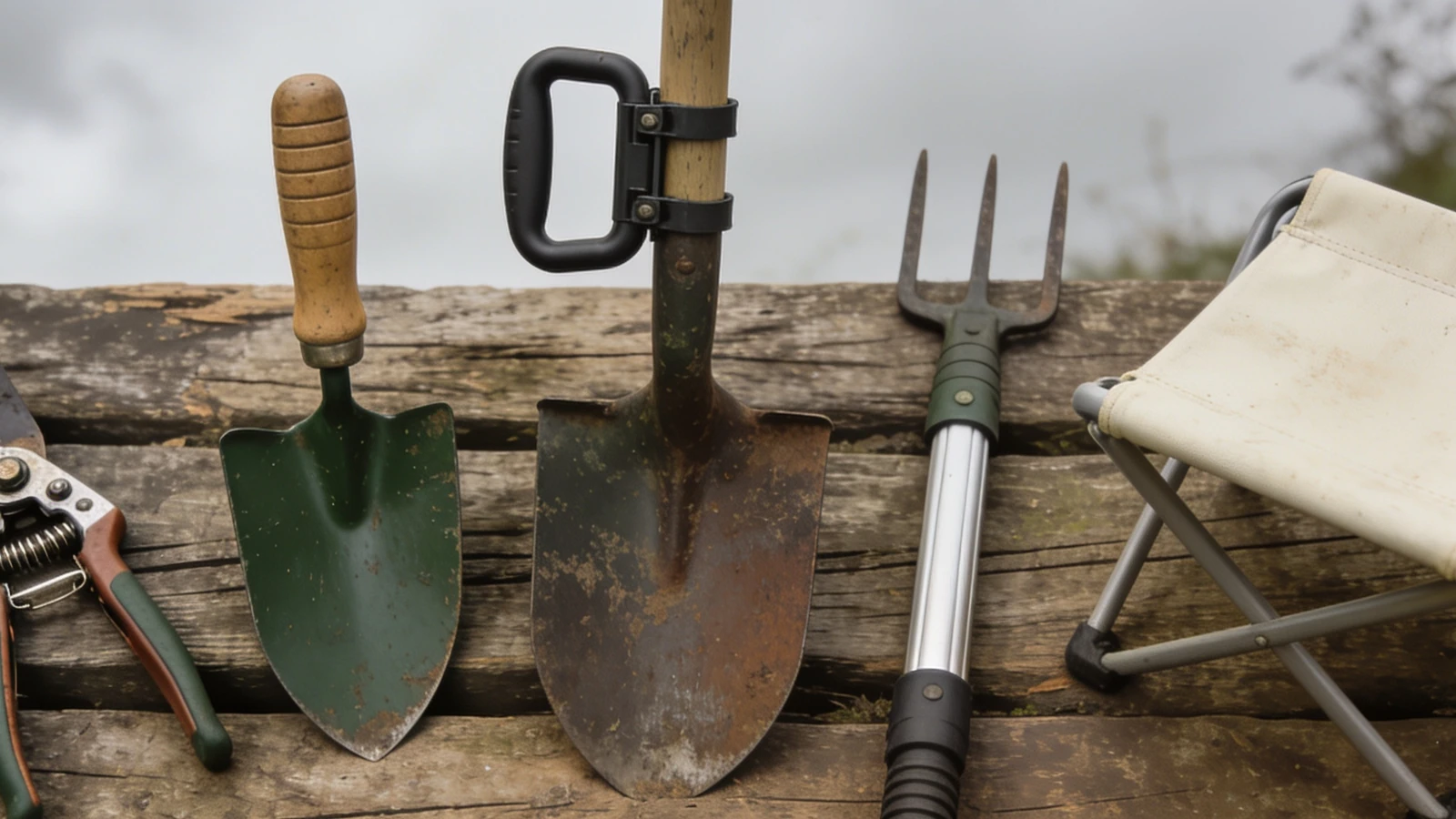
Ergonomic garden tools that reduce grip force, wrist strain and bending, plus the design details that matter more than the word “ergonomic” on the packaging.
Updated
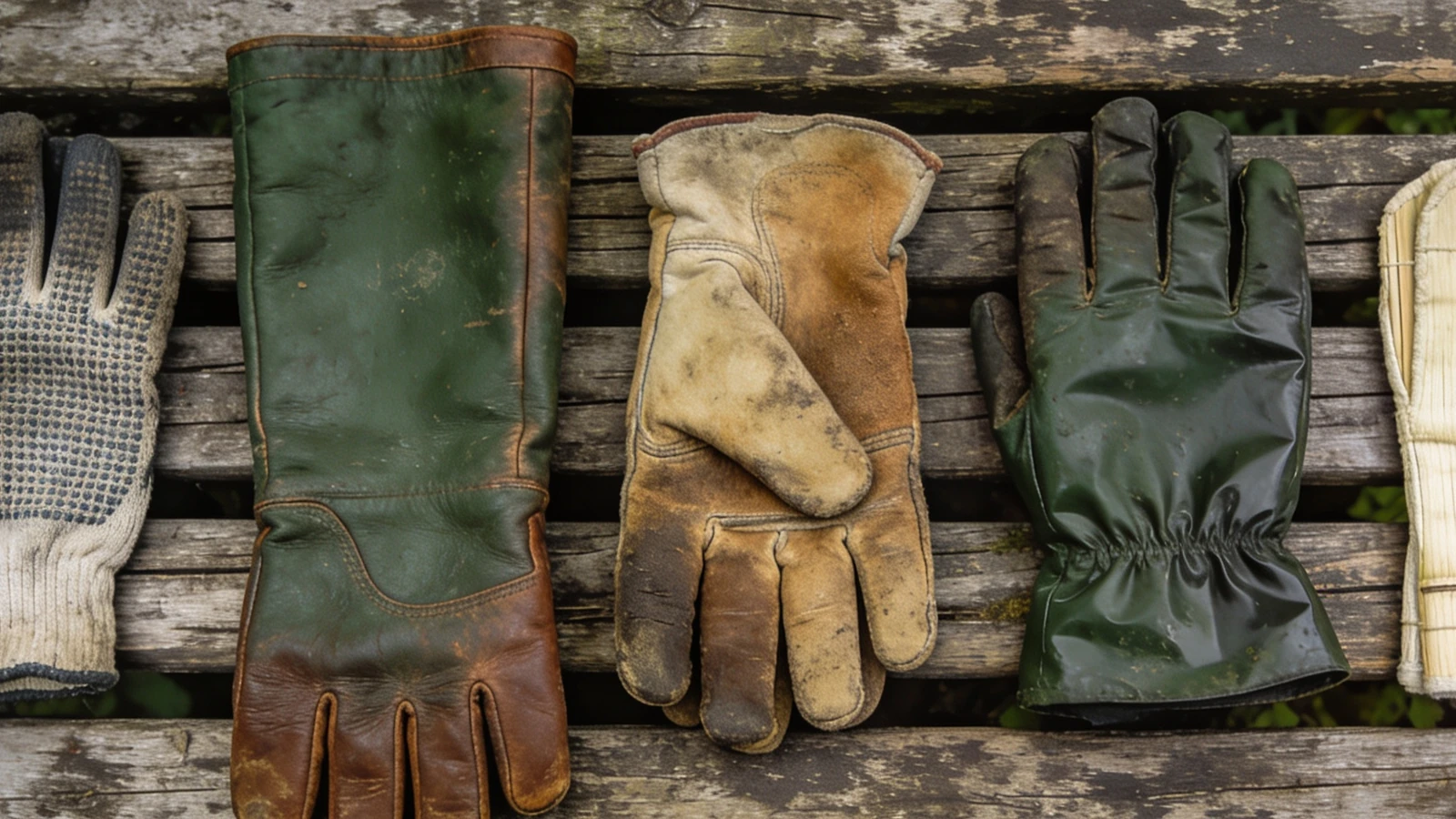
Nitrile, leather or gauntlet: which gardening glove suits which task, how to measure your hand properly, and why one pair for everything never works.
Updated
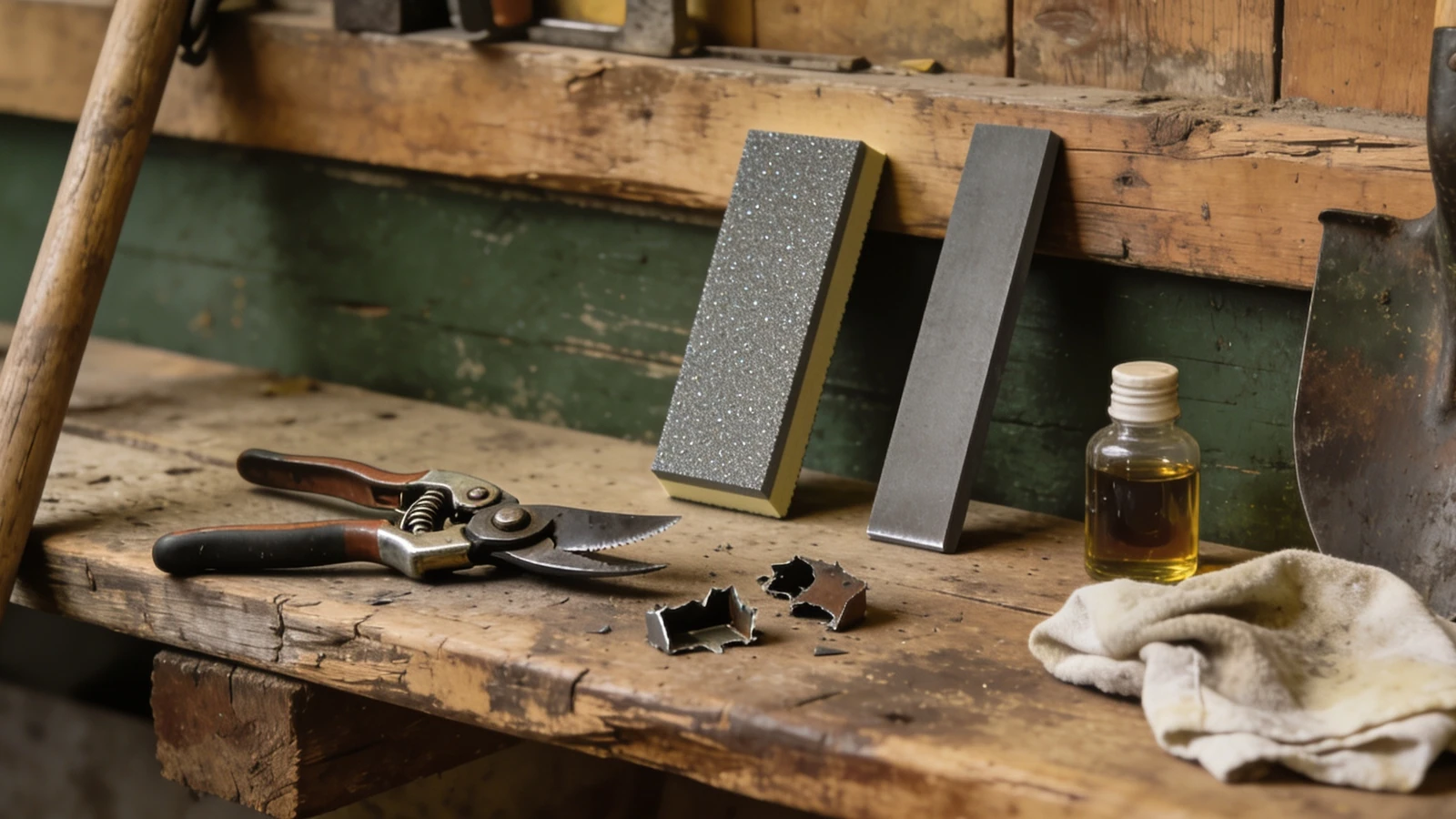
A twenty-minute routine for cleaning, sharpening and oiling secateurs, spades, hoes and shears, the single highest-return maintenance job in gardening.
Updated
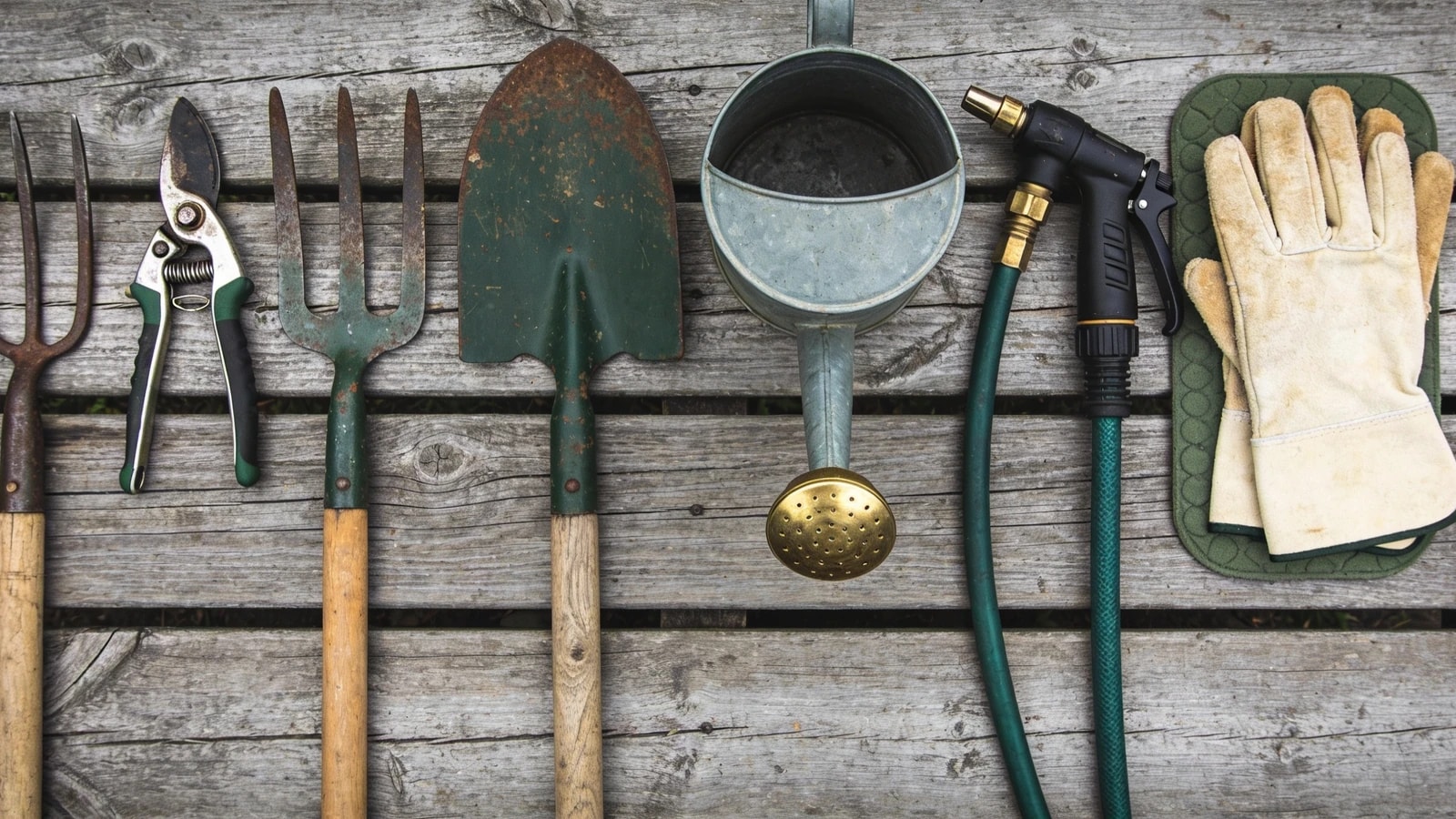
The twelve tools a new gardener genuinely needs, what to look for in each, what to spend, and the eight popular tools you can safely skip in your first year.
Updated
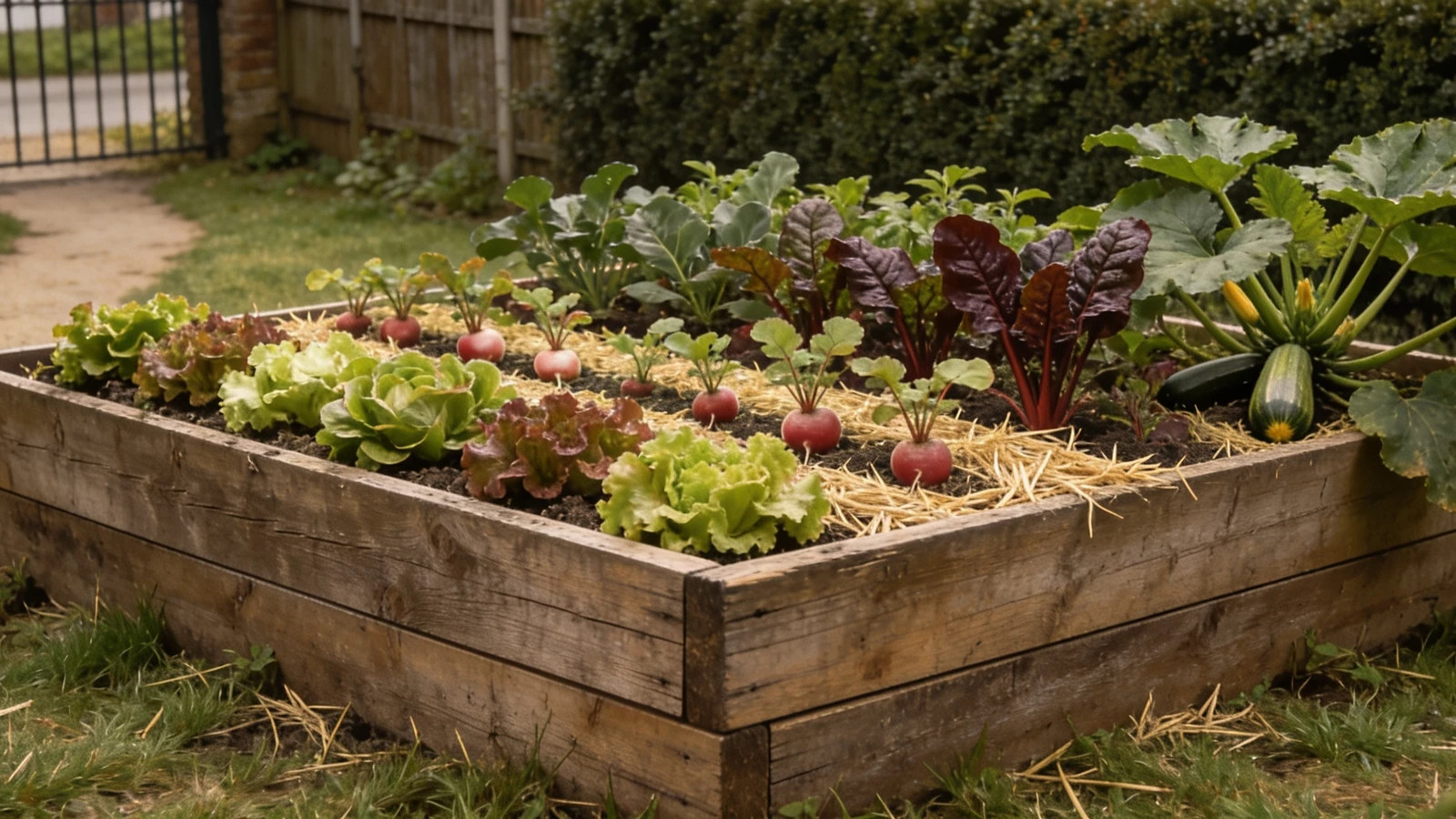
How to start a vegetable garden: pick the spot, build one bed without digging, plant six crops that forgive you. The five mistakes to avoid.
Updated