How to Grow Garlic: Plant in Autumn, Ignore It
How to grow garlic from cloves. Why it needs winter cold, hardneck against softneck, when to cut scapes, and how to dry it so it keeps until spring.
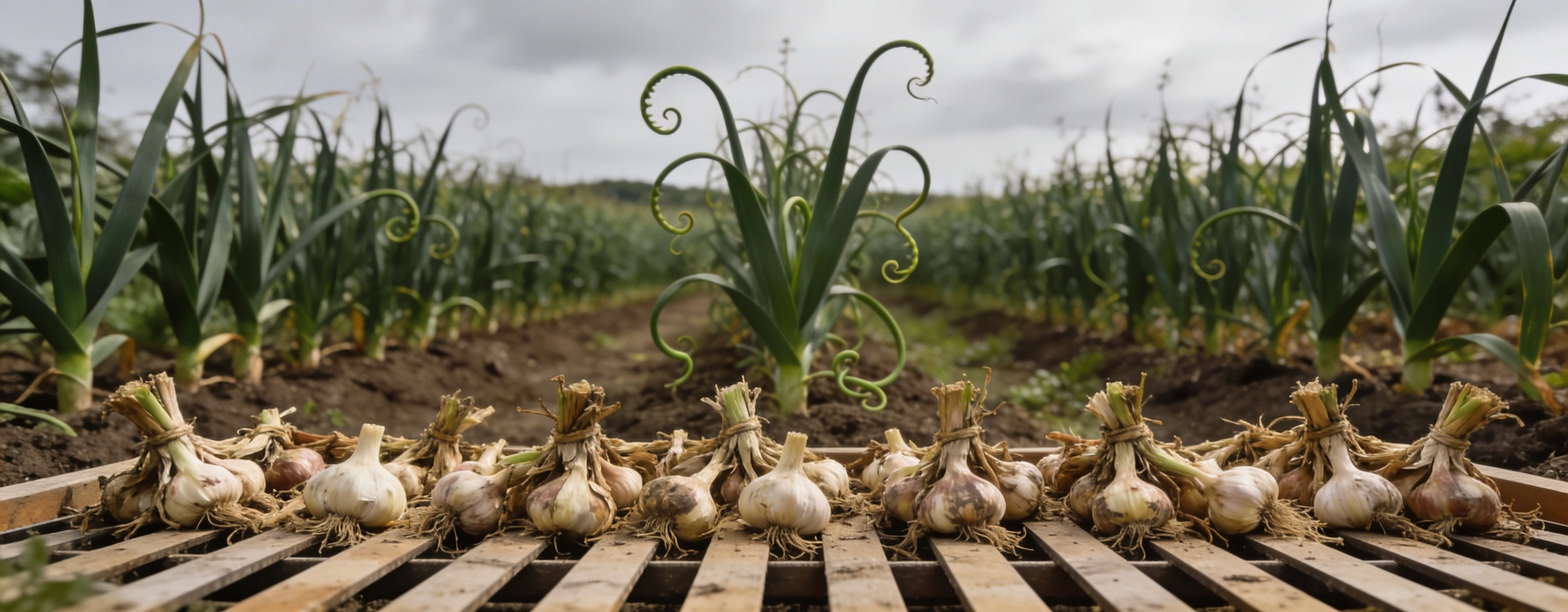
Garlic is the least demanding crop I grow. It goes in when everything else is finishing, it needs almost nothing over winter, and it comes out the following midsummer. The two things that actually matter are planting in autumn rather than spring, because it needs cold to form separate cloves, and lifting it before the wrappers split.
The short answer
Plant cloves in October or November, pointed end up, 5 cm deep and 15 cm apart, because garlic needs a month or more of cold to split into a proper bulb. Use certified seed garlic rather than supermarket bulbs. Cut the scapes off hardneck types when they curl. Lift when a third to half the leaves have yellowed, not when all of them have, then dry it for two to four weeks until the necks are papery.
Why autumn, and why cold#
Garlic is unusual: it needs a cold period to do what you want. Without roughly a month below 10C it tends to produce a single solid round rather than a head of separate cloves.
That round is perfectly edible. It is just not garlic as you meant it.
So autumn planting is not a convention, it is the mechanism. October and November are ideal, while the soil is still warm enough for roots to establish before the cold arrives.
If you miss that window, late winter planting works in mild areas and gives a smaller crop. Some growers give spring-planted cloves a few weeks in the fridge first to fake the cold, which helps and is not as good as autumn.
Hardneck or softneck#
Both are worth growing and they suit different priorities.
- Hardneck
- Sends up a scape. Fewer, larger cloves. Stronger flavour. Better in cold winters. Stores a few months. Easier to peel.
- Softneck
- No scape. More, smaller cloves. Milder. Stores far longer, often into the following summer. The type you plait.
- Elephant garlic
- Not really garlic, closer to a leek. Very large mild cloves. Grown the same way and it does not store as well.
In a cold garden grow hardneck. If you want garlic hanging in the kitchen until next June, grow softneck. I grow both, and the hardneck gets eaten first because it does not keep.
Planting properly#
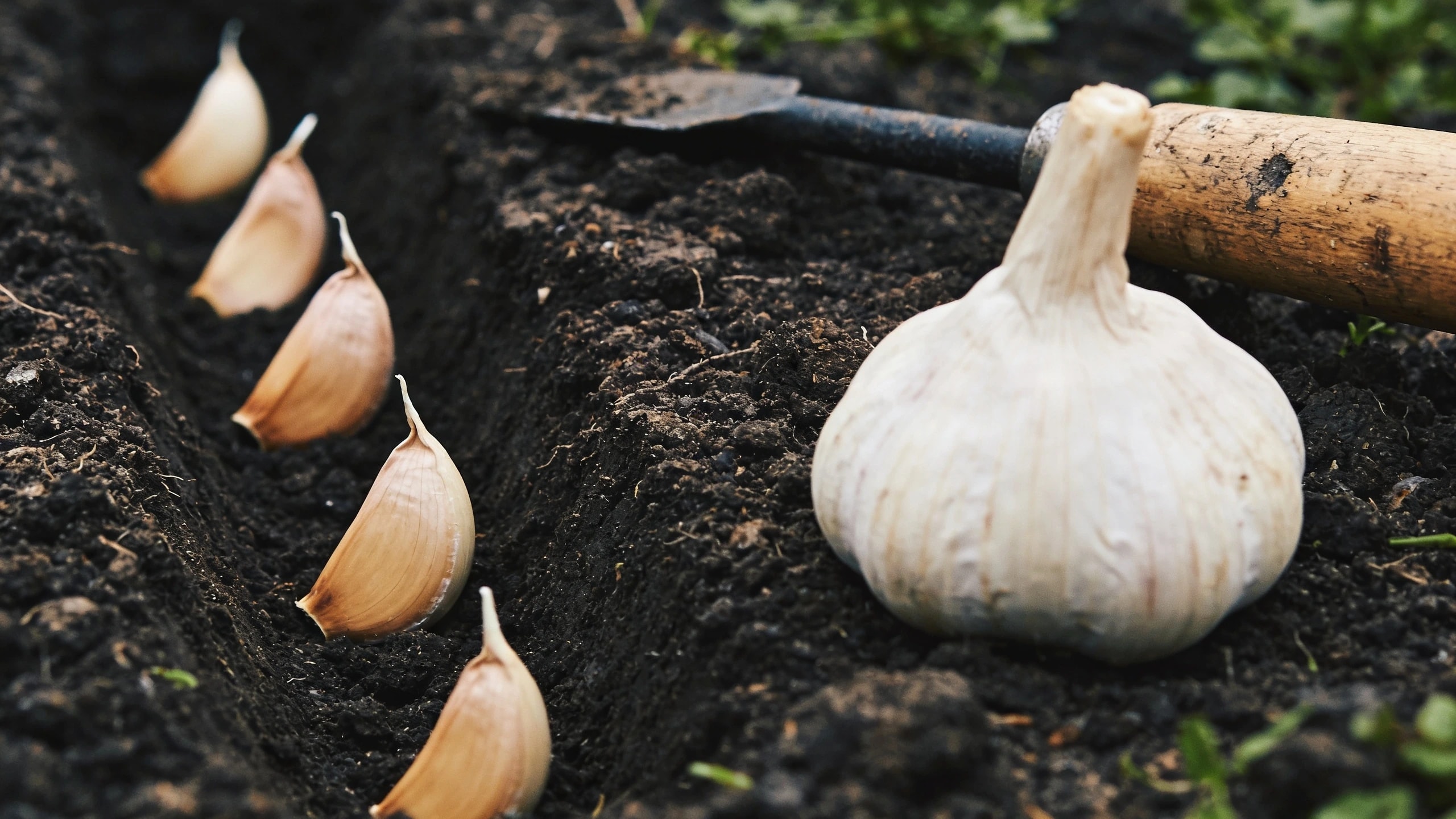
Split the bulb into cloves on the day you plant, not in advance, because separated cloves dry out and start badly.
Plant each clove pointed end up, about 5 cm deep, 15 cm apart, in rows 30 cm apart. Slightly deeper on light soil, slightly shallower on heavy.
Make a hole or a drill and drop the cloves in rather than pushing them into the soil. Pushing compacts the ground directly under the base plate, which is exactly where the roots need to go.
Garlic wants sun and free draining soil. It will rot in a bed that sits waterlogged all winter, which is the one condition it genuinely will not tolerate. On heavy ground plant on a slight ridge or in a raised bed.
Over winter and into spring#
This is the easy part. Garlic needs almost nothing.
Keep the bed weed free, because garlic competes poorly and a weedy bed gives small bulbs. Hand weed rather than hoeing close, since the roots are shallow.
Water only in a genuinely dry spring. Once the bulbs start swelling in late spring, a dry spell costs you size, so that is the point to pay attention. Stop watering a few weeks before harvest to help the wrappers dry.
No feeding needed in decent soil. If your ground is poor, a light nitrogen feed in early spring helps the leaves, and stop by May.
Harvesting at the right moment#
This is where a good crop gets ruined, and the window is narrower than people expect.
Lift when roughly the bottom third to half of the leaves have yellowed, usually midsummer. Each leaf corresponds to a wrapper layer around the bulb, so waiting until all the foliage has died back means the wrappers have already broken down. The bulb splits, the cloves separate, and it will not store.
Lift with a fork, easing the bulb up from below. Do not pull by the leaves, because the neck breaks, and a broken neck is an entry point for rot in storage.
Brush the soil off. Do not wash it, ever.
Drying and storing#
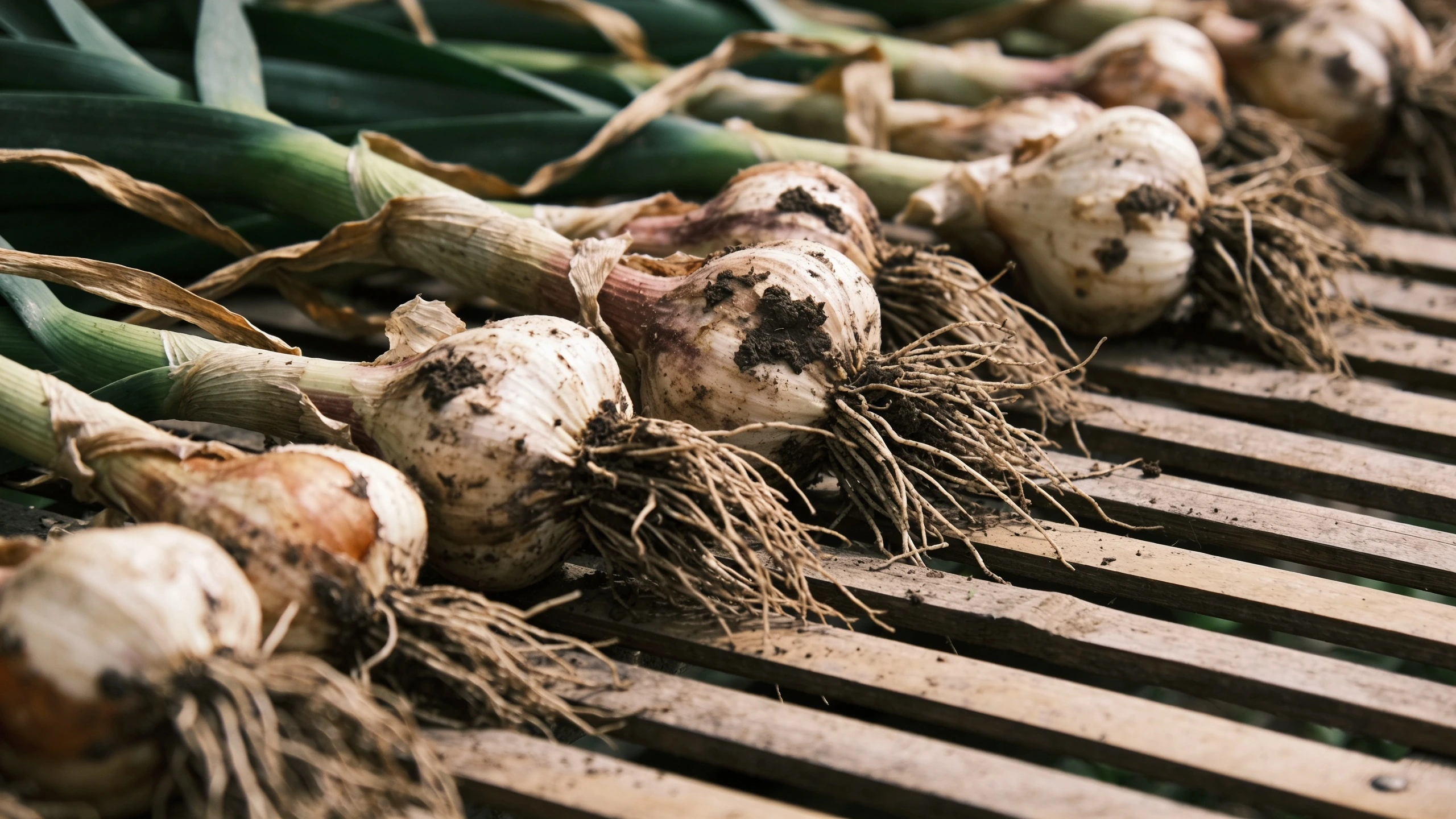
Dry it somewhere airy, dry and out of direct sun for two to four weeks, until the necks are papery and the wrappers rustle. A shed, a porch or a garage with the door open all work. Hanging in bunches or laid on a slatted rack are both fine; the requirement is air movement.
Then trim the roots close. Cut the tops off softneck garlic to about 3 cm, or leave them long if you want to plait it. Store somewhere cool, dry and airy.
Not the fridge. Cold and damp encourages sprouting, which is the opposite of what you want.
Keep back your biggest, healthiest bulbs to replant in the autumn. Garlic saved from your own crop adapts to your conditions over a few years, and it costs nothing.
What can go wrong#
Rust, orange pustules on the leaves in early summer, is common and usually arrives late enough that the crop is largely made. Space plants for air movement, keep the bed weed free, and lift on time.
White rot is the serious one: white fluffy fungus at the base and the plant collapses. It persists in soil for many years. If you get it, do not grow any allium in that ground for a decade, and this is the main reason to use certified seed rather than supermarket bulbs.
Small bulbs are usually weed competition, spring planting, or a dry late spring.
What it costs#
- Certified seed garlic, one bulb
- $3 to $8, and one bulb gives eight to twelve plants. Worth it over supermarket garlic for the disease reason alone.
- Enough for a decent row
- $10 to $25 for two or three bulbs, and after the first year you can save your own.
- Nothing else
- No supports, no feed, no netting, no watering system. This is the cheapest crop on the site.
Where this needs adjusting#
In a mild winter climate, choose varieties bred for low chill or give spring-planted cloves several weeks in the fridge first. Softneck types generally cope better with warmth.
In very cold areas, mulch the bed over winter with straw after planting, and lift the mulch in spring.
On heavy wet clay, plant on a ridge or in a raised bed. Waterlogging over winter is the one thing garlic will not survive.
Where the guidance here comes from#
The autumn planting requirement and the leaf-to-wrapper harvest signal are conventional, and the harvest timing is the one I would most want someone to take away, because it is where a good crop turns into a crop that will not keep. For variety choice, chill requirements and white rot the RHS advice on growing your own is the reference I check, and Garden Organic is good on saving your own seed garlic and on managing allium diseases without chemicals.
The short version#
Certified seed garlic, planted October or November, cloves split on the day, pointed end up, 5 cm deep and 15 cm apart in free draining soil. Keep it weed free and largely ignore it. Cut hardneck scapes when they curl. Lift when a third to half the leaves have yellowed, dry for two to four weeks until papery, and store cool and dry rather than in the fridge.
Related reading#
- October gardening jobs: garlic is one of the three jobs that month genuinely rewards.
- Garden planner: where alliums sit in a rotation, and why that matters for white rot.
- How to start a vegetable garden: fitting an eight month crop into a first year plan.
- Composting for beginners: the soil improvement this crop quietly depends on.
Frequently asked questions
When should I plant garlic?
Autumn, ideally October or November while the soil still holds warmth. Garlic needs a period of cold, roughly a month or more below 10C, to split into a proper bulb of separate cloves. Planted in spring it often produces one solid round instead, which is edible but not what you wanted. Late winter planting works in mild areas if you missed autumn.
What is the difference between hardneck and softneck garlic?
Hardneck sends up a flower stem, the scape, has fewer larger cloves, stronger flavour, better cold tolerance and stores for a few months. Softneck has no scape, more smaller cloves, milder flavour, stores considerably longer and is what you plait. In a cold garden grow hardneck; if you want garlic that keeps until next summer, grow softneck.
Can I plant supermarket garlic?
You can and it often disappoints. Shop garlic is frequently a variety suited to a warmer climate than yours, may be treated to suppress sprouting, and can carry virus or white rot. Certified seed garlic costs a few pounds more, is chosen for your climate and is clean. Given that one planting occupies a bed for eight or nine months, it is worth the difference.
How deep and how far apart do I plant the cloves?
Split the bulb into individual cloves at planting, not before, and plant each one pointed end up about 5 cm deep and 15 cm apart, in rows 30 cm apart. Deeper on light soil, shallower on heavy. Do not push them into the soil, which compacts it under the base plate; make a hole or a drill and drop them in.
What are garlic scapes and should I cut them?
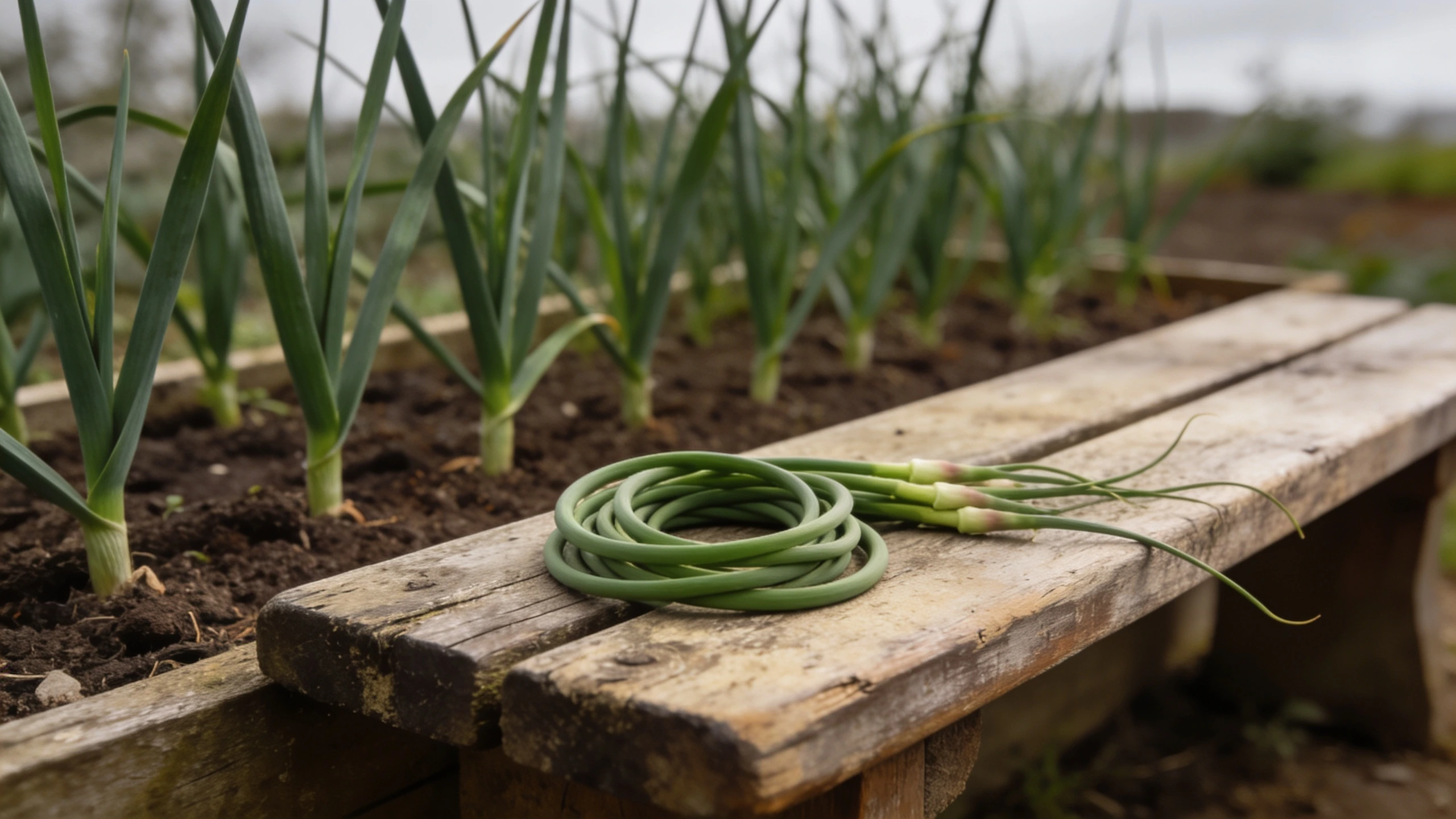
The flower stem hardneck varieties send up in early summer, curling as it grows. Cut it once it curls, because leaving it to flower diverts energy from the bulb and gives a noticeably smaller head. The scapes themselves are excellent food, mild and garlicky, and they are one of the better reasons to grow hardneck varieties.
When is garlic ready to harvest?
When roughly the bottom third to half of the leaves have yellowed, usually midsummer. Do not wait for all the foliage to die back, which is the common error: the bulb wrapper splits, the cloves separate and it will not store. Lift with a fork rather than pulling, because the neck breaks and a broken neck means it will not keep.
How do I dry and store garlic?
Lift it, brush the soil off but do not wash it, and hang or lay it somewhere dry, airy and out of direct sun for two to four weeks until the necks are papery. Then trim the roots, leave the neck on for softneck if you want to plait it, and store somewhere cool and dry with air movement. Not the fridge, which encourages sprouting.
Topics in this article
About the author
Jeff has gardened professionally for over twenty years, mostly on heavy clay, and writes everything here from beds he still works himself. More from Jeff Tanun →
Keep reading
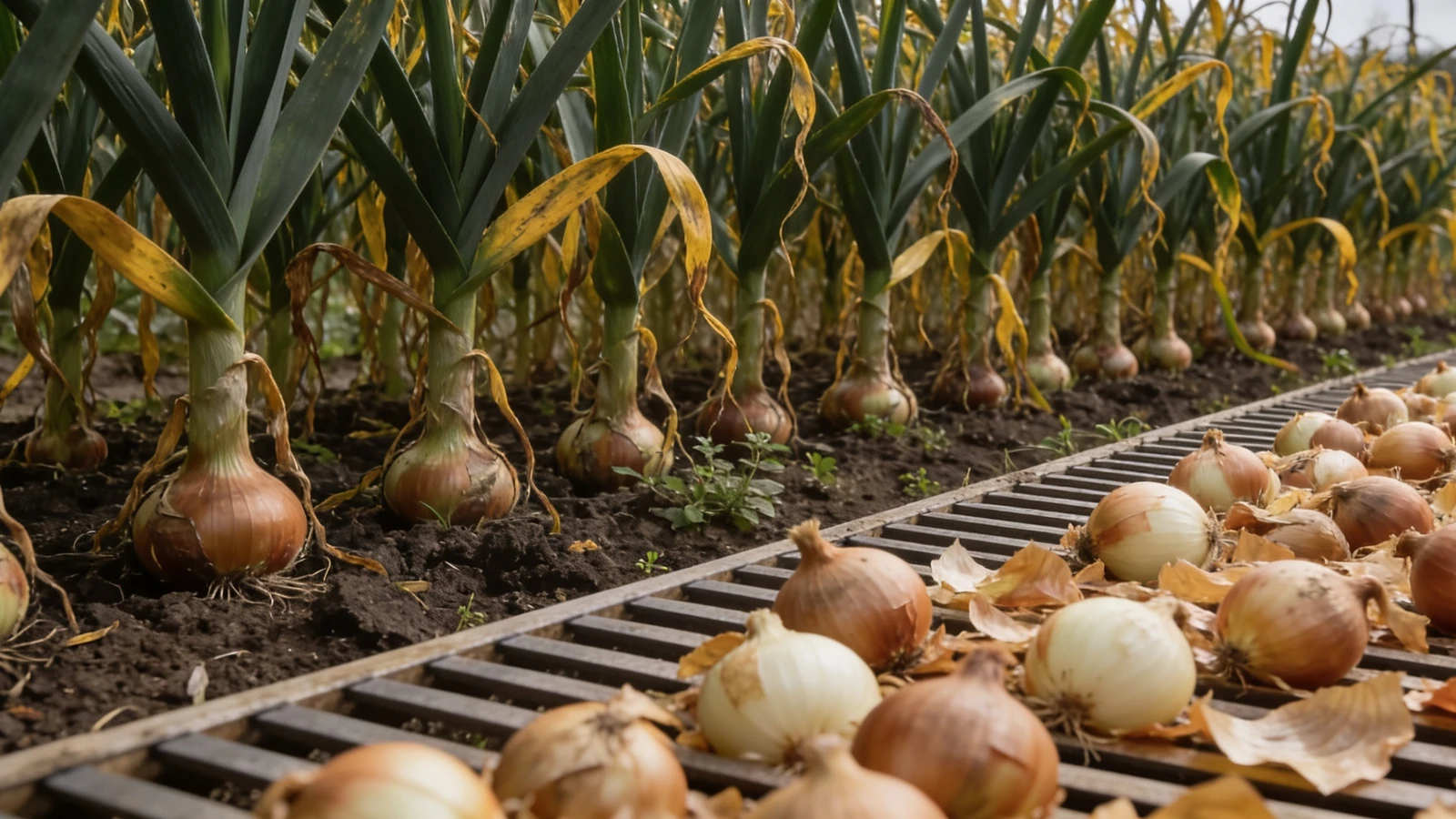
How to Grow Onions
How to grow onions from sets or seed. Autumn against spring planting, why bolting happens, when to stop watering, and how to dry them so they keep to spring.
Updated
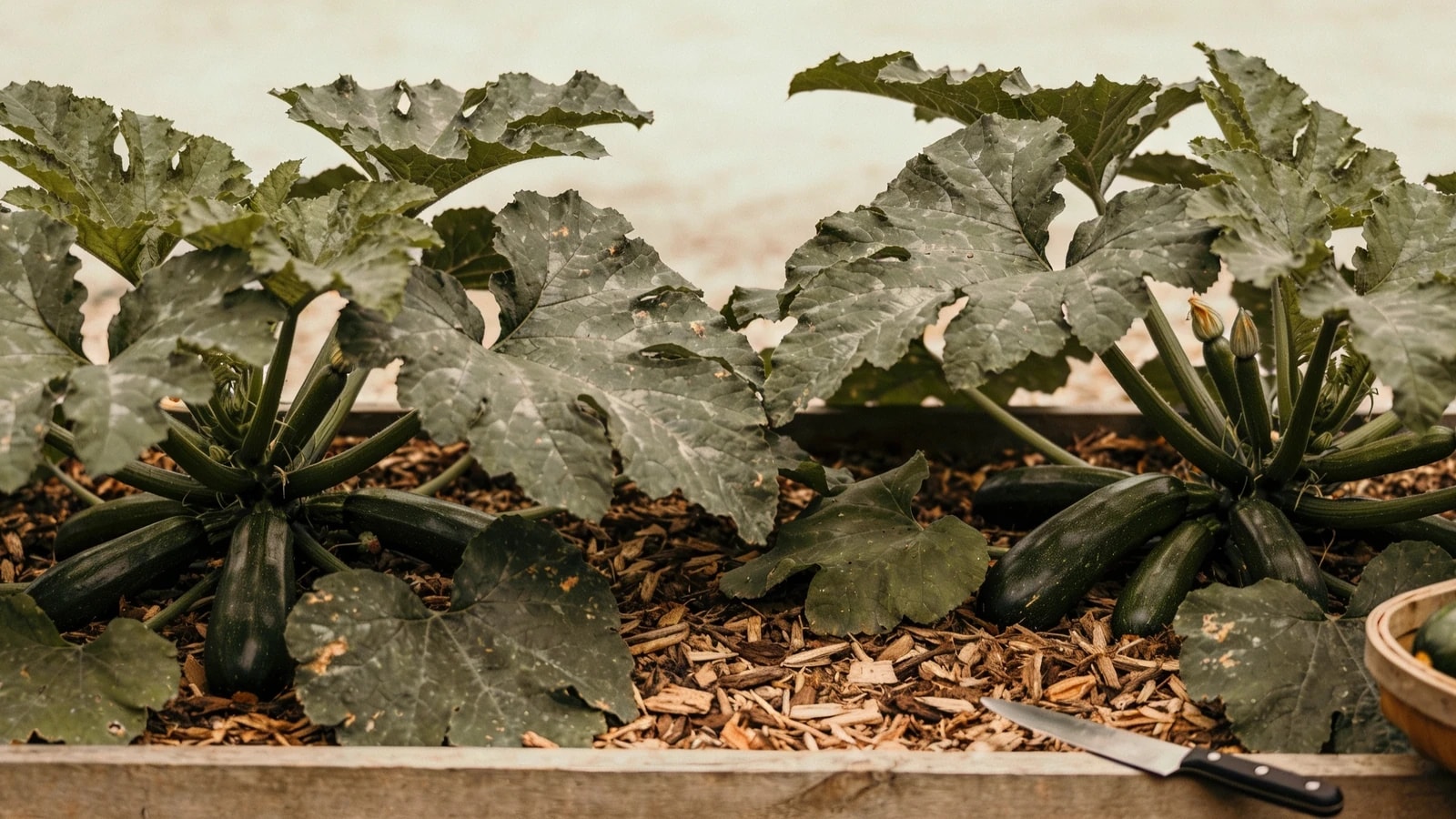
How to Grow Courgettes
How to grow courgettes and zucchini: how many to plant, why the first fruits rot, hand pollination, and picking small enough to keep the plant producing.
Updated
Lawn Care Basics
Lawn care that works with less effort. Why cutting height matters more than feed, how to fix moss and bare patches, and when to stop fighting the grass entirely.
Updated