Composting for Beginners: Get the Ratio Right
What to put in, what to keep out, and how to fix a compost heap that smells or refuses to rot. A simple two-thirds/one-third rule that works in any bin.
Time1 hr
Rough cost$40
You'll need
- Kitchen scraps: vegetable peelings, fruit, coffee grounds, tea
- Garden waste: grass clippings, spent plants, soft prunings
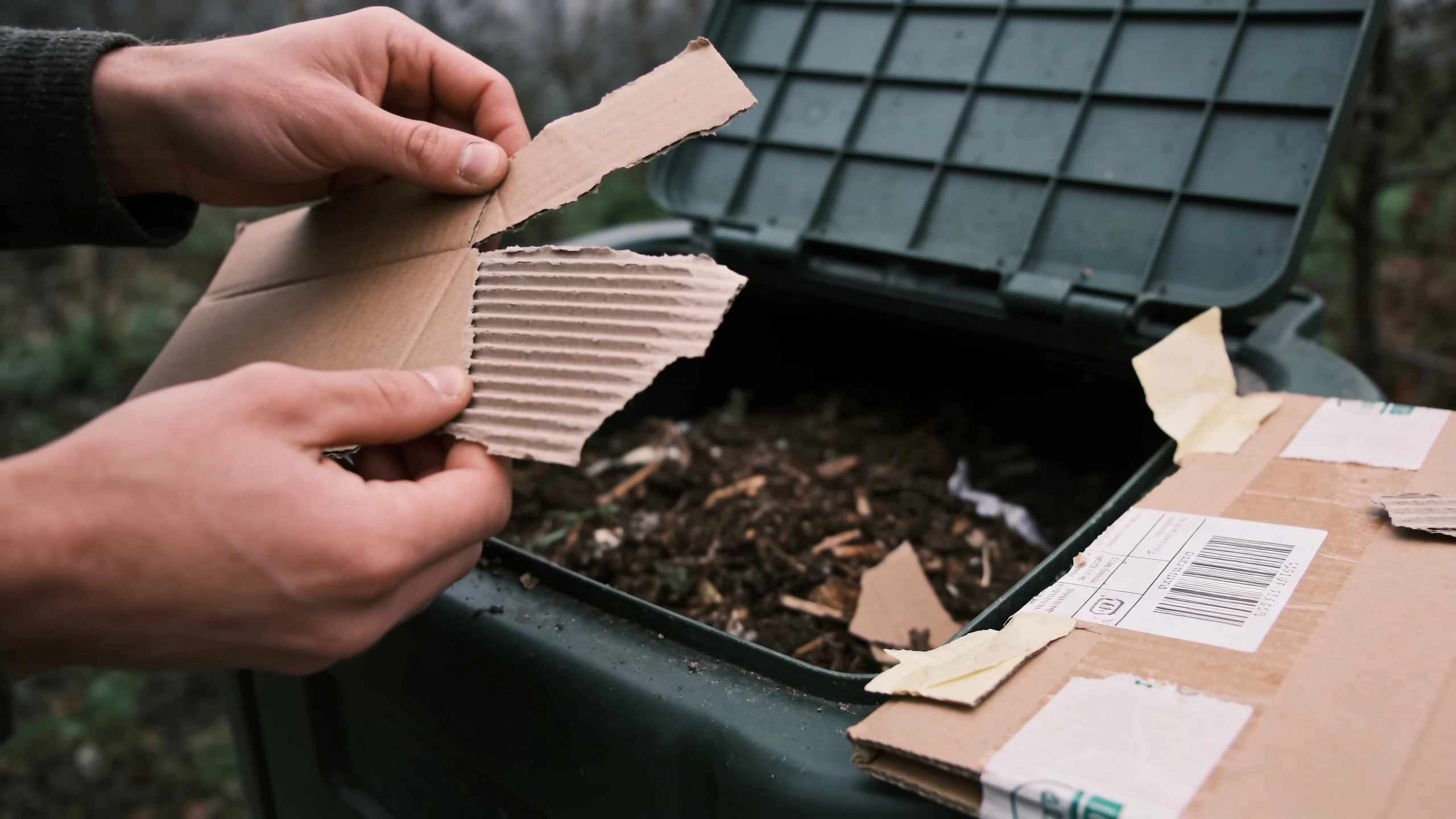
- Browns: cardboard, dry leaves, straw, shredded paper
- A handful of finished compost or garden soil as a starter
Tools
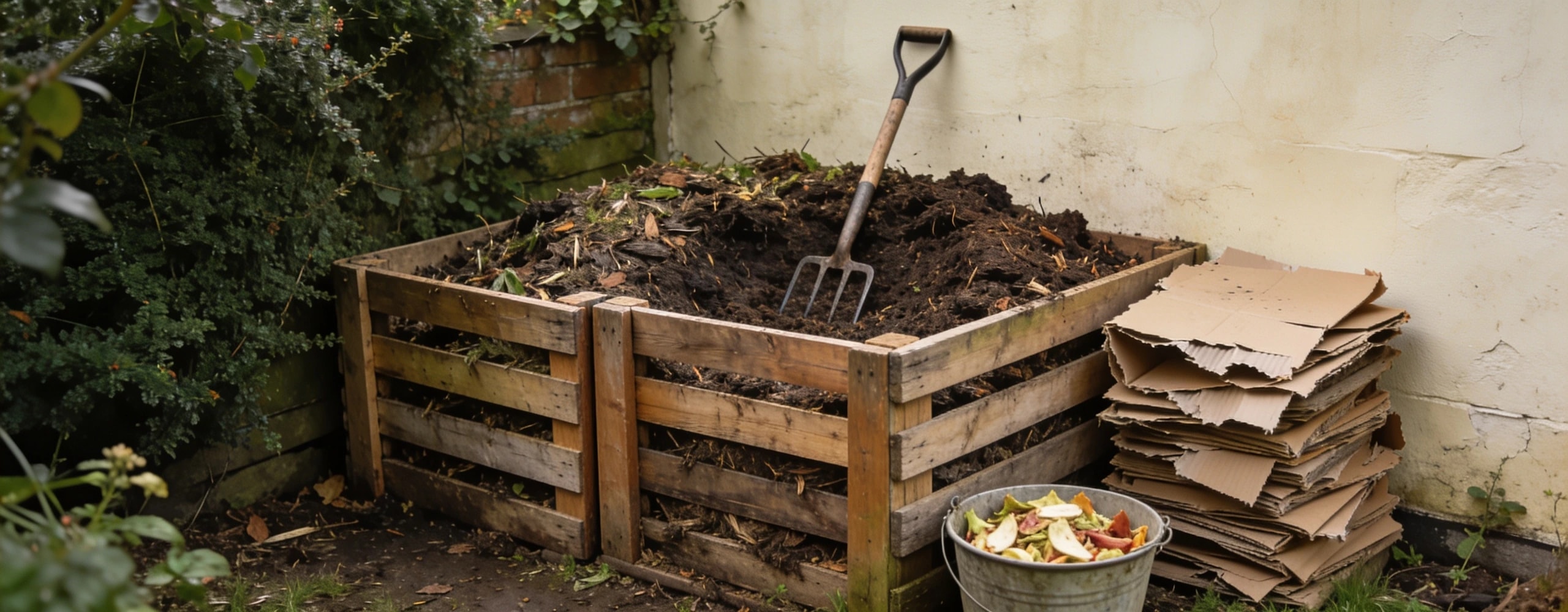
- Compost bin or three pallets
- Garden fork
- Secateurs or shears for chopping material
Composting for beginners sounds technical and is not. Compost is the closest thing gardening has to free money. It improves drainage in clay and water retention in sand, feeds soil life, and replaces most of what you would otherwise buy in bags. And the process is genuinely hard to break, organic matter rots whether you help or not. All you are really doing is deciding whether it takes three months or two years, and whether it smells.
The short answer
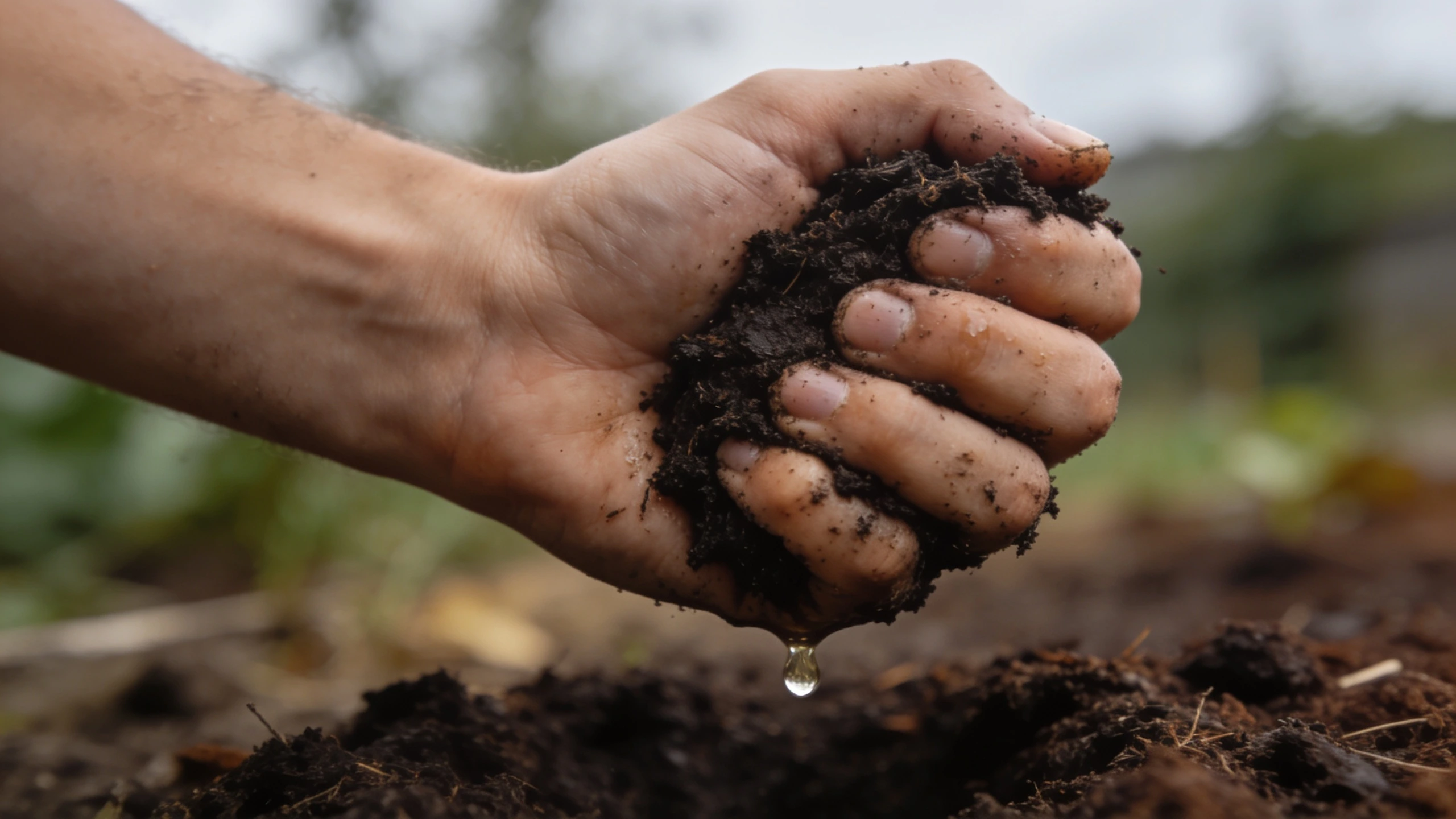
Aim for roughly two-thirds dry browns (cardboard, dead leaves, straw) to one-third wet greens (kitchen scraps, grass, fresh weeds) by volume, keep it as damp as a wrung-out sponge, chop anything thicker than a pencil, and turn it every month or so. If it smells, add browns and air. If nothing is happening, add greens and water.
Composting for beginners starts with one ratio#
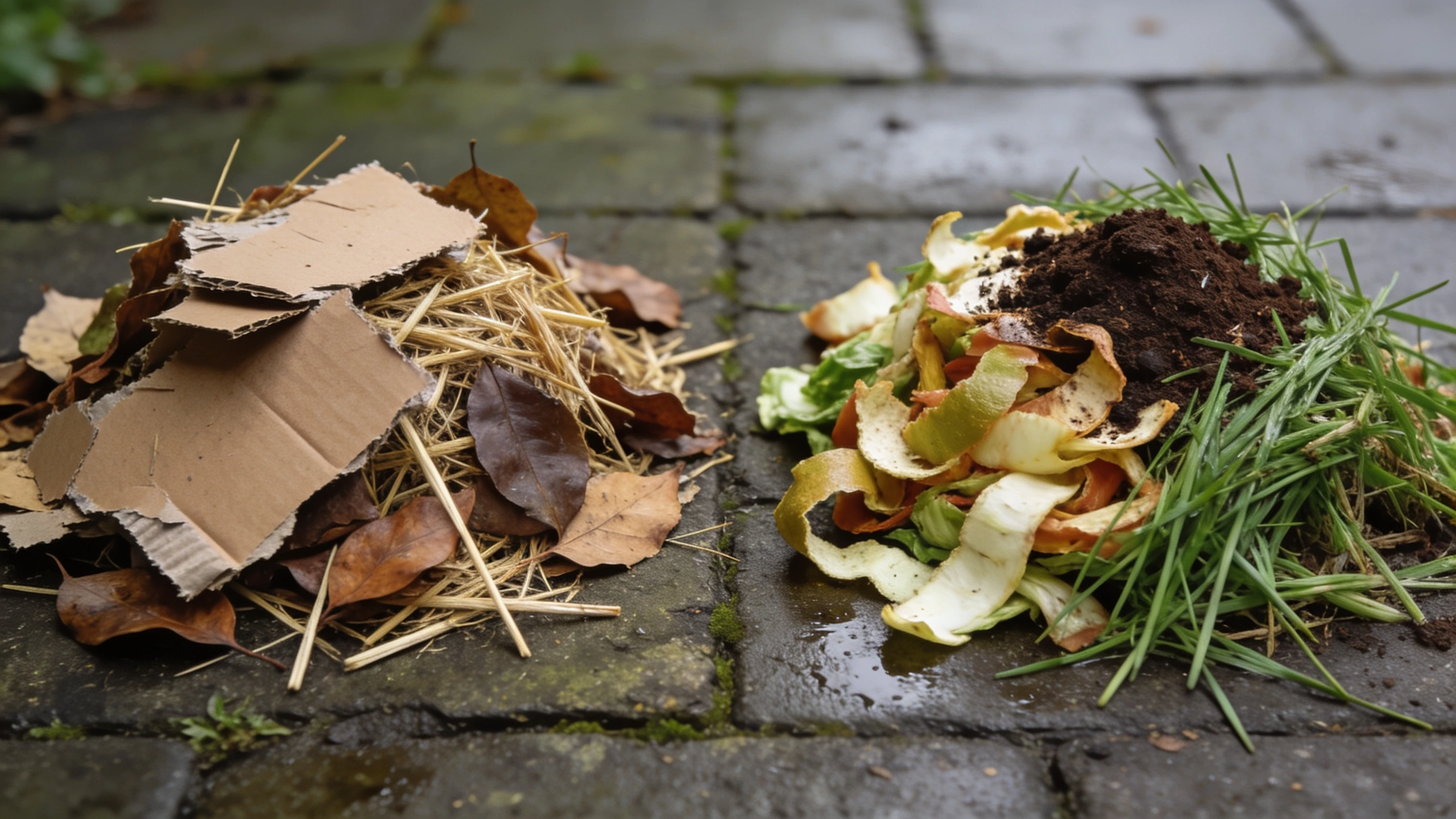
Composting microbes need carbon for energy and nitrogen to build cells. Get the balance roughly right and they multiply, heat the heap and work fast. Get it wrong and you either starve them or drown them.
| Browns (carbon) | Greens (nitrogen) | |
|---|---|---|
| What they are | Dry, dead, structural | Wet, fresh, soft |
| Examples | Cardboard, shredded paper, dead leaves, straw, woodchip, egg boxes | Vegetable peelings, fruit, grass clippings, coffee grounds, soft weeds, spent bedding plants |
| Too many causes | A dry heap that does nothing for years | A slimy, smelly, anaerobic mess |
| Target | About two-thirds by volume | About one-third by volume |
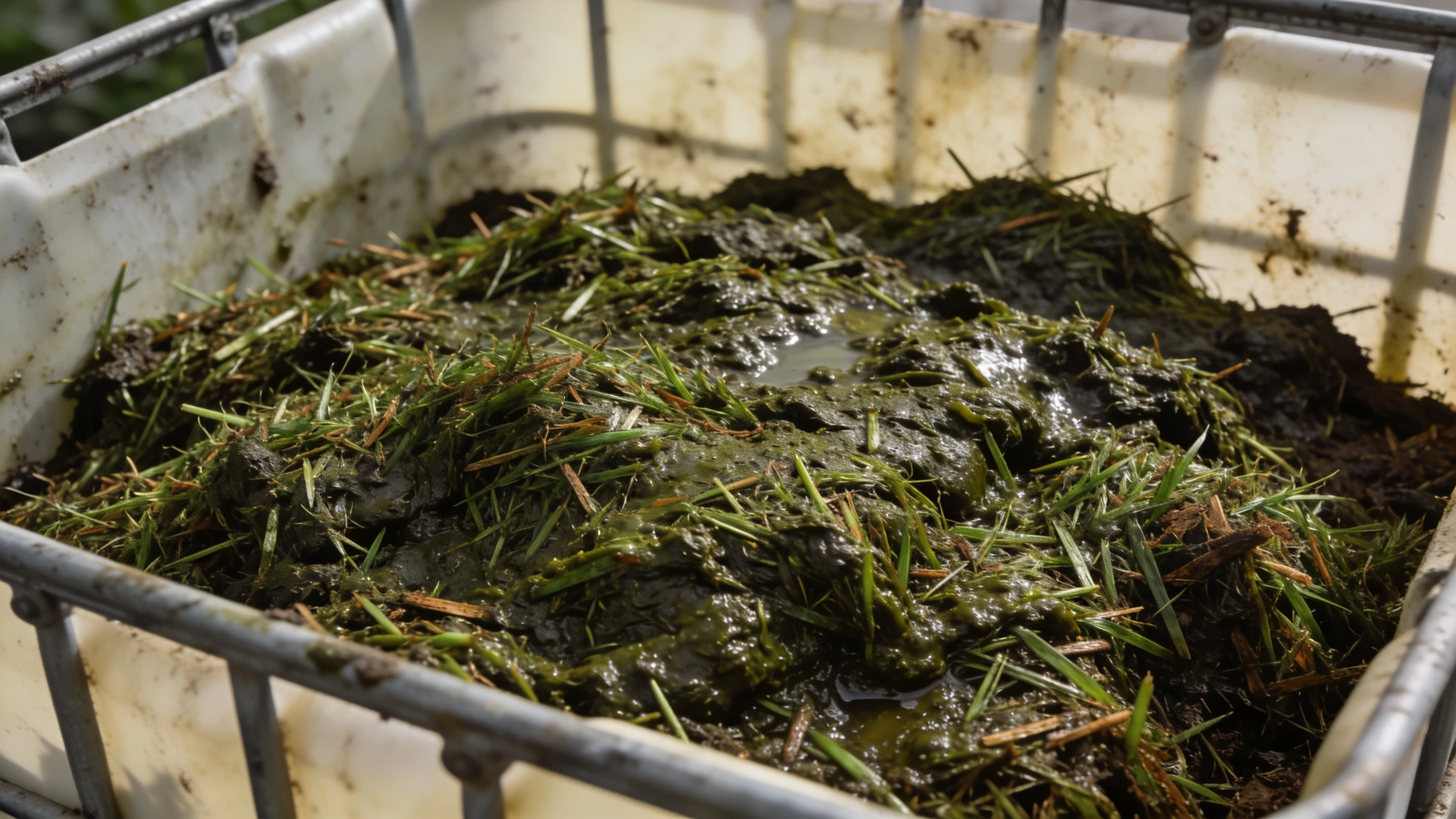
The single most common failure is a bin filled entirely with kitchen scraps and grass. That is 100% greens. It becomes a sour, airless sludge within a fortnight. Keeping a bag of torn-up cardboard next to the bin and throwing in a couple of handfuls every time you add food waste fixes it permanently.
What to put in#
Yes, freely:
- Vegetable and fruit peelings, cores, skins
- Coffee grounds, paper filters, tea leaves (check tea bags, many contain plastic)
- Crushed eggshells (slow, but they do go)
- Grass clippings, in thin layers mixed with browns
- Soft prunings and spent annual plants
- Dead leaves, in quantity: or stack them separately for leaf mould
- Cardboard, paper, egg boxes, toilet roll tubes
- Straw, hay, woodchip, sawdust from untreated timber
- Animal bedding from herbivores: rabbits, guinea pigs, chickens
No, or with real caution:
- Meat, fish, dairy, cooked food: rots fine, attracts vermin reliably. Use a sealed hot composter, bokashi, or the council food collection.
- Dog and cat faeces: pathogen risk that a cool heap will not reach the temperature to kill.
- Perennial weed roots: bindweed, couch grass, ground elder, horsetail. These survive and spread. Drown them in a bucket for a month first.
- Diseased plant material: clubroot, blight, honey fungus and white rot all persist. Bin these.
- Glossy or laminated paper: the coating does not break down.
- Treated or painted timber, and its sawdust: you do not want those preservatives in your beds.
- Anything labelled compostable that is actually plastic: most compostable packaging needs industrial temperatures and will still be there next year.
Cool heap or hot heap#
There are two workable approaches, and the difference is entirely about whether you build all at once.
Cool composting is what most people do: add material as it arises, over months. It works, it needs almost no effort, and it takes six to twelve months. It never gets hot enough to kill weed seeds or pathogens, so be selective about what goes in.
Hot composting means gathering a large volume of material, at least a cubic metre, mixing it properly, and building the whole heap in one go. It will reach 55–65°C within days, kill most weed seeds and pathogens, and finish in six to eight weeks if you turn it weekly. It is more work and needs you to stockpile material, but it is dramatically faster.
Most gardens end up doing cool composting for kitchen waste and hot composting once or twice a year when there is a big clear-up.
When it smells, or nothing happens#
| Symptom | Cause | Fix |
|---|---|---|
| Smells of ammonia or rotten eggs | Too many greens, no air | Fork in plenty of cardboard or dry leaves, turn thoroughly |
| Nothing is happening at all | Too dry, or all browns | Water it, add greens, mix |
| Slimy and wet at the bottom | Compacted, waterlogged | Turn it, add coarse browns, check the base has drainage |
| Flies everywhere | Exposed food waste on the surface | Bury food scraps in the middle and cover with browns |
| Rats or mice | Cooked food, bread or meat present | Remove the offending material; switch to a sealed bin |
| Full of white fluffy mould | Normal. That is fungal mycelium | Nothing. It means it is working |
| Ants have moved in | The heap is too dry | Water it thoroughly and turn |
Which compost bin to use#
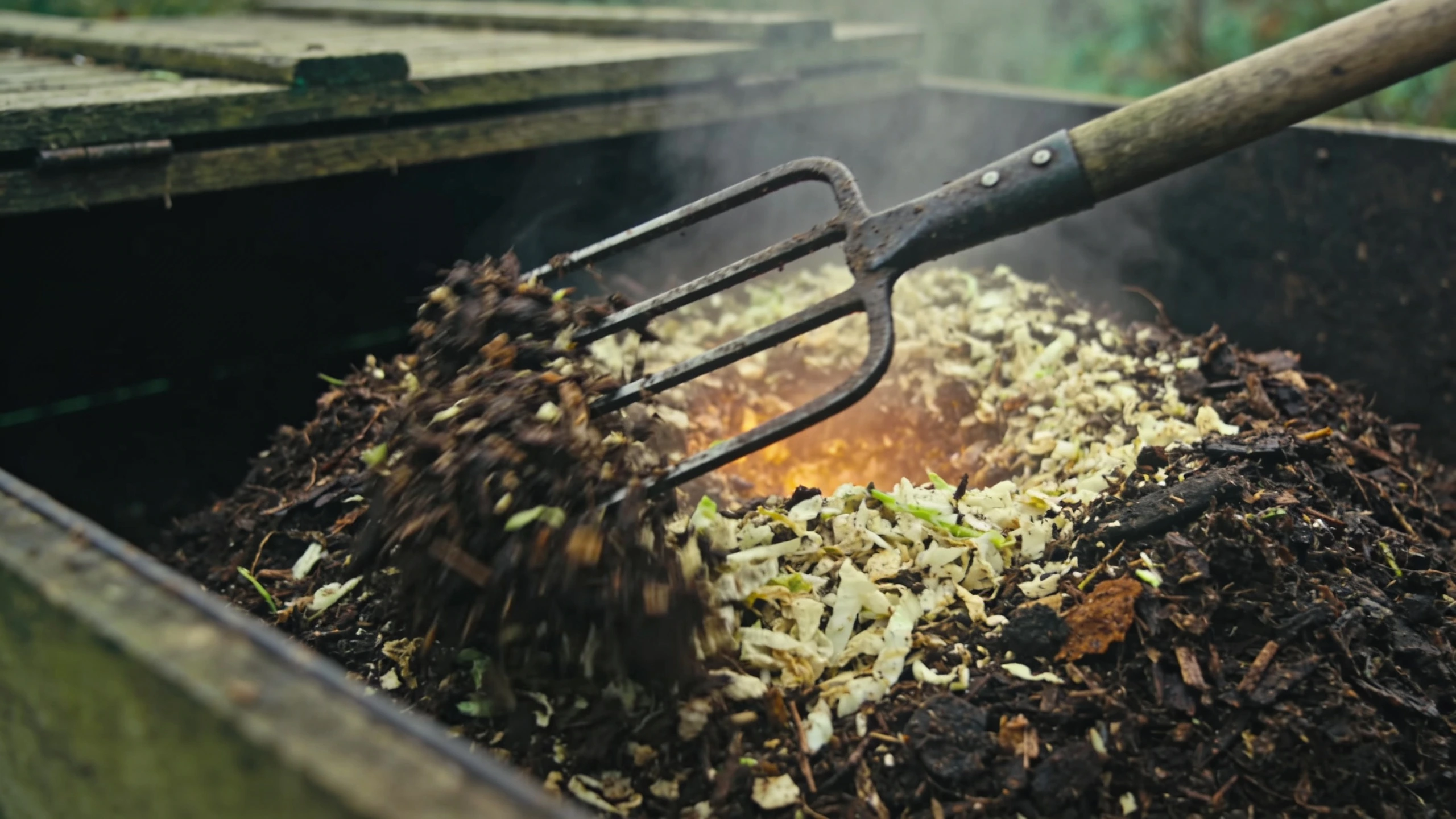
The bin matters much less than the ratio, but it does affect how pleasant the job is.
- Plastic cone bins: cheap, often subsidised by councils, fine for kitchen waste. Awkward to turn, so expect the slow route.
- Three pallets in a square: free, excellent airflow, easy to fork and turn. The volume also helps it heat up. Best value of anything here.
- Tumblers: turning is effortless and they are rodent-proof, which is their real selling point. Capacity is small and you need a second one, because you cannot add fresh material to a batch that is nearly finished.
- Hot bins (insulated): expensive, but they will take cooked food and small quantities of meat, and they work through winter. Worth it if you have no council food collection.
- Wormeries: brilliant for kitchen waste in a flat or small courtyard, and the liquid feed is excellent. They cannot handle garden waste volume.
Using the finished compost#
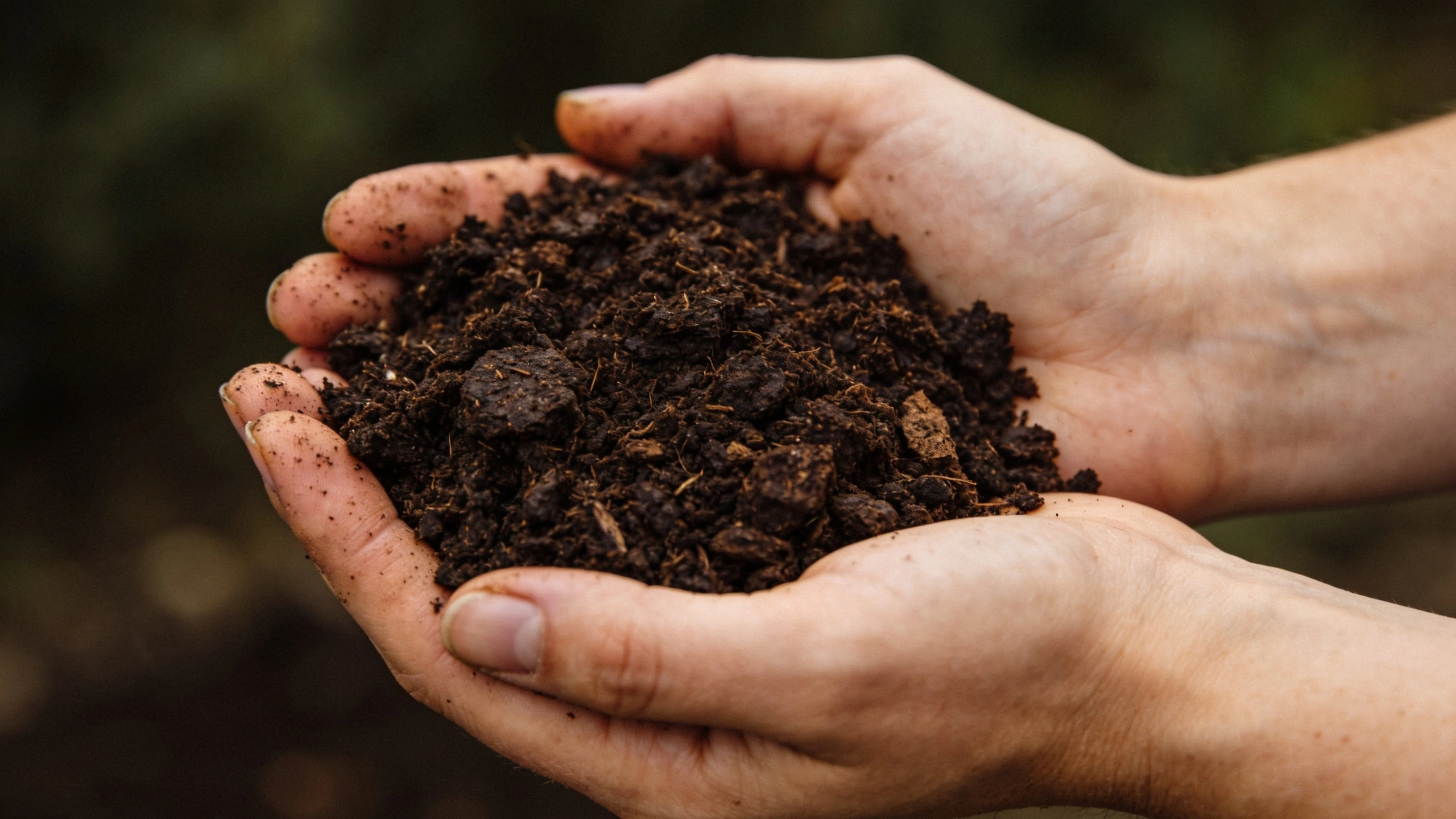
Finished compost is dark brown, crumbly, and smells like a woodland floor. You will not identify what went into it.
- As a mulch: spread 2 inches on the surface of beds in autumn or spring. This is the highest-value use, and it is exactly what the no-dig method in our vegetable garden guide is built on.
- As a soil improver: fork it lightly into planting holes and containers.
- Not as seed compost: home compost is too rich and too variable in texture for seed sowing, and often carries weed seeds. Buy seed compost for that.
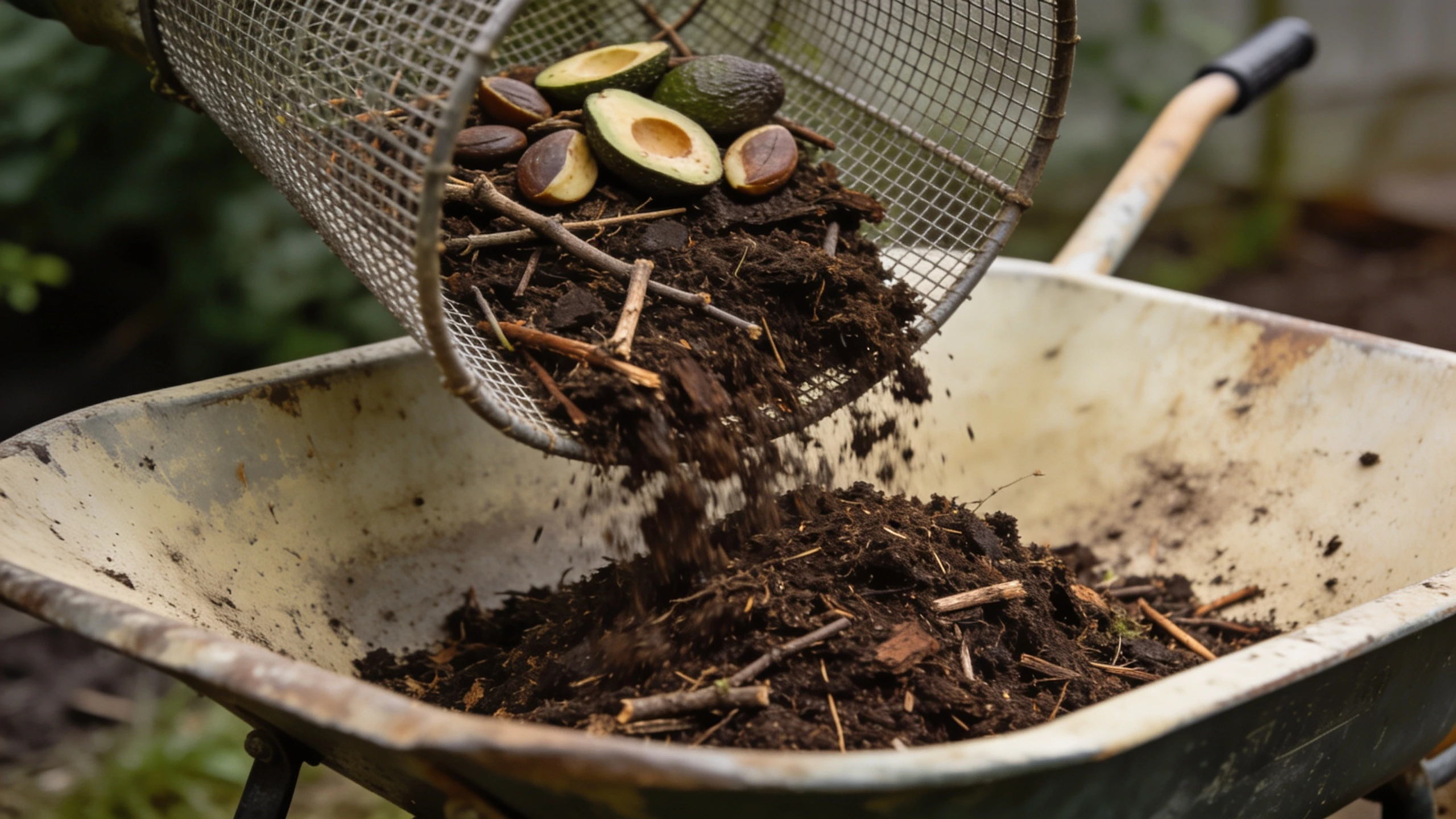
Sieve out anything unrotted, twigs, avocado stones, the odd corn cob, and throw it back in to seed the next batch with active microbes.
How I know this#
The ratios and timings here are standard published guidance rather than anything I have measured in a lab. I have cross-checked them against the USDA soil health pages and the Royal Horticultural Society advice pages.
Our editorial policy explains how corrections work.
Where to go from here#
Compost is the input for almost everything else. If you are building beds, our raised bed layout ideas covers how much compost a bed actually takes and how to fill one without buying a mountain of bagged product. And if you are turning heaps regularly, a decent fork matters more than you might think, see gardening tools for beginners.
Frequently asked questions
Why does my compost bin smell bad?
Almost always too many greens and not enough air. A sour, ammonia or rotten-egg smell means the heap has gone anaerobic, usually from a thick layer of grass clippings or food waste with nothing dry mixed through it. Fork in a generous volume of shredded cardboard or dry leaves, turn the whole heap to get air in, and the smell will clear within a few days.
What is the correct brown to green ratio for compost?
Roughly two parts browns to one part greens by volume is a reliable working rule for a home bin. Precise carbon-to-nitrogen ratios matter for commercial composting; for a garden bin, if it smells you need more browns, and if nothing is happening you need more greens and water.
Can I put cooked food, meat or dairy in a compost bin?
Not in an open garden bin. They rot fine but they reliably attract rats, foxes and flies. Cooked food, meat, dairy and bones need either a sealed hot composter, a bokashi bin, or your municipal food waste collection. Raw vegetable and fruit scraps are completely fine.
How long does compost take?
Six to twelve months for a cool heap that you turn occasionally, and as little as six to eight weeks for a hot heap built all at once and turned weekly. Speed is mostly determined by particle size, moisture and how often you add air.
Can I compost weeds?
Annual weeds yes, before they set seed. Perennial roots, bindweed, couch grass, ground elder, dandelion crowns, will survive a cool heap and reappear wherever you spread it. Drown those in a bucket of water for a few weeks first, then compost the resulting sludge, or bin them.
Topics in this article
About the author
Jeff has gardened professionally for over twenty years, mostly on heavy clay, and writes everything here from beds he still works himself. More from Jeff Tanun →
Keep reading
Lasagna Gardening
Lasagna gardening is sheet mulching: cardboard and layers of organic matter straight onto grass. What to layer, how deep, how long to wait, and what it cannot fix.
Updated
Garden Soil vs Potting Soil
Garden soil vs potting soil, explained by what each one is for. Why garden soil fails in a pot, why potting compost is wasted in a bed, and what to buy for what.
Updated
Zones & Growing Conditions
Gardening zones tell you what survives winter, not what grows well. Here is how to read your zone, and the five garden conditions that matter more.
Updated