Mulching a Garden: What to Use, How Deep, and When
Mulching cuts watering and weeding more than any other job. What to use on beds, borders and pots, how deep to lay it, and why membrane fails.
Time2 hr
Rough cost$35
You'll need
- Mulch: compost, bark, leaf mould or straw, about 100 litres per square metre at 4 inches
- Water, if the soil is dry before you start
Tools
- Wheelbarrow
- Garden fork or shovel
- Bucket or trug for working close to plants
- Gloves
If you only do one job in the garden this year, spread mulch. It cuts watering, cuts weeding, feeds the soil and keeps roots cooler, and it takes an afternoon.
The short answer
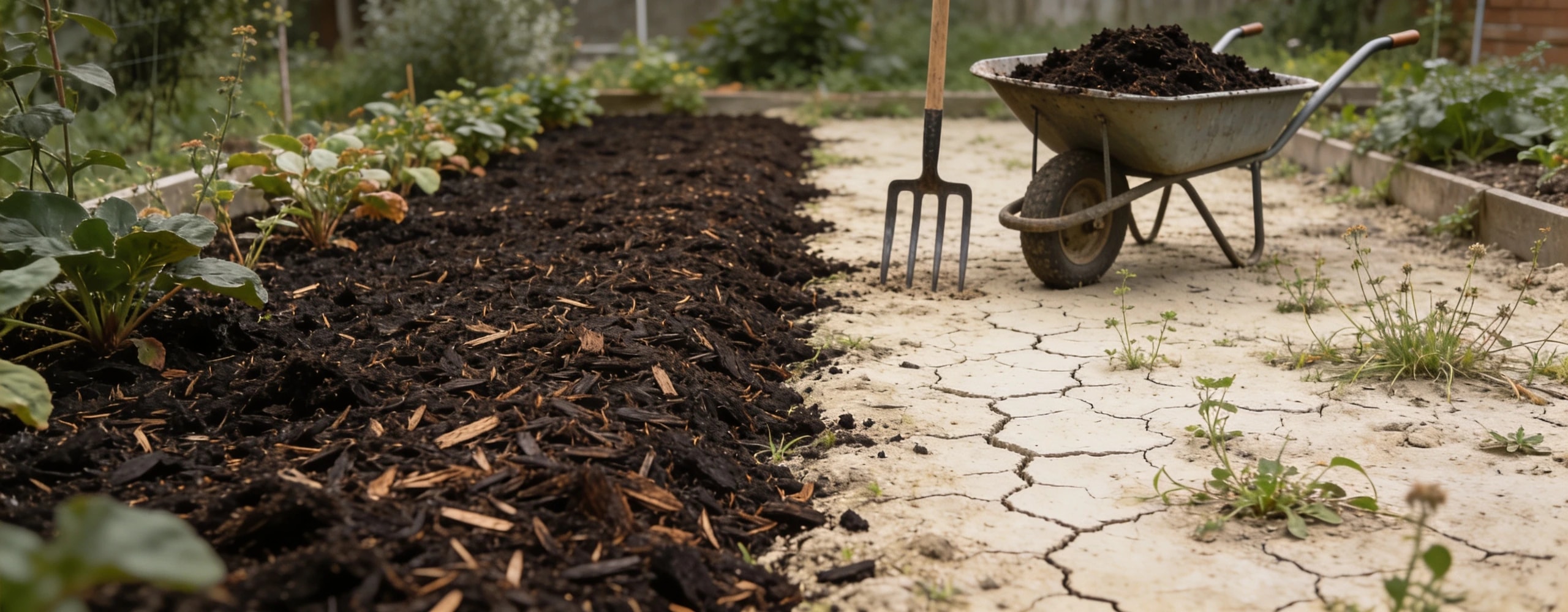
Mulching means covering bare soil with a layer of material, usually 2 to 4 inches deep. Weed the bed first, water it if it is dry, then spread the mulch evenly and leave a gap of bare soil around every stem. Use compost on vegetable beds, bark around shrubs, and straw under strawberries. Top it up once a year.
That is the job. Below is which material to use where, how much you need, and the one product to avoid. If you want to make your own mulch instead of buying it, see composting for beginners.
What mulching actually does#
Four things, all of them useful:
Stops weeds. Most annual weed seeds need light to sprout. A layer of mulch denies them it. Weeds that do appear are usually rooted in the mulch itself and lift out with a finger.
Keeps water in. Bare soil loses water from the surface all day. Covered soil loses far less, so you water less often and the plants swing less between wet and dry.
Evens out temperature. Roots under mulch stay cooler in a heatwave and warmer in a cold snap.
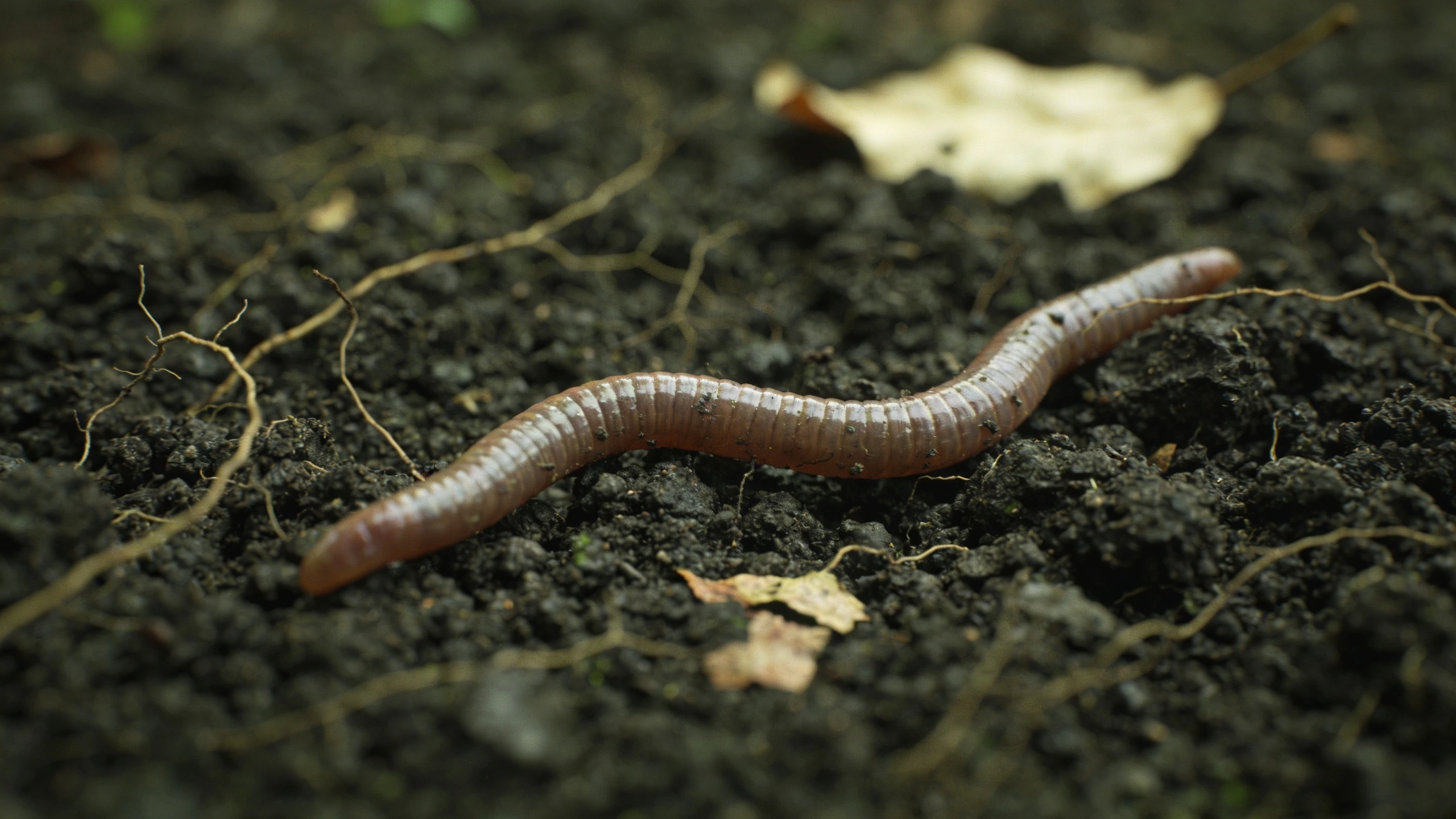
Feeds the soil. Organic mulch rots down and worms pull it under. That is not a side effect, it is the main long-term benefit, and it is why you top it up rather than replace it.
The reasoning behind leaving soil undisturbed is set out on the USDA soil health pages, and the Royal Horticultural Society advice pages covers the UK equivalent.
Which mulch for which job#
| Mulch | Lasts | Best for | Watch out for |
|---|---|---|---|
| Well-rotted compost | 1 year | Vegetable beds, borders, everything | Costs more than bark by volume |
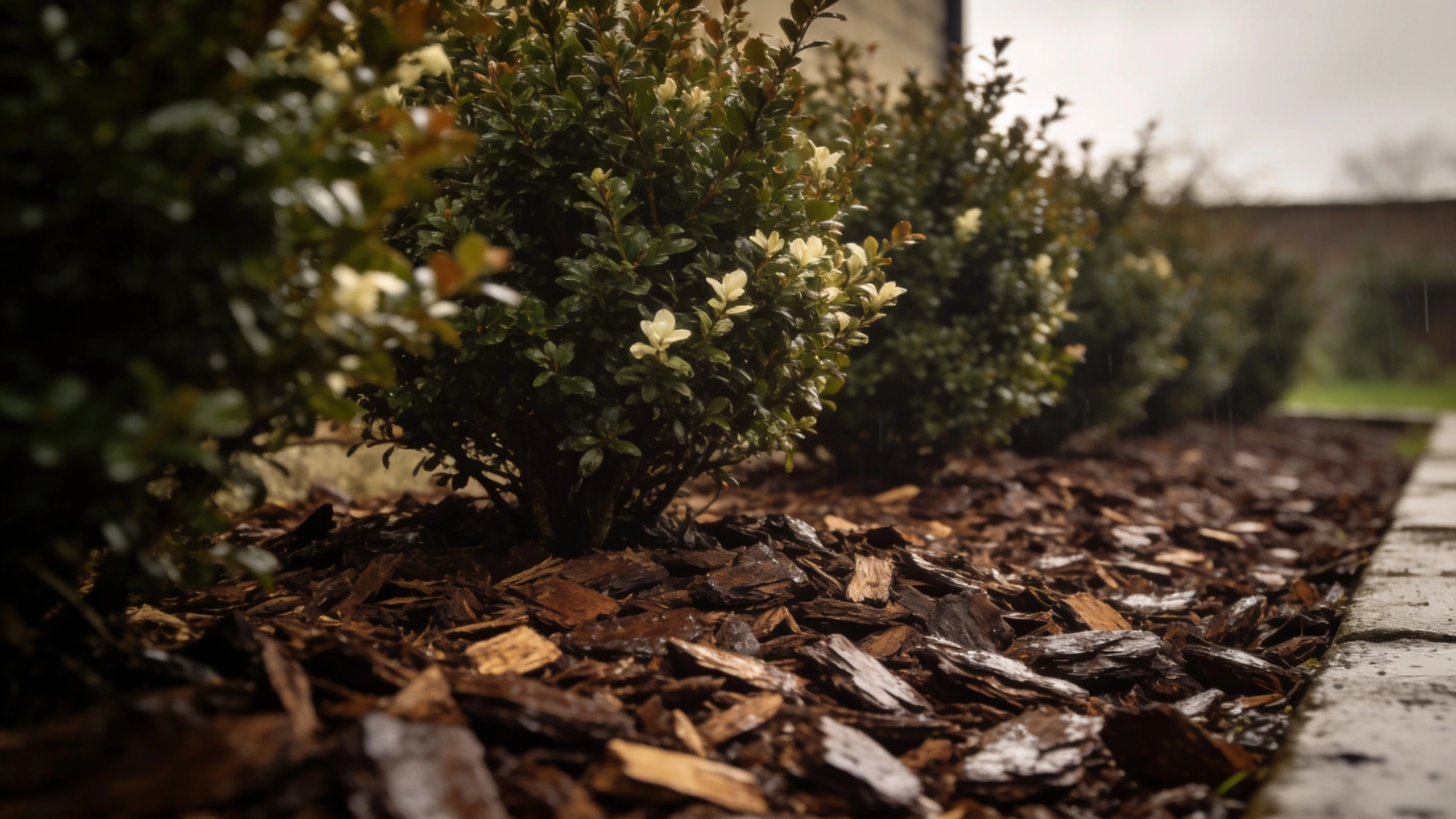
| Bark or woodchip | 2 to 3 years | Shrubs, trees, permanent planting | Too slow to feed an annual bed |
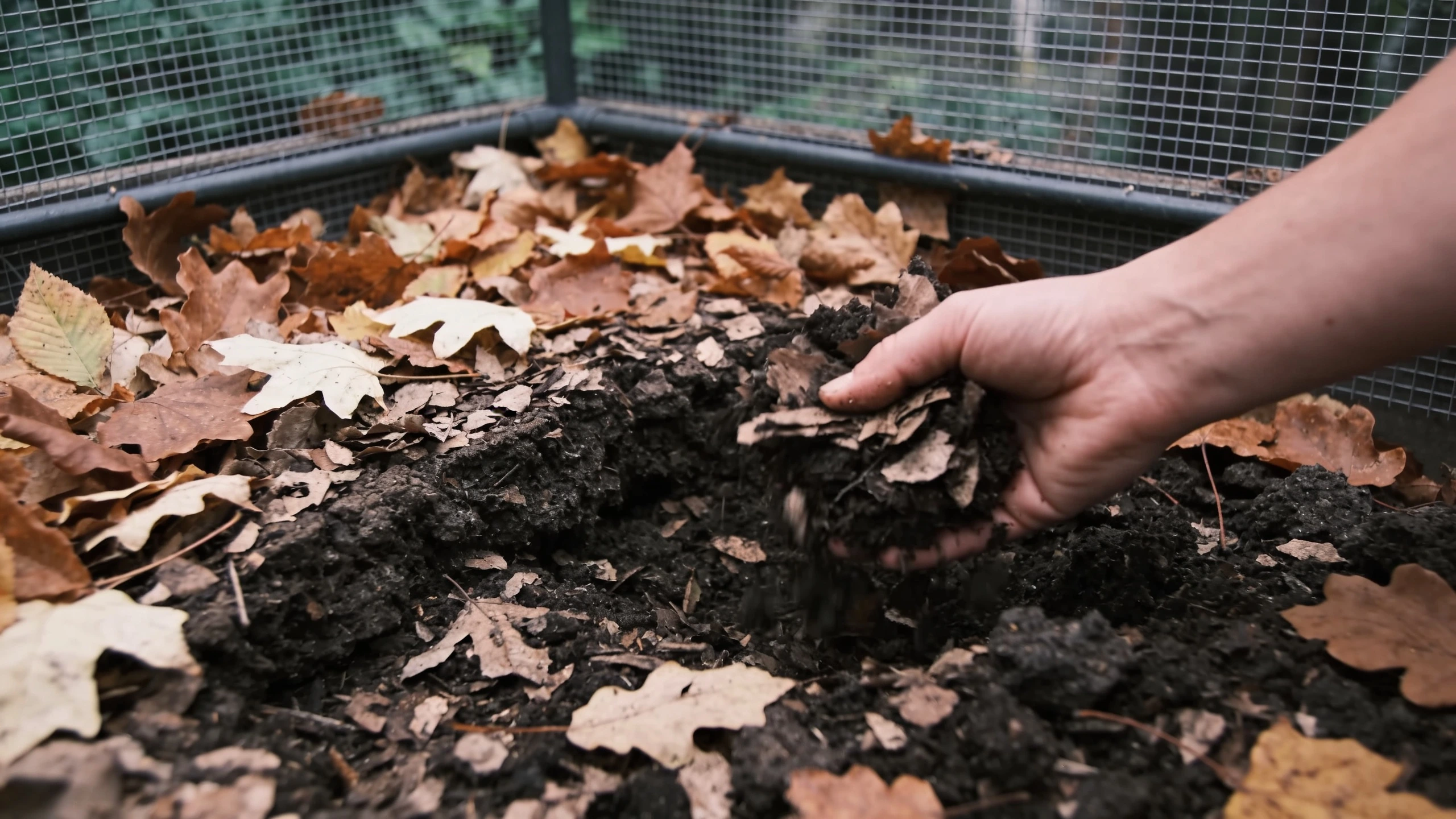
| Leaf mould | 1 to 2 years | Woodland planting, shade beds, seed beds | Takes two years to make |
| Straw | 1 season | Strawberries, courgettes, squash | Harbours slugs, keep it off stems |
| Grass clippings | Weeks | Filling in between rows, free | Thin layers only, or it turns to slime |
| Gravel or slate | Indefinite | Dry sunny planting, alpines, paths | Does not feed the soil at all |
| Cardboard | 1 season | Under a new bed, smothering grass | Not decorative, use it as a base layer |
The short version. Compost for anything you replant each year. Bark for anything permanent. Straw for fruit sitting on the ground.
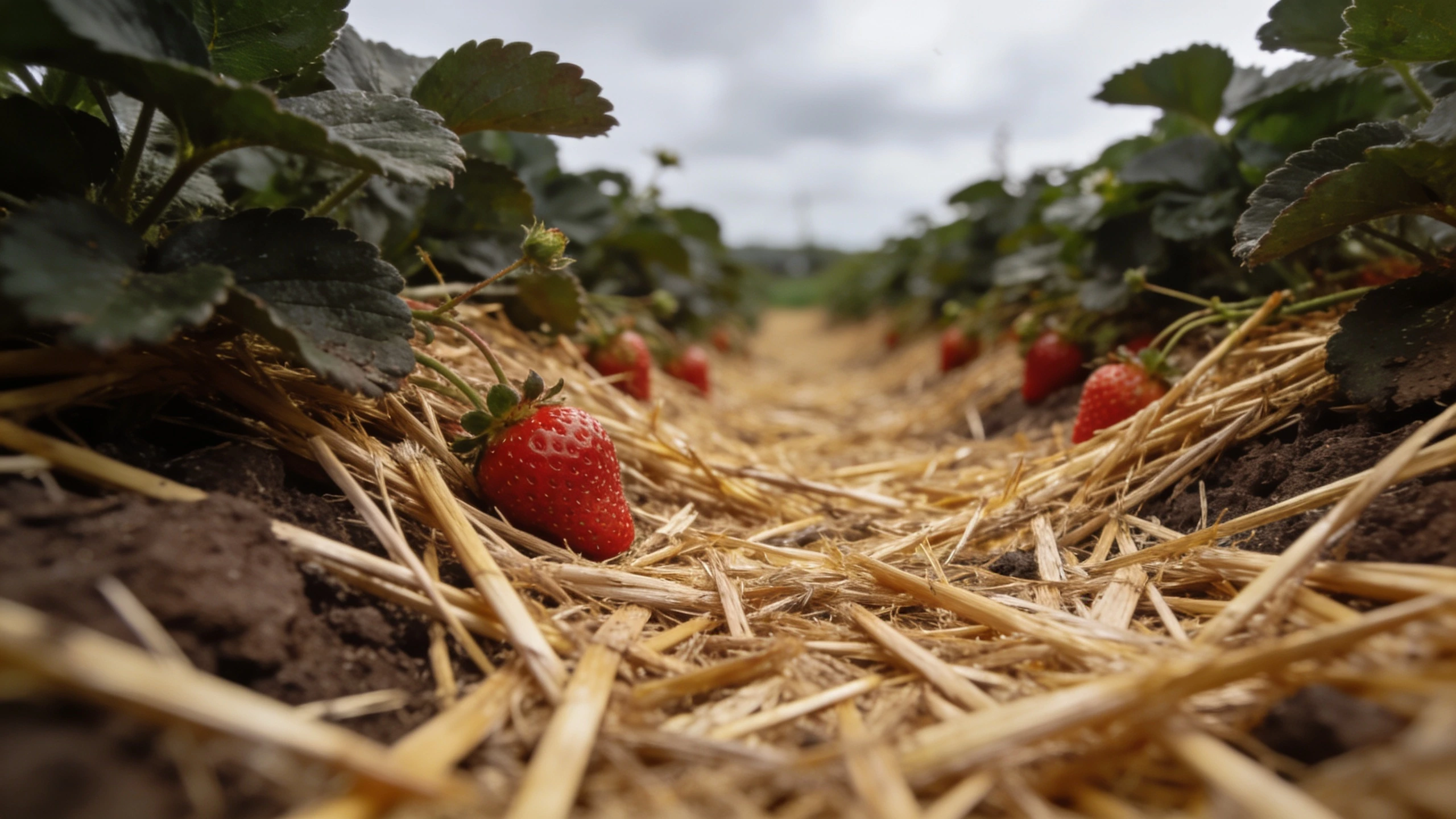
Leaf mould is worth the wait if you have trees. Pile autumn leaves in a wire bin and forget about them for two years.
How much you need, and what it costs#
Work it out by area, not by guess. Roughly:
- 2 inches deep: about 50 litres per square metre
- 4 inches deep: about 100 litres per square metre
So a bed of 1.2 by 2.4 metres, which is about 3 square metres, needs 150 to 300 litres. That is a lot of small bags.
| How you buy it | Rough cost for 300 litres |
|---|---|
| Small bags from a garden centre | $50 to $70 |
| Bulk bag from a landscape supplier | $20 to $30 |
| Council green waste compost | $0 to $15 |
| Your own compost heap | Free |
| Autumn leaves from your own trees | Free |
Rough prices as of August 2026, based on typical garden centre and bulk supplier charges rather than quotes from named sellers. Check before you buy. Those figures are also calculated from volume rather than weighed here.
Buying loose instead of bagged is the single biggest saving available in gardening. Same material, roughly a third of the price.
The one product to avoid#
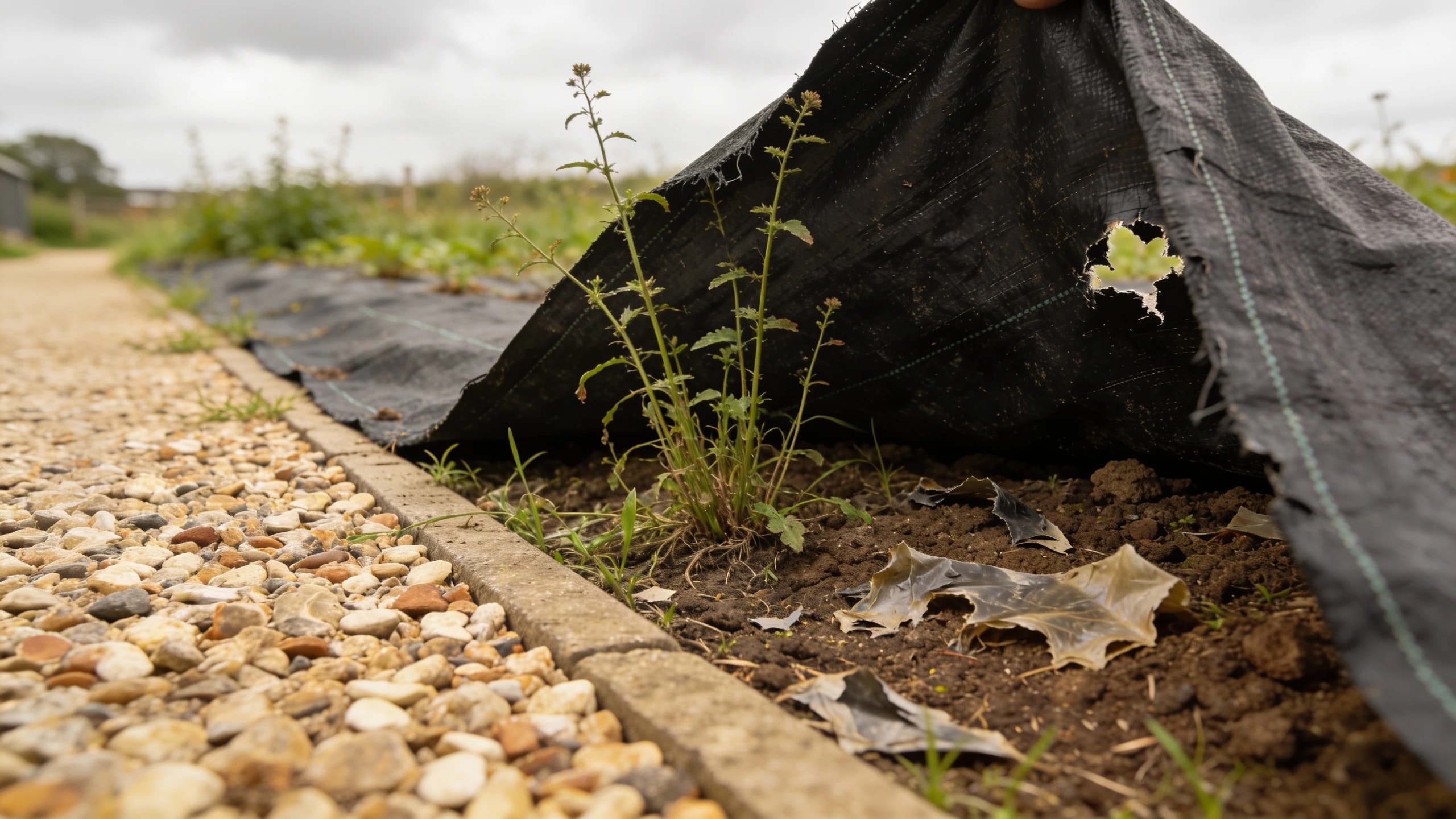
Weed membrane, sometimes sold as landscape fabric, is the thing people put down instead of mulching properly. It works for two or three years and then fails badly.
Here is how. Windblown soil and dead leaves build up on top of the fabric, which makes a perfect seedbed. Weeds germinate in that layer and root down into the fabric itself. Pulling them tears the fabric and leaves the roots. Weeding through membrane is genuinely harder than weeding open soil.
Meanwhile it blocks worms from pulling organic matter down, so the soil beneath it slowly gets worse rather than better. And it breaks into plastic shreds that you will be picking out of that bed for years.
Use it under a gravel path, where nothing is meant to grow. Not under plants.
Plain cardboard does the smothering job without any of that, because it rots away in a season once it has killed the grass. That is the base layer under a new no-dig bed.
Feeding: less than you think#
If your beds are mulched with compost every year, most plants in the ground need nothing else. The compost supplies it and the soil life keeps releasing it slowly.
Three exceptions:
Containers. No soil life, no worms, and roots in a fixed volume. Pots want a liquid feed every couple of weeks from midsummer, or a slow-release feed mixed in at planting.
Hungry fruiting crops. Tomatoes, chillies, courgettes and squash all benefit from a high-potassium feed once they start setting fruit.
Anything showing real hunger. Yellowing between the veins on young leaves, for example. Diagnose before you feed, because most yellowing is over-watering or cold roots rather than hunger.
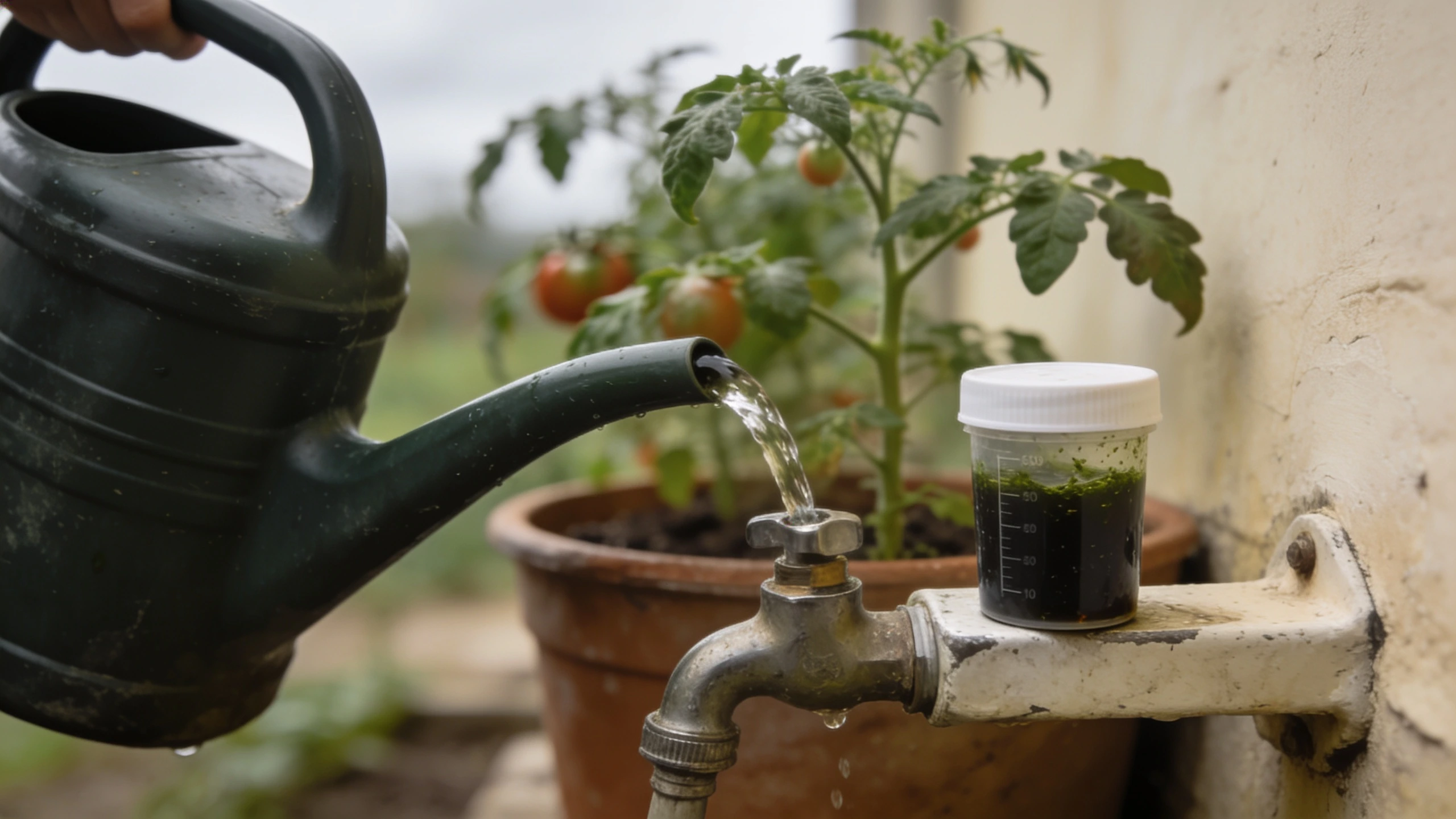
Do not feed in a heatwave and do not feed a stressed plant. Feeding pushes soft new growth that a plant short of water cannot support, and aphids find that growth first.
Mistakes people make with mulch#
Mulching dry soil. It seals the dryness in and rain then struggles through. Water first.
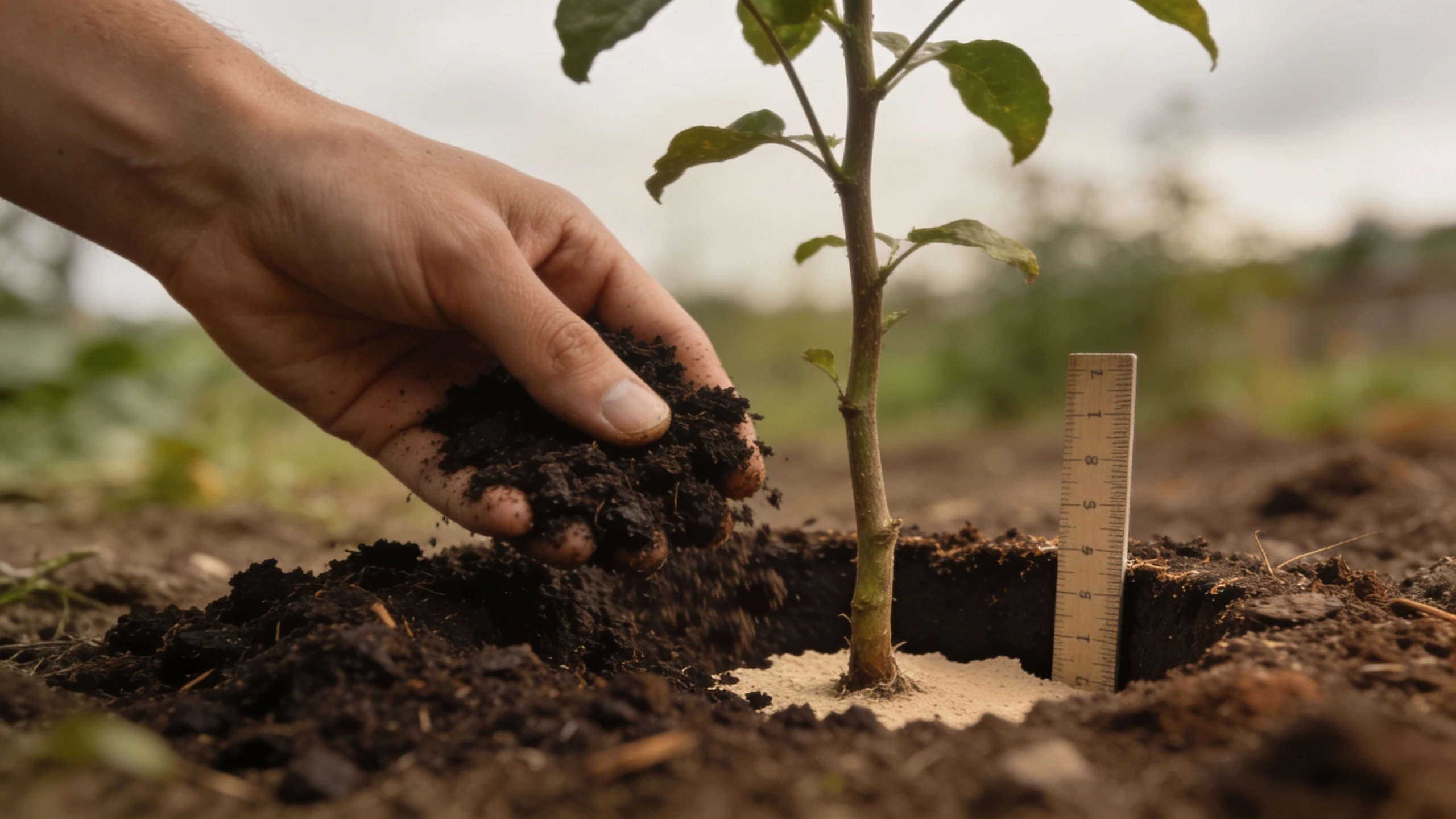
Piling it against stems. Holds the stem damp, invites rot, houses slugs. Leave two inches clear.
Going too deep. Beyond about four inches you start keeping air and rain out.
Not weeding first. Mulch stops seeds. It does not stop bindweed, couch grass or ground elder, which come straight through and are then harder to reach.
Using fresh grass clippings thickly. A thick layer becomes a hot slimy mat. Thin layers, mixed with something dry.
Using fresh woodchip on a vegetable bed. It is fine as a path or around shrubs, but very fresh chip on an annual bed can lock up nitrogen at the surface while it breaks down.
Buying it in small bags. Three times the price for the same material.
When this does not apply#
If you are trying to warm a bed up in early spring, hold off. Mulch insulates, so a thick layer on cold soil keeps it cold and delays sowing. Mulch after the soil has warmed, or pull it back off the row you want to sow.
If your soil is already waterlogged, mulch will not fix drainage and may make it worse by keeping the surface wet. Sort the drainage or build raised beds first. See growing conditions and zones.
If you have a slug problem and grow a lot of soft leaves, straw and thick loose mulch give slugs daytime shelter right next to their dinner. Compost is a better choice there.
If you are mulching around a tree, keep it well clear of the trunk. A mound of mulch piled against bark, sometimes called a mulch volcano, rots the bark and kills trees slowly. Flat, wide and clear of the trunk.
How we know this#
The depths, materials and quantities here are standard published guidance, checked against Royal Horticultural Society advice pages and USDA soil health resources, both linked above. The volume figures are calculated from area and depth rather than weighed.
No side-by-side trial sits behind the claims about water saving, so the text describes direction rather than giving a number. Our editorial policy explains how corrections work.
Bottom line#
Weed the bed, water it if it is dry, then spread two to four inches of mulch and keep it off the stems. Compost on vegetable beds, bark on permanent planting, straw under strawberries.
Buy it loose rather than in bags and it costs about a third as much. Top it up once a year and stop feeding things that are growing in the ground.
Skip the weed membrane entirely. It is the one garden product that makes the job harder two years later.
Next: making your own compost removes the annual bill, and watering deeply rather than daily explains why mulch and watering technique work together.
Frequently asked questions
What is the best mulch for a vegetable garden?
Well-rotted compost. It suppresses weeds, holds moisture and feeds the soil as it breaks down, which is exactly what an annual vegetable bed needs. Bark and woodchip last longer but are better around shrubs and perennials, because they break down too slowly to feed a bed that is replanted every year.
How deep should mulch be?
Two inches is the working minimum for stopping weed seeds germinating. Three to four inches is better on open ground or in a dry summer. Going deeper than about four inches starts to work against you, because rain and air struggle to reach the soil. Always leave a gap of bare soil around plant stems.
When is the best time to mulch?
Autumn or late winter for beds and borders, because the soil is damp and worms pull the material down over winter. Late spring works too, once the soil has warmed up. Avoid mulching frozen ground, and avoid mulching in early spring on a cold bed, because it slows down the warming you are waiting for.
Does mulch stop weeds completely?
No. It stops most annual weed seeds, because those need light to germinate and mulch denies them it. It does not stop established perennial roots such as bindweed, couch grass or ground elder, which push straight through. It also does not stop new seed blowing in and rooting in the mulch itself, so expect a few.
Should I use weed membrane under mulch?
Not in a planted bed. Landscape fabric works for a couple of years, then windblown soil builds up on top and weeds root into the fabric, which is far harder to clear than weeds in open soil. It also blocks worms from pulling organic matter down and shreds into plastic you cannot remove. Use it under paths, not under plants.
Do I need to feed my garden if I mulch?
For beds and borders in the ground, usually not. An annual compost mulch supplies most of what perennials and vegetables need. Containers are different, because there is no soil life topping them up, so those want a liquid feed every couple of weeks through summer. Hungry crops like tomatoes and squash also benefit from feeding once they start fruiting.
How much mulch do I need?
Roughly 100 litres covers one square metre at four inches deep, or about 50 litres at two inches. For a bed of 1.2 by 2.4 metres, which is around 3 square metres, that is 150 to 300 litres. Buying it loose from a bulk supplier usually costs about a third of the same volume in small bags.
Topics in this article
About the author
Jeff has gardened professionally for over twenty years, mostly on heavy clay, and writes everything here from beds he still works himself. More from Jeff Tanun →
Keep reading
Lasagna Gardening
Lasagna gardening is sheet mulching: cardboard and layers of organic matter straight onto grass. What to layer, how deep, how long to wait, and what it cannot fix.
Updated
How to Start a Garden
How to start a garden in one season: check your light first, build one small bed without digging, plant six easy crops. Costs from $60, step by step.
Updated
Composting for Beginners
What to put in, what to keep out, and how to fix a compost heap that smells or refuses to rot. A simple two-thirds/one-third rule that works in any bin.
Updated