Gardening Zones and Growing Conditions Explained
Gardening zones tell you what survives winter, not what grows well. Here is how to read your zone, and the five garden conditions that matter more.
Gardening zones answer exactly one question. Will this plant survive my winter? That is worth knowing, and it is about a fifth of what decides whether a plant does well for you.
The short answer
A gardening zone is a number for your average coldest winter temperature. Look yours up once and write it on the shed door. Then work out the five things that matter more day to day: how many hours of sun the spot gets, what your soil is made of, whether it drains, where the frost sits, and where the wind comes from. Those five change from corner to corner in one garden.
That is the point of this page. Your zone is a floor, not a plan. Below is how to find it, and then how to read the conditions in your own garden. If you are starting from nothing, how to start a garden is the place to begin.
What gardening zones actually tell you#
A zone number comes from the coldest winter temperature, averaged over many years. Zone 5 means average winter lows of minus 20F to minus 10F. Zone 9 means 20F to 30F. Higher number, milder winter.
Look yours up on the USDA Plant Hardiness Zone Map, which was last revised in 2023. In the UK, plant labels use the Royal Horticultural Society H1 to H7 ratings instead, explained on the RHS advice pages.
Here is what your zone does not tell you:
- How hot your summer gets. Zone 8 covers parts of coastal Britain and parts of Texas. Those grow completely different things.
- How much rain falls, or when.
- What your soil is.
- How much sun any given bed gets.
- Whether your garden has a frost pocket in it.
So use the zone to rule plants out. A shrub rated for zone 7 will die in a zone 5 winter, and that is worth knowing before you spend $40. Then ignore it and look at your own ground.
The five conditions that matter more#
1. Hours of direct sun#
The one thing you cannot change. Six hours or more grows anything that fruits or flowers heavily. Three to five grows leaves, roots and shade perennials. Under three is herbs and foliage.
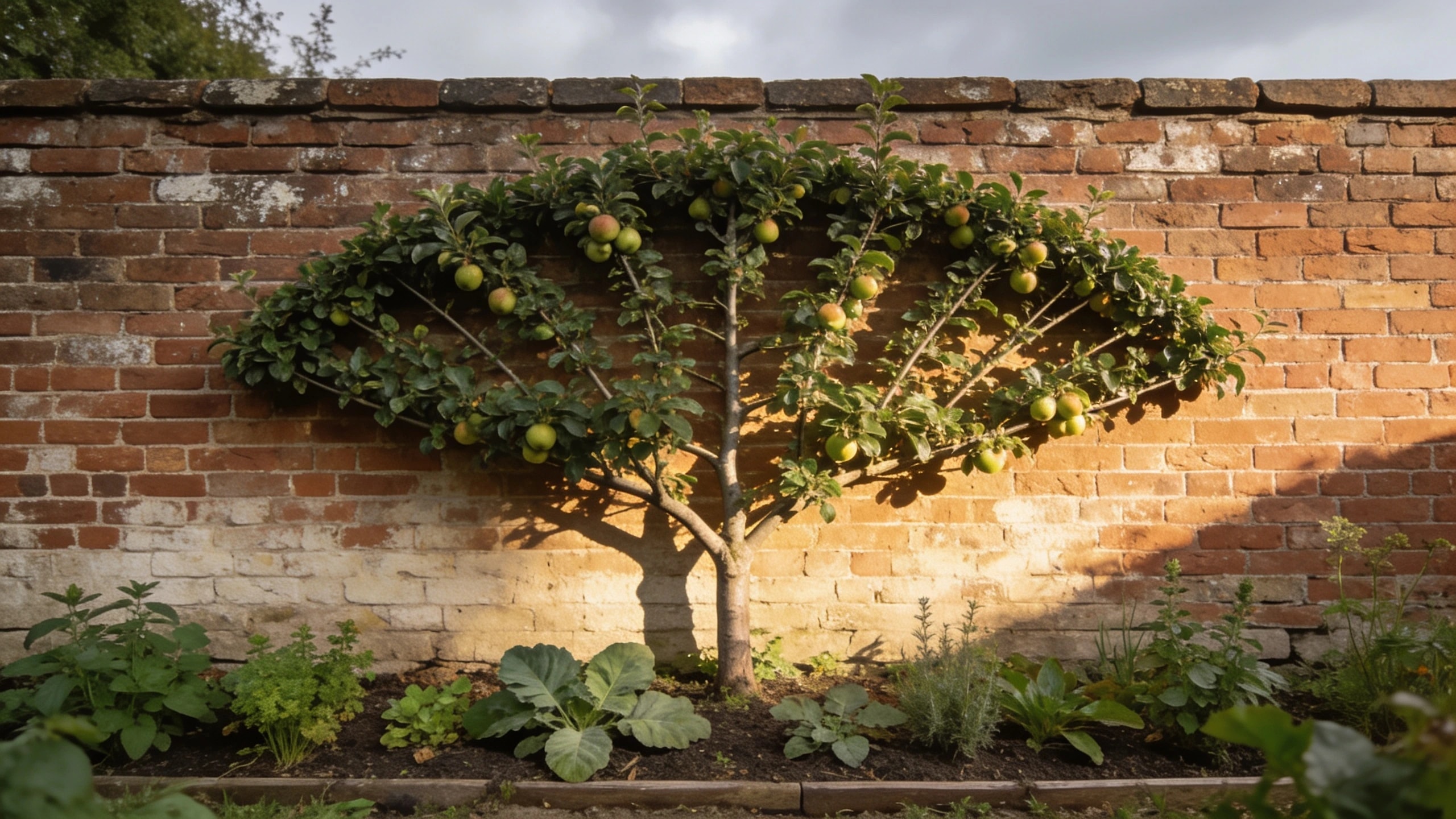
Count them on a clear day rather than guessing from which way the garden faces. A south-facing plot with a big tree next door can get less light than an east-facing one with open sky.
2. What your soil is made of#
Soil is sand, silt and clay in some ratio, plus whatever organic matter is in it. The ratio decides how the soil behaves.
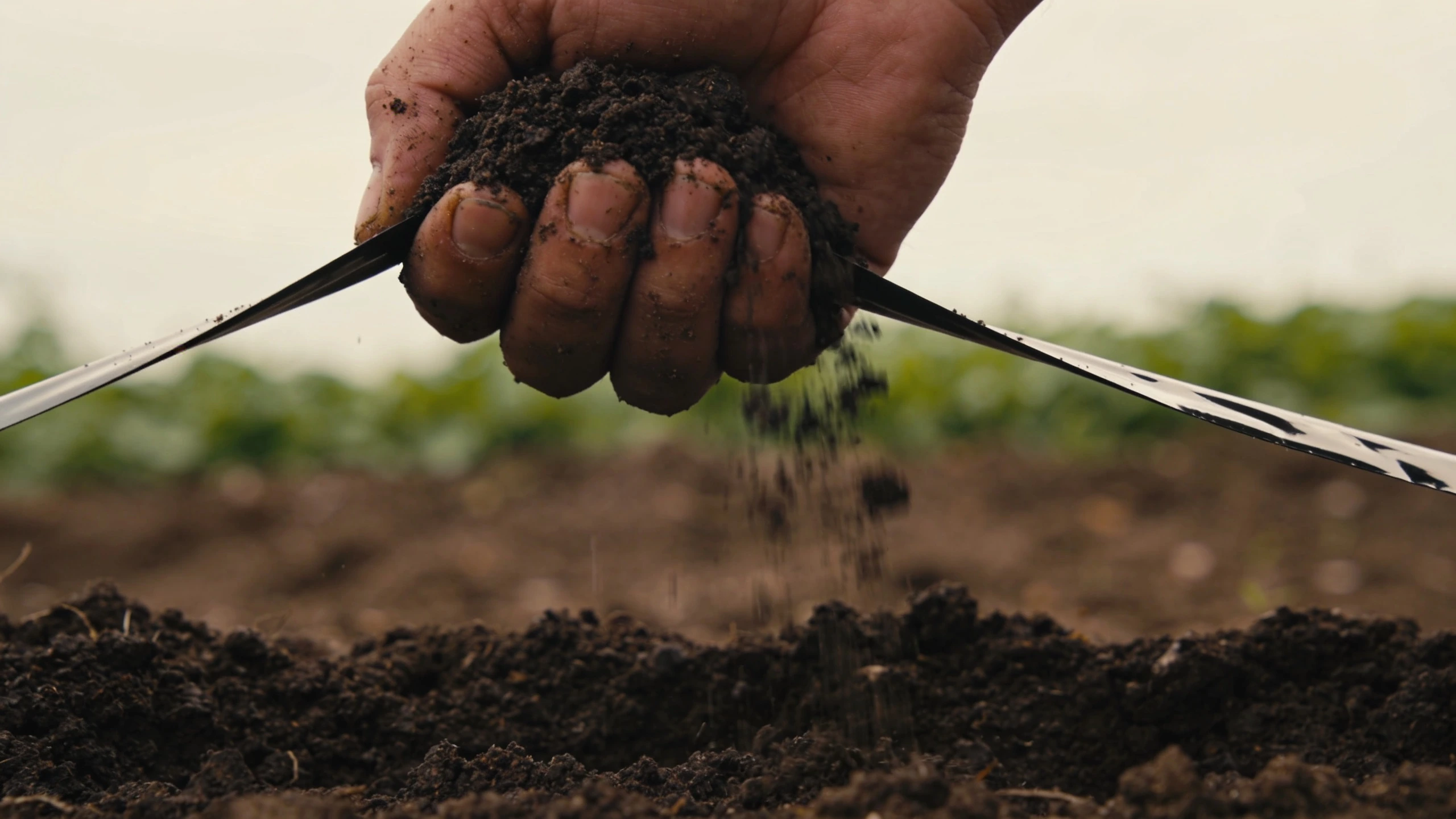
Squeeze a handful of damp soil. If it smears into a shiny ribbon and holds together, you have clay. If it feels gritty and falls apart, sand. If it holds together but feels silky rather than shiny, silt.
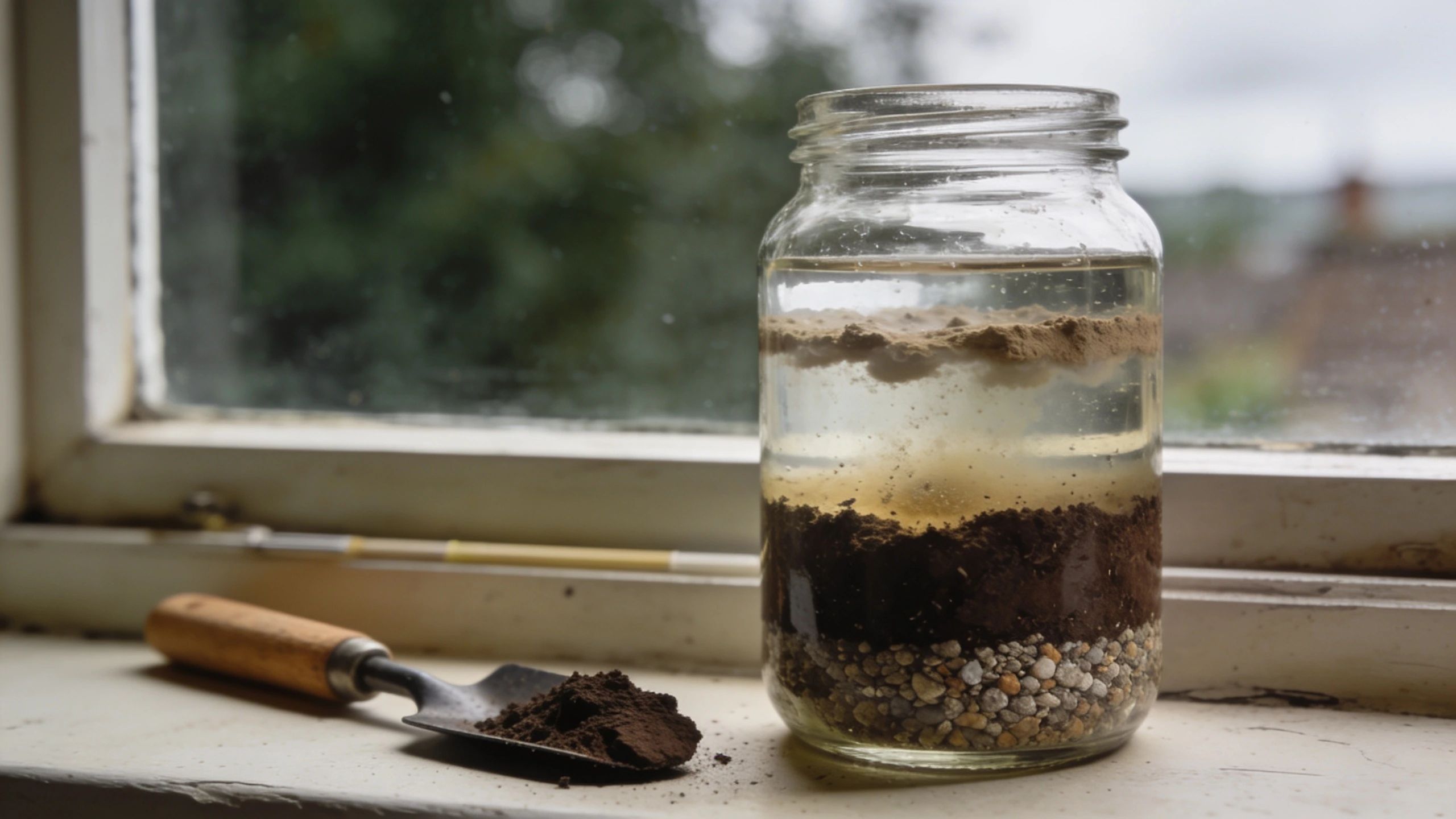
For more detail, do the jar test. Half fill a jar with soil, top it with water, shake it hard and leave it for a day. Sand settles at the bottom, silt above that, clay stays as a cloudy layer on top. The depths give you rough proportions.
| Soil | Feels like | Good at | Bad at | What to do |
|---|---|---|---|---|
| Clay | Sticky, shiny when squeezed | Holding water and nutrients | Draining, warming up in spring | Add compost yearly, never walk on it wet |
| Sand | Gritty, falls apart | Draining, warming early | Holding water or feed | Add compost yearly, mulch heavily |
| Silt | Silky, holds together | Fertile, holds moisture | Packs hard when walked on | Add compost, keep off it, use paths |
| Loam | Crumbly, dark | Nearly everything | Nothing much | Leave it alone and mulch |
| Chalk | Pale, stony, thin | Draining | Depth, acid-loving plants | Add compost, grow lime tolerant plants |
The answer is the same for almost every soil: compost on the surface, once a year, and stay off it when wet. That fixes drainage in clay and water holding in sand, which are opposite problems with one solution.
Clay gets a bad reputation it does not deserve. It holds more water and more nutrients than sand ever will. It grows excellent brassicas, roses and top fruit. It just punishes you for working it wet.
3. Whether the ground drains#
Dig a hole about a foot deep and a foot across. Fill it with water, let it drain, then fill it again and time how long the second fill takes to disappear.
- Gone within four hours: free draining, possibly too free in summer.
- Four to twelve hours: normal, fine for most plants.
- Still there after a day: poor drainage. Lavender, rosemary and most Mediterranean plants will rot.
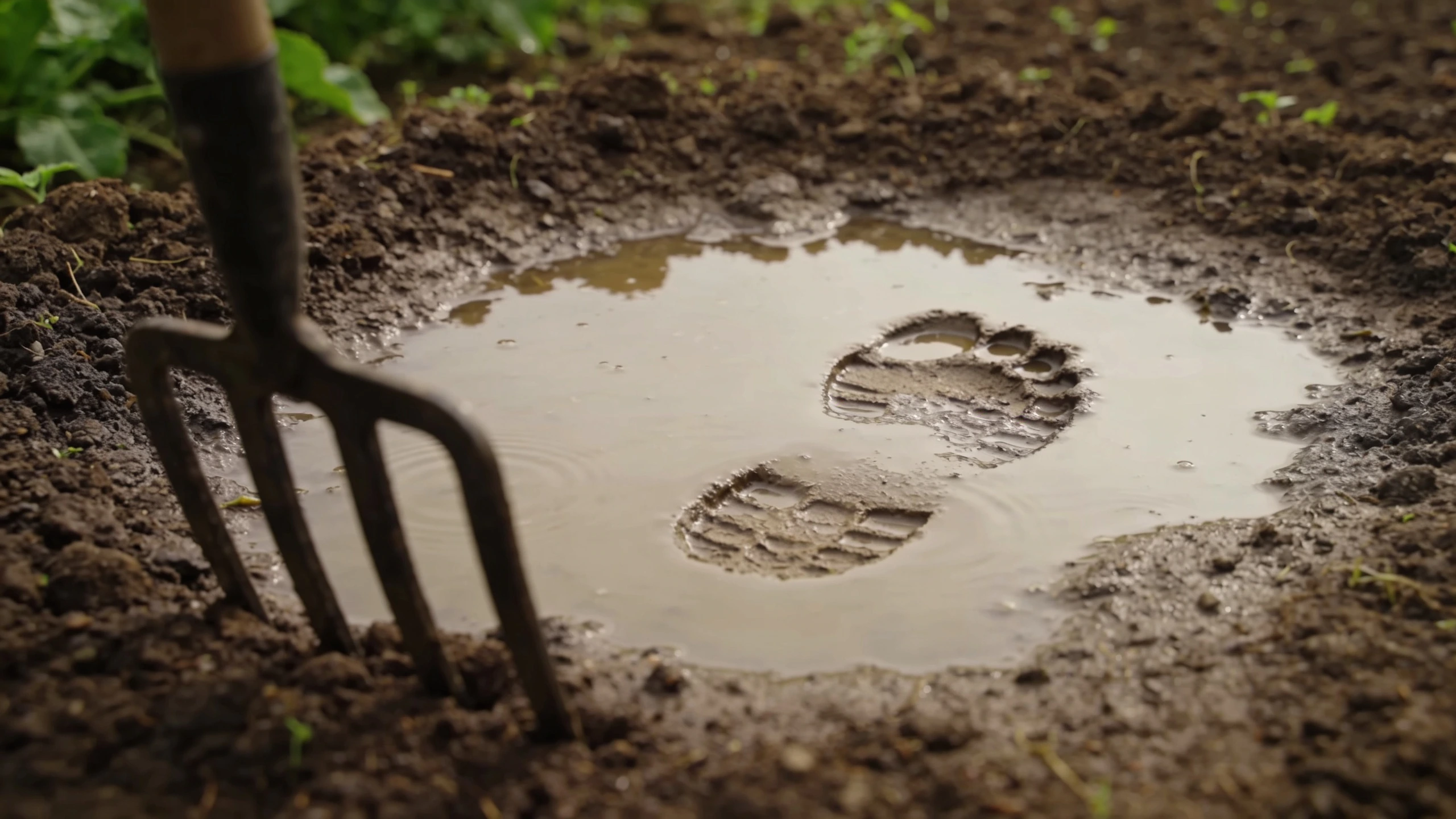
If drainage is poor you have two honest choices. Build up rather than dig down, using raised beds, or plant things that like wet feet: astilbe, ligularia, iris sibirica, cornus and willow.
4. Where the frost sits#
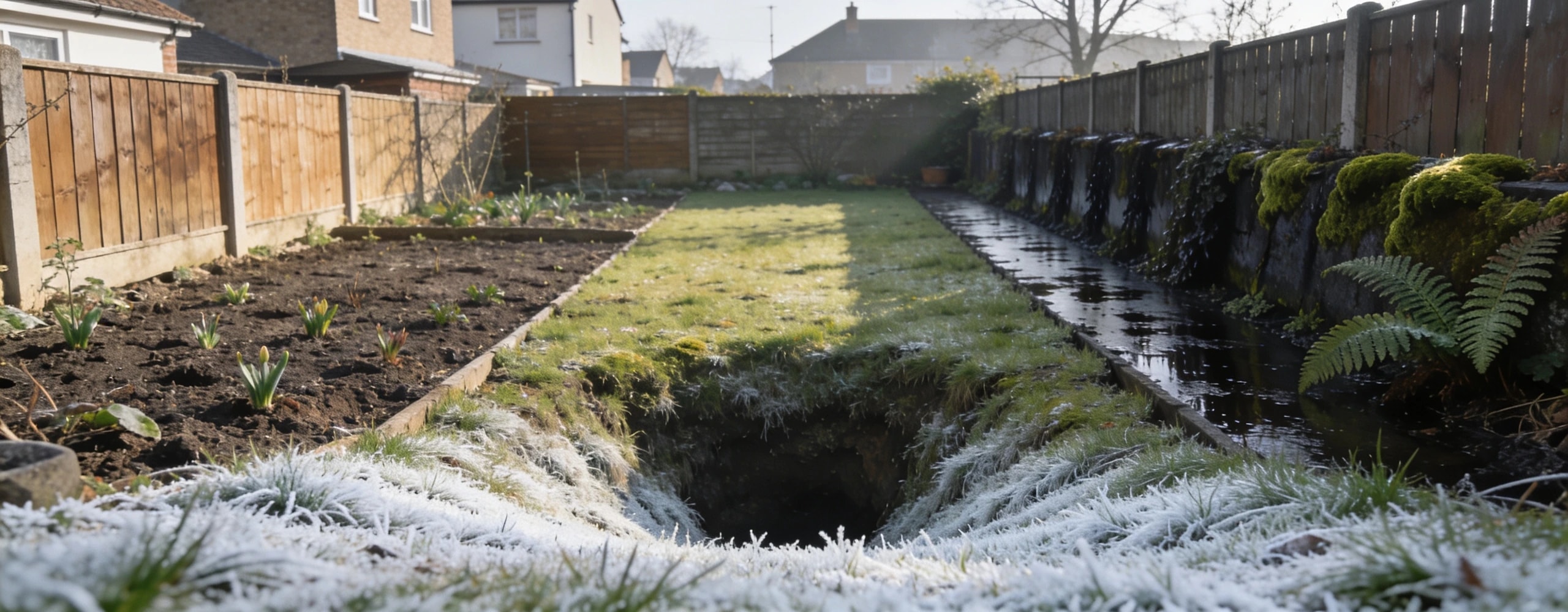
Cold air is heavier than warm air, so it flows downhill and pools at the bottom. That pool is a frost pocket, and it can be a whole zone colder than ground twenty feet higher up.
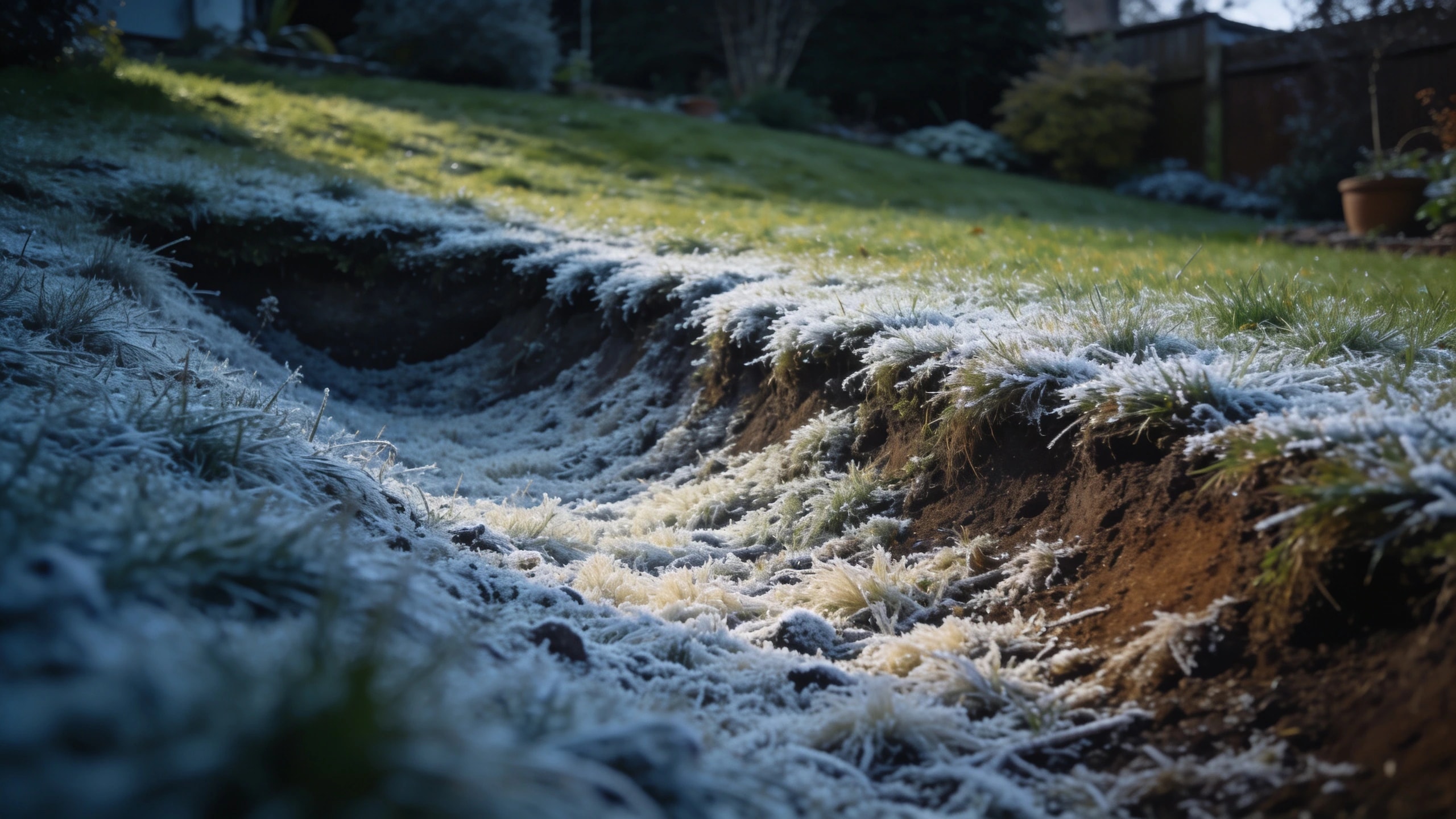
Walk out on the first frosty morning of autumn and look at where the white is. That is your map, and it is worth more than any zone number. Solid fences and hedges make it worse by damming the cold air on their uphill side.
Do not plant early-flowering fruit in a frost pocket. Apples, pears, plums and cherries all blossom before the last frosts, and one bad night removes the crop.
5. Where the wind comes from#
Wind dries plants faster than sun does, tears large leaves and rocks new plants loose at the roots. On a balcony or an open plot it can matter more than temperature.
Permeable screens work. Mesh, trellis, a hedge or a row of tough shrubs slows air down and spreads it out. A solid fence does not: it makes the air tumble on the far side, which can be worse than nothing.
Soil temperature beats the calendar#
The most useful cheap instrument in a garden is a soil thermometer, because seed responds to soil temperature rather than dates.
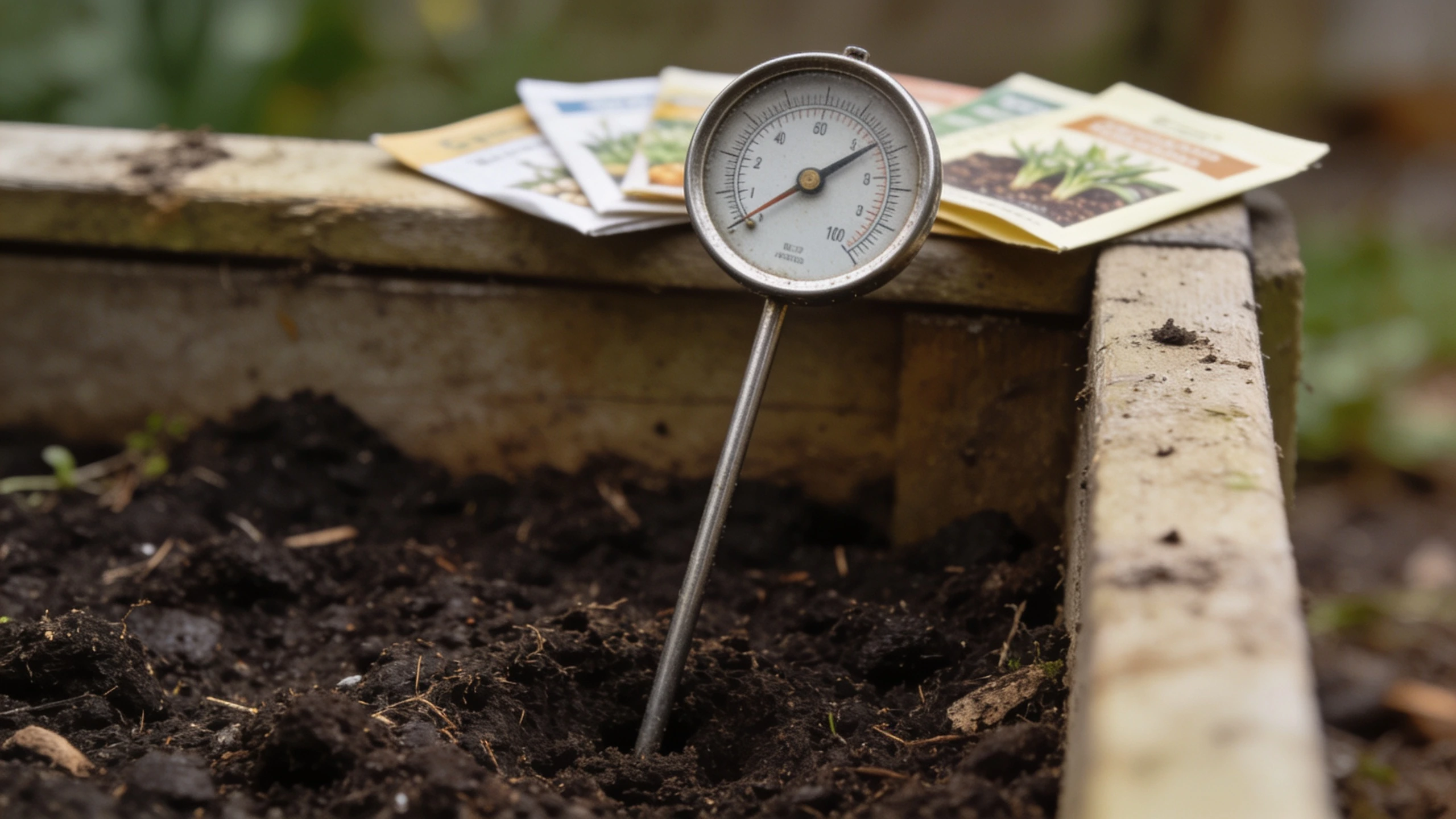
Rough minimum soil temperatures for sowing:
| Crop | Minimum soil temperature |
|---|---|
| Peas, broad beans, spinach | 40F, 5C |
| Lettuce, radish, brassicas | 45F, 7C |
| Carrots, beetroot, chard | 45 to 50F, 7 to 10C |
| Beans, courgette, sweetcorn | 60F, 15C |
| Tomatoes, peppers, squash | 65F, 18C |
Raised beds warm two to four weeks ahead of open ground because they drain better and are exposed on all sides. How far ahead depends on your site, which is exactly why a thermometer beats a guess.
Your local extension service publishes sowing windows for your area. Oregon State Extension gardening and Minnesota Extension yard and garden are two good examples.
Dry shade, and other hard corners#
Some spots are difficult whatever you do, and it saves money to know which.
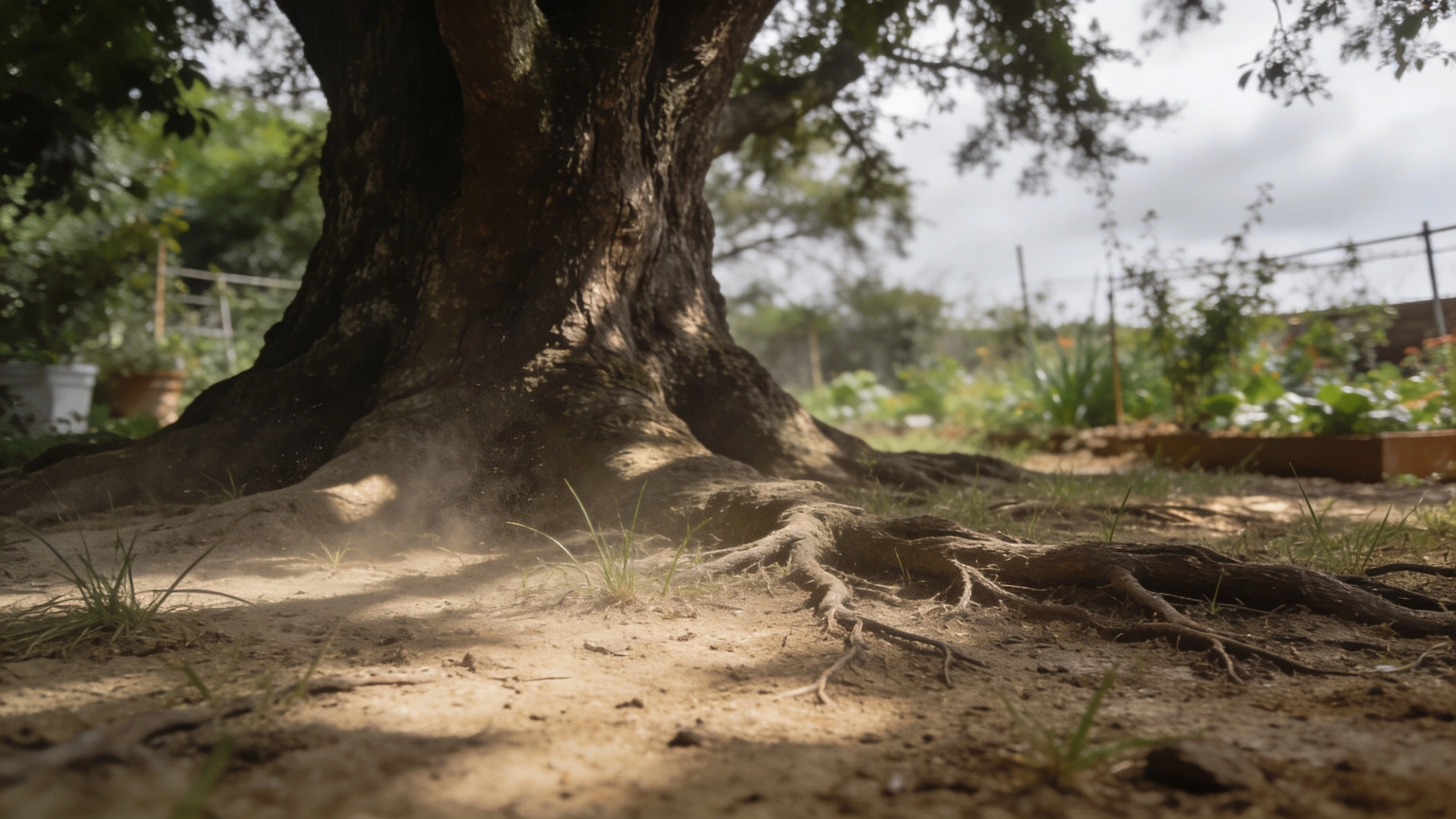
Dry shade under a tree. The tree takes the water and the roots fill the soil. Plant epimedium, Geranium macrorrhizum, periwinkle or dryopteris ferns, and water them through their first two summers.
A hot dry strip along a south wall. Not a problem, an opportunity. Lavender, rosemary, thyme and sage all prefer it.
Wet shade at the bottom of a north-facing garden. Astilbe, hosta, ligularia and ferns.
Thin soil over rubble, common by new houses. Build up with raised beds rather than trying to improve six inches of builders' spoil.
Mistakes people make reading their conditions#
Treating the zone as the whole answer. It covers winter survival and nothing else.
Assuming the garden has one set of conditions. Most gardens have three or four. A bed by a warm wall and a bed in a frosty hollow are different gardens.
Guessing sun hours from the compass. Buildings and trees decide it, not the direction.
Improving soil by digging things into it. Compost on the surface does more, and worms take it down for you.
Buying an acid-loving plant for alkaline soil. Blueberries and rhododendrons will not compromise. Grow those in pots.
Working clay when it is wet. One afternoon of walking on wet clay undoes a year of improvement.
When this does not apply#
If you garden entirely in pots, your zone still matters for what overwinters, but soil type and drainage become choices you make when you fill the pot rather than facts you inherit. Roots in a container also freeze harder than roots in the ground, so treat pots as one zone colder.
If you are on a roof or a balcony, wind and weight matter far more than any of this. See container gardening on a balcony.
If your soil might be polluted, on an old industrial site or beside old painted buildings, get it tested before growing food in it. No amount of compost fixes contamination.
And if you have just moved in, give it a year before big decisions. One full turn of the seasons tells you more than any test.
How we know this#
The zone definitions, soil types and sowing temperatures here are standard published figures, checked against USDA hardiness data, Royal Horticultural Society guidance and extension service publications, all linked above. No readings were taken in a garden for this page, and it would be wrong to imply otherwise.
Where a number is a rough band, the text says so. Our editorial policy explains how we handle corrections.
Bottom line#
Look up your zone once. Use it to rule out plants that will not survive your winter, then stop thinking about it.
Spend an hour instead on your own ground: count the sun hours in two or three spots, squeeze a handful of soil, dig one drainage hole, and look at where the frost sits on the first cold morning. Write the answers down.
That hour will save you more money than any other hour in the garden, because almost every plant that dies expensively was in the wrong place rather than the wrong hands.
Next, put it to use: making soil better with mulch and compost covers what to do once you know what you have.
Frequently asked questions
What is a gardening zone?
A gardening zone, or hardiness zone, is a number that tells you the average coldest winter temperature where you live. It answers one question only: will this plant survive my winter outdoors? It says nothing about summer heat, rain, soil or how much sun you get, which is why two gardens in the same zone can grow very different things.
How do I find out what zone I am in?
In the United States, enter your postal code on the USDA Plant Hardiness Zone Map, which was last revised in 2023. In the UK, the Royal Horticultural Society uses its own H1 to H7 hardiness ratings on plant labels rather than zone numbers. Both are free and take a minute.
Can I grow plants outside my zone?
Yes, in both directions, with effort. You can grow one zone colder than your rating by using a sheltered wall, mulching the roots and choosing a warm corner. You can grow tender plants by lifting them indoors over winter or treating them as annuals. What you cannot do is ignore the rating and expect the plant to survive untouched.
What are the main soil types?
Clay, sand, silt, loam and chalk. Clay holds water and nutrients but packs hard. Sand drains fast and loses nutrients. Silt is fertile but compacts easily. Loam is the balanced mix everyone wants. Chalk is thin and alkaline. You can find yours in ten minutes with a squeeze test and a jar of water.
How do I test my soil at home?
Squeeze a handful of damp soil. If it smears into a shiny ribbon it is clay heavy. If it falls apart it is sandy. For more detail, shake a soil sample in a jar of water and leave it a day: grit settles first, then silt, then clay stays cloudy on top. For pH and plant food levels you need a test kit or a lab.
What is a frost pocket?
A frost pocket is a low spot where cold air collects because cold air is heavier than warm air and flows downhill. The bottom of a slope, or the uphill side of a solid fence or hedge, will frost earlier and stay frosted longer than ground a few feet higher. Blossom and tender plants fail there while identical plants nearby survive.
Does soil pH really matter?
For most vegetables and border plants, not much. Anything between pH 6 and 7.5 grows the great majority of garden plants. It matters for a short list that will not compromise: blueberries, rhododendrons, camellias and pieris all need acid soil below about pH 5.5, and no amount of feeding fixes chalky soil for them. Grow those in pots of ericaceous compost instead.
Topics in this article
About the author
Jeff has gardened professionally for over twenty years, mostly on heavy clay, and writes everything here from beds he still works himself. More from Jeff Tanun →
Keep reading
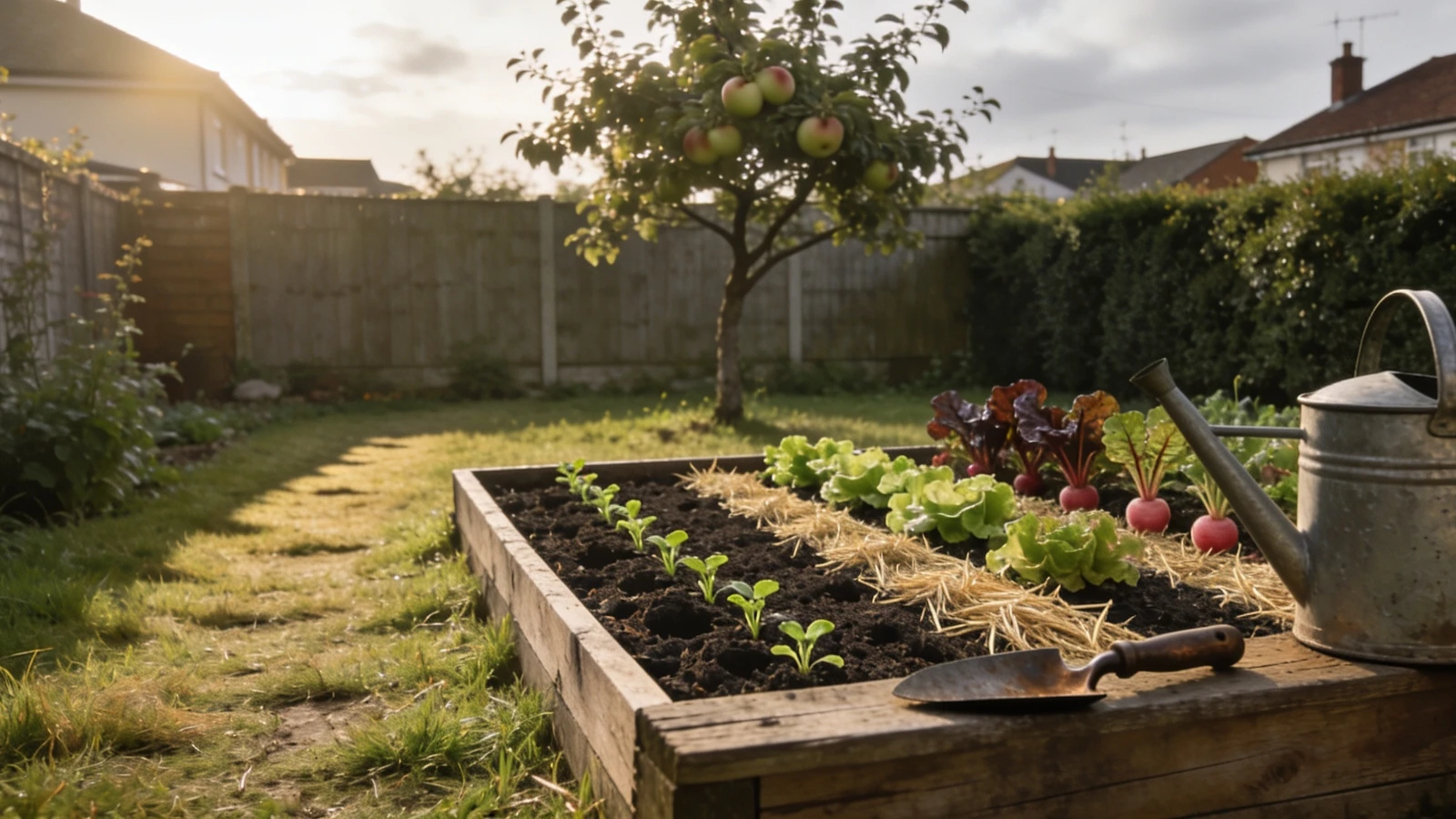
How to Start a Garden
How to start a garden in one season: check your light first, build one small bed without digging, plant six easy crops. Costs from $60, step by step.
Updated
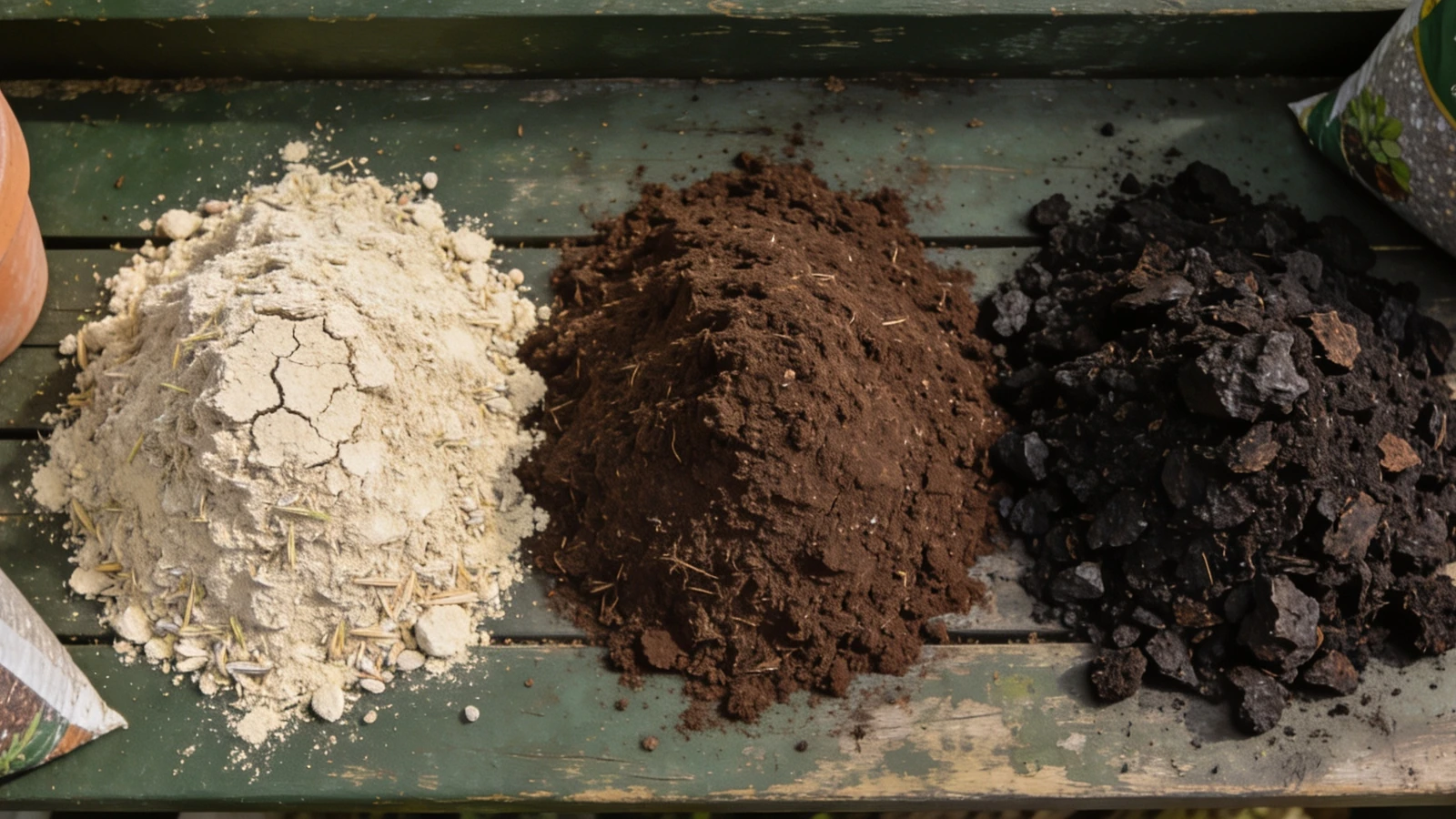
Garden Soil vs Potting Soil
Garden soil vs potting soil, explained by what each one is for. Why garden soil fails in a pot, why potting compost is wasted in a bed, and what to buy for what.
Updated
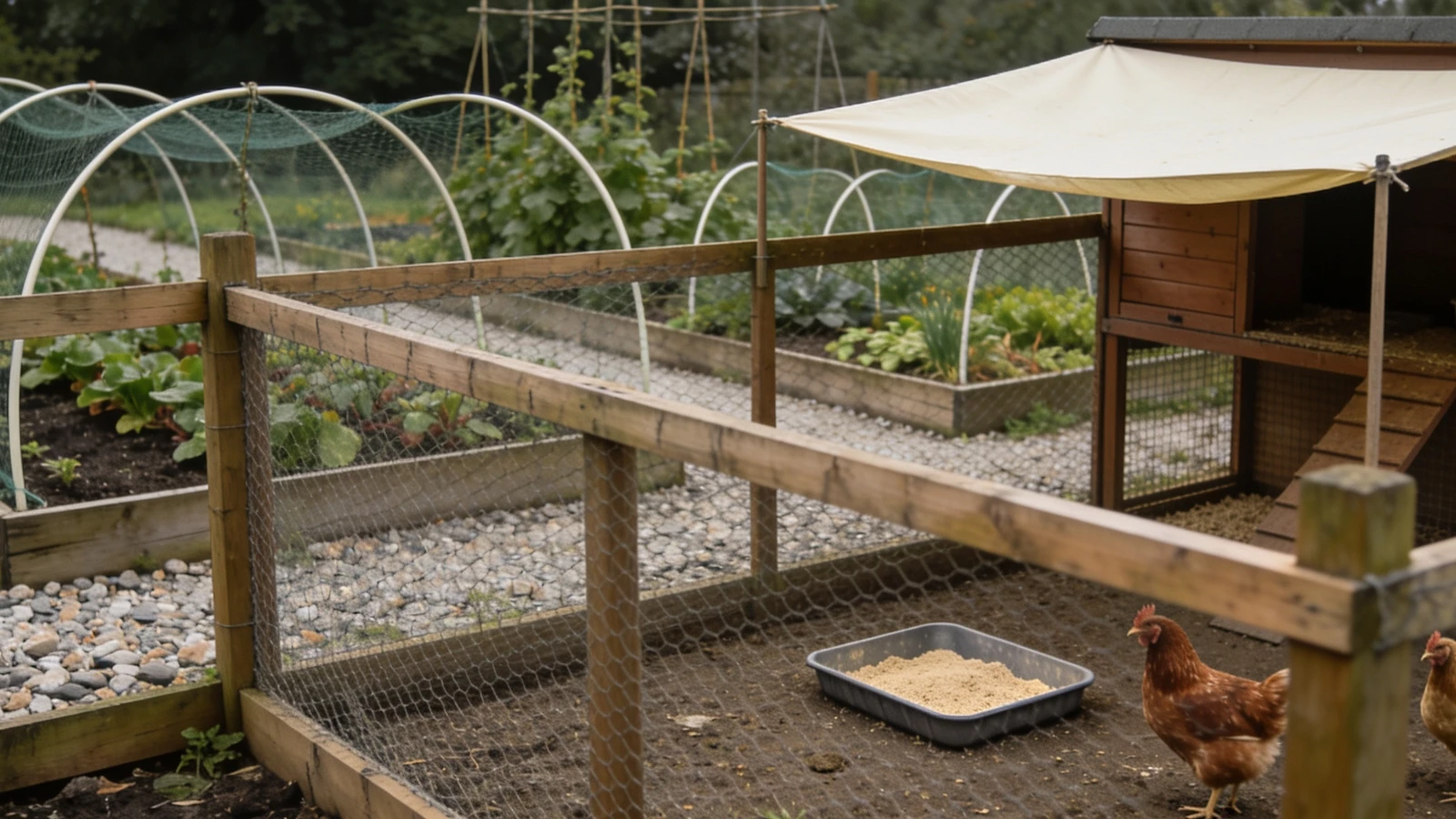
Chickens in the Garden
Chickens in the garden, honestly. What they wreck, what they are genuinely good for, and the fenced-run-plus-supervised-access system that keeps both alive.
Updated