Gardening Guides
Step-by-step how-tos you can follow with dirt on your hands.
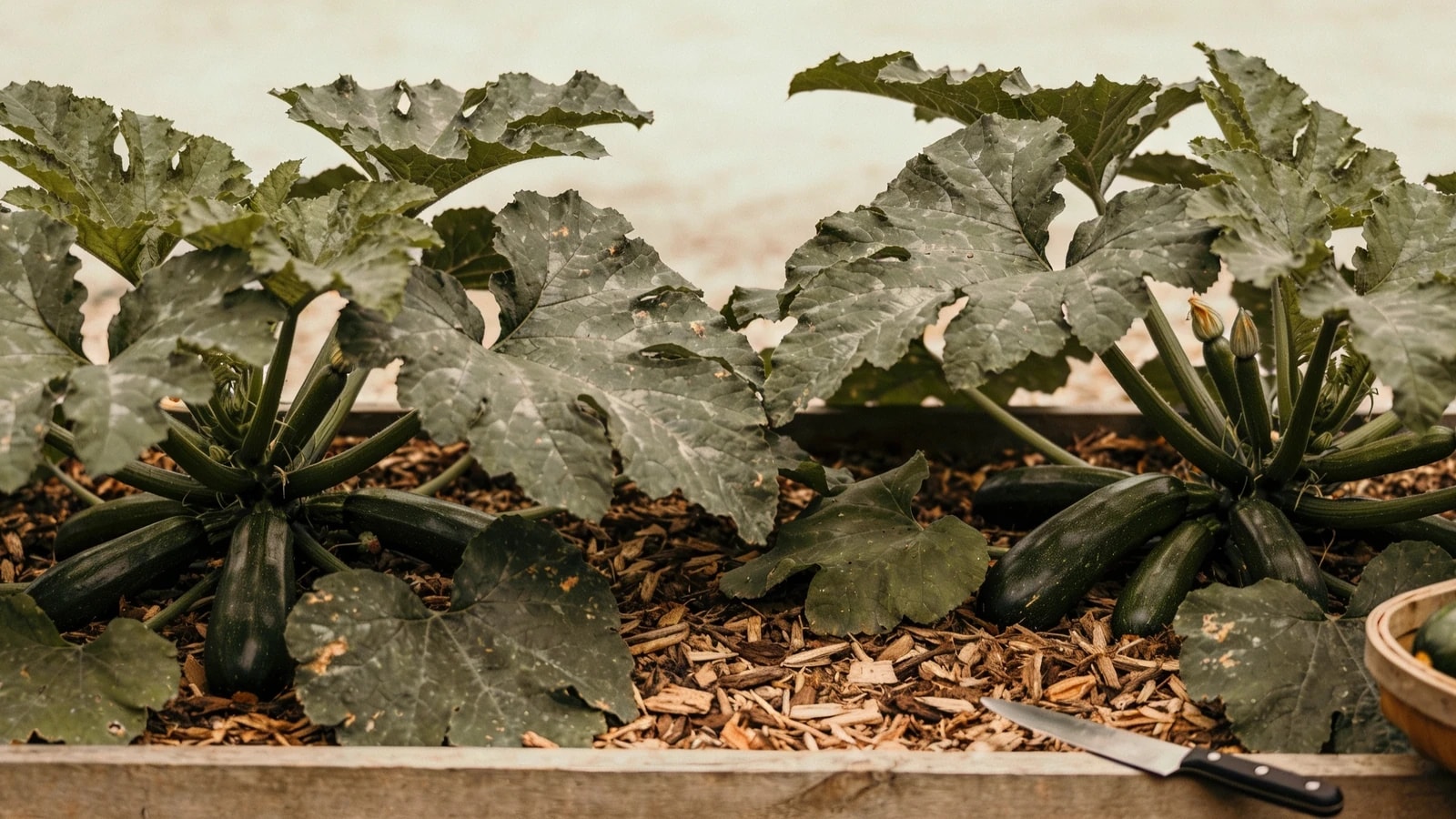 GuidesHow to Grow Courgettes
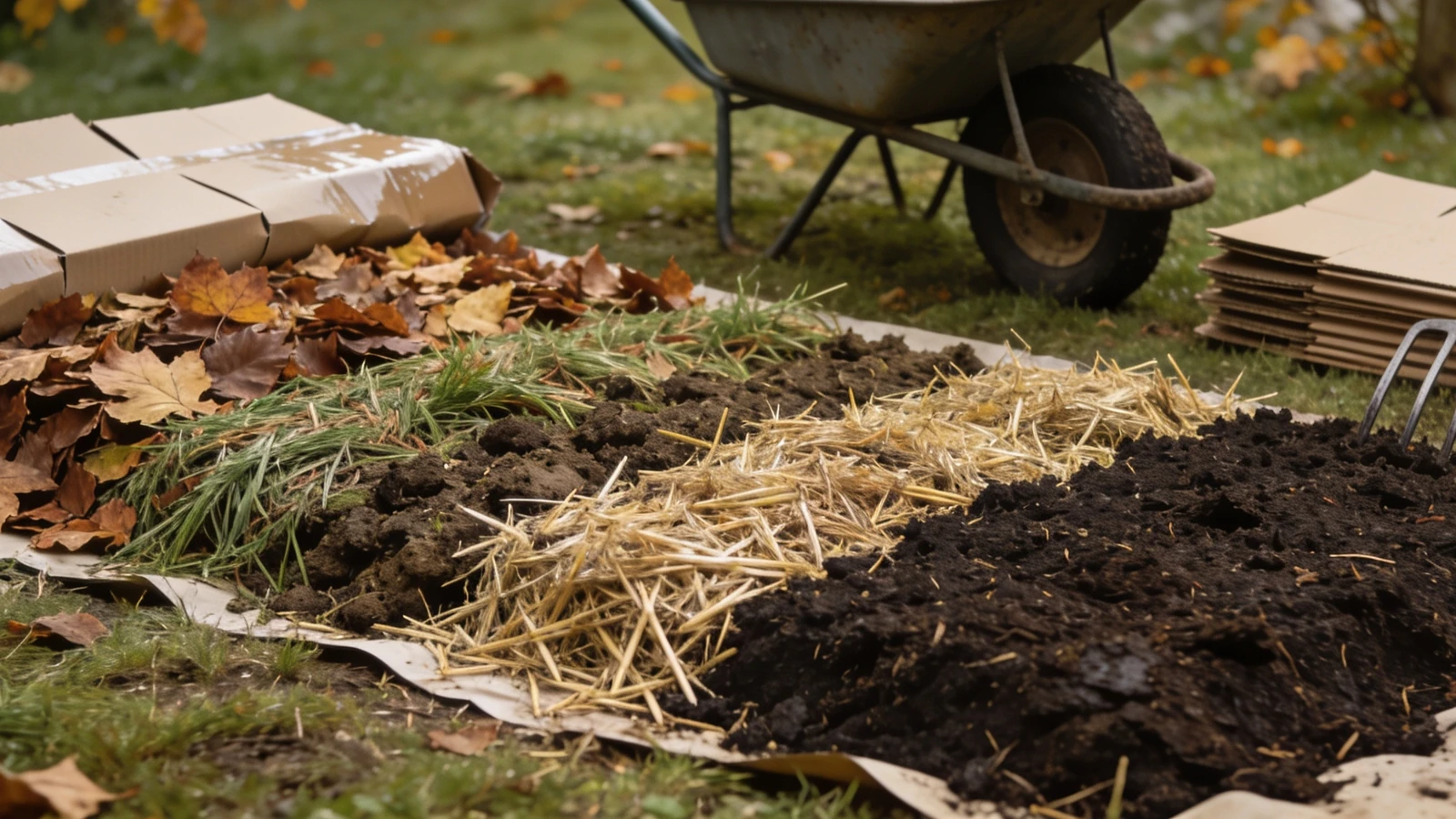 GuidesLasagna Gardening
 GuidesLawn Care Basics
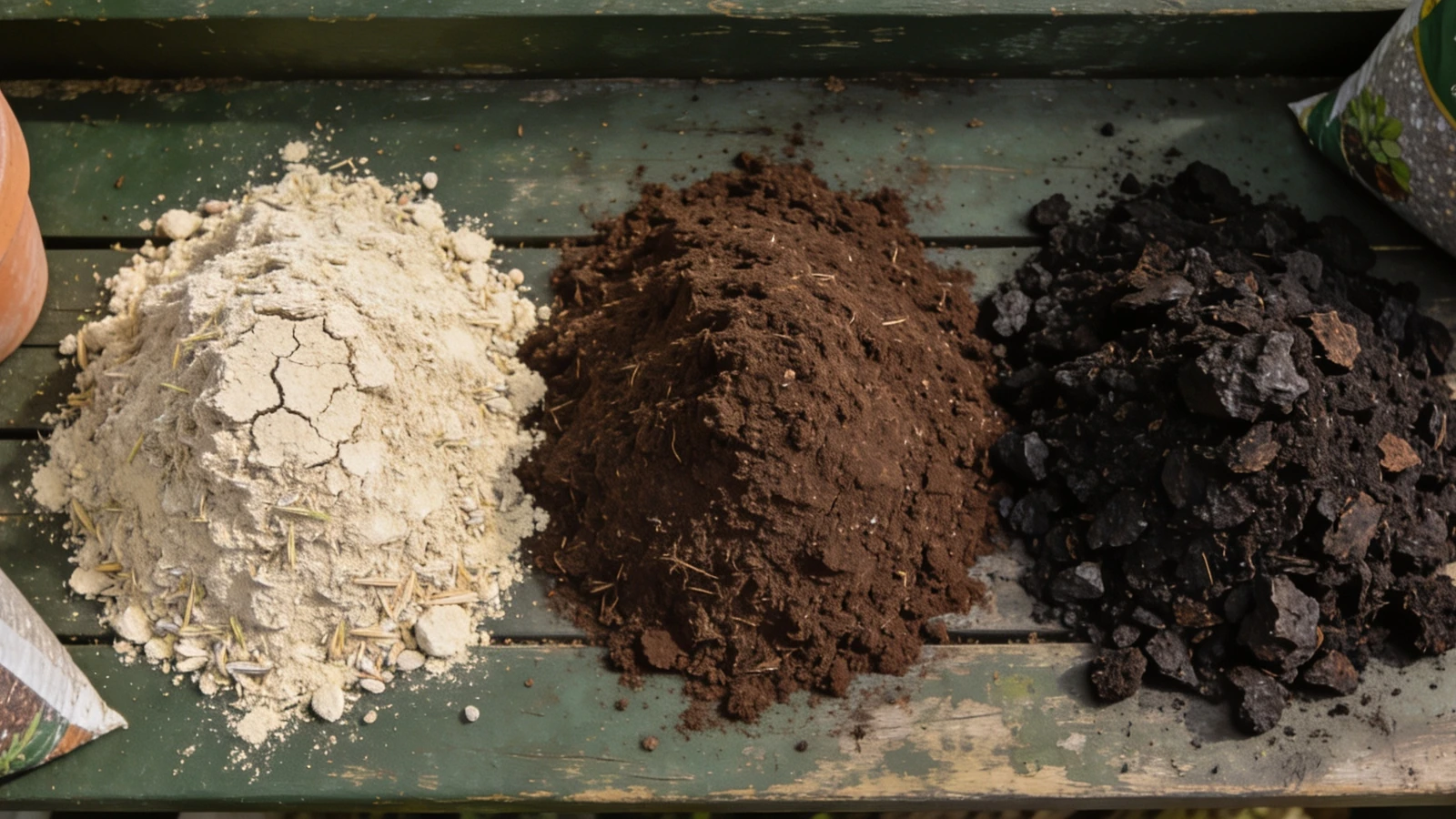 GuidesGarden Soil vs Potting Soil
Gardening, for people with other things on
Sometimes Gardening is written for the sometimes gardener, the balcony grower, the raised-bed convert, the person who inherited a lawn and a rusty spade. We cover step-by-step guides, planting ideas, gardening tools, clothes and accessories , with prices, trade-offs and the bits nobody mentions.
New to this? Start with your first vegetable garden.
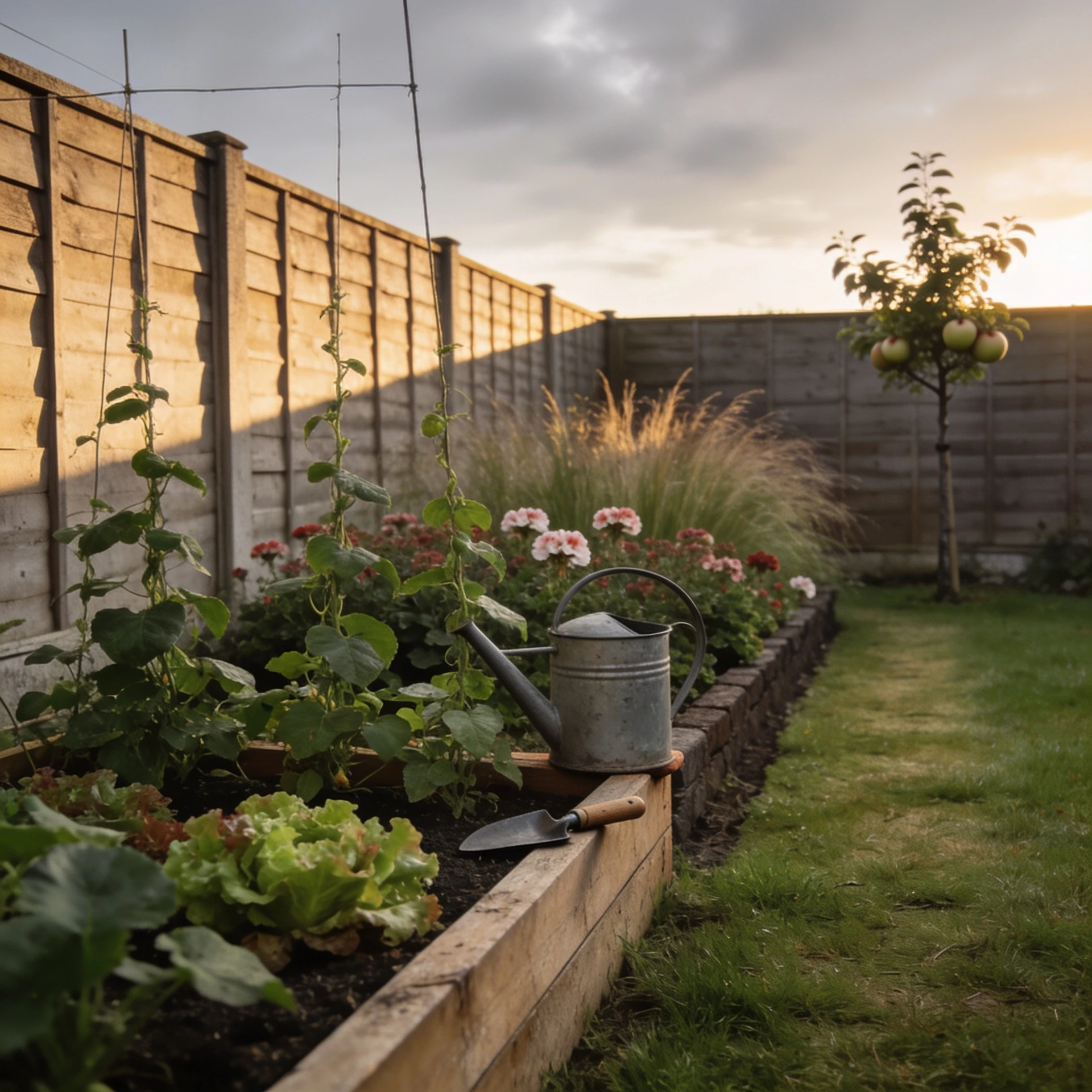
How to do the job, and what to plant where. These two sections are the reason the site exists. Kit comes further down, once you know what you are trying to grow.
Step-by-step how-tos you can follow with dirt on your hands.
GuidesHow to Grow CourgettesGuidesLasagna GardeningGuidesLawn Care BasicsGuidesGarden Soil vs Potting Soil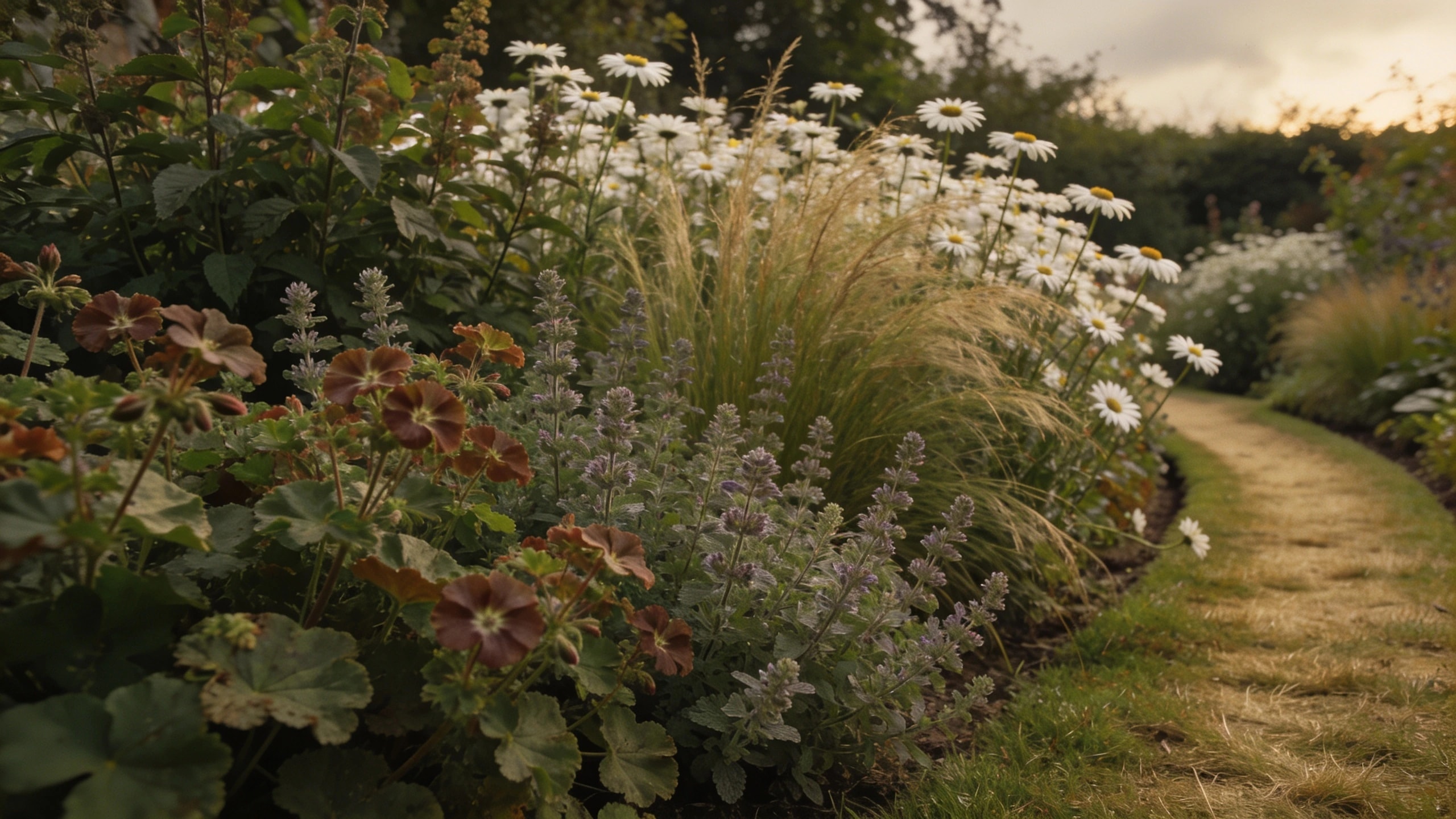
Layouts, planting plans and design tricks that fit real spaces.
All 21 gardening ideas →How to grow courgettes and zucchini: how many to plant, why the first fruits rot, hand pollination, and picking small enough to keep the plant producing.
Updated
Lasagna gardening is sheet mulching: cardboard and layers of organic matter straight onto grass. What to layer, how deep, how long to wait, and what it cannot fix.
Updated
Lawn care that works with less effort. Why cutting height matters more than feed, how to fix moss and bare patches, and when to stop fighting the grass entirely.
Updated
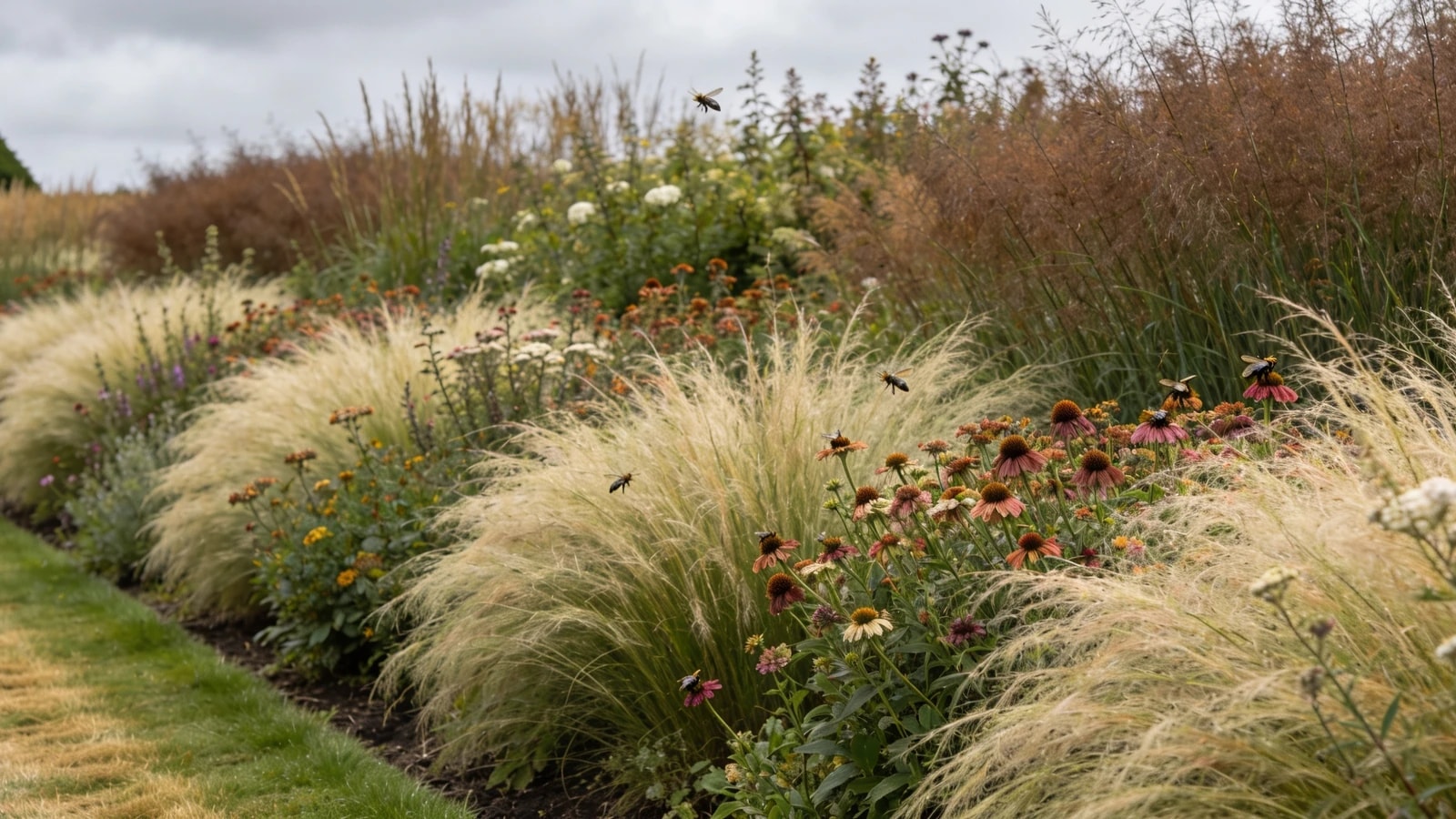
A native plant garden without the purism. Why native means local rather than national, how to find your own list, and where non-natives still earn a place.
Updated
Tools, gifts, clothes and the accessories worth the space. Nothing here is sponsored and nothing is ranked by commission.
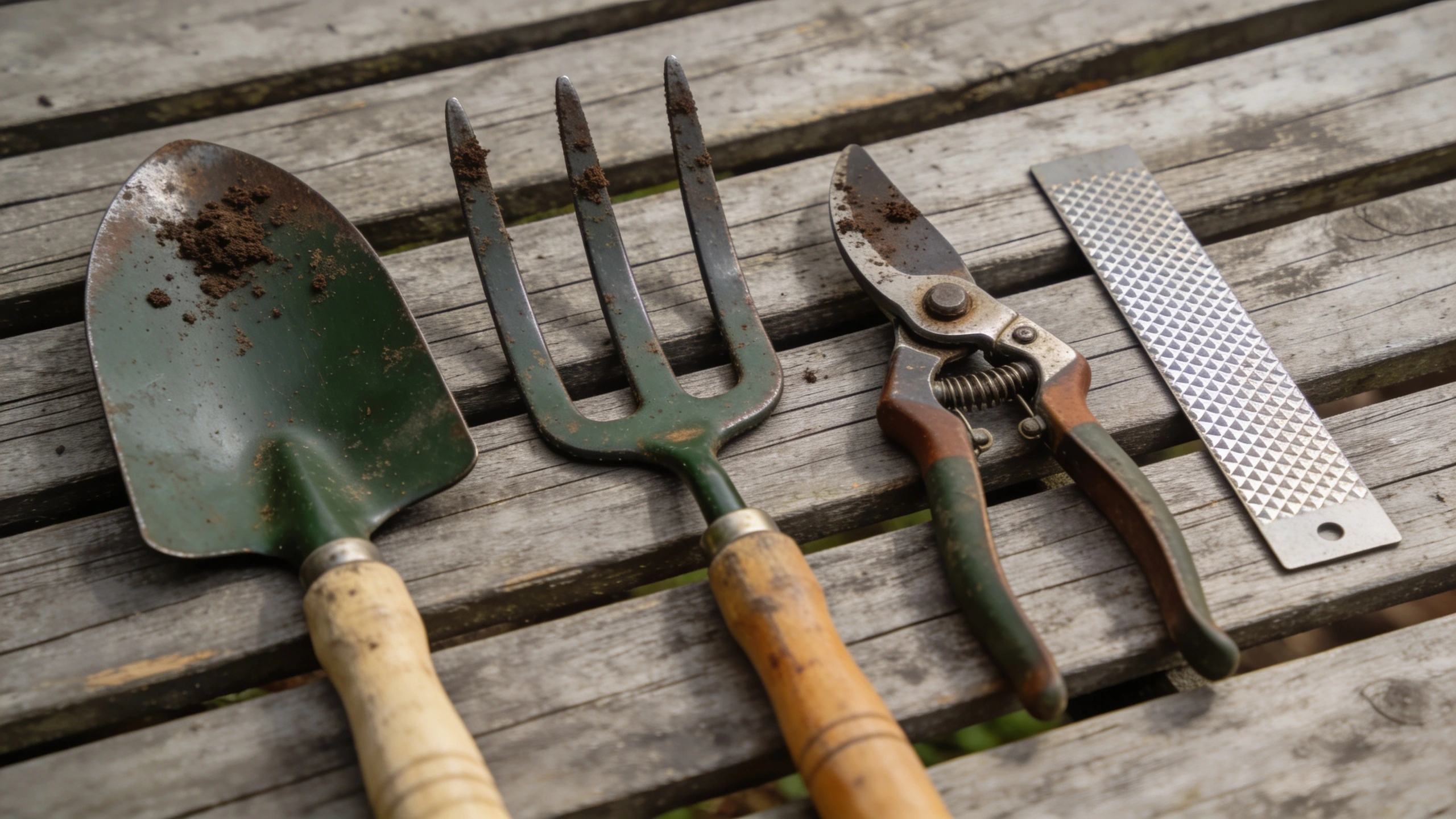
What to buy, what to skip, and what still works in ten years.
5 articles →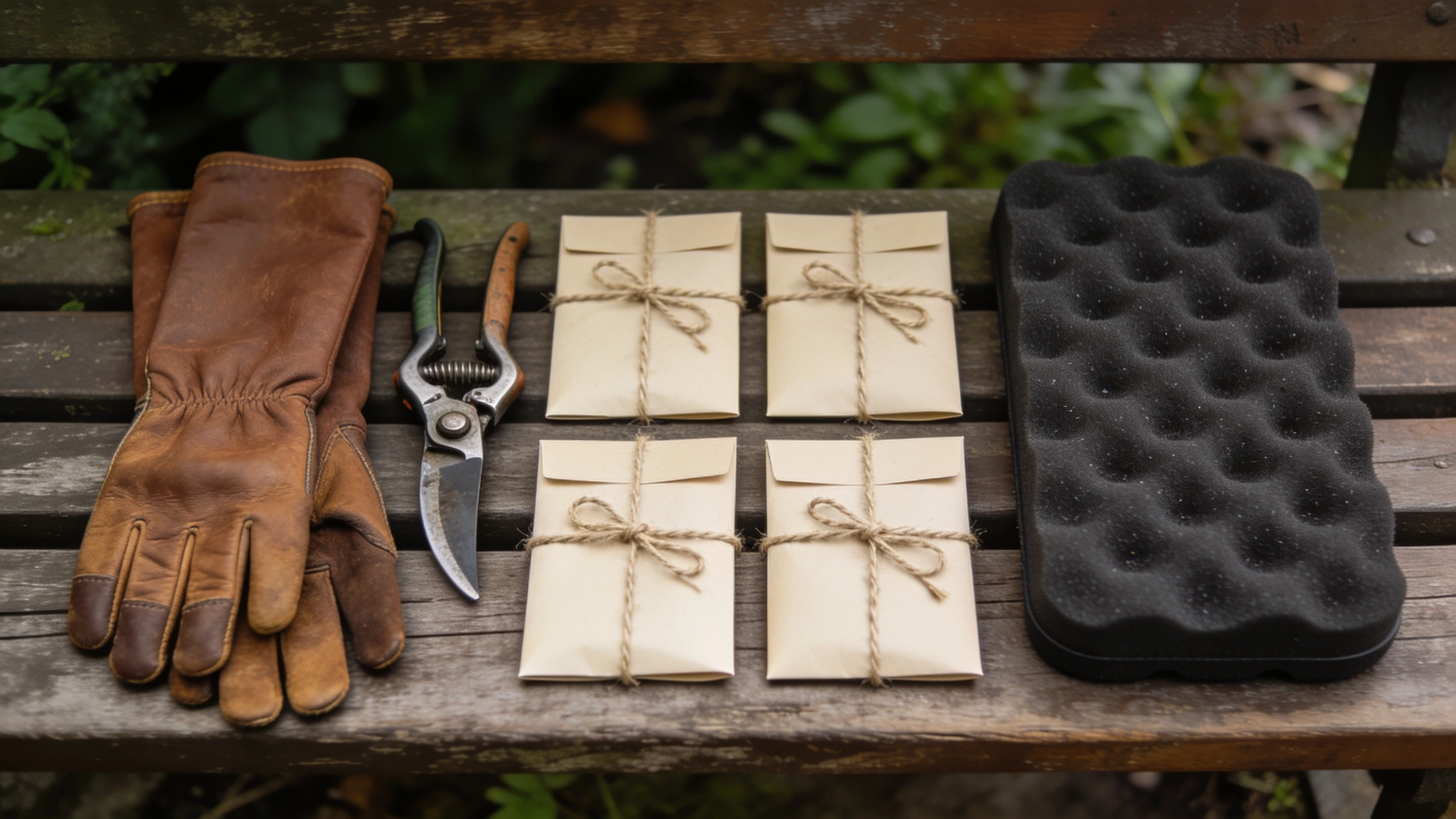
Presents gardeners keep using instead of quietly re-gifting.
3 articles →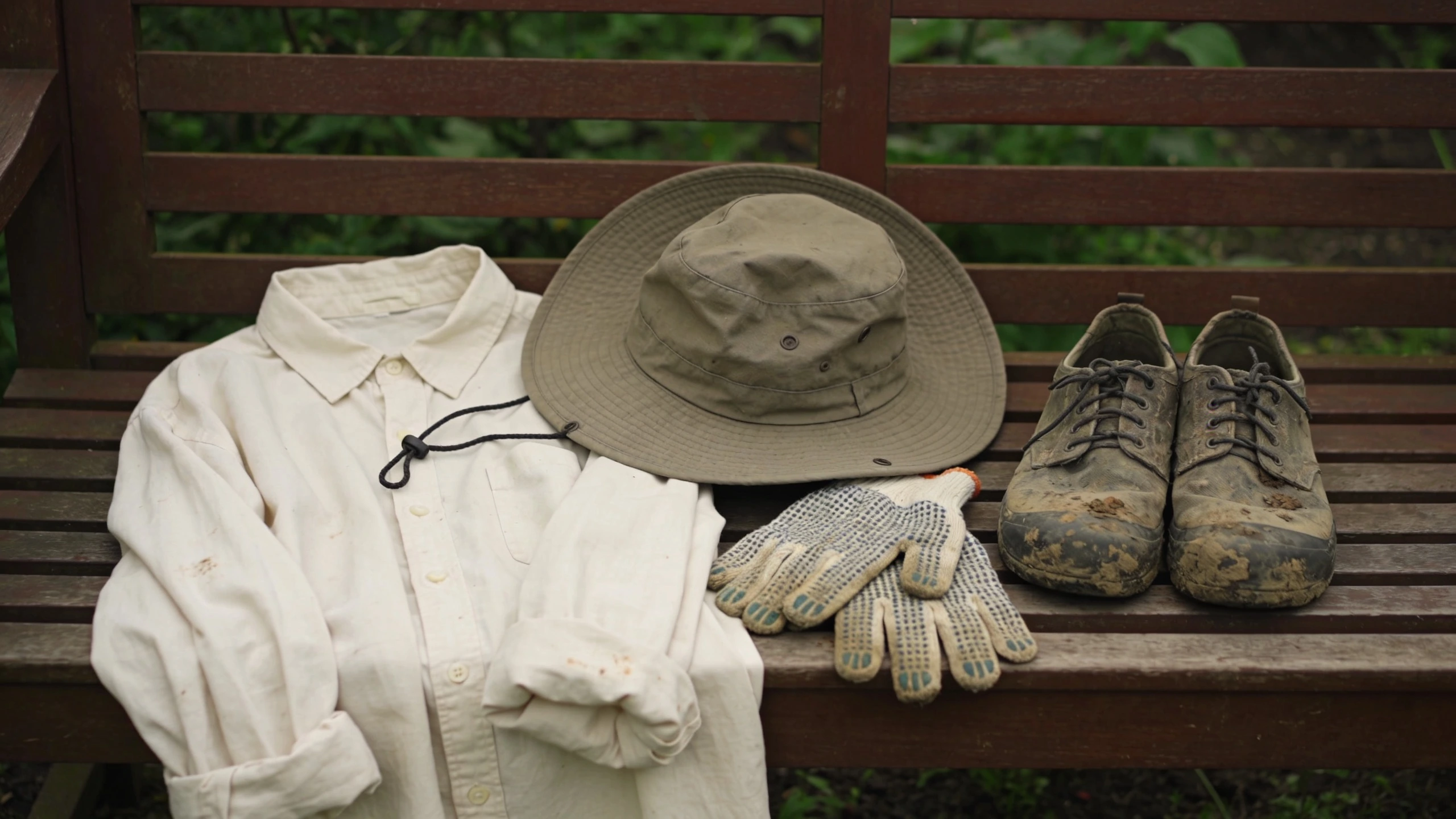
Gloves, boots, sun kit and layers that survive a full season.
2 articles →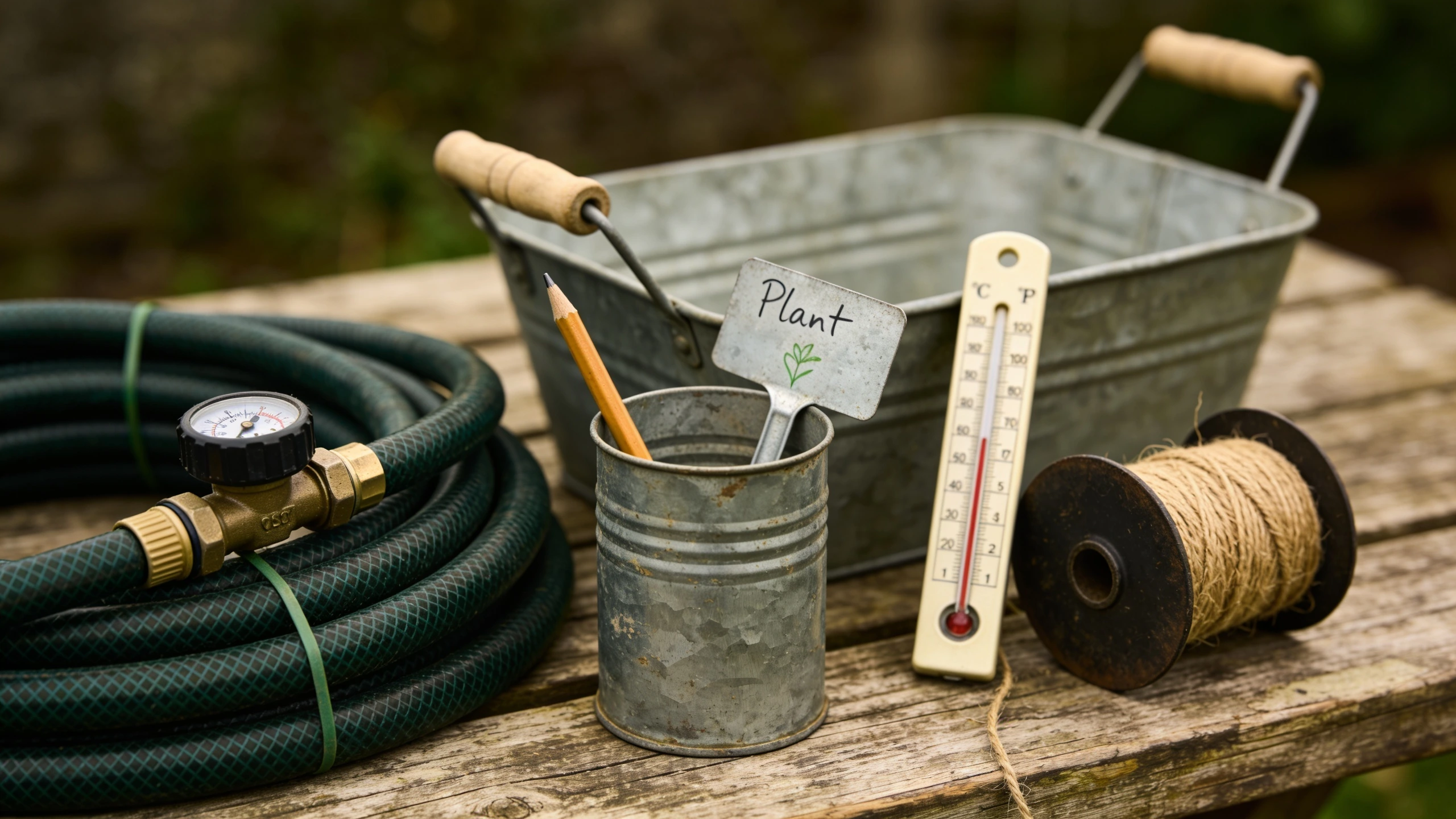
Kneelers, watering kit, supports and storage that earn their space.
3 articles →Nothing on this site is sponsored, so these are here because they get read, not because someone paid for the position.
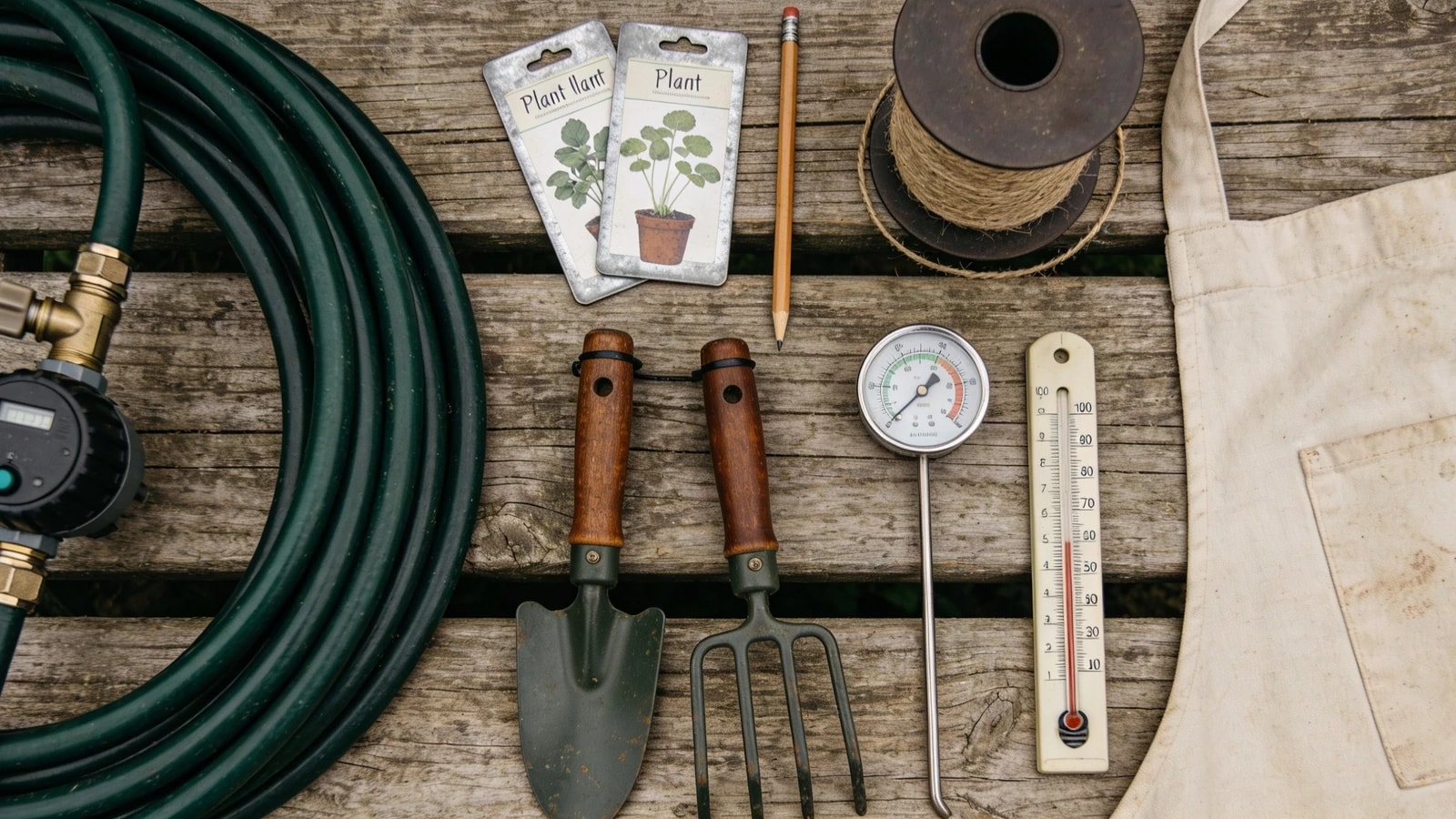
The small kit that removes friction from every session: watering gear, labels, supports and storage, plus the accessories that just take up room.
Updated
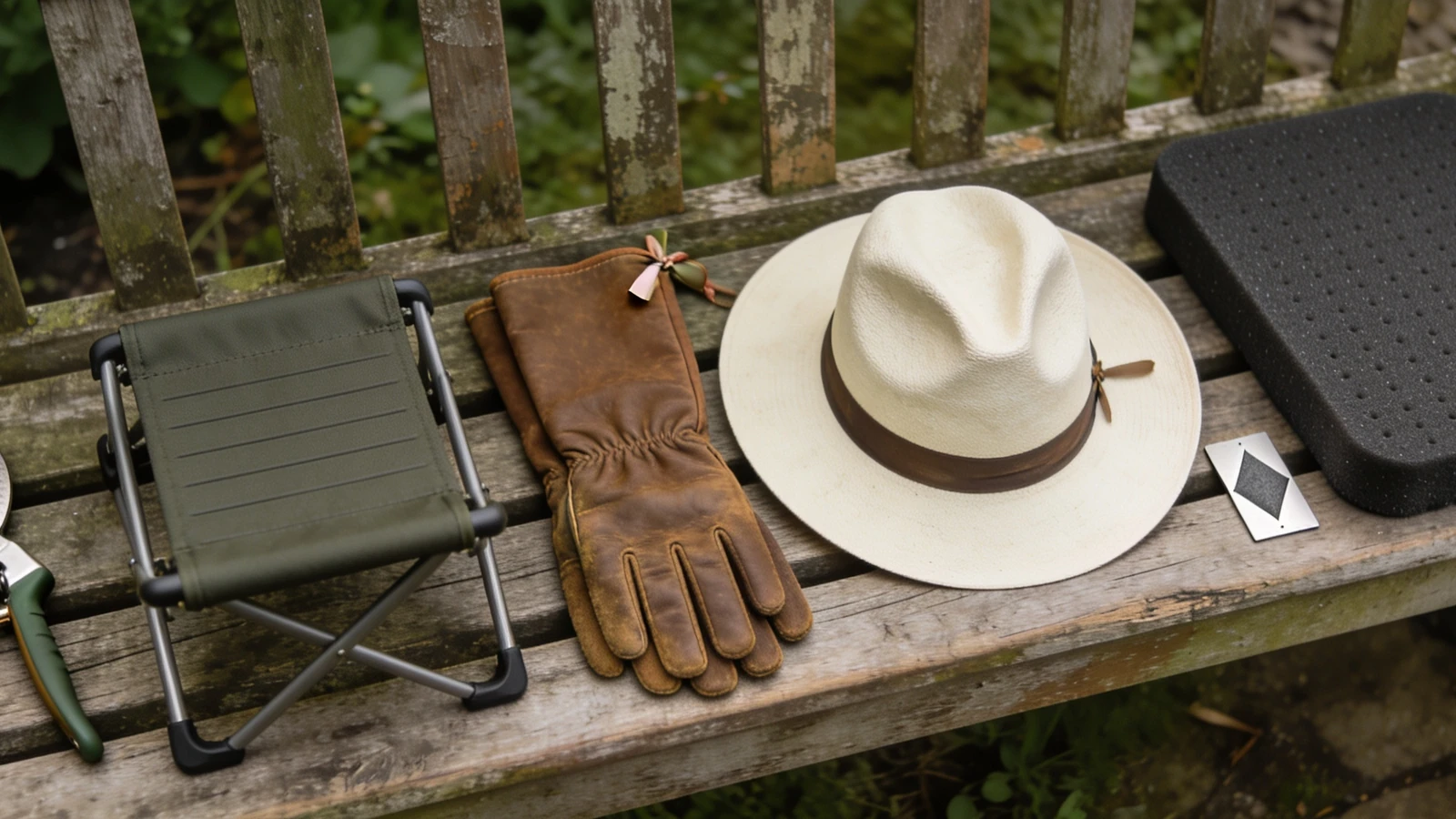
Gardening gifts for mothers who genuinely garden, sorted by budget, with a note on what to check before you order so it does not end up in the shed.
Updated
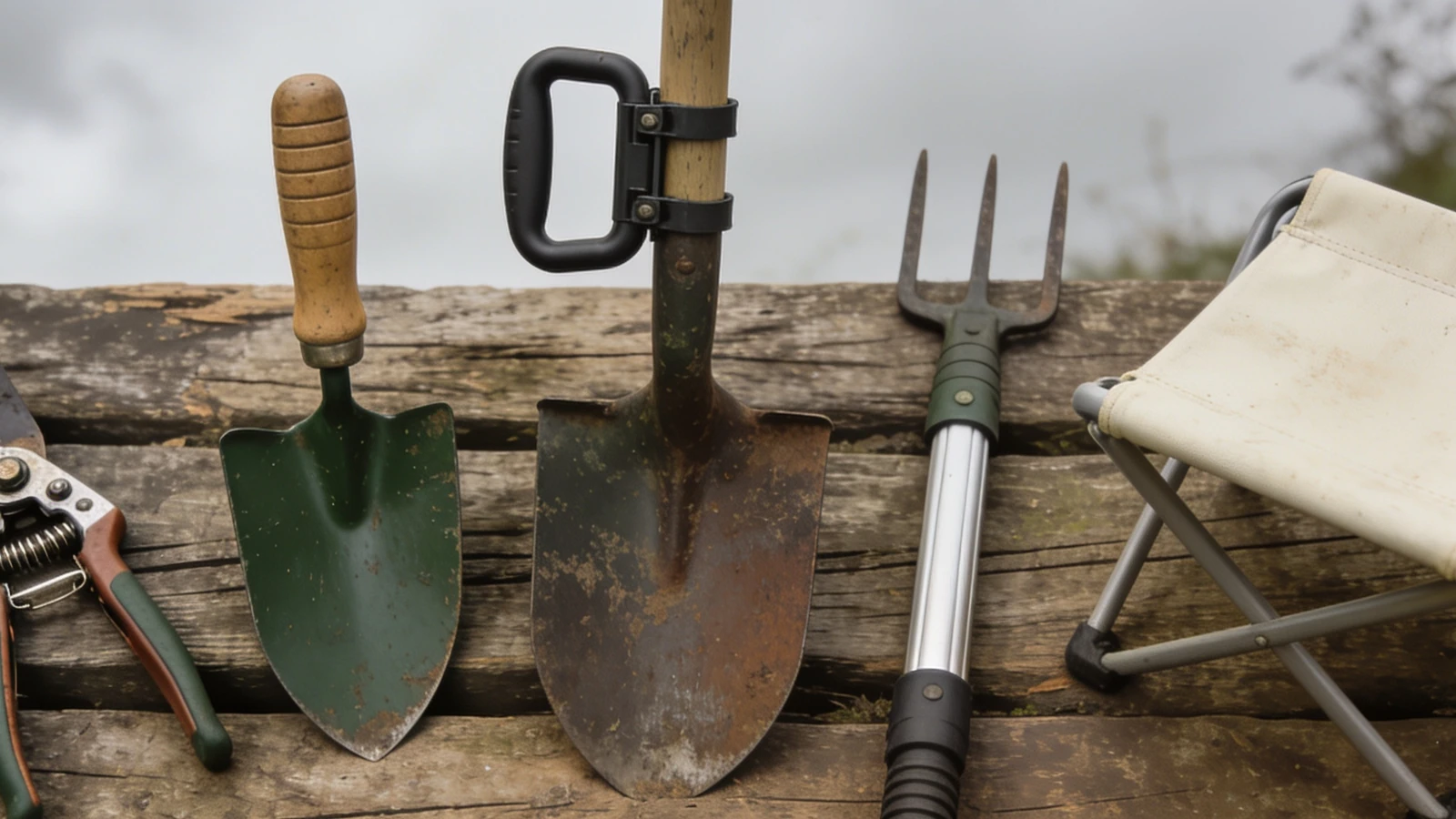
Ergonomic garden tools that reduce grip force, wrist strain and bending, plus the design details that matter more than the word “ergonomic” on the packaging.
Updated
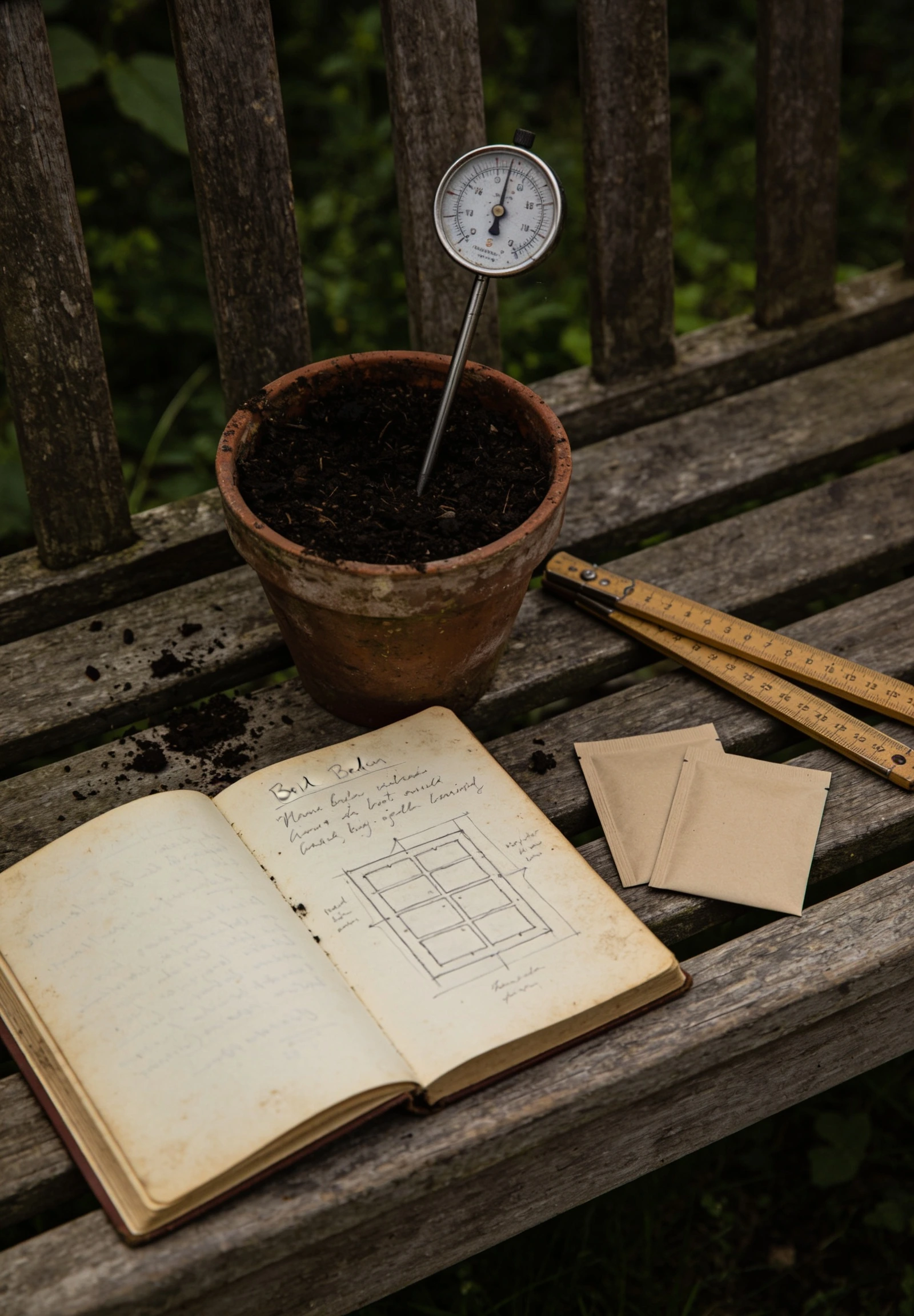
Gardening advice goes wrong in two directions. It is either so vague that it cannot be acted on, “water regularly”, “improve your soil”, or so tied to one climate that following it elsewhere does harm. We try to sit in the middle: name the principle, give the number that matters, and say what changes if your conditions are different.
On tools and kit we do not chase novelty. A trowel design that has survived since the 1950s survived for a reason. Our buying guides talk in terms of what a tool has to do, leverage, edge retention, whether the handle joins the head in a way that will last, rather than model numbers that are discontinued by next spring.
And we say when we do not know. Soil is local, weather is local, and anyone who tells you their method works everywhere has only gardened in one place. Our editorial policy sets out how we research, review and correct what we publish.
Radishes, lettuce, bush beans and mint. All four germinate quickly, tolerate imperfect soil and show visible progress inside a month, which is the single best predictor of whether someone keeps gardening.
Five: a hand trowel, a hand fork, bypass secateurs, a watering can with a rose head, and gloves that fit. Everything else can wait until a specific job demands it.
Yes. A balcony, doorstep or sunny windowsill will grow herbs, salad leaves, chillies, dwarf tomatoes and strawberries in containers. The real constraint is light, not floor space, aim for six hours of direct sun for fruiting crops and three or four for leaves.
Water deeply and less often rather than lightly every day. Push a finger two inches into the soil: if it is dry at that depth, water until it runs from the bottom of the pot or soaks six inches into a bed. Containers in high summer often need this daily; established beds rarely do.