Witches Garden: The Real Herbs Behind the Folklore
A witches garden is a historical herb garden. What was actually grown and why, which plants are genuinely dangerous, and a safe planting plan that still looks the part.
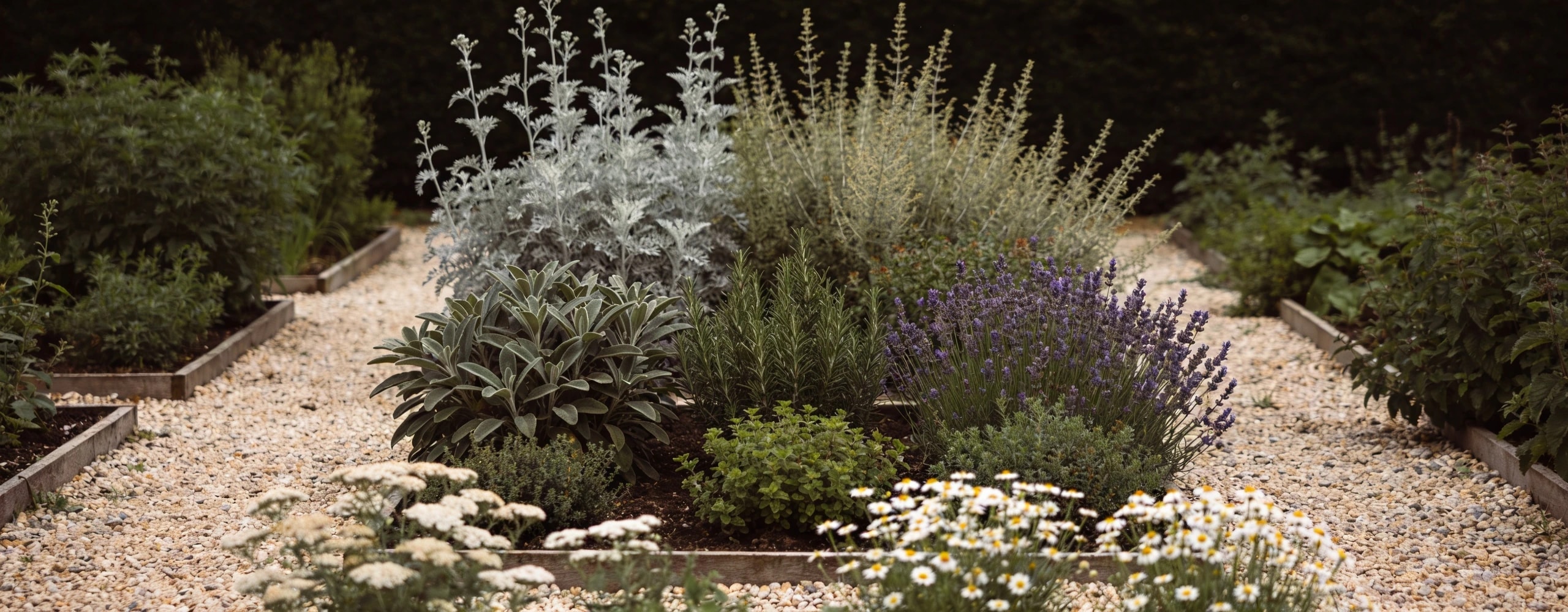
A witches garden is, when you strip the romance off it, a traditional herb garden. The plants in the old herbals were grown because people needed medicine, flavour, dye and something to keep moths out of the linen, and the folklore accumulated on top. I find that more interesting rather than less, and it makes for a genuinely good garden: mostly silver and green, heavily scented, and almost all of it useful in the kitchen.
The short answer
Plant the safe historical list: mugwort, wormwood, rosemary, sage, thyme, lavender, yarrow, vervain, chamomile, mint in a pot, and an elder if you have room. Full sun, poor soil, sharp drainage, and do not feed them. Leave the famously poisonous ones out, belladonna, henbane, datura, monkshood, unless you have no children, pets or visitors, and even then think hard. A divided bed with narrow paths is the traditional layout and it is genuinely practical.
What was actually grown, and why#
The old herb gardens were working gardens. Every plant had a job, and most of those jobs were mundane.
- Mugwort
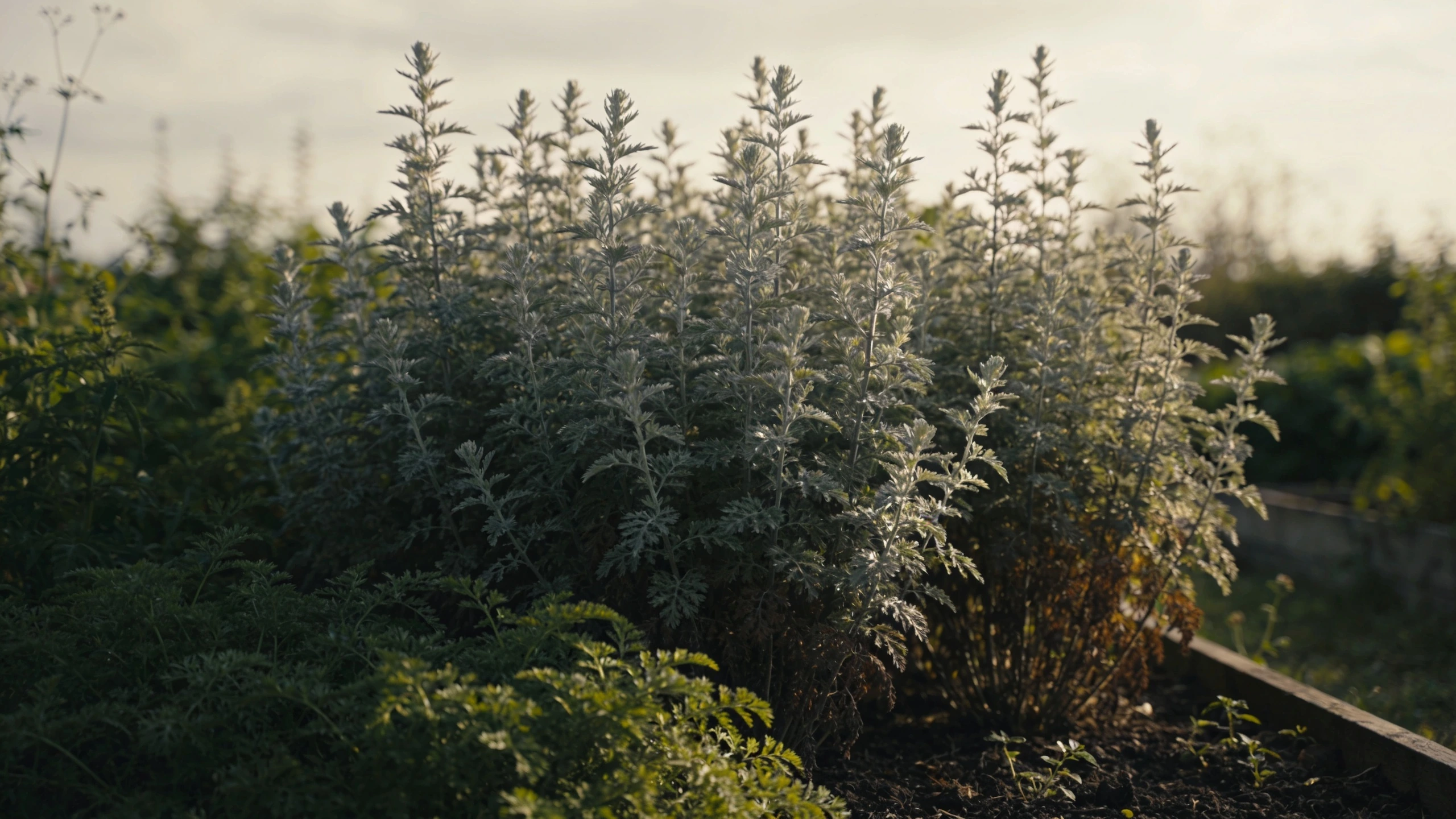
- Silver, tall, aromatic. Used in brewing before hops, as an insect repellent, and in almost every folk tradition going. Very easy to grow and it self seeds.
- Wormwood
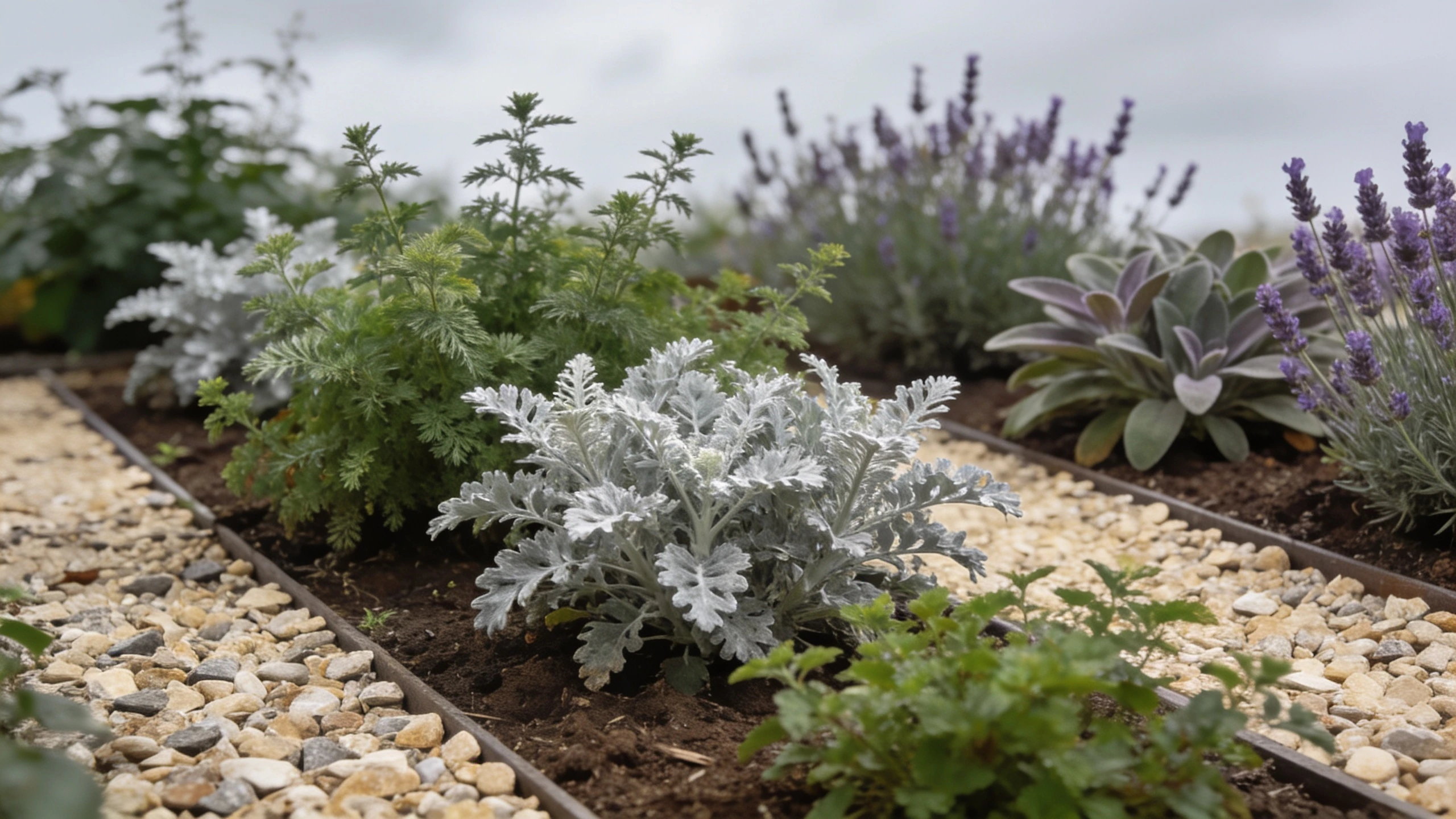
- The most striking silver foliage on the list. Historically for moths, worms and bitters. Handsome enough to earn a place in any border.
- Yarrow
- Flat white or dusty pink flower heads, feathery leaves. A wound herb across many cultures, and one of the better plants for hoverflies.
- Vervain
- Slender, unremarkable to look at, and it appears in more charms and remedies than almost anything else. Grow it for the history.
- Chamomile
- For sleep, and it genuinely smells of apples when you tread on it. The lawn form takes light foot traffic.
- Elder
- Flowers for cordial, berries for dye and syrup, and a tree wrapped in more superstition than any other in northern Europe. Gets big, so site it accordingly.
- Rosemary, sage, thyme, lavender
- The Mediterranean backbone. Evergreen, drought proof, scented when brushed, and all four are in constant use in a kitchen.
- Mint, in a pot
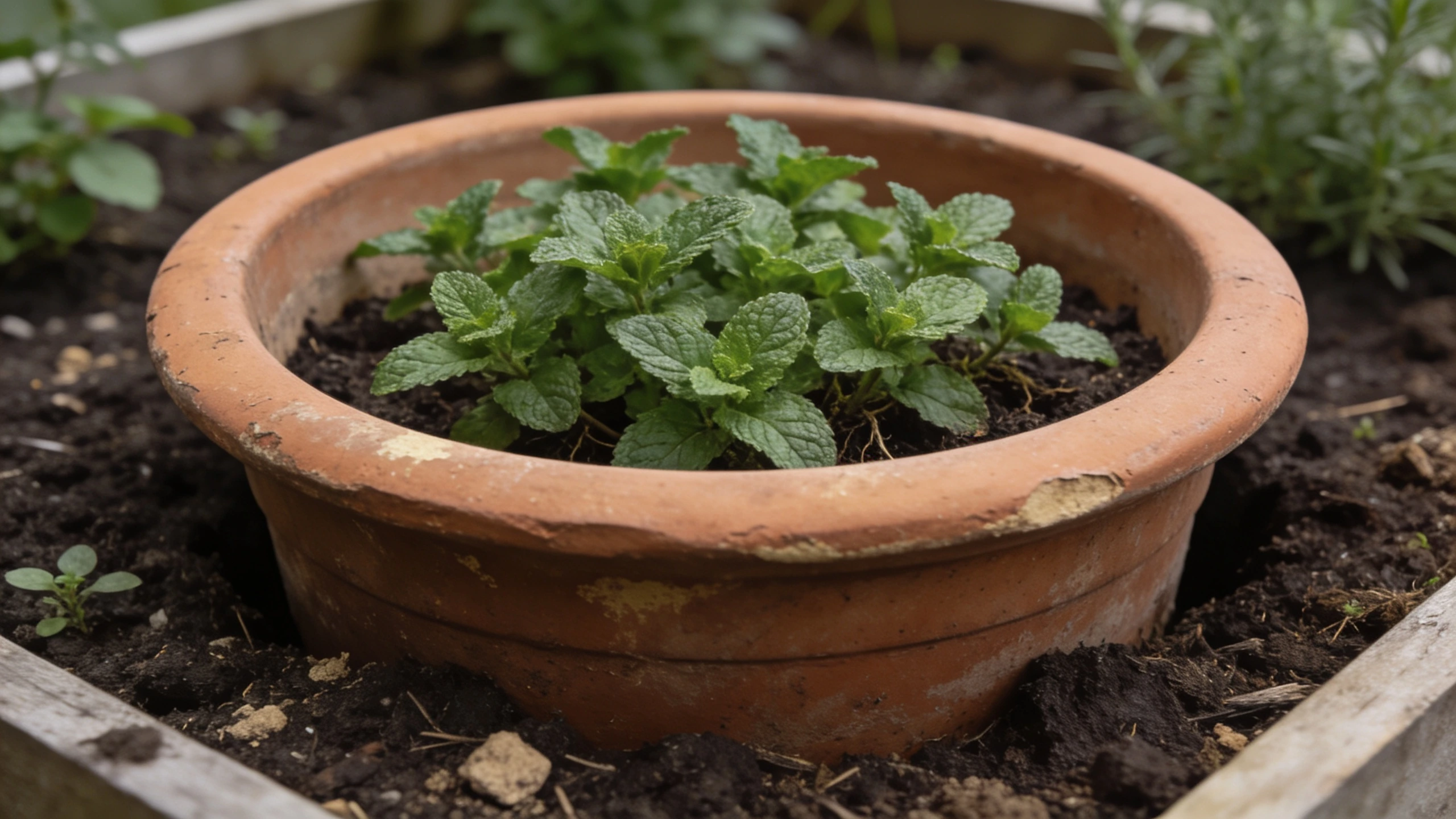
- In the ground it will take the whole bed. Historically for digestion, and a good insect repellent by the door.
The dangerous plants, said plainly#
This is the part of the subject that needs a straight answer rather than atmosphere.
The plants that give the folklore its darker reputation are genuinely dangerous. Deadly nightshade, henbane, mandrake, datura, monkshood and hemlock are all seriously toxic. Monkshood can cause harm through skin contact with the sap. Several produce berries or large showy flowers that are actively attractive to children.
If you are determined, the minimum is: know exactly what you have planted, label it permanently, never plant it where a child can reach it, wear gloves, and never let it self seed unnoticed. Foxglove and monkshood in particular are already in a great many gardens, planted by people who have no idea.
Everything the look needs, from the safe list#
Here is the honest point: you do not need the poisonous plants for the garden to work.
The character of a witches garden is silver foliage, strong scent, height, and a slightly untidy abundance. Mugwort and wormwood provide the silver and the height. Lavender, rosemary and thyme provide the scent and the evergreen structure. Yarrow and chamomile provide the flat, old-fashioned flower heads. Elder provides the presence.
That is the whole aesthetic, delivered by plants you can hand to a child.
Growing conditions, where most herb gardens fail#
Almost the entire safe list is Mediterranean, and Mediterranean plants want the opposite of what a good border gets.
Full sun. Poor soil. Sharp drainage. No feeding.
Plant rosemary or lavender in rich moist soil and feed it, and you get soft floppy growth, less scent, less flavour and a plant that rots in its second winter. The essential oils that make these plants worth growing are produced under stress.
So: if your soil is heavy, add grit and plant on a slight mound or in a raised bed. Do not mulch with compost the way you would a vegetable bed; gravel mulch suits them far better because it keeps the crowns dry.
The exceptions are mint, chamomile and elder, which all want more moisture. Mint in a pot solves that, and the other two can go at the damper end.
The layout, which is practical rather than decorative#
The traditional divided bed is not just a look. A square or circle split into quarters by narrow paths means you can reach every plant without standing on the soil, which matters when you are cutting herbs weekly.
Key points
- Keep every bed under about 1.2 m across so you can reach the middle from a path.
- Tallest at the back or the centre: mugwort and wormwood both reach a metre or more.
- Mints in sunken pots inside the bed. They run, and they will not stop at a path.
- Put what you cut most nearest the house. Thyme and rosemary get picked far more than vervain.
- Leave gravel or a hard path rather than grass between beds, because grass creeps into herbs and is miserable to weed out.
The history, kept as history#
I want to be careful about one thing. Many of these plants have real pharmacology behind them and several are the origin of modern drugs. That is not the same as the traditional uses being safe or effective, and quite a lot of what is written about them is repeated rather than tested.
So I grow them as a historical and culinary collection, and I use the culinary ones in cooking. What I do not do is treat an old herbal as a medical text, and I would not encourage anyone to make preparations from plants on the basis of folklore.
If a plant interests you medicinally, that is a conversation for a pharmacist or a doctor, not a garden page.
What it costs#
- Nine herb plants
- $60 to $140. Rosemary, sage, two thymes, lavender, yarrow, chamomile, mugwort, wormwood.
- Mint in a large pot
- $12 to $30 including the pot. Non negotiable, and cheaper than digging it out later.
- Seed instead of plants
- $15 to $30 for the lot. Mugwort, yarrow, vervain and chamomile are all easy from seed and it is a fraction of the cost.
- Grit for drainage
- $8 to $18 a bag. On any soil that holds water this is what makes the difference.
- Gravel for paths and mulch
- $40 to $110 for a small divided bed. Also suppresses weeds and keeps the crowns dry.
- An elder
- $15 to $40, or free from a cutting, because they root very readily.
Where this needs adjusting#
In heavy shade this planting does not work. The Mediterranean list needs sun, and the honest substitution is a woodland herb collection instead: sweet cicely, wild garlic, angelica, lemon balm.
On a balcony, the whole thing works in containers, and terracotta suits these plants better than most. Keep the mint separate and expect to water more often than you would in the ground.
And in a wet climate, lean towards the plants that tolerate it, mint, chamomile, yarrow, elder, and grow the Mediterranean ones in pots you can move under shelter for winter.
Where the guidance here comes from#
The plant list is drawn from traditional European herbals and from what grows well in my own dry sunny bed. The toxicity warnings are the part I would not want anyone to take casually: check any plant you are unsure about against the RHS advice pages, which flag harmful species clearly, and Garden Organic is good on growing herbs without feeding them. Historical uses here are history, not medical guidance.
The short version#
Plant the safe historical list, mostly silver and mostly scented, in full sun and poor gritty soil, and do not feed it. Mint in a pot. Leave the famous poisons out, because the safe plants deliver the whole look. Use a divided bed with narrow paths so you can actually pick things. Then enjoy the folklore as folklore.
Related reading#
- Moon garden: the overlapping planting, chosen for dusk rather than for tradition.
- Food garden ideas: where the culinary half of this list earns its place in an ordinary border.
- Container gardening: pot sizes and compost for the balcony version.
- Pollinator garden: yarrow, mugwort and marjoram are among the best insect plants there are.
Frequently asked questions
What is a witches garden?
In practice it is a traditional herb garden, planted with the species that appear in folklore, folk medicine and old herbals. Historically those plants were grown by anyone who needed medicine, dye, flavour or insect repellent, which was everyone. The label is romantic; the plant list is genuinely historical and most of it is useful in a modern kitchen.
Which plants are traditionally associated with witchcraft?
Two groups, and the difference matters. The safe and useful ones: mugwort, rosemary, sage, thyme, lavender, yarrow, vervain, chamomile, elder, mint and wormwood. The dangerous ones: henbane, belladonna, mandrake, monkshood, hemlock and datura. The second group is where the folklore gets its reputation and where you should be extremely careful, or simply not plant them.
Should I grow the poisonous plants?
I would not, and I say that as someone who finds them interesting. Belladonna, henbane, datura and monkshood are seriously toxic, some by skin contact with sap, and several are attractive to children because of berries or big flowers. If you have children, pets or visitors, the historical interest is not worth the risk. Everything the garden needs to look and smell right is available from the safe list.
Is a witches garden the same as a moon garden?
They overlap and they are not the same. A moon garden is planted for how it looks and smells at dusk, using white flowers, silver foliage and night scent. A witches garden is planted by tradition and use, which happens to include a lot of silver and a lot of scent. If you want both, plant the silver-leaved herbs on the list, which serve either purpose.
What did people actually use these herbs for?
Mostly ordinary things. Yarrow and plantain for wounds, chamomile and valerian for sleep, mugwort and wormwood as insect repellent and in brewing, elder for cordials and dye, mint and thyme for digestion and flavour. Some of it has a real pharmacological basis, plenty of it does not, and I would treat the historical uses as history rather than as medical advice.
What layout suits a herb garden like this?
A traditional divided bed works and it is practical rather than decorative: a square or circle split into quarters by narrow paths, so every plant can be reached without treading on soil. Keep the mints in pots inside the beds, because they run. Put the tallest, mugwort and wormwood, at the back or the centre where they will not shade everything else.
Do these plants need special conditions?
Most of the safe list is Mediterranean and wants the same thing: full sun, poor soil and sharp drainage. That is the single most common failure, because people plant herbs in rich moist border soil and get soft, floppy, flavourless growth. Do not feed them, do not water them once established, and add grit if your soil holds water.
Topics in this article
About the author
Jeff has gardened professionally for over twenty years, mostly on heavy clay, and writes everything here from beds he still works himself. More from Jeff Tanun →
Keep reading
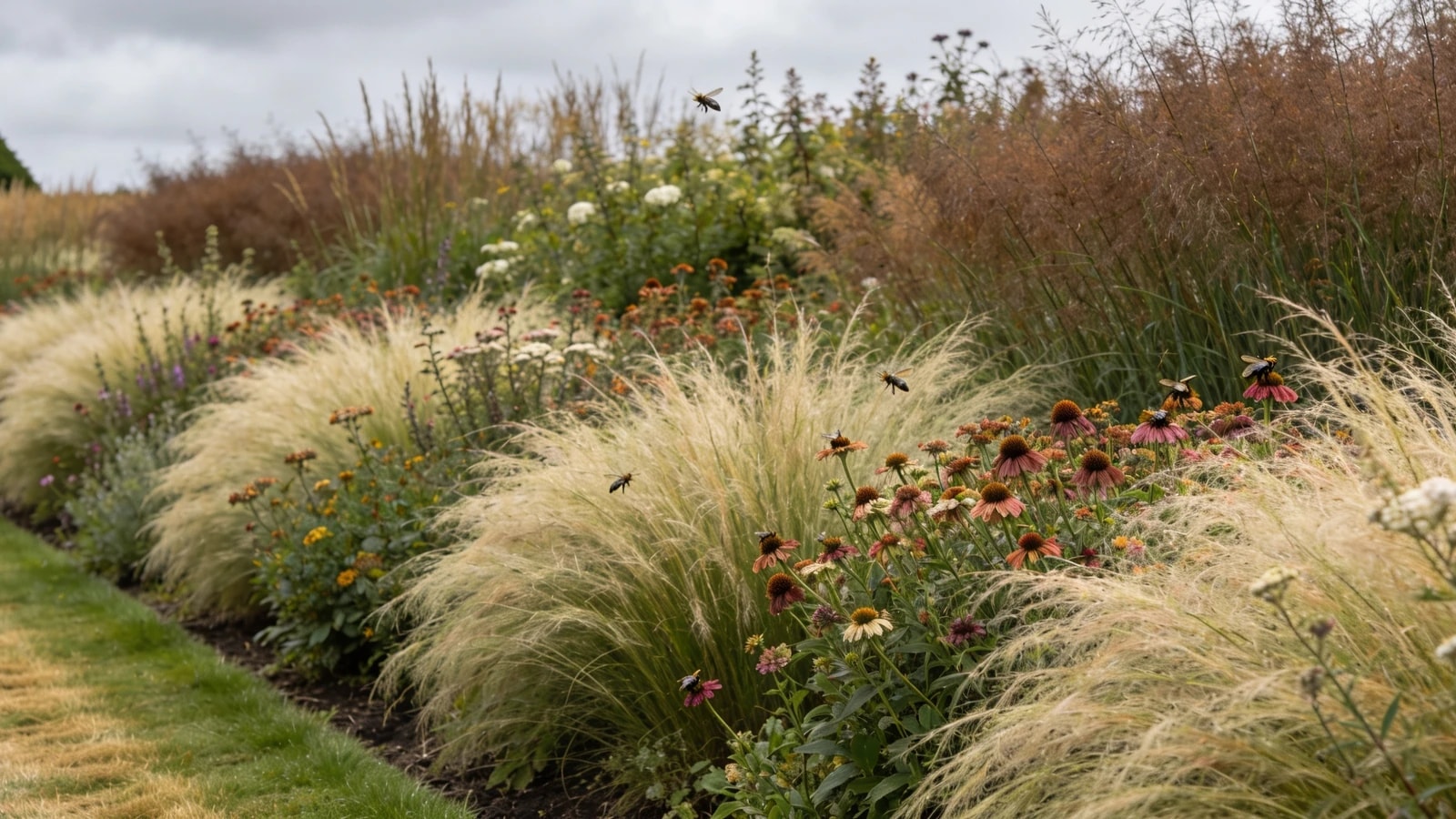
Native Plant Garden
A native plant garden without the purism. Why native means local rather than national, how to find your own list, and where non-natives still earn a place.
Updated
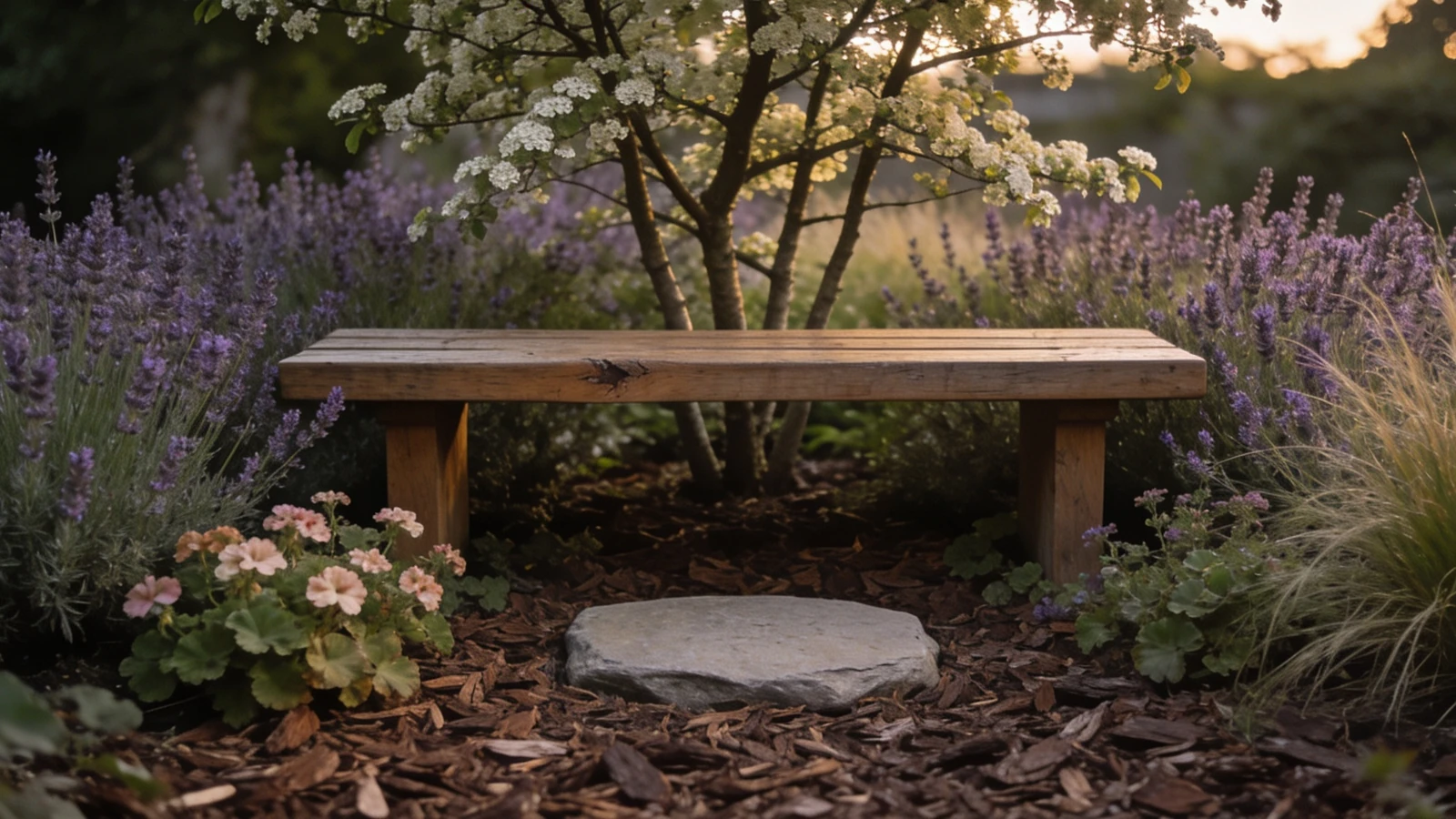
Memorial Garden Ideas
Memorial garden ideas that hold up over decades: choosing a spot, planting with meaning and low upkeep, and what to know before scattering ashes.
Updated
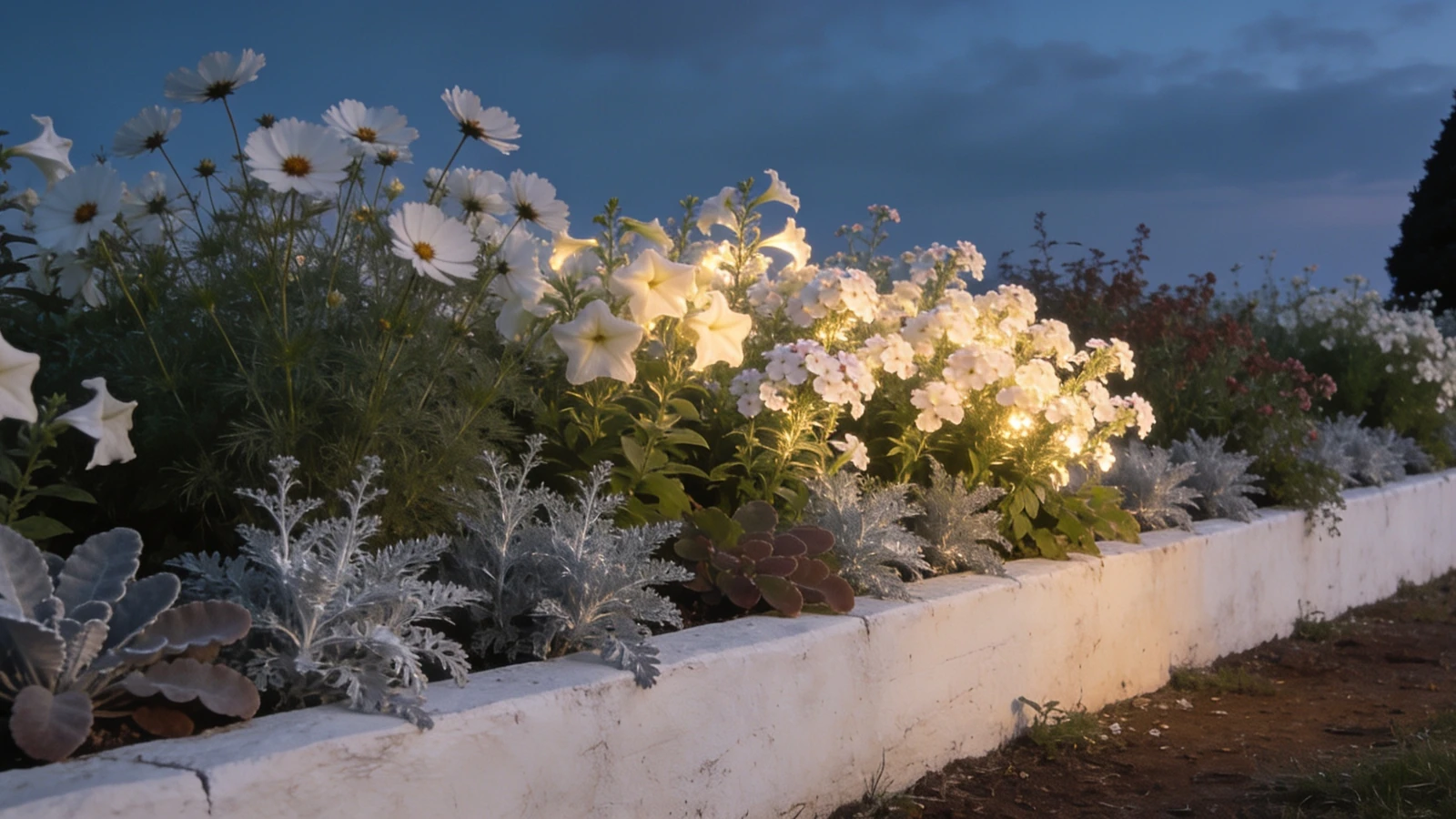
Moon Garden
A moon garden is planted in white and silver for dusk, when most people are actually in the garden. What to plant, what smells at night, and where to put it.
Updated