Raised Bed Garden Layout Ideas: Dimensions That Actually Work
Raised bed layouts with real dimensions, bed widths, path widths, depths and orientation, plus five planting plans for beds of different sizes.
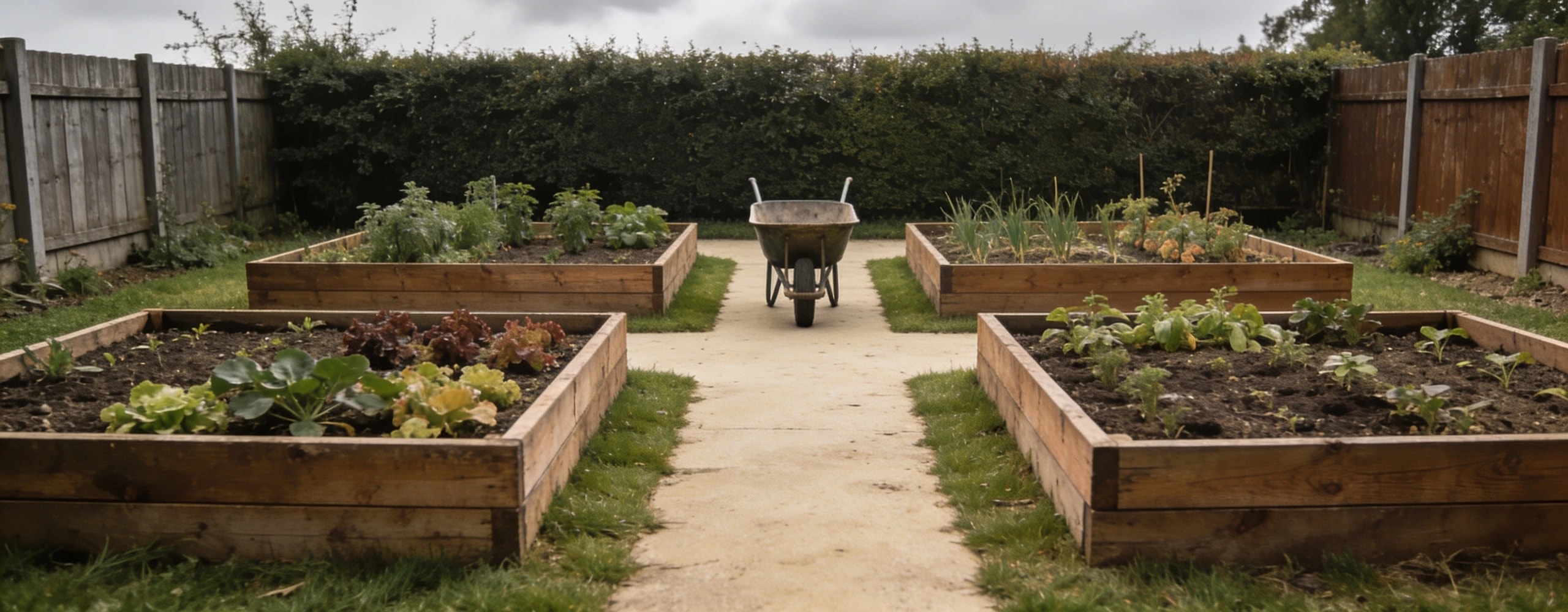
Most raised bed garden layout problems are dimensional. A bed too wide to reach across gets walked on. A path too narrow for a barrow makes every compost delivery a chore. A bed too shallow for carrots produces forked, stunted ones. None of these can be fixed later without dismantling something.
So it is worth getting the numbers right before you cut any timber.
The short answer
1.2 m wide if reachable from both sides, 60–75 cm if against a wall. 30 cm deep on poor ground, 45 cm on paving. Paths 60 cm to kneel, 75–90 cm for a barrow. Run beds north–south if you have the choice. A 1.2 × 2.4 m bed at 30 cm deep needs about 860 litres of compost, buy it in bulk, not in bags.
Raised bed garden layout: the numbers that matter#
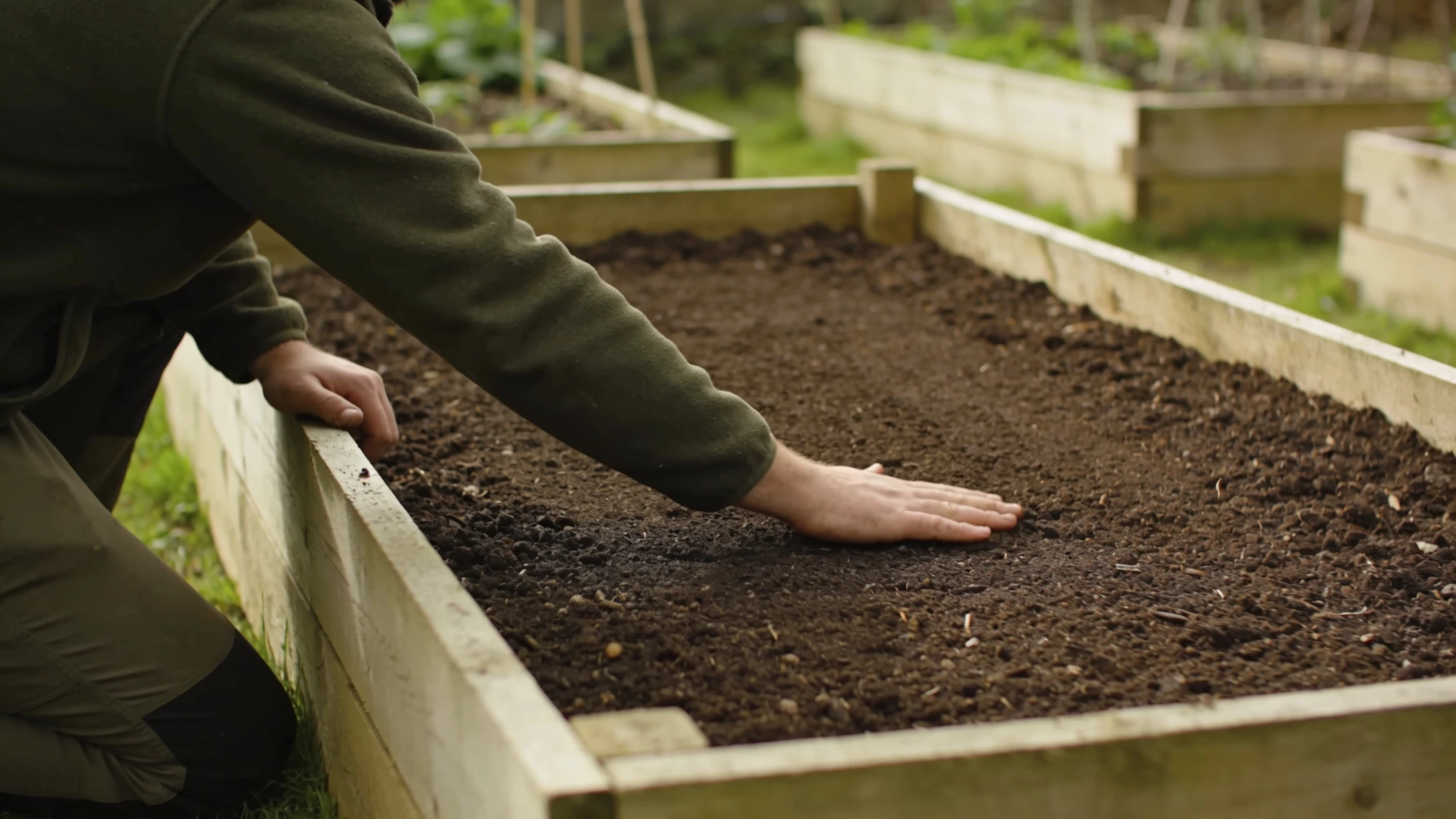
- Bed width, 1.2 m
- Reachable from both sides without stepping on the soil. The single most important dimension in the whole layout.
- Bed width against a wall, 60–75 cm
- One-sided access halves your reach. Anything wider leaves a dead zone at the back that you will plant and then never weed.
- Bed length, whatever fits
- Length is free. 2.4 m suits standard timber lengths; beyond about 4 m you will want a gap so you are not walking the long way round.
- Depth, 15/30/45 cm
- 15 cm over good soil, 30 cm over poor or compacted ground, 45 cm on paving or a roof where the bed is the whole root zone.
- Path width, 60 cm
- Enough to kneel at the bed edge. 45 cm is walk-only, 75–90 cm takes a wheelbarrow, 90 cm+ takes a wheelchair.
- Height for standing work, 75–90 cm
- Removes bending entirely. Worth it if kneeling is difficult, and it is much more compost to fill.
Five layouts#
1. The single starter bed, 1.2 × 2.4 m#
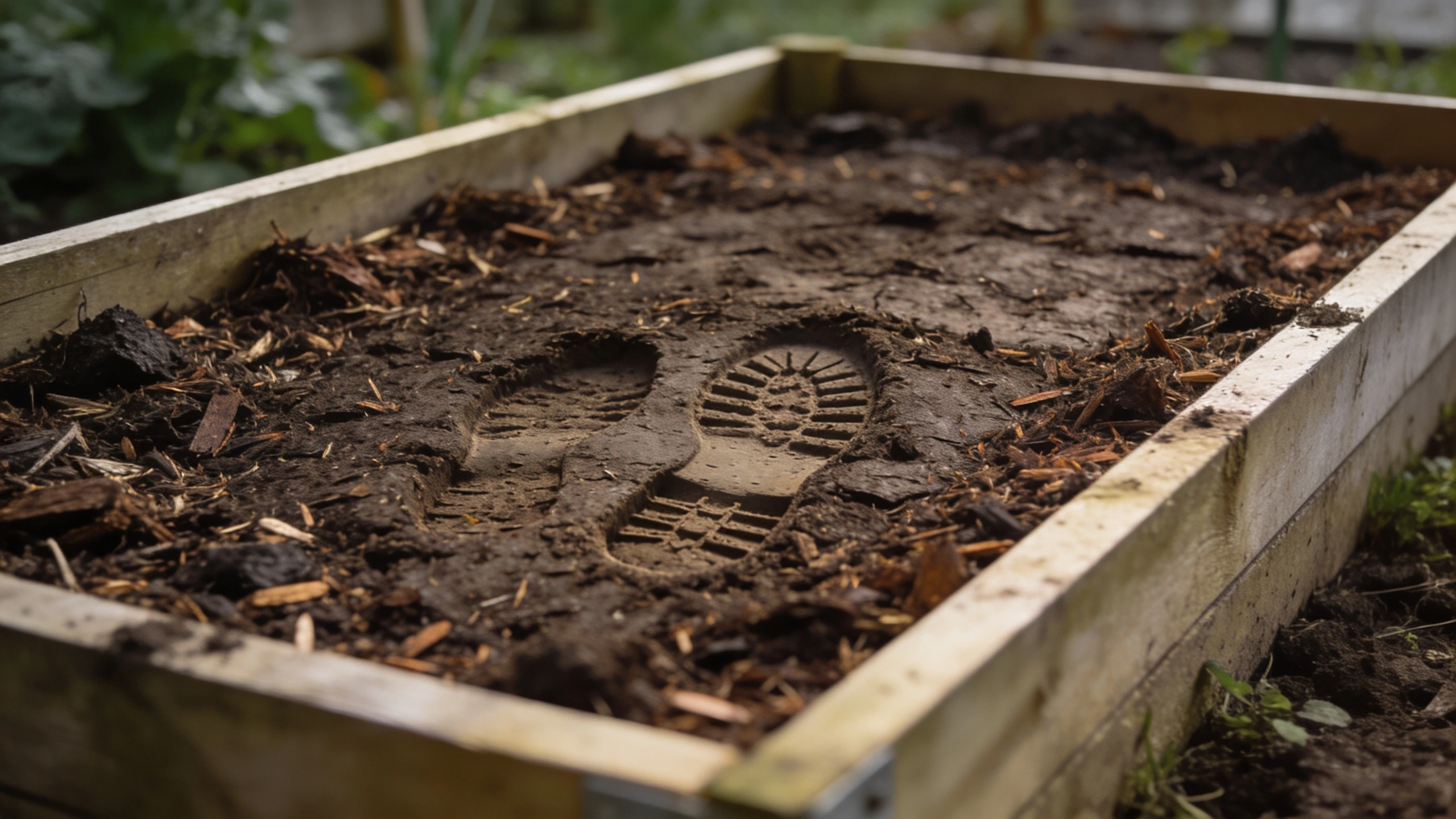
One bed, 30 cm deep, with 60 cm of path all round. Around 2.9 m² of growing space, which is genuinely enough to supply a household with salad, herbs, beans and courgettes.
This is the right first project. It costs little, it takes a weekend, and it tells you whether you want four more before you have committed to four more.
Plant it in thirds along the length: salad and radish at one end (successional sowings, harvested constantly), beans and chard in the middle, one courgette at the far end where it can sprawl over the edge.
2. The classic four-bed rotation, 4 × (1.2 × 2.4 m)#
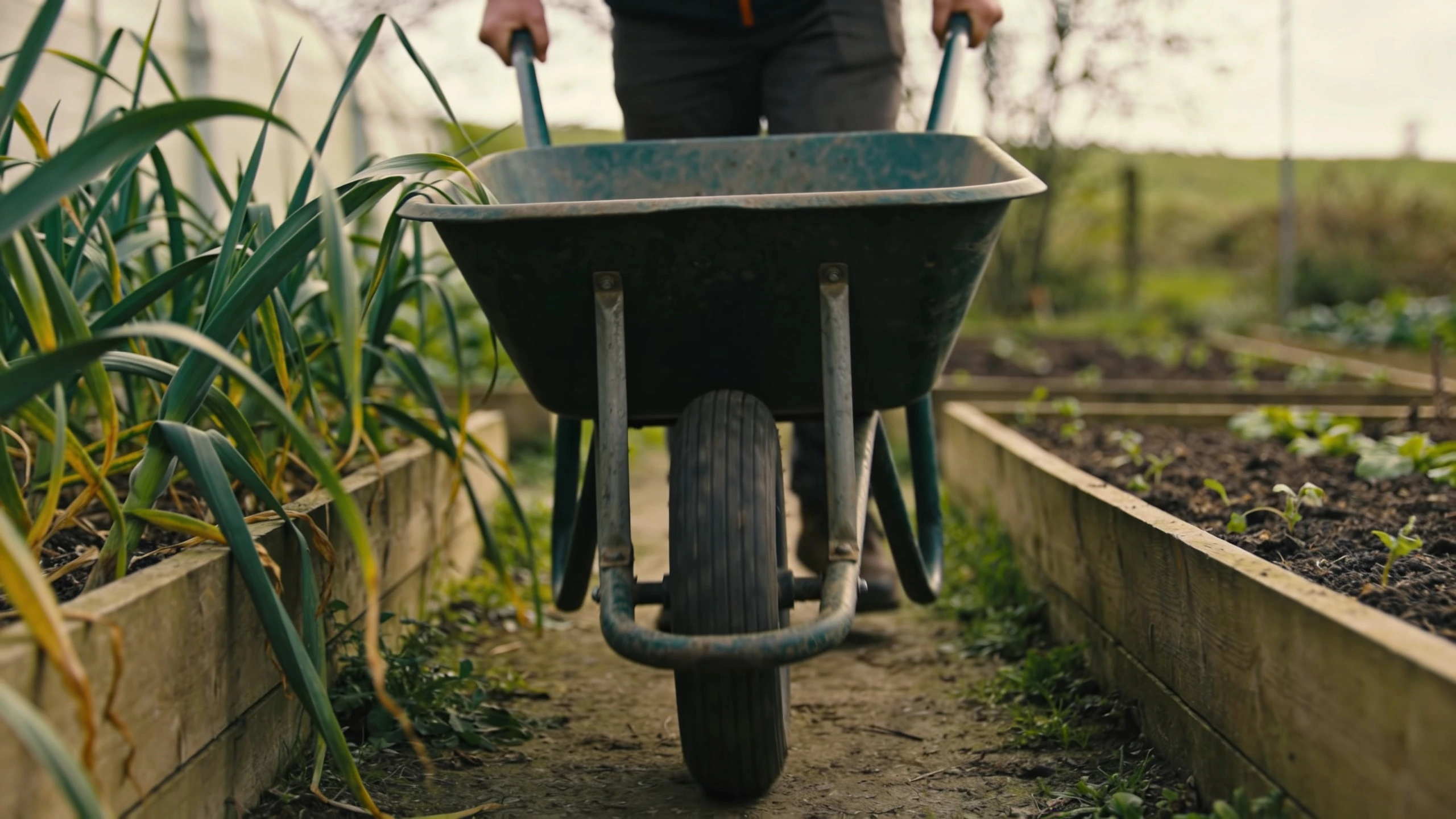
Four beds in two rows of two, 75 cm paths between and 90 cm down the central spine so a barrow fits. Roughly 5.5 × 3.5 m overall.
Four beds is the traditional number because it supports a four-year crop rotation:
| Bed | Year 1 | Purpose |
|---|---|---|
| A | Legumes, beans, peas | Fix nitrogen for next year's brassicas |
| B | Brassicas, kale, cabbage, broccoli | Use that nitrogen; benefit from firm soil |
| C | Roots, carrots, beetroot, parsnip | Avoid fresh compost, which forks roots |
| D | Potatoes and alliums | Clear the ground; break pest cycles |
Rotate one bed clockwise each year. This is genuinely worth doing, clubroot, white rot and potato cyst nematode all build up in soil where the same family grows repeatedly.
3. The L-shape for an awkward corner#
Two beds meeting at a right angle along two fences. Each 60–75 cm wide because access is one-sided, which turns an unused corner into 3–4 m² of growing space.
Best use: perennials and climbers along the fence line, raspberries, rhubarb, climbing beans on a trellis, espaliered fruit. Things you plant once and pick from for years, so the awkward access matters less.
4. The accessible layout, beds at 75 cm#
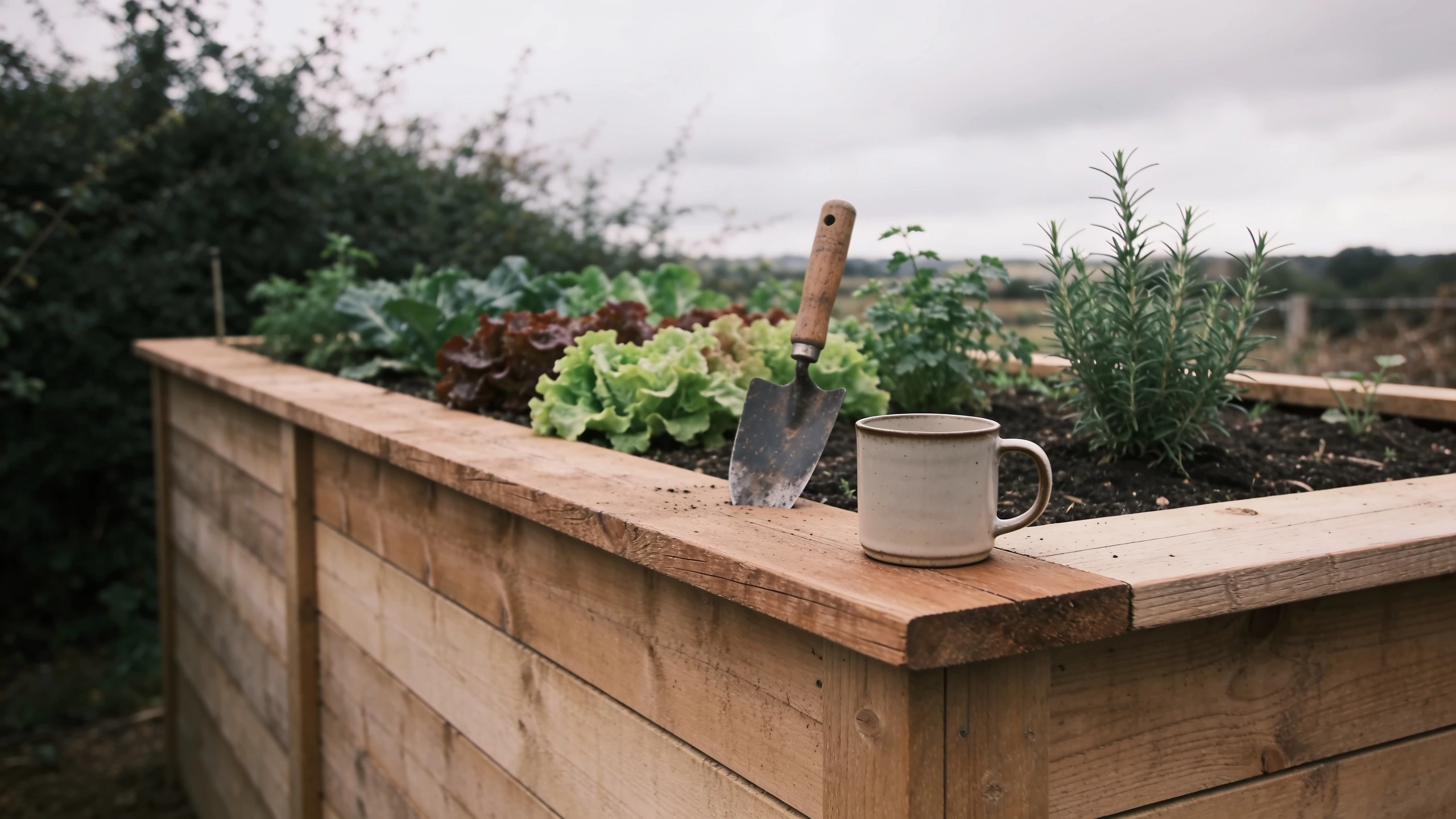
Two or three beds at 75–90 cm high, 60–75 cm wide, with 90 cm+ hard paths between them. Work standing or from a wheelchair with no bending at all.
Design notes that matter:
- Keep beds narrow. Reach is shorter when you cannot lean in, so 60 cm is often better than 75 cm.
- Consider a knee recess on one side if the bed will be used from a wheelchair.
- Hard, level, non-gravel paths. Gravel is a trip hazard and impossible for wheels.
- Cap the bed edges with a flat 10 cm board, somewhere to rest tools, a cup, and your forearms.
- Budget for the fill. A 75 cm deep bed at 1.2 × 2.4 m needs over 2000 litres. Fill the bottom third with coarse woody material or rubble to cut cost and weight.
Our tools for seniors and arthritic hands guide covers the other half of this.
5. The intensive small-space grid, 1.2 × 1.2 m#
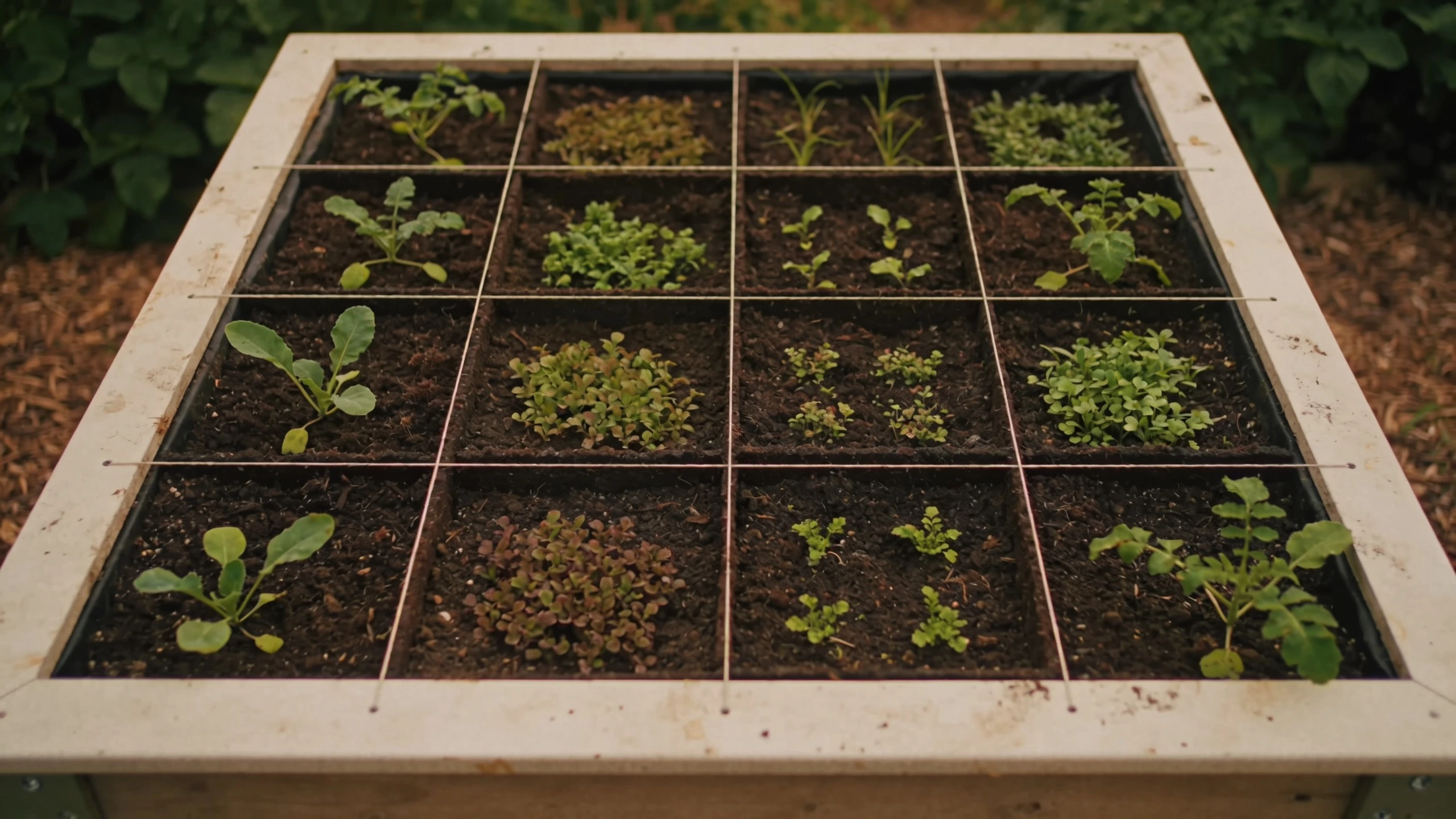
One square bed divided into a 4 × 4 grid of 30 cm squares, each planted with a different crop at appropriate density. Small footprint, dense output, and it makes succession sowing simple, as one square is harvested, replant it.
Rough densities per 30 cm square: 16 radishes, 9 spring onions, 4 lettuces, 1 chard, 1 dwarf bean plant, 16 carrots.
The grid also solves the beginner spacing problem, because the square tells you how many to sow instead of your optimism doing it.
Depth, and what goes underneath#
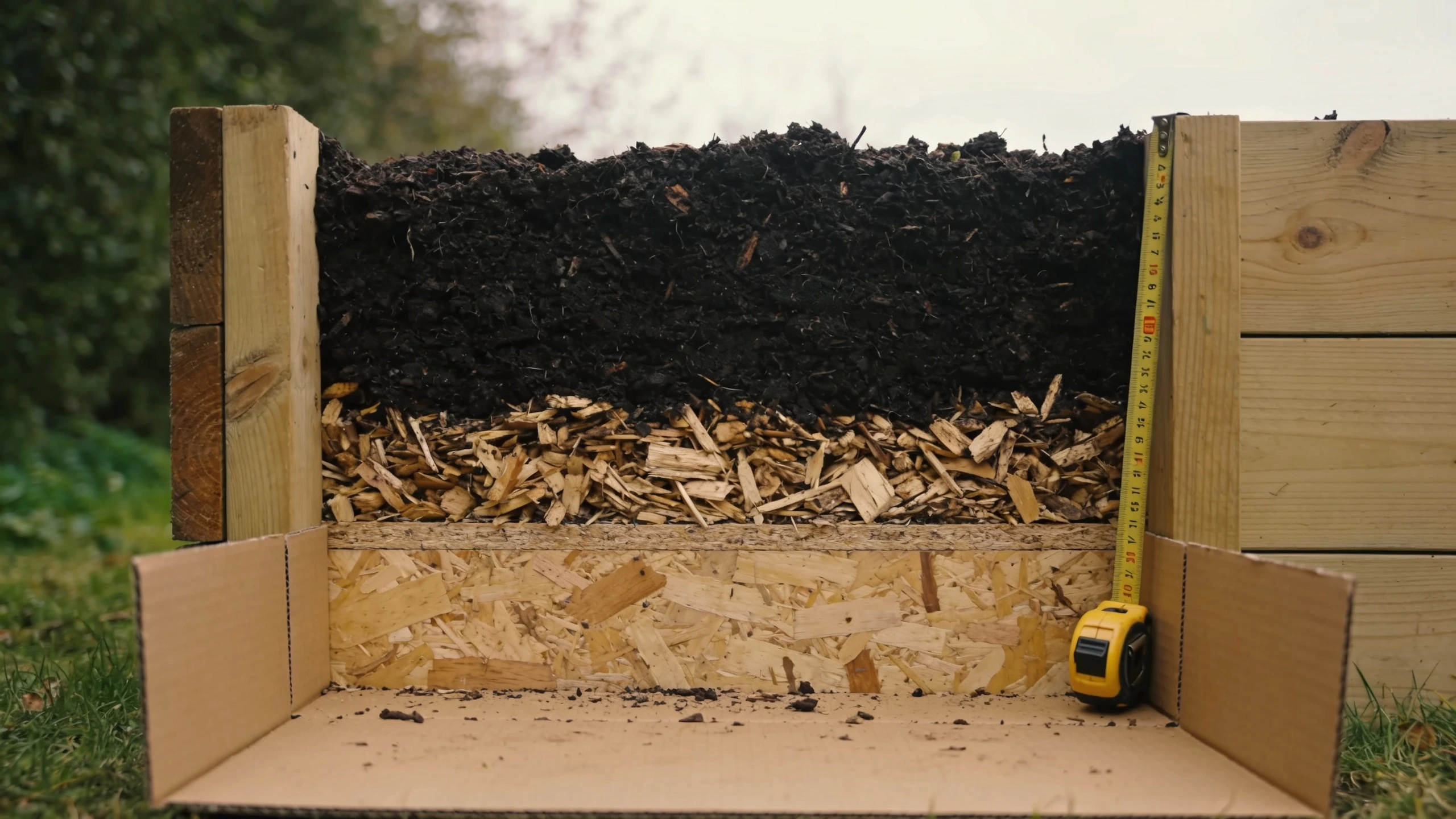
Depth depends entirely on what the bed sits on.
- On decent soil: 15 cm of compost is enough. Roots grow straight down through the softened cardboard into the ground beneath. This is the cheapest and best option.
- On lawn or weeds: lay plain cardboard first, overlapping edges by 4 inches, then build up. The cardboard smothers what is beneath and rots within a season.
- On compacted ground: loosen the base with a fork before filling. Do not turn it, just open channels. Then 30 cm minimum.
- On paving, concrete or a roof: 40–45 cm, because the bed is the entire root zone and there is no drainage below. Make sure water can escape at the base, and check weight loading on a roof.
- Never lay weed membrane inside the bed. It degrades into shreds, tangles roots and stops worms moving up from the soil beneath.
Filling it without going bankrupt#
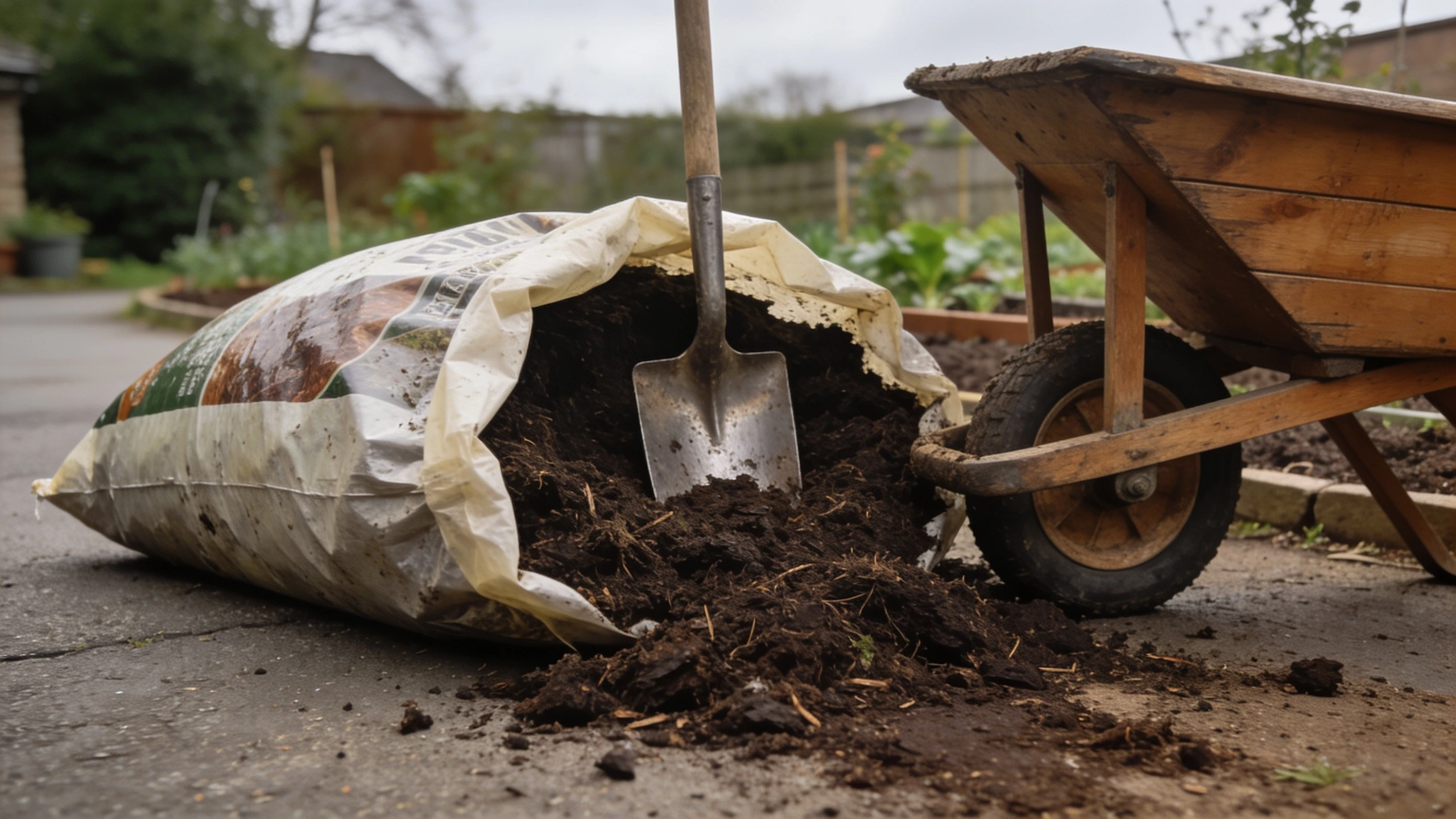
Volume in litres = length × width × depth (all in metres) × 1000.
A 1.2 × 2.4 m bed at 30 cm deep is 0.86 m³, about 860 litres, or roughly 20 large bags. Bulk compost from a landscape supplier is typically a third of the bagged price for the same volume, so one delivery beats twenty trips.
For deep beds, fill the bottom third with coarse material, woody prunings, turf turned upside down, cardboard, leaves. It rots down over a couple of years, which means the bed will settle and need topping up, but it saves a lot of money and weight up front.
Annual top-up: 2–5 cm of compost spread on the surface each year, which for a 1.2 × 2.4 m bed is 60–150 litres. Add it in autumn or late winter and let the worms take it down rather than forking it in. Composting for beginners covers producing this yourself.
What to build the beds from#
| Material | Lasts | Notes |
|---|---|---|
| Untreated softwood | 5–8 years | Cheapest, safe, will need replacing |
| Larch or Douglas fir | 10–15 years | Naturally durable, no treatment needed |
| Oak sleepers | 20+ years | Heavy, expensive, excellent |
| Scaffold boards | 8–12 years | Cheap second-hand, 22 mm thick, good value |
| Corrugated steel | 15–25 years | Modern look; heats up in strong sun |
| Recycled plastic | 25+ years | Never rots, looks like plastic |
| Brick or block | Indefinite | Permanent, needs a footing, most expensive |
Modern pressure-treated timber sold for garden use is generally considered safe for growing food, but if it concerns you, line the inside faces with plastic sheet, sides only, never the base, which must drain. Avoid old railway sleepers, which were commonly treated with creosote.
How I know this#
The dimensions here come from reach and access rather than from anything I have measured in a trial, and the volume maths is calculated from area and depth. For timber safety and soil depth I have cross-checked against the Royal Horticultural Society advice pages and the USDA soil health pages.
Our editorial policy explains how corrections work.
Related reading#
- Gardening tools for raised beds: the kit changes once you stop digging.
- How to start a vegetable garden: the no-dig build method, step by step.
- Low-maintenance garden ideas: if four beds sounds like more than you will keep up with.
Frequently asked questions
How wide should a raised bed be?
1.2 m (4 feet) if you can reach it from both sides, and 60–75 cm (2–2.5 feet) if it is against a wall or fence and reachable from one side only. Wider than that and you will step onto the soil to reach the middle, compacting the growing medium the bed exists to protect. Reach, not aesthetics, sets this dimension.
How deep does a raised bed need to be?
15 cm is enough if it sits on decent soil that roots can grow into. 30 cm if it sits on poor or compacted ground. 40–45 cm if it is on paving, concrete or a roof, where the bed is the entire root zone. For carrots, parsnips and other long roots, 30 cm minimum regardless of what is underneath.
How wide should paths between raised beds be?
45 cm is the practical minimum for walking. 60 cm lets you kneel comfortably at the bed edge. 75–90 cm is needed for a wheelbarrow, and 90 cm+ for a wheelchair or walking frame. Paths always end up narrower than planned once plants flop over the edges, so err generous.
Which direction should raised beds run?
North to south is the usual recommendation, so both long sides get even sun through the day and tall crops shade less of the bed. It matters most for beds with tall crops like beans or sweetcorn and much less for low crops. In practice, fitting the space and getting the reach right matters more than orientation.
How much soil does a raised bed need?
Multiply length by width by depth in metres to get cubic metres, then multiply by 1000 for litres. A 1.2 by 2.4 m bed at 30 cm deep is 0.86 m³, about 860 litres, which is roughly 20 large bagged sacks, or considerably cheaper as one bulk delivery. Expect to top up 2–5 cm annually as it settles and breaks down.
Topics in this article
About the author
Jeff has gardened professionally for over twenty years, mostly on heavy clay, and writes everything here from beds he still works himself. More from Jeff Tanun →
Keep reading
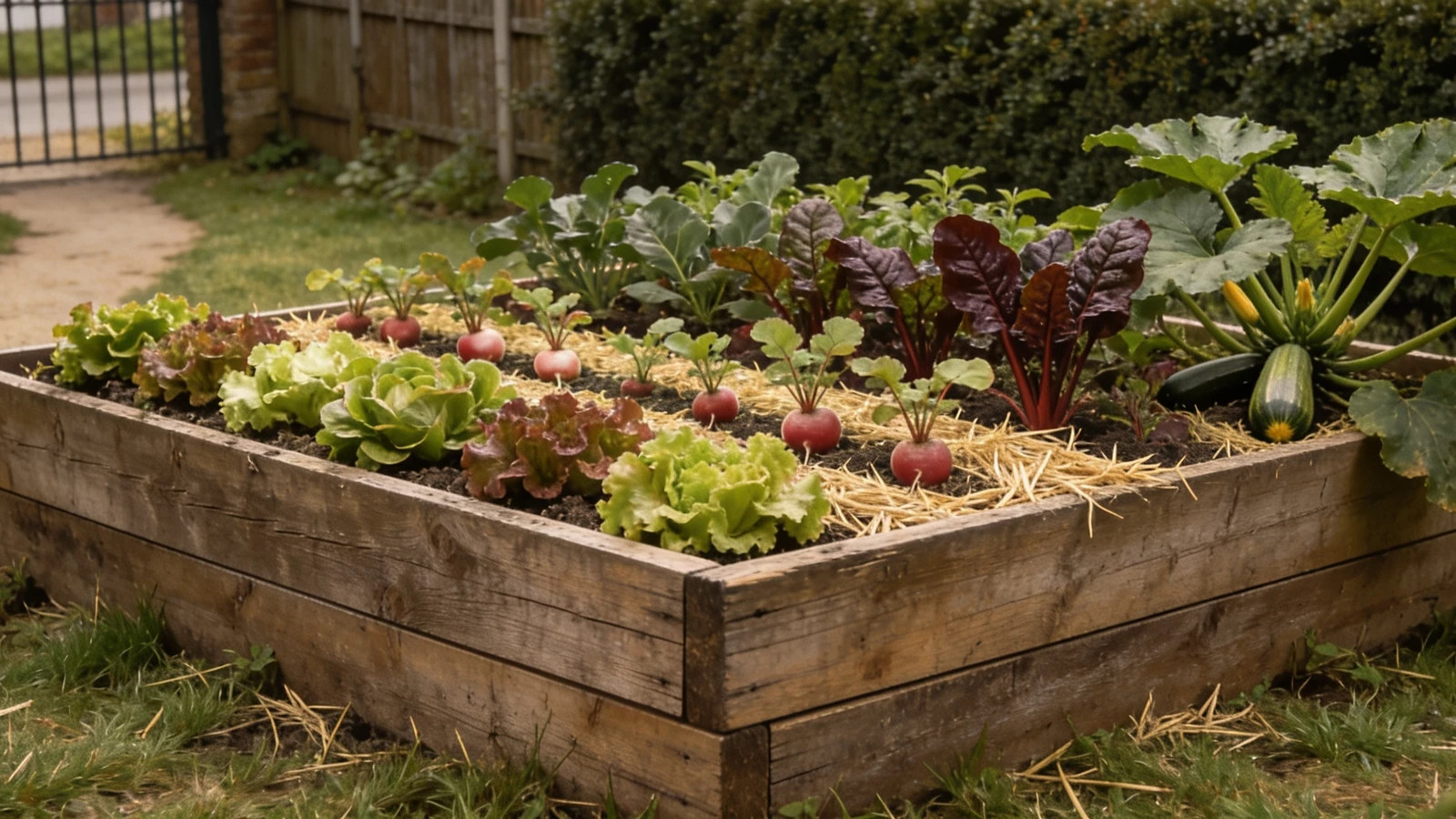
How to Start a Vegetable Garden
How to start a vegetable garden: pick the spot, build one bed without digging, plant six crops that forgive you. The five mistakes to avoid.
Updated
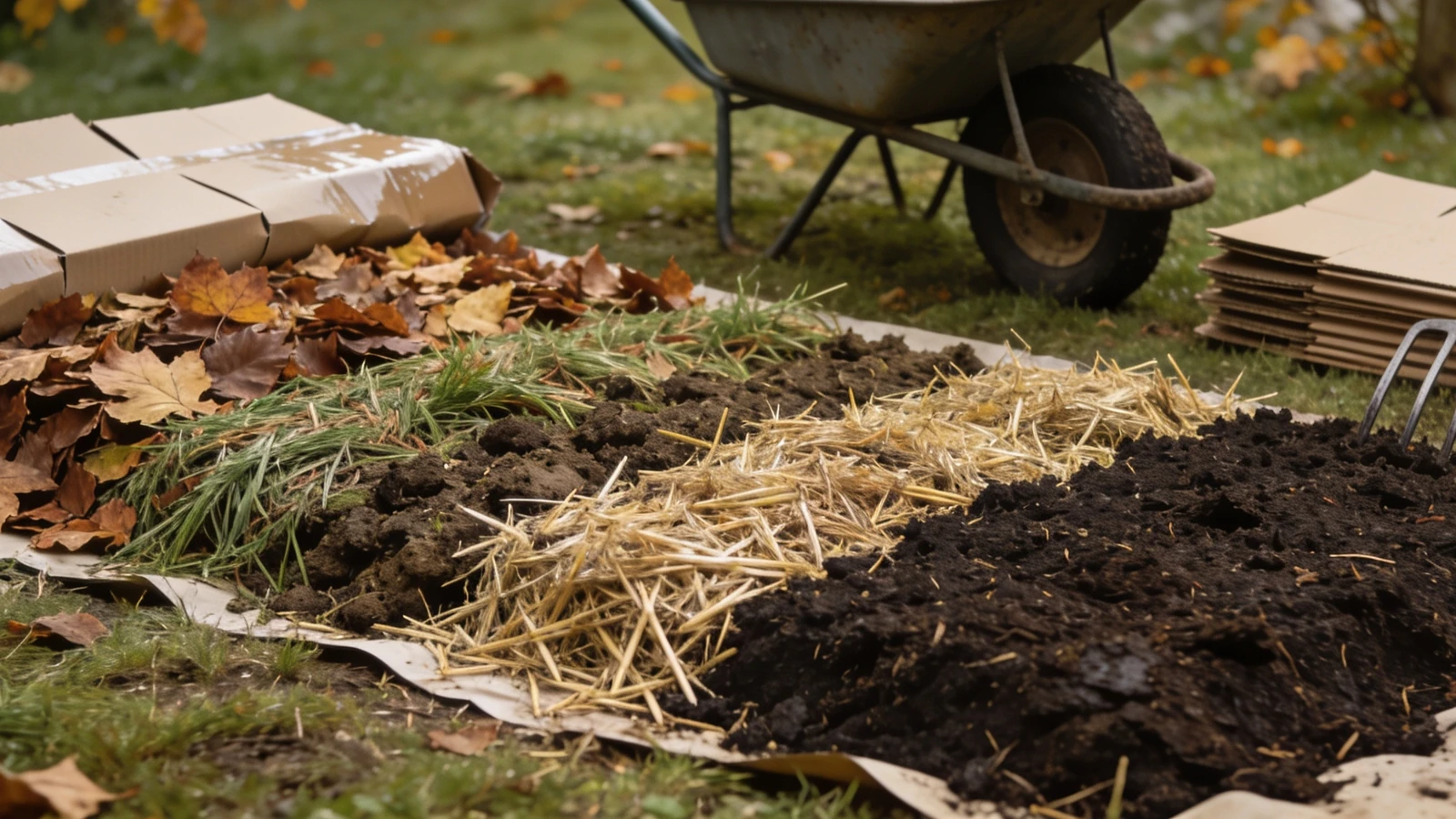
Lasagna Gardening
Lasagna gardening is sheet mulching: cardboard and layers of organic matter straight onto grass. What to layer, how deep, how long to wait, and what it cannot fix.
Updated
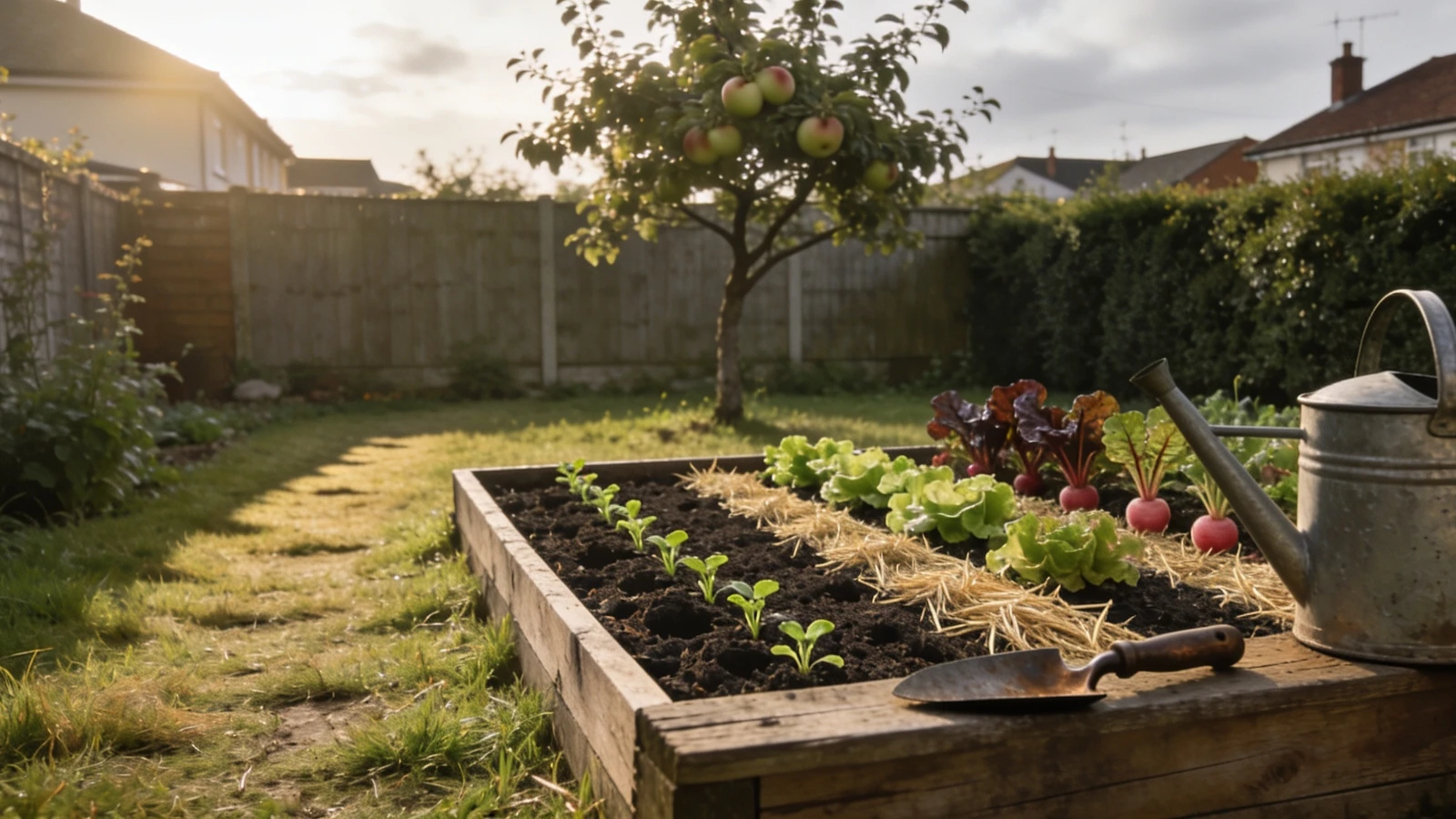
How to Start a Garden
How to start a garden in one season: check your light first, build one small bed without digging, plant six easy crops. Costs from $60, step by step.
Updated