Gardening Tools for Raised Beds: What Earns Its Place
Raised beds need a different tool kit from open ground: shorter handles, no spade, and a few things you would never buy otherwise. Here is the list.
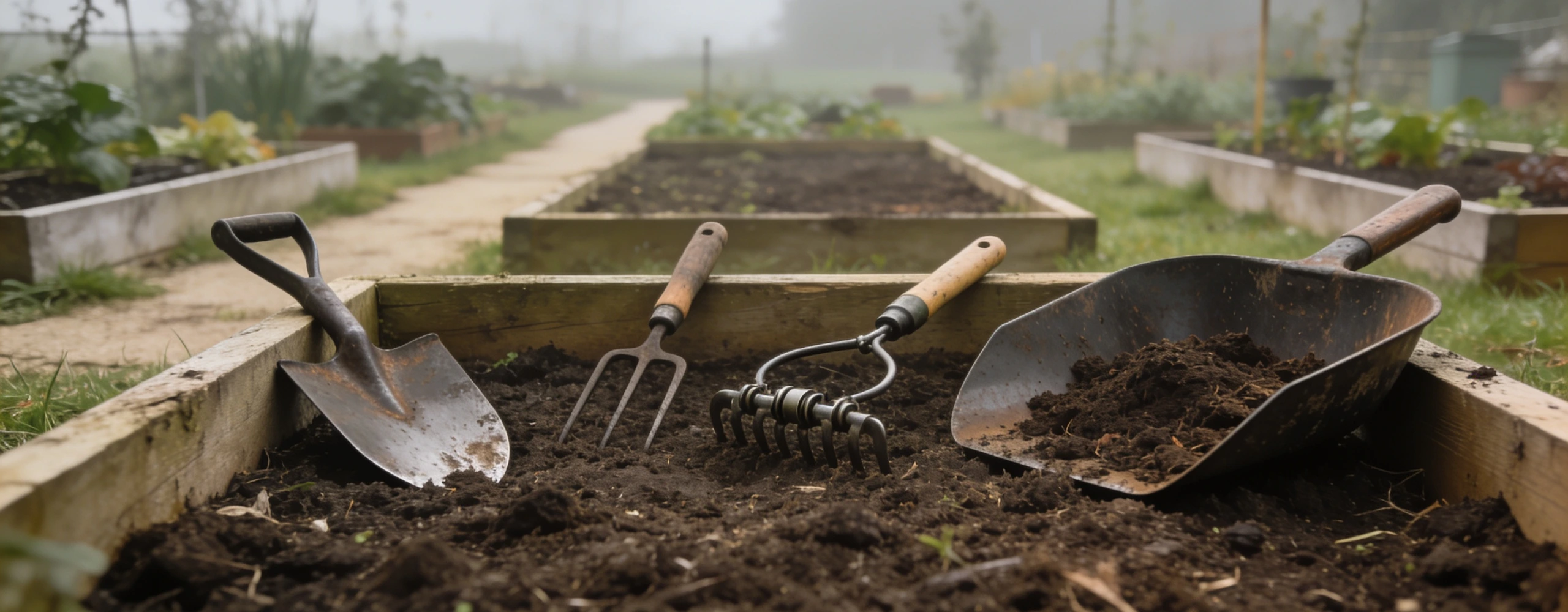
At a glance
| What | Best for | Typical price |
|---|---|---|
| Wide forged trowel | Best for planting into loose compost | $15–$35 |
| Short-handled or mid-handled hoe | Best for weeding a bed you cannot walk on | $20–$45 |
| Oscillating (stirrup) hoe | Best for surface weeding at speed | $25–$50 |
| Broadfork or aeration fork | Best for compaction without turning soil | $70–$180 |
| Compost scoop or wide shovel | Best for topping up beds | $25–$45 |
| Soil thermometer | Best cheap decision-maker | $10–$20 |
| Bed-width dibber and spacing board | Best for consistent sowing | $10–$25 |
| Hoop and cover kit | Best season extender | $25–$60 |
Sometimes Gardening may earn a small commission if you buy through links on this page, at no extra cost to you. It never changes what we recommend, here's how that works.
Tools for raised beds are a different list from tools for open ground, more different than people expect. You stop digging, so the spade becomes a construction tool rather than a gardening one. You never stand on the soil, so reach matters. And you are moving a lot of compost every single year, which makes shovel width a genuine consideration.
The short answer
For established raised beds you need a wide forged trowel, a hand fork, a sharp hoe with a 60–90 cm handle, and a wide-mouth shovel for moving compost. Skip the spade for routine work, and add an oscillating hoe if weeding takes you more than ten minutes a week. A broadfork is a once-every-few-years tool, not an annual one.
What raised beds change#
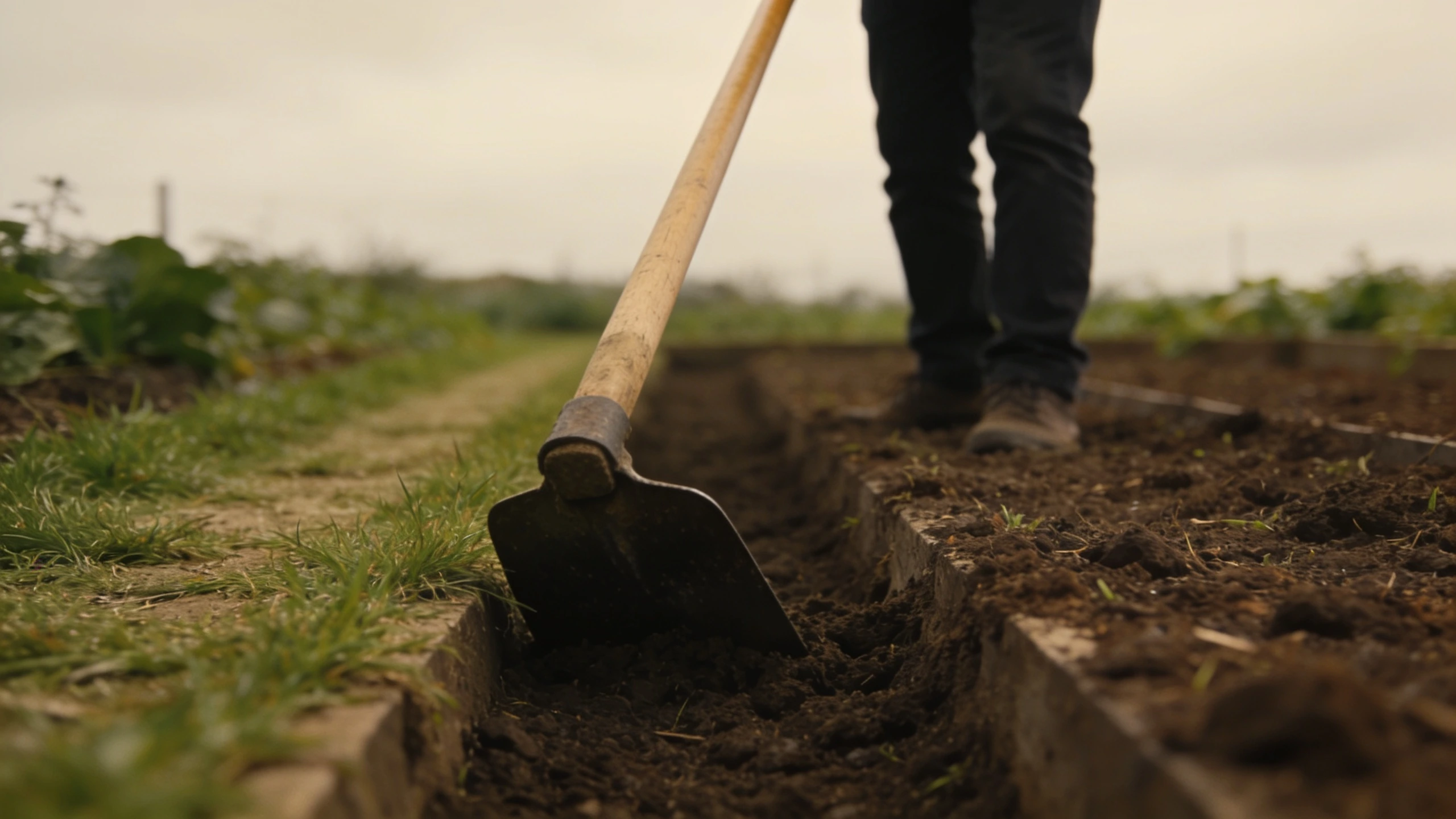
Key points
- No digging means no spade in the weekly rotation. Soil structure is the asset you are protecting.
- You work from the path, so handle length is set by bed width, 1.2 m beds want a 60–90 cm handled hoe.
- Compost is the annual input. Expect to move 60–150 litres per bed every year, so shovel width matters.
- Beds warm two to four weeks earlier than open ground, so a soil thermometer buys you real season length.
- Fixed bed dimensions make covers, hoops and spacing boards worth buying rather than improvising.
The core tools for raised beds#
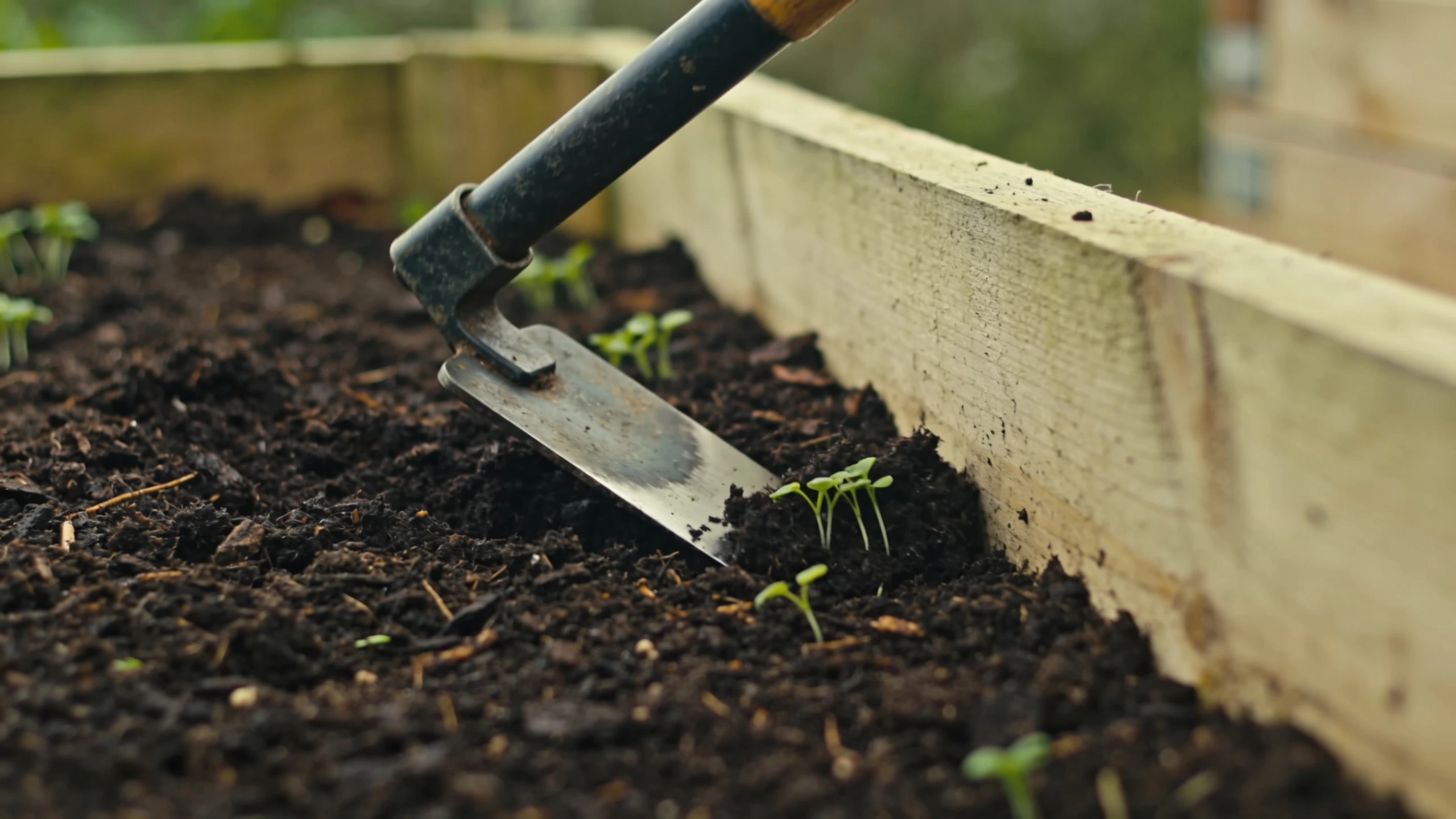
Wide forged trowel
$15–$35Best for planting into loose compost
The opposite advice from container growing. In a bed of loose compost you are not fighting compaction or squeezing between root balls, so a wider blade simply moves more material per scoop. A 7–8 cm blade is comfortable and fast.
Still forged one-piece. You will occasionally hit a stone or an old root at the base of the bed.
Short- or mid-handled hoe
$20–$45Best for weeding a bed you cannot walk on
The tool that decides whether you keep on top of a raised bed. Weeding weekly with a hoe, while weeds are still at the seedling stage, takes a couple of minutes per bed. Waiting until they are established turns it into an hour of hand-pulling.
Match the handle to your bed width. For a 1.2 m bed reached from both sides, a 60–90 cm handle lets you cover the whole surface from the path without leaning in far enough to strain your back.
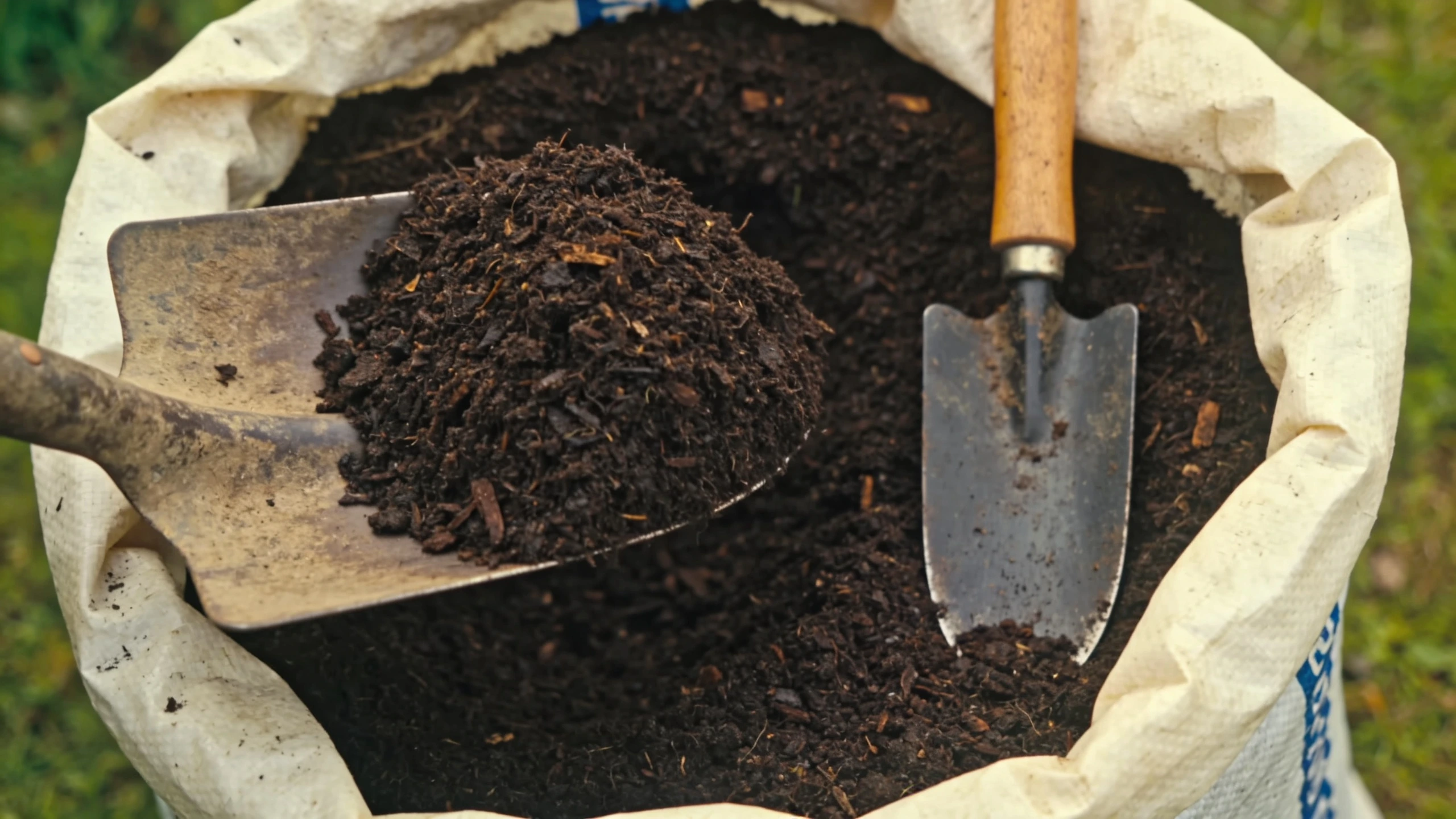
Oscillating (stirrup) hoe
$25–$50Best for surface weeding at speed
The hinged blade cuts just under the surface on both the push and the pull stroke, which is exactly the right action for no-dig: it severs weed seedlings without inverting or mixing the soil profile.
Keep it sharp. A blunt stirrup hoe pushes weeds over instead of cutting them, and they simply stand back up.
Compost scoop or wide-mouth shovel
$25–$45Best for topping up beds
Every raised bed needs a few centimetres of compost each year, plus more in the first couple of seasons as the fill settles. That is real volume, moved by hand, usually from a pile on the drive.
A wide, shallow-sided shovel or a purpose-made compost scoop moves noticeably more per lift than a digging spade, which is deliberately narrow. It is the difference between forty trips and twenty-five.
Worth it once you are running properly#
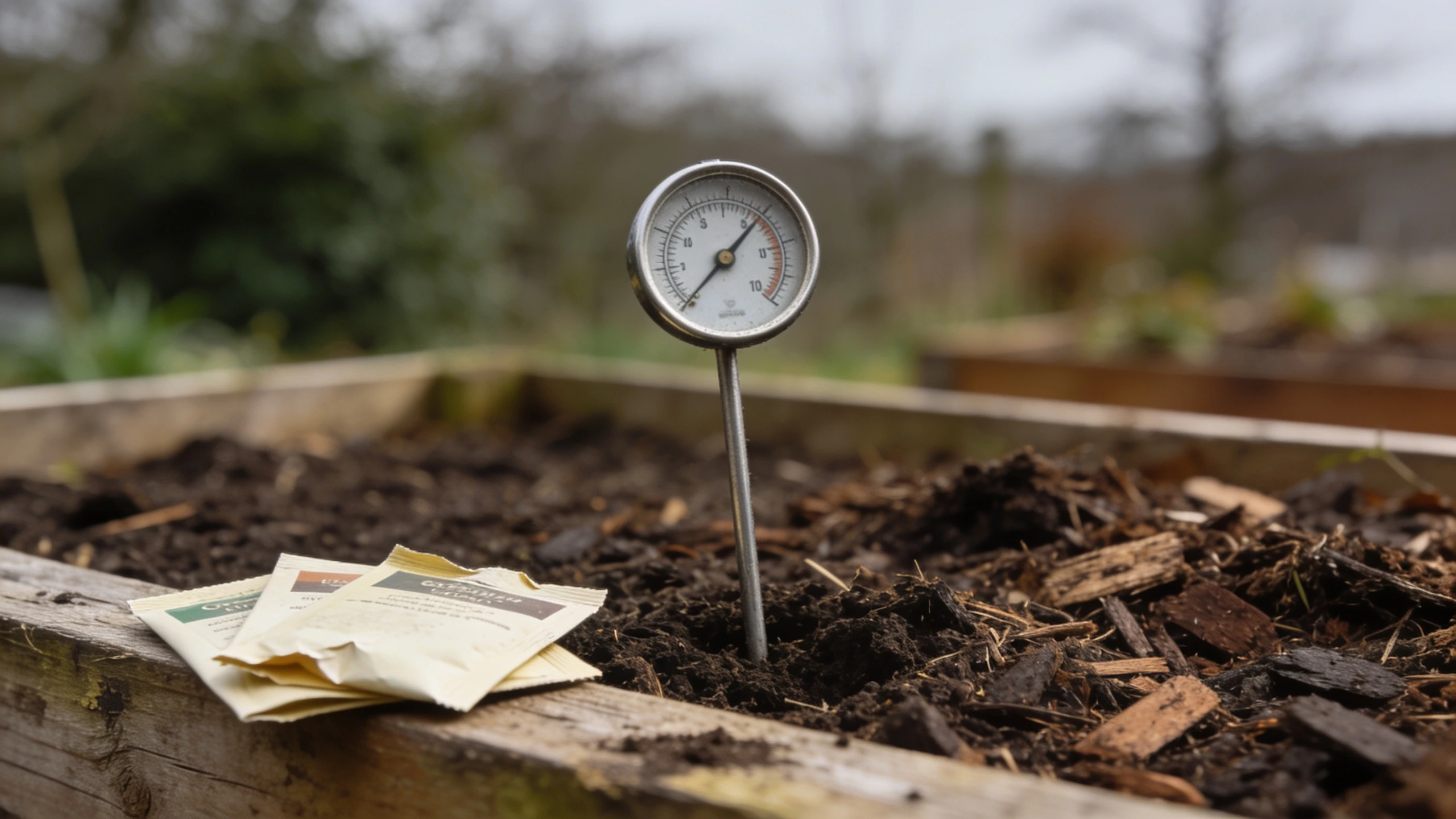
Soil thermometer
$10–$20Best cheap decision-maker
Raised beds warm earlier than open ground because they drain better and are exposed on all sides. How much earlier depends on your site, and a $12 thermometer answers it precisely.
The numbers worth knowing: peas and broad beans germinate from about 5°C, carrots and beetroot from 7–10°C, beans and courgettes want 15°C or more, and tomatoes and squash 18°C. Sowing into cold compost is the most common reason seed rots instead of germinating.
Spacing board or marked dibber
$10–$25Best for consistent sowing
A length of timber cut to your bed width with notches every 5 or 10 cm. It sounds fussy and it removes the single biggest cause of lost yield in small beds: guessing at spacing and getting it wrong in the crowded direction.
Easy to make yourself from an offcut, which is arguably the point.
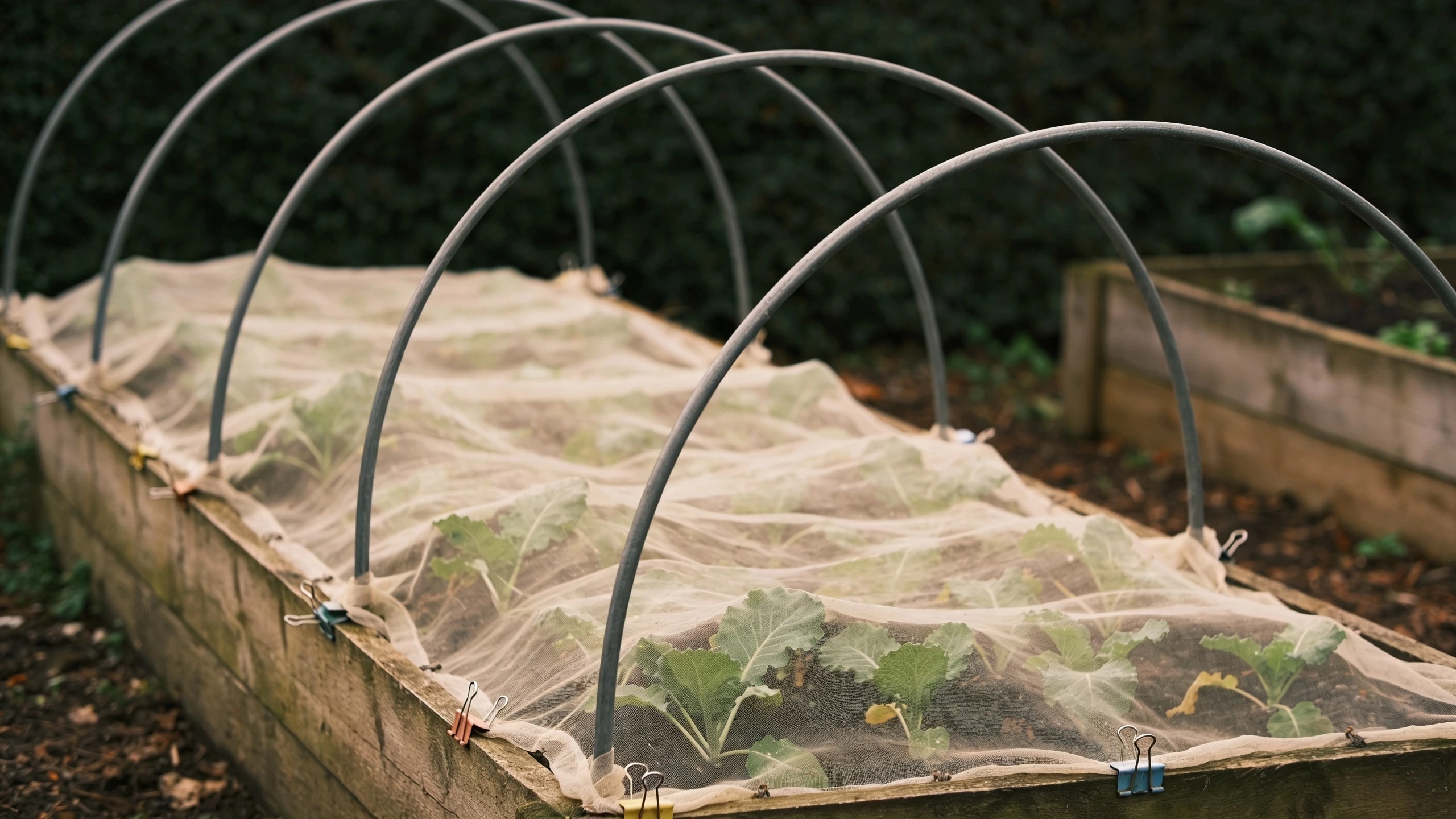
Hoop and cover kit
$25–$60Best season extender
Fixed bed dimensions make covers easy. Hoops plus horticultural fleece gets you two to three weeks earlier in spring and protects against a late frost; hoops plus fine insect mesh is the only genuinely reliable defence against carrot fly, cabbage white and allium leaf miner.
Buy hoops sized to your bed rather than improvising with wire, and get clips, covers that blow off in the first gale are worse than no covers.
Broadfork
$70–$180Best for compaction without turning soil
A wide fork with long tines that you step onto and rock backwards, opening vertical channels without inverting anything. Genuinely useful for one specific job: relieving compaction in the ground beneath a bed, usually when converting an old lawn or a compacted plot.
It is not an annual tool. If you find yourself broadforking every spring, something else is wrong. Most likely you are walking on the bed, or the base has panned because the bed is too shallow.
What you do not need#
Worth it because
- Hand tools plus one good hoe cover 90% of raised bed work
- Fixed dimensions make covers, hoops and spacing boards worth buying properly
- Keep a wide shovel purely for compost. It is a different job from digging
- Sharpen the hoe. It is the highest-frequency cutting tool in a raised bed garden
Bear in mind
- Rotovators and cultivators, they destroy exactly the structure raised beds build
- A spade for routine work. You need one to build the beds, not to garden them
- Rakes, mostly, a hand tool levels a bed surface, and a rake pulls compost off the edges
- Weed membrane inside the bed, it degrades, tangles roots and stops worms moving up
- Deep-tine aerators sold for lawns, wrong tool, wrong depth
Maintaining the kit#
Hoes and trowels used in compost stay comparatively clean, but a hoe used weekly goes blunt quickly. A few passes with a diamond card every couple of weeks in the growing season keeps it slicing, see our tool sharpening guide.
Where the guidance here comes from#
Which tools work from a path is something you learn by owning beds, and that part is mine. The bits I would not want to get wrong from memory, how much a bed sinks in a season and what soil temperature a crop wants before you sow it, I check against the RHS pages on soil, composts and mulches and their grow your own advice.
Related reading#
- Raised bed garden layout ideas: dimensions, spacing, path widths and what to plant where.
- Composting for beginners: the cheapest way to supply the annual compost these beds need.
- Gardening tools for beginners: the general-purpose list, with construction quality explained.
Frequently asked questions
Do I need a spade for raised beds?
Not for the growing. Beds filled with compost are worked with hand tools and a hoe, and the whole point of no-dig is leaving structure intact. You will want a spade for building the beds and for moving bulk material, but it stops being a routine tool once they are planted.
What is the best tool for weeding raised beds?
A sharp hoe used weekly while weeds are still seedlings. An oscillating stirrup hoe is ideal because it cuts just below the surface on both the push and pull stroke without disturbing the soil profile. Hand-weeding is only for the few that escape and for anything growing inside a crop.
How wide should a raised bed be so I can reach the middle?
1.2 m (4 feet) if you can reach from both sides, and 60–75 cm (2–2.5 feet) if it is against a wall or fence and you can only reach from one. Beyond that you end up standing on the bed, which compacts the soil you built it to avoid compacting.
Do I need a broadfork for no-dig raised beds?
Usually not, and definitely not annually. A broadfork is for relieving genuine compaction in the layer beneath the bed, worth it once when converting compacted ground, or every few years if the base pans. Using one every season defeats the purpose of not digging.
How much compost does a raised bed need each year?
About 2 to 5 cm spread over the surface annually, which for a 1.2 by 2.4 m bed is roughly 60 to 150 litres. Beds settle in their first year or two, so expect to add more at the start. Top up in autumn or late winter and let the worms take it down rather than forking it in.
Topics in this article
About the author
Jeff has gardened professionally for over twenty years, mostly on heavy clay, and writes everything here from beds he still works himself. More from Jeff Tanun →
Keep reading
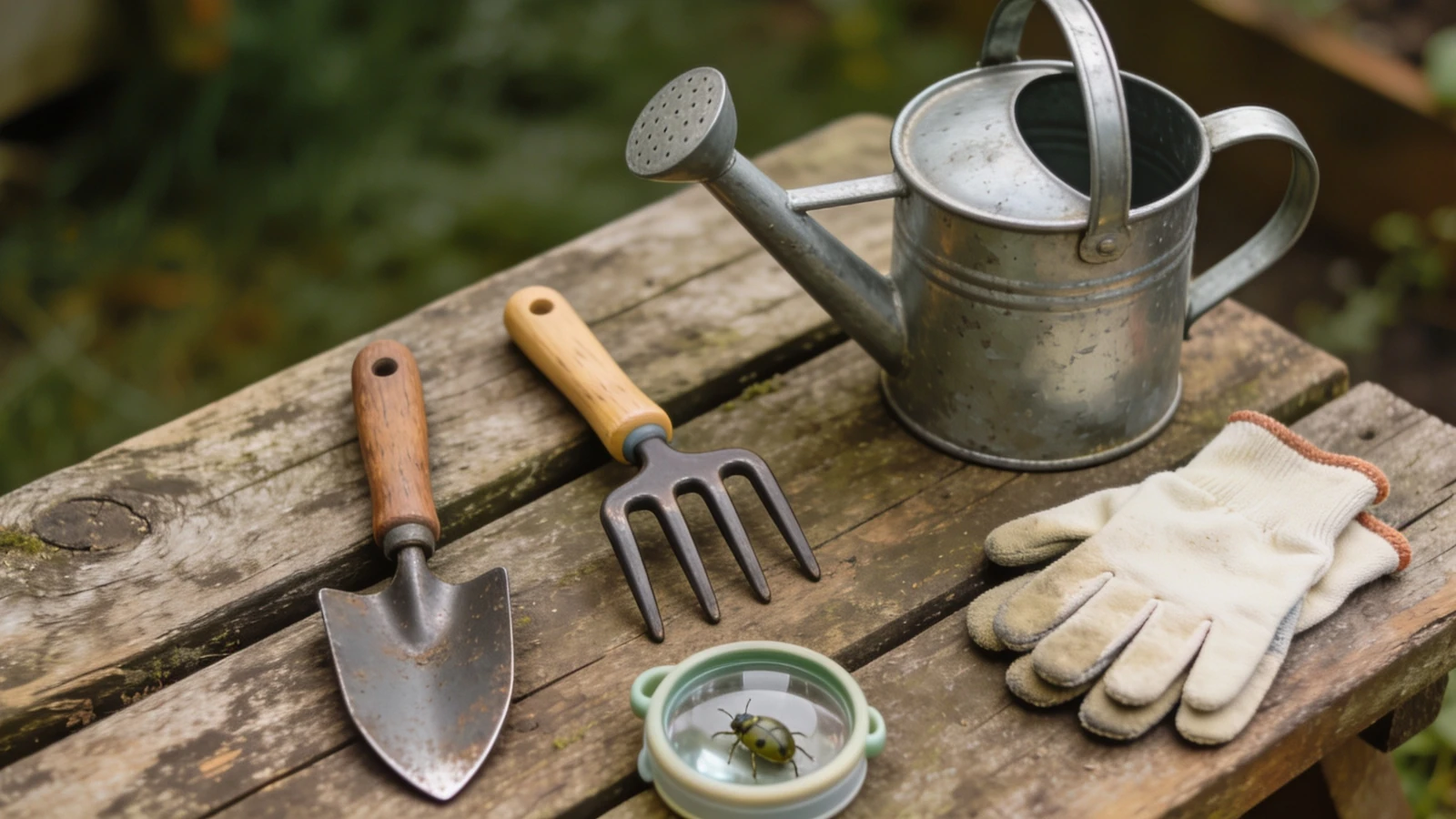
Gardening Tools for Kids
Which children's garden tools actually work, what to buy at each age, and why most brightly coloured plastic sets put kids off gardening rather than into it.
Updated
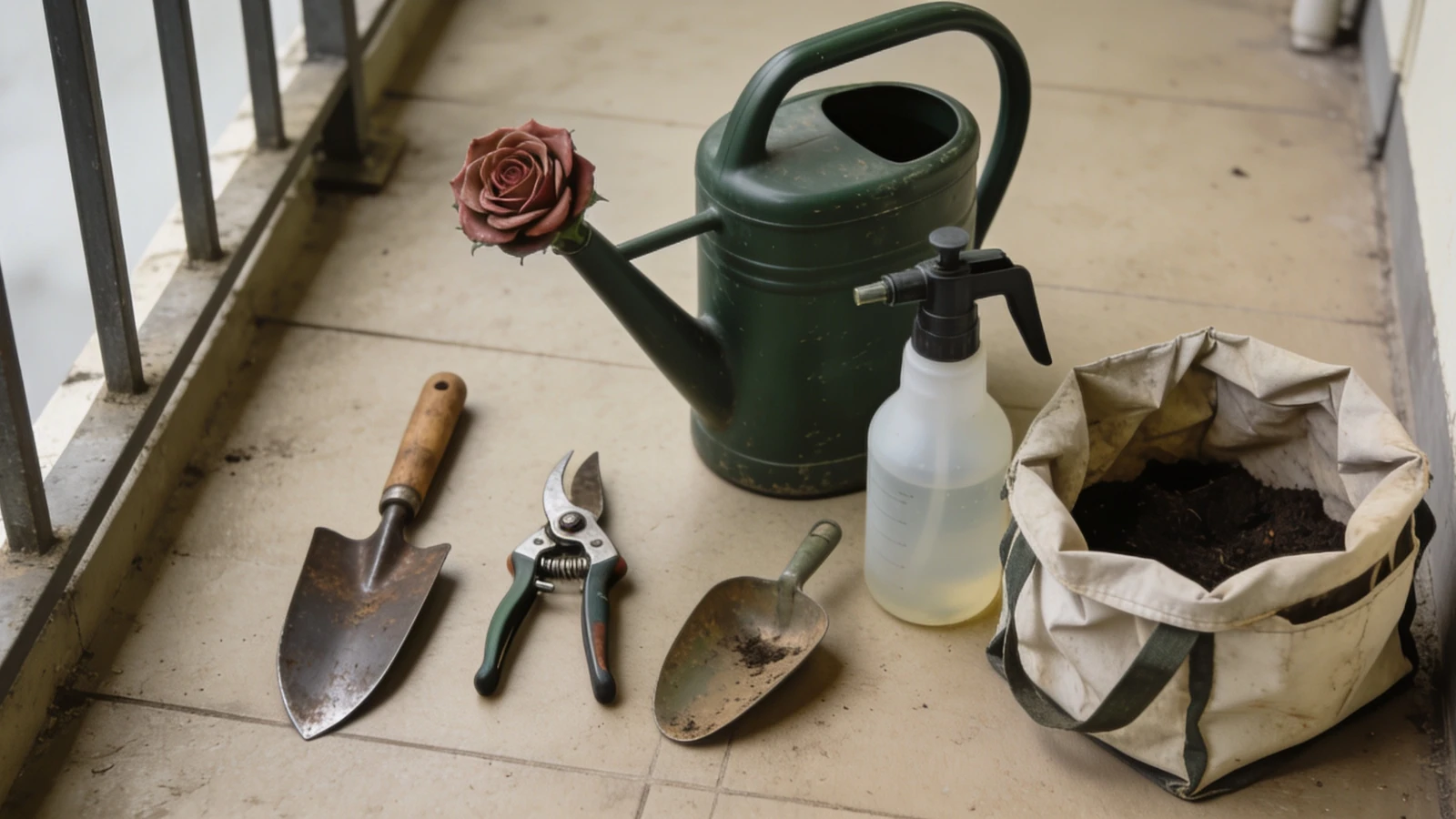
Gardening Tools for Small Spaces
A short, cheap tool kit for container gardening: what you need on a balcony or patio, what to leave out, and how to store it in a metre of space.
Updated
Gardening Tools for Beginners
The twelve tools a new gardener genuinely needs, what to look for in each, what to spend, and the eight popular tools you can safely skip in your first year.
Updated