Gardening Tools for Kids: Real Tools, Not Plastic Sets
Which children's garden tools actually work, what to buy at each age, and why most brightly coloured plastic sets put kids off gardening rather than into it.
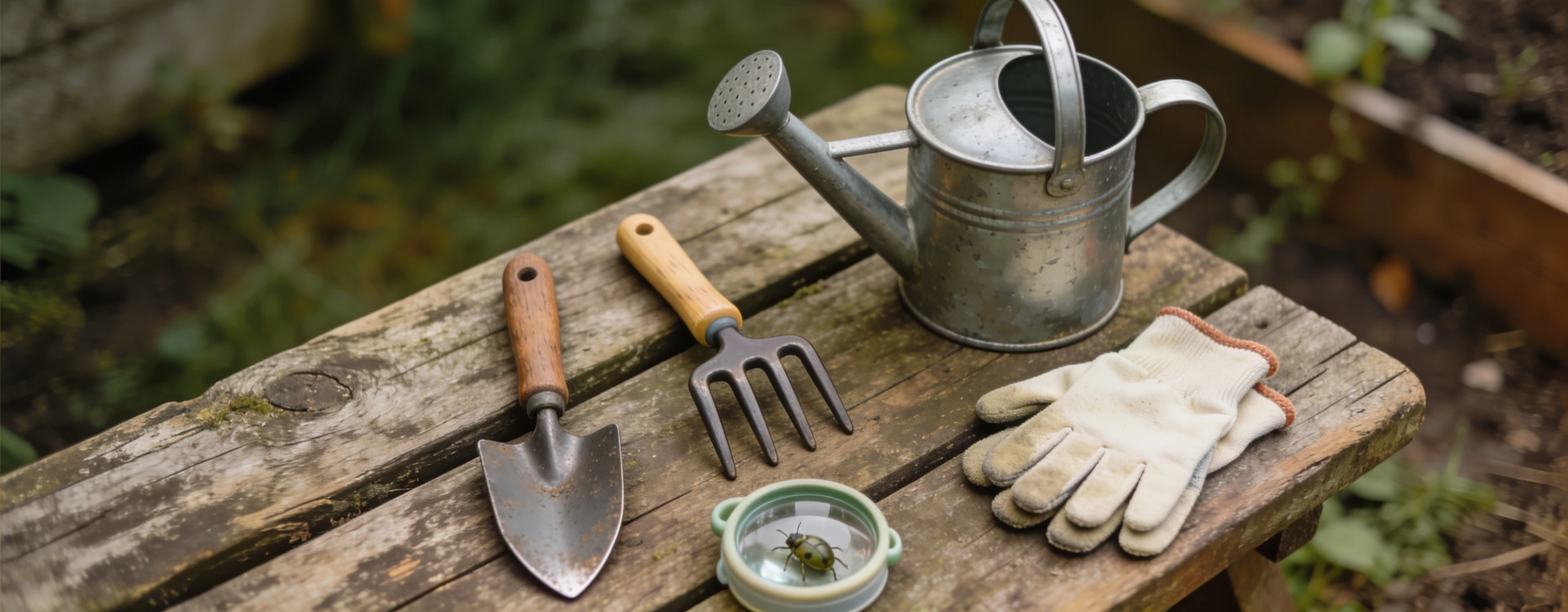
At a glance
| What | Best for | Typical price |
|---|---|---|
| Small forged metal trowel | Best first tool, age 3+ | $10–$22 |
| Child-sized metal watering can | Best for engagement, age 2+ | $10–$25 |
| Short-handled fork and rake pair | Best for ages 4–7 | $18–$35 |
| Small stainless spade or border spade | Best for ages 7+ | $30–$55 |
| Kids' gardening gloves in the right size | Best for comfort | $6–$12 |
| Magnifier or bug pot | Best for keeping interest alive | $5–$15 |
| Their own small pot or square of bed | Best investment of all | $5–$20 |
| Fast-germinating seeds: radish, sunflower, nasturtium, peas | Best for attention spans | $2–$4 per packet |
Sometimes Gardening may earn a small commission if you buy through links on this page, at no extra cost to you. It never changes what we recommend, here's how that works.
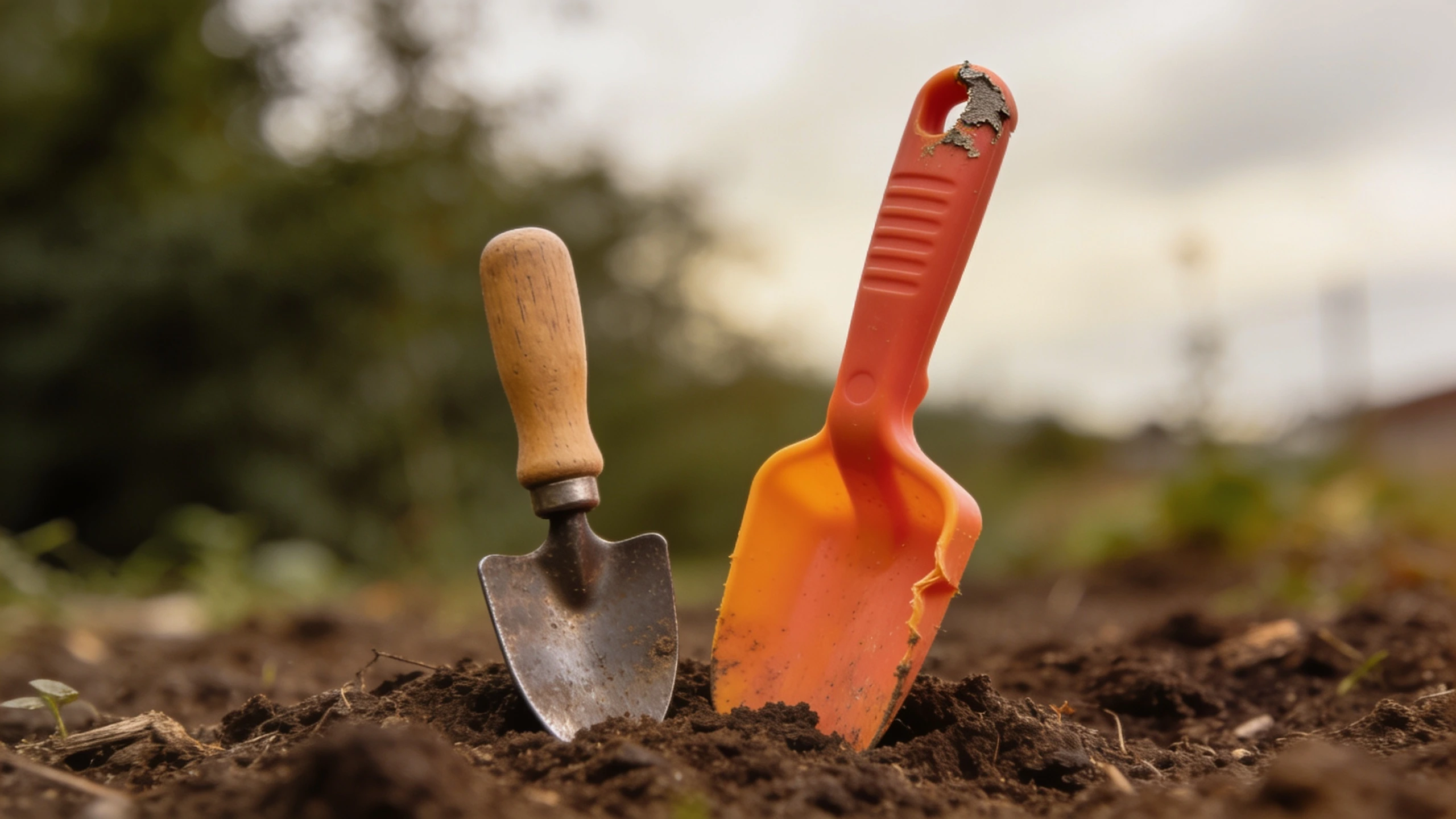
Most gardening tools for kids are brightly coloured plastic that cannot cut into soil. A child pushes a flexible plastic trowel at the ground, it skids off, and they reasonably conclude that this activity does not work. Then the set goes in the shed.
Real tools in small sizes cost a few dollars more and change the outcome completely.
The short answer
Buy a small forged metal trowel, a one-to-two litre watering can, and a short-handled metal fork, around $35 total and all three genuinely work. Skip plastic tool sets. Then give the child their own pot or square of bed and fast seeds: radish, sunflower, peas, nasturtium. Ownership and speed matter far more than equipment.
Why plastic gardening tools for kids fail#
Key points
- A plastic trowel flexes under load and slides off soil instead of penetrating it. The child experiences failure, not gardening.
- Oversized handles designed for adult hands mean a child cannot grip properly and gives up on fine work.
- Sets pad the count with items nobody needs, a mini hoe, a second trowel, so the two useful tools are the cheapest possible versions.
- Real tools in small sizes stay useful for years and get handed down, which is both cheaper and better.
- Plastic is genuinely fine for buckets, sieves, watering cans and pots. It is the digging and cutting tools that need to be metal.
What to buy at what age#
| Age | Tools that work | What they can do |
|---|---|---|
| 2–3 | Small watering can, bucket, sieve, their own pot | Watering, filling pots, sowing large seeds, picking |
| 4–6 | Small forged trowel, short-handled fork, kids' gloves, bug pot | Planting out, weeding with help, harvesting, digging |
| 7–9 | Border spade, hand fork, child-sized secateurs (supervised), small rake | Digging a bed, pruning soft growth, sowing in rows |
| 10+ | Full adult hand tools, standard secateurs, a real spade | Essentially everything, with normal safety supervision |
The tools#
Small forged metal trowel
$10–$22Best first tool, age 3+
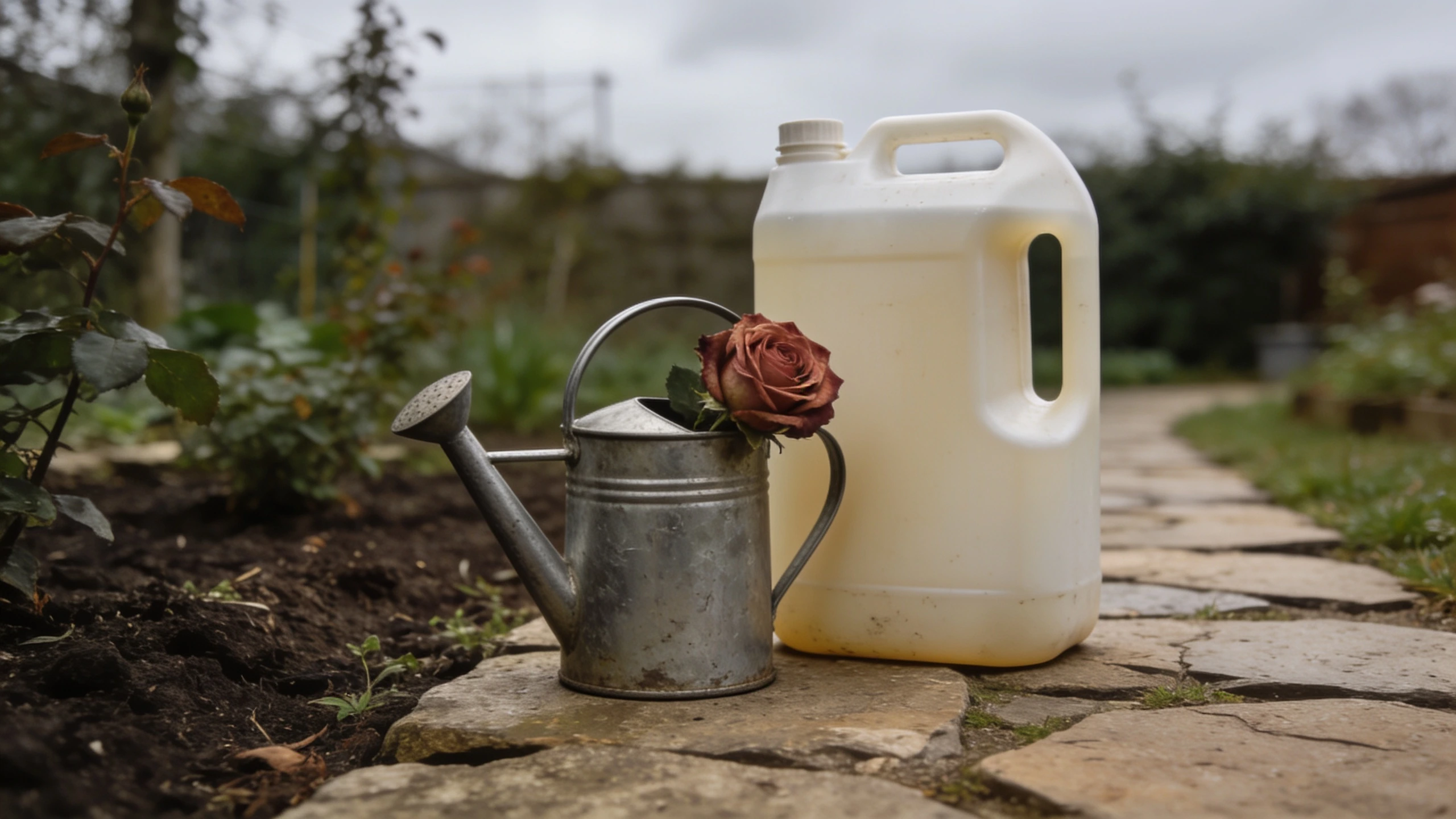
The single most important item. A short trowel, around 20–25 cm overall, with a forged metal blade will cut into soil when a child pushes it. That is the whole point.
Look for the same construction test as adult tools: metal continuing into the handle rather than a stamped blade crimped onto a neck. Children apply force at odd angles and cheap trowels fold.
Child-sized watering can, 1–2 litres
$10–$25Best for engagement, age 2+
Watering is the job children volunteer for. A 9-litre adult can weighs 9 kg full and is simply unliftable; a two-litre can is manageable from about two years old.
Metal cans last and feel like proper equipment; plastic is lighter and perfectly acceptable here. Either way, a rose head is worth having so a toddler does not blast a seed tray into a crater.
Short-handled fork and rake
$18–$35Best for ages 4–7
Around 60 cm long with real metal heads and wooden handles. Light enough for a child to control and genuinely functional. These are the tools that let a four-year-old work alongside you rather than beside you.
Wooden handles are better than moulded plastic here. They are lighter than steel, warmer to hold, and can be shortened with a saw if the child is small.
Border spade
$30–$55Best for ages 7+
A useful trick: a standard adult border spade, the narrower, shorter version made for working in beds, is frequently the right size for a child of seven or eight. It is a proper tool, it does not look childish, and it will still be in use in fifteen years.
Better value than anything marketed as a children's spade.
Gloves in the correct size
$6–$12Best for comfort
Sizing matters more for children than adults. An oversized glove makes it impossible to pick up a seed, so it gets pulled off and lost within a week. Measure across the knuckles and buy to that rather than by age band, which varies wildly between brands.
Magnifier and bug pot
$5–$15Best for keeping interest alive
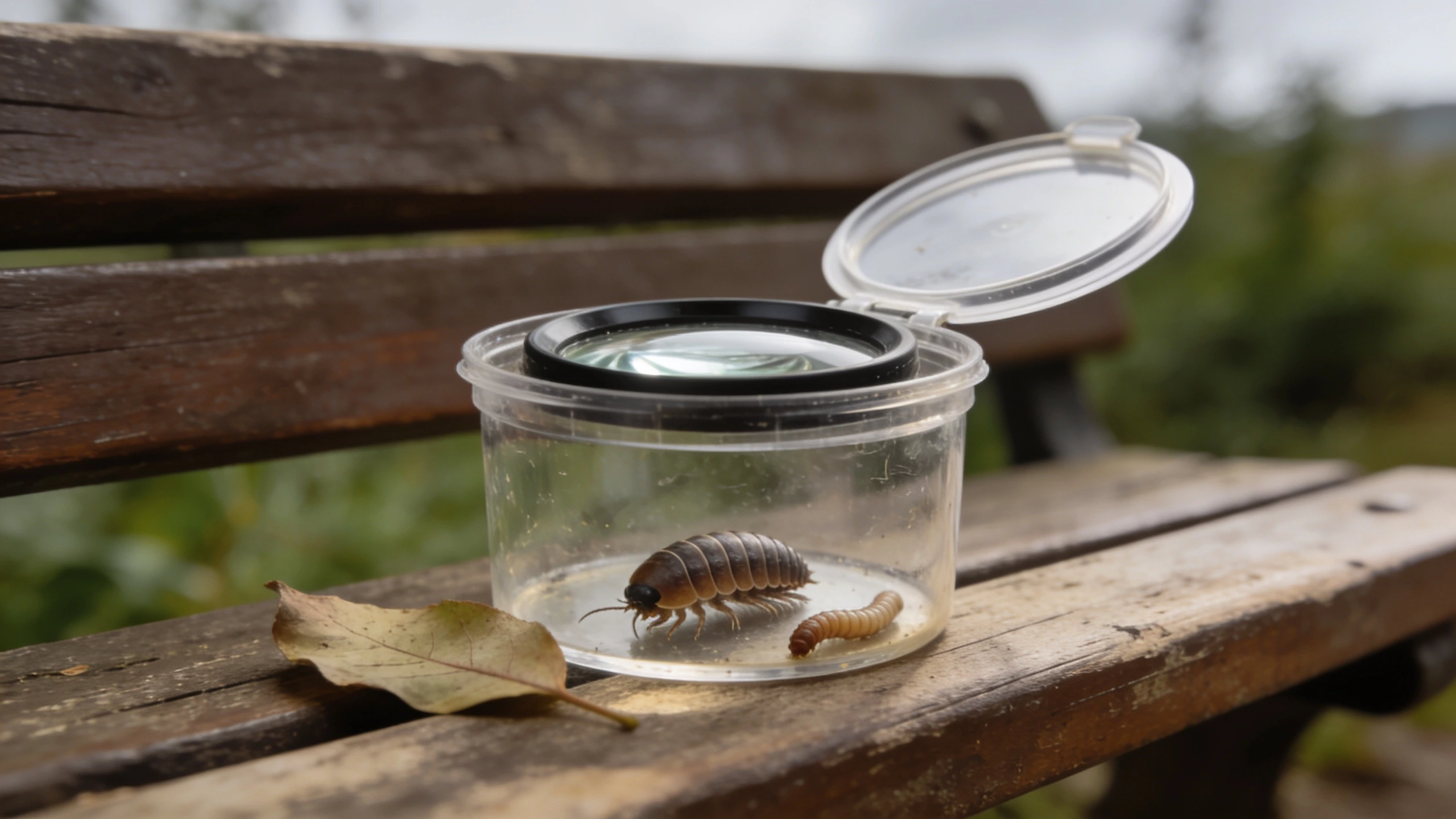
For a lot of children the wildlife is the actual attraction and the plants are incidental. A magnifying bug pot, a small clear container with a lens in the lid, turns every session into a discovery exercise, and it costs almost nothing.
Worms, woodlice, ladybird larvae and a bee on a flower will hold attention longer than any planting job.
The two things that matter more than tools#
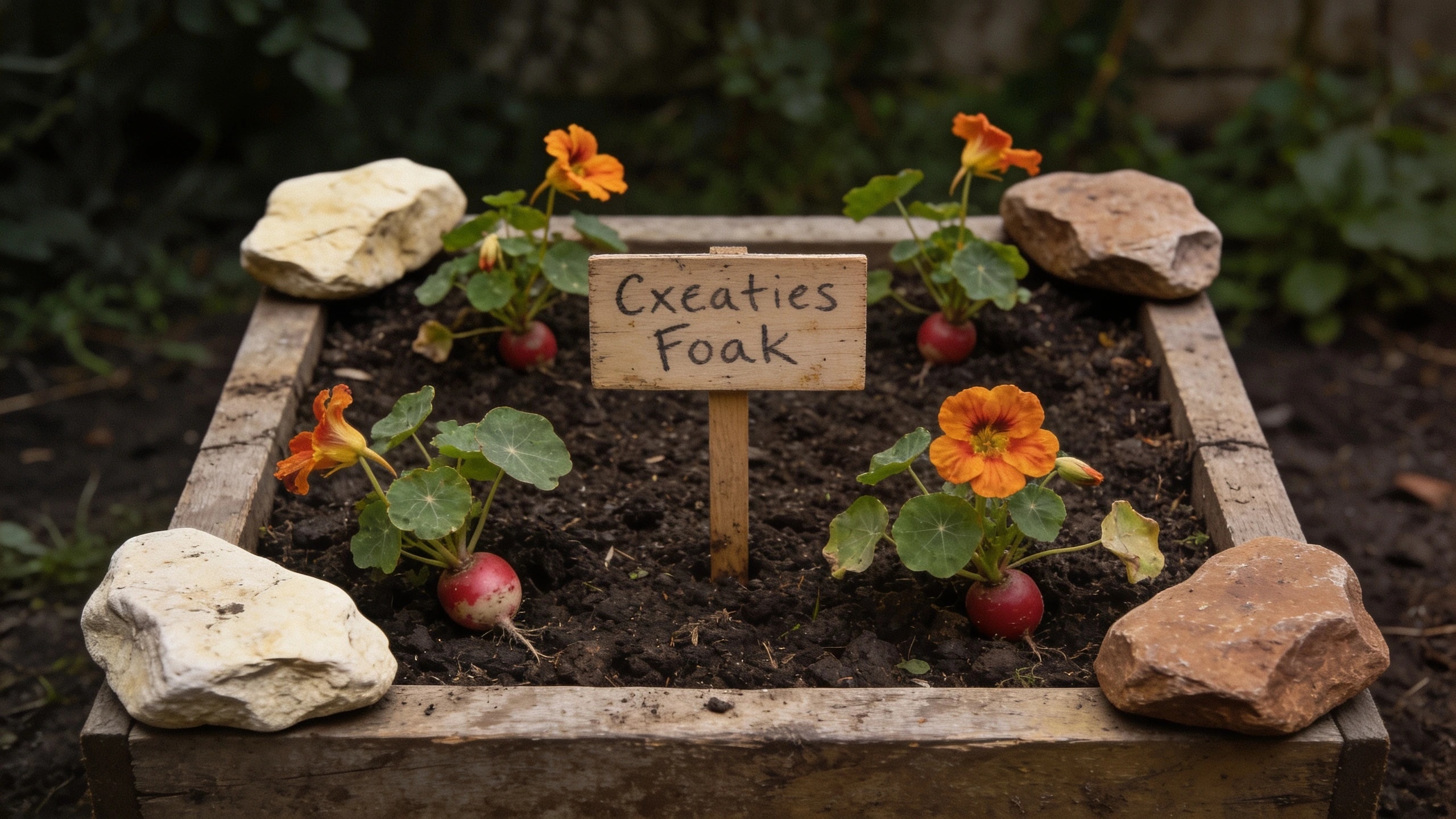
Their own pot, bag or square of bed
$5–$20Best investment of all
Ownership is the mechanism. A child helping with your garden is doing a chore; a child with their own square metre is a gardener. Mark it out, let them decide what goes in it, and then, the hard part, leave it alone.
Do not correct their spacing. Do not tidy it. A patch that is theirs and slightly chaotic produces far more enthusiasm than a patch that is neat because you fixed it.
Fast seeds: radish, sunflower, peas, nasturtium
$2–$4 per packetBest for attention spans
Germination speed is everything. A child who sows a seed and sees a shoot in four days has learned that this works. A child who waits three weeks has moved on.
- Radish: germinates in 4–7 days, edible in 25. Unbeatable.
- Sunflower: big seed that small fingers can handle, fast, and ends up taller than they are.
- Peas: germinate quickly, climb visibly, and can be eaten raw straight off the plant.
- Nasturtium: large seeds, near-guaranteed germination, edible peppery flowers.
- Potatoes in a bag: the harvest genuinely feels like digging for treasure.
- Cress on a windowsill: germinates in two days, which for a three-year-old is the right timescale.
Safety, without being precious about it#
Beyond that: sharp tools are supervised tools, gloves come off before eating, and hands get washed after handling soil or compost, bagged compost carries a small but genuine legionella and tetanus risk, which is why the bags say to avoid breathing the dust. None of this needs to dominate; it just needs to be habit.
Where the guidance here comes from#
The age bands are my own from gardening with children, so treat them as a rough guide rather than a rule. On the two things I would not guess at, I follow other people. The RHS school and community gardening pages are the best free source on what children can manage at what age, and RoSPA is worth reading on garden safety generally, because the hazards in a garden are rarely the ones you expect.
Related reading#
- Gardening gifts for beginners: most of these make excellent presents, and the gift guide covers budgets.
- How to start a vegetable garden: the fast, forgiving crops here are the same ones that suit children.
- Gardening tools for beginners: for the adult half of the operation.
Frequently asked questions
What age can children start gardening?
Two to three for watering, seed sowing and digging in a sandpit-like way. Around four they can handle a small real trowel and fork with supervision. Seven and up can use a border spade, hand fork and child-sized secateurs under supervision. The activity scales down far younger than the tools do.
Are plastic kids' gardening sets any good?
Mostly no. Plastic trowels flex and skid off soil rather than cutting into it, so the child concludes gardening does not work. A small forged metal trowel costs a few dollars more and actually digs. Keep plastic for buckets, sieves and watering cans, where it is genuinely fine.
Are child-sized secateurs safe?
For supervised children of about seven and up, yes, look for a spring-loaded pair with a positive safety catch and a small frame. Safety scissors sold for gardening are a reasonable stepping stone at five or six. The bigger risk is a blunt pair, which needs more force and slips more.
What should kids grow first?
Radishes (edible in 25 days), sunflowers (dramatic and fast), peas (edible raw straight off the plant), nasturtiums (germinate reliably, flowers are edible) and potatoes in a bag (harvest feels like treasure). Speed and drama beat everything else, a slow crop loses a child before it does anything.
How do I keep a child interested in gardening?
Give them ownership of a specific patch, choose fast and edible crops, and let them water. Do not correct their spacing or tidy their patch. Add a magnifier and a bug pot, for a lot of children the wildlife is the hook and the plants come second.
Topics in this article
About the author
Jeff has gardened professionally for over twenty years, mostly on heavy clay, and writes everything here from beds he still works himself. More from Jeff Tanun →
Keep reading
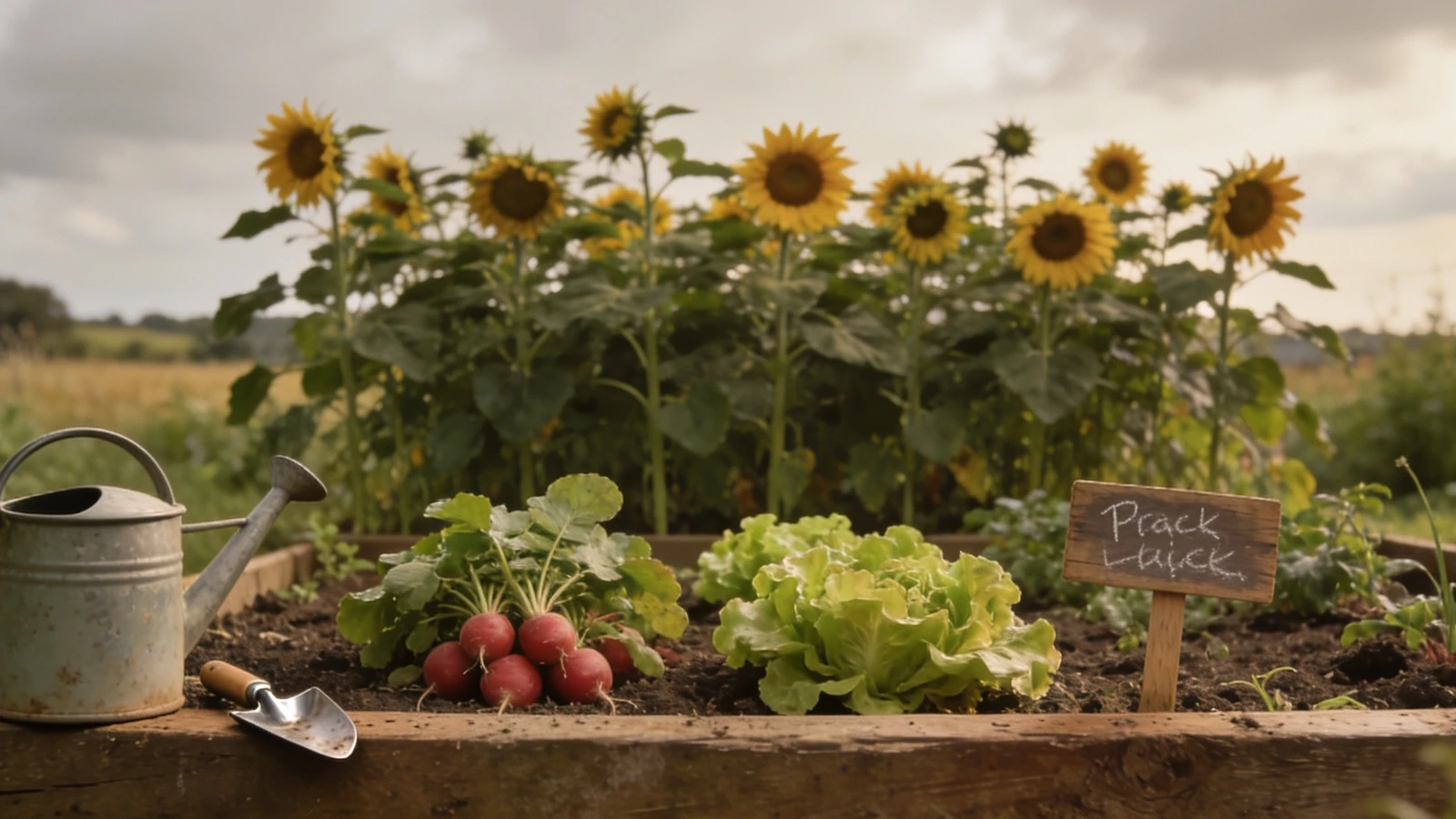
Gardening With Children
Gardening with children works when the seeds are fast and the tools are real. Here is what to plant, what to buy, and what puts kids off for good.
Updated
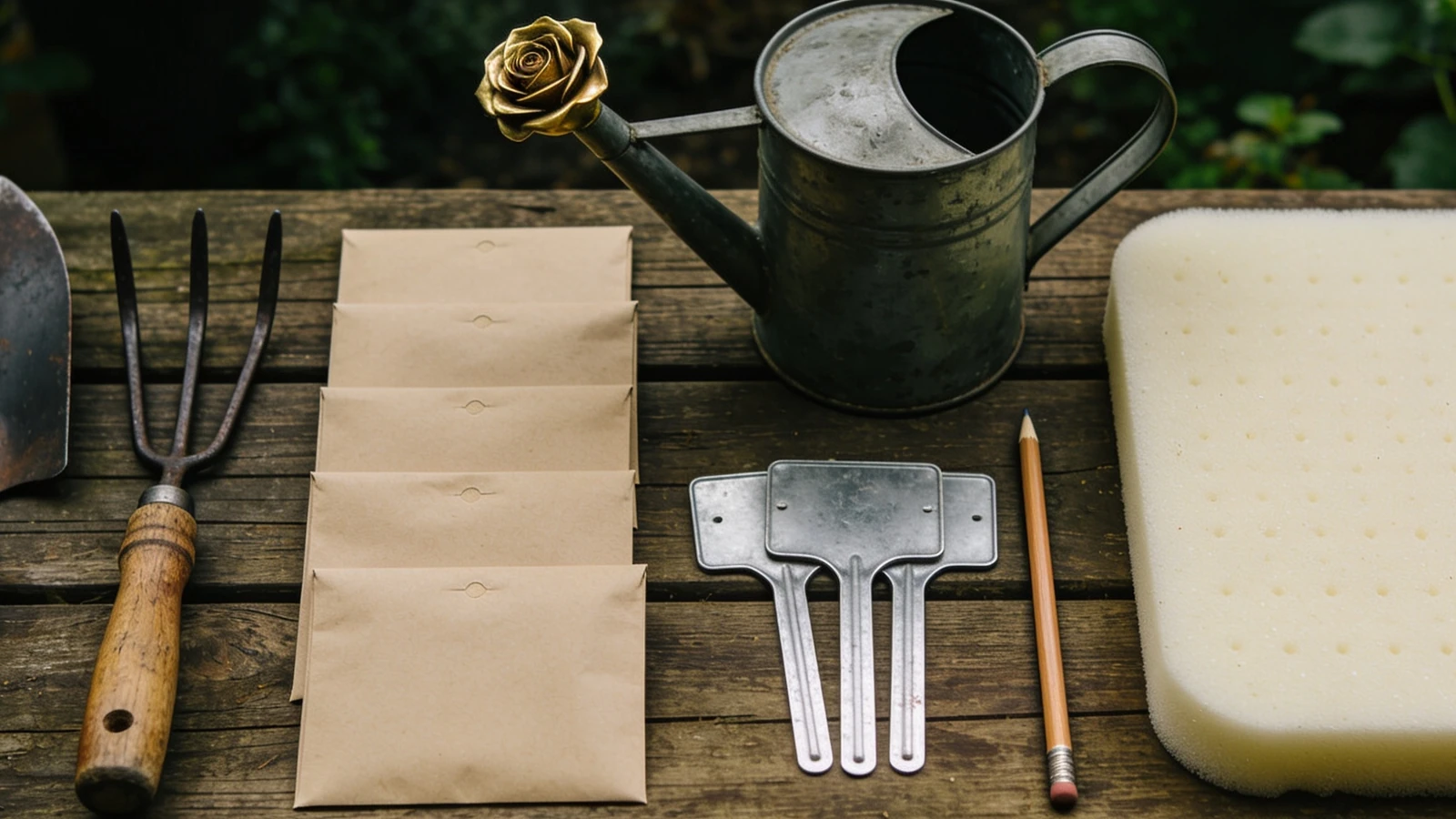
Gardening Gifts for Beginners
Gifts that make a first-year gardener more likely to keep going: the right five tools, the right seeds, and the presents that get in the way.
Updated
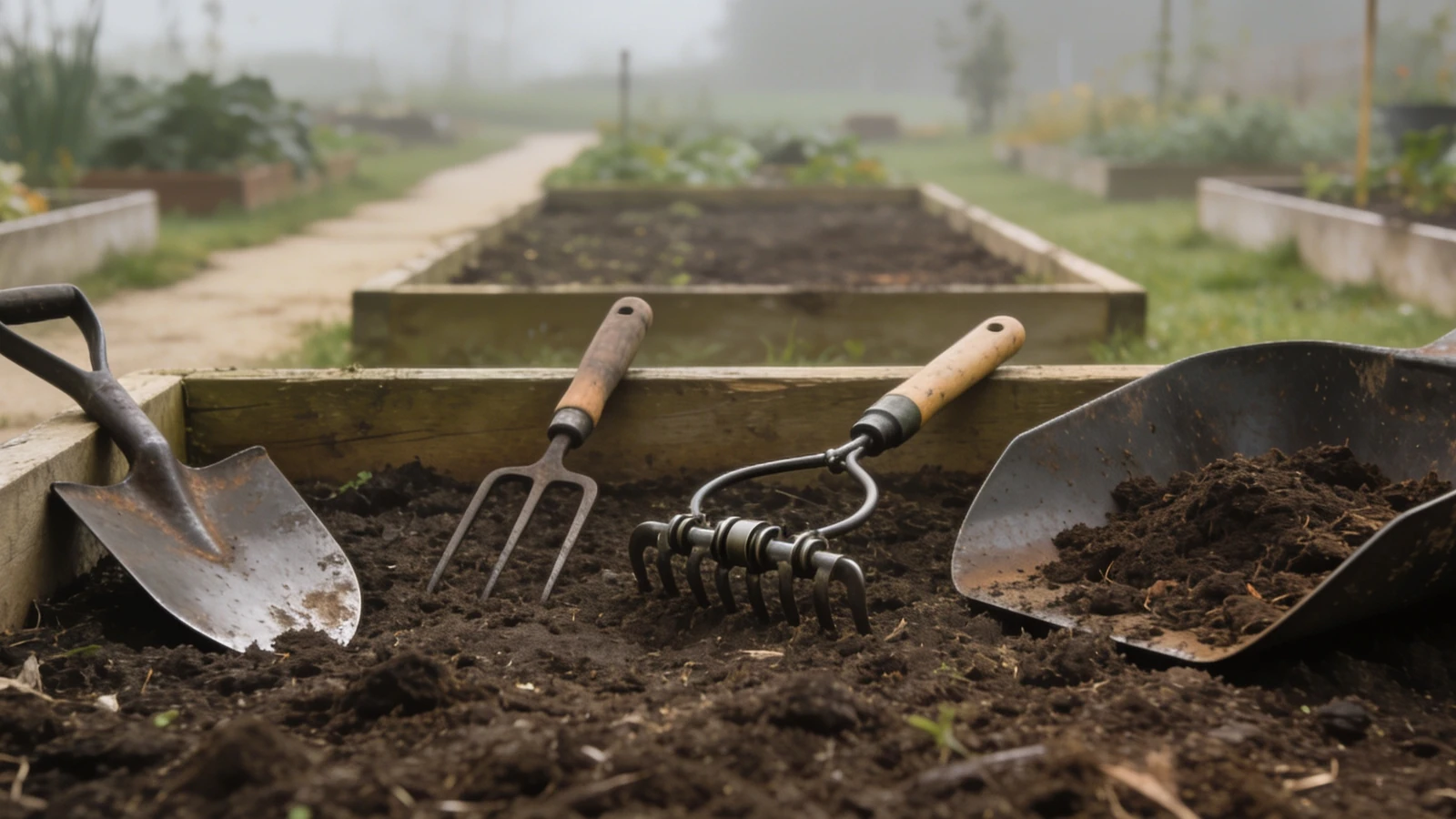
Gardening Tools for Raised Beds
Raised beds need a different tool kit from open ground: shorter handles, no spade, and a few things you would never buy otherwise. Here is the list.
Updated