Gardening Gifts for Beginners That Actually Get Used
Gifts that make a first-year gardener more likely to keep going: the right five tools, the right seeds, and the presents that get in the way.
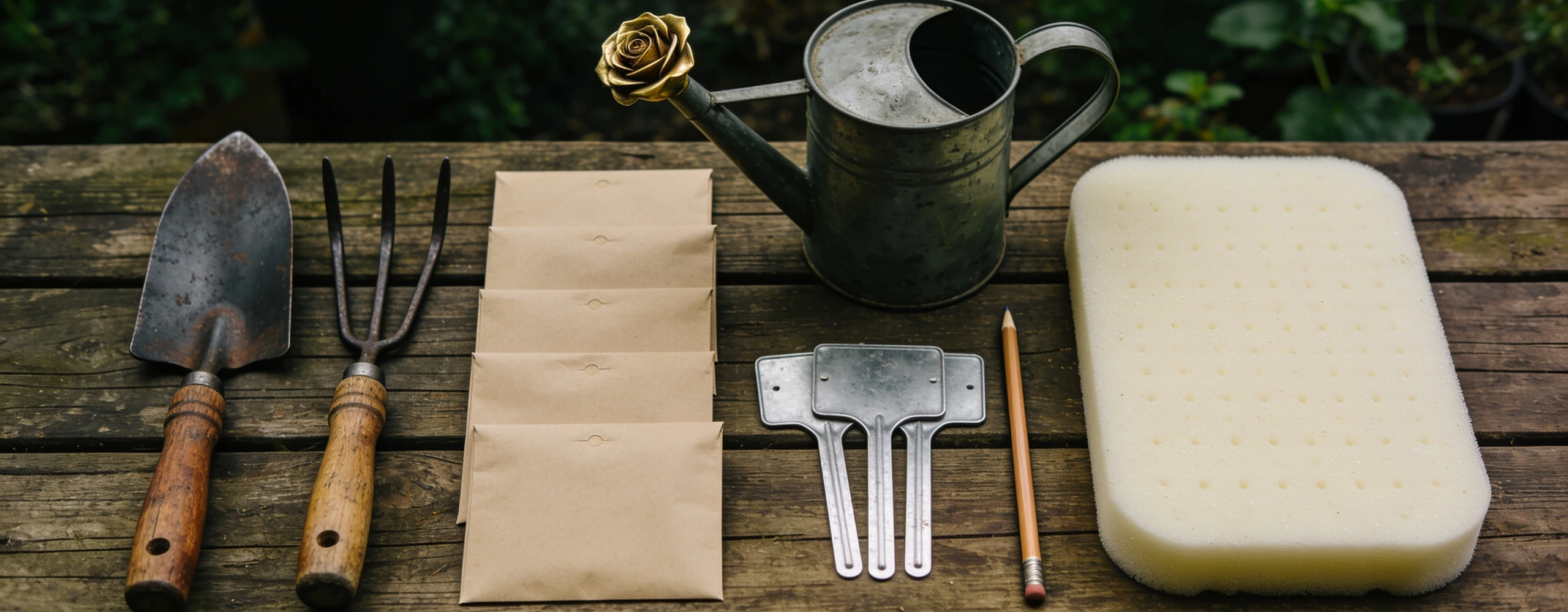
At a glance
| What | Best for | Typical price |
|---|---|---|
| Forged trowel and hand fork pair | Best first gift | $25–$55 |
| Mid-range bypass secateurs | Best tool upgrade | $25–$50 |
| Large planter or grow bag set, 30–40 litres | Best for someone with no bed yet | $20–$60 |
| Fast, forgiving seed collection | Best for building confidence | $10–$20 |
| Watering can with a removable rose head | Best for seed sowing | $18–$40 |
| Bag of good compost or a compost delivery | Best unglamorous gift | $15–$50 |
| Plant labels and a garden pencil | Best cheap gift | $6–$12 |
| Kneeling pad | Best comfort gift | $10–$18 |
| A course, club membership or allotment society subscription | Best long-term gift | $25–$80 |
| One good regional growing guide | Best book gift | $18–$35 |
Sometimes Gardening may earn a small commission if you buy through links on this page, at no extra cost to you. It never changes what we recommend, here's how that works.
The gardening gifts for beginners that genuinely help are not the ones that look most like gardening. A new gardener's first year fails for boring reasons, pots too small, tools that bend, seeds that were never going to work in that spot, and a well-chosen present removes one of those failure points.
The short answer
Buy a forged trowel and hand fork pair ($25–$55) if they have somewhere to garden, or a 30–40 litre planter plus compost ($35–$80) if they do not. Add a fast seed collection, radish, lettuce, bush beans, chard, and plant labels. Skip boxed tool sets, decorative items and anything with three functions. Best free gift: an afternoon of help setting it up.
Gardening gifts for beginners: start here#
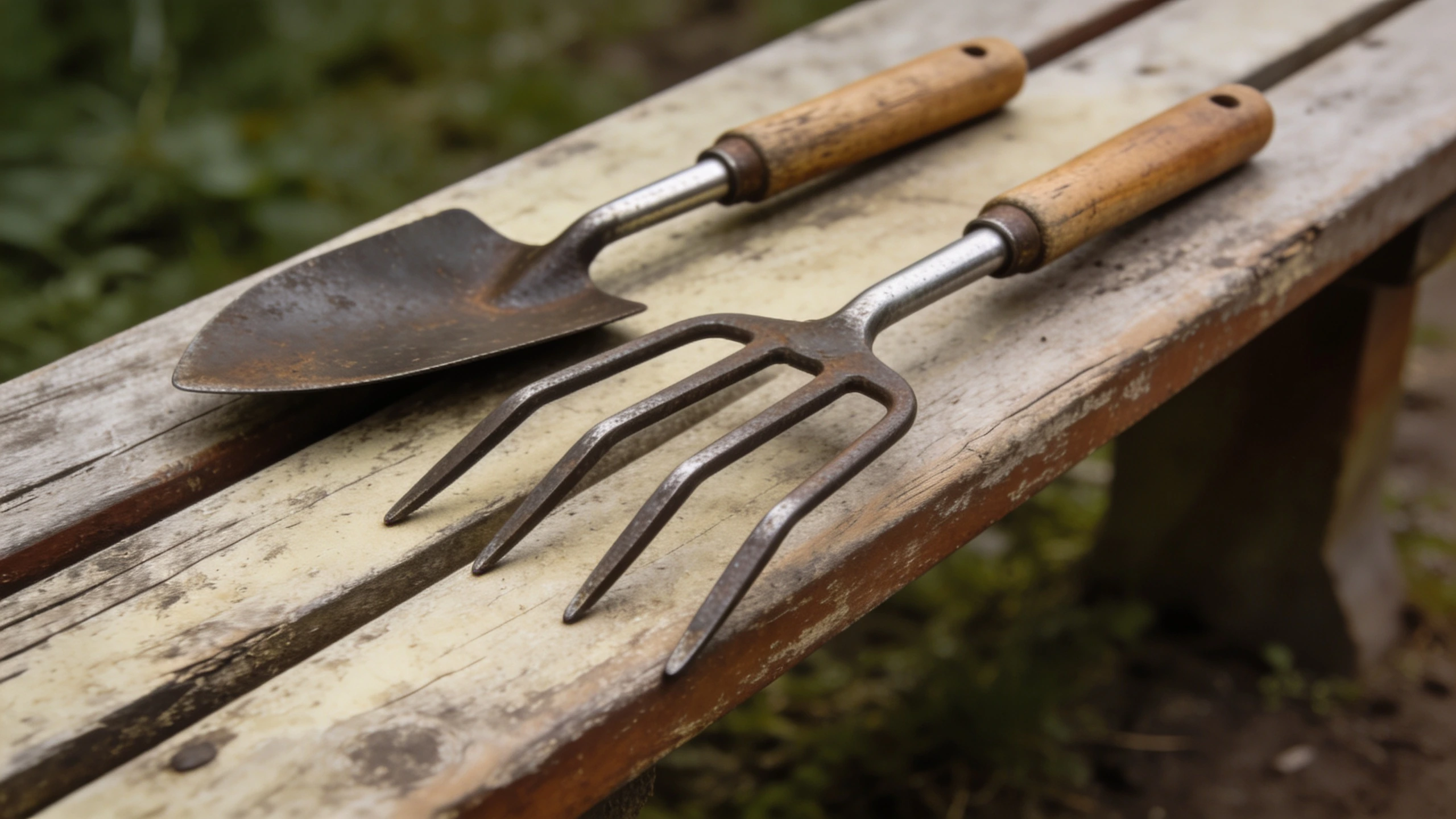
Forged trowel and hand fork pair
$25–$55Best first gift
These two tools do more work than everything else a beginner owns, combined. Planting, transplanting, weeding, scooping compost, loosening surfaces.
The word that matters is forged. Look for the metal continuing as a shaft into the handle rather than a flat blade riveted onto a thin neck. A stamped trowel bends the first time it meets a stone, which for a beginner reads as "I am doing this wrong" rather than "this tool is bad".
Bought forged, this pair lasts thirty years. It is the definition of a good gift.
Large planter or grow bag set, 30–40 litres
$20–$60Best for someone with no bed yet
The most common beginner failure is containers that are too small. Salad and herbs manage in 15–20 cm of depth, but a tomato, chilli, courgette or potato needs 30–40 litres of compost to produce anything worth eating. Most people start with a 5-litre pot and wonder why the plant stalls.
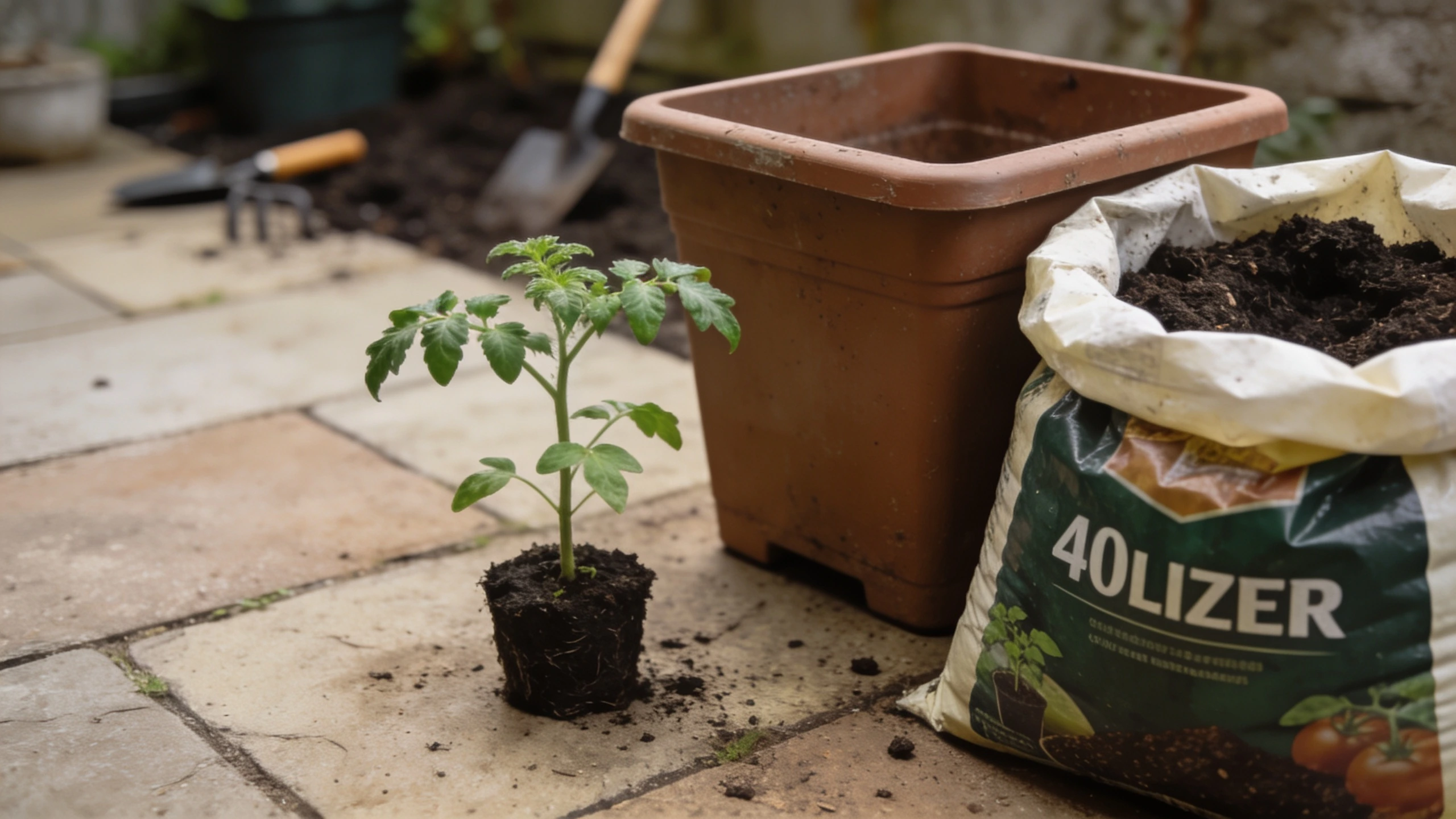
A large planter, or a set of three fabric grow bags, is unglamorous and directly removes the thing most likely to disappoint them.
Mid-range bypass secateurs
$25–$50Best tool upgrade
Left to themselves, a beginner buys the cheapest secateurs available, which crush stems instead of cutting them and make pruning feel like hard physical work. A mid-range bypass pair, with a replaceable blade and spring, reframes the whole job.
Bypass, not anvil. Bypass blades pass each other like scissors and leave a clean cut; anvil types crush against a flat plate.
Watering can with a removable rose head
$18–$40Best for seed sowing
The rose head is the functional part. A bare spout carves a hole in the soil, washes seed sideways and flattens seedlings, which is the difference between a row that germinates evenly and a row that does not.
Nine litres is about the practical carry limit. Brass roses last; moulded plastic ones crack at the collar.
Under $20 and genuinely useful#
Fast, forgiving seed collection
$10–$20Best for building confidence
Choose for speed and reliability, not variety or novelty:
- Radish: 4–7 days to germinate, edible in 25
- Lettuce and salad leaves: cut repeatedly from one sowing
- Bush beans: no staking, heavy croppers
- Chard: survives heat, neglect and light frost
- Nasturtium: big seeds, near-guaranteed germination, edible flowers
Skip seed collections marketed as "heirloom rainbow" assortments. Interesting varieties are for year three; year one needs things that work.
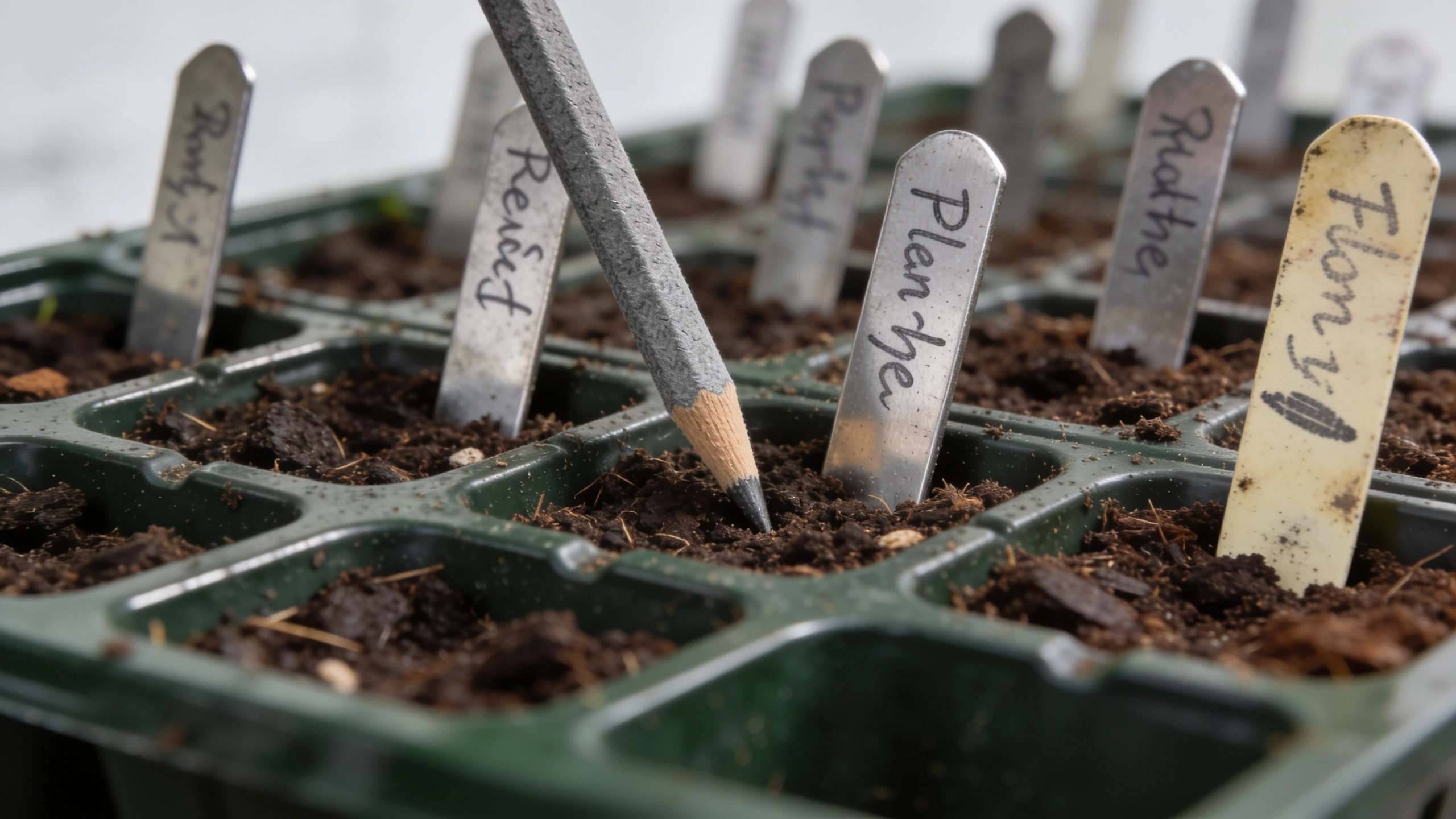
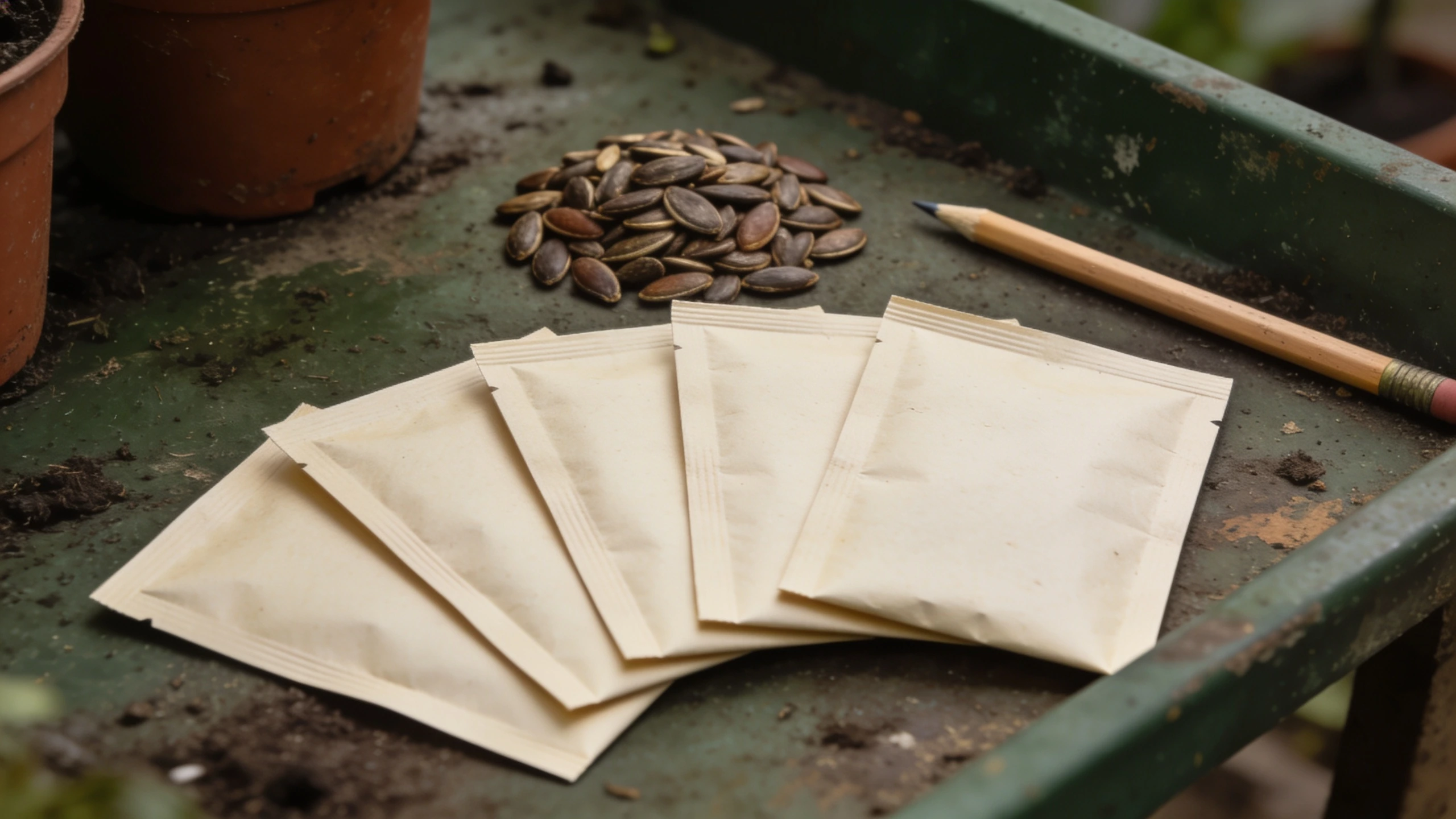
Plant labels and a garden pencil
$6–$12Best cheap gift
Every beginner loses track of what they sowed where, exactly once, and then buys labels. Getting there first is a small kindness. Use a proper garden pencil or a paint pen, ordinary marker fades to nothing in about six weeks of sunlight.
Kneeling pad
$10–$18Best comfort gift
The cheapest thing that extends how long someone can comfortably work. Closed-cell foam, at least 2 cm thick.
A bag of good compost, or a bulk delivery
$15–$50Best unglamorous gift
Beginners under-buy compost by a huge margin, and soil is the substrate for absolutely everything else. A few bags of decent multipurpose or soil improver, or a bulk bag delivered, if they have somewhere to put it, is more useful than most objects at the same price.
It also feels like a slightly odd gift, which is why nobody gives it and why it lands well.
Knowledge, which is the real bottleneck#
A course, club or allotment society membership
$25–$80Best long-term gift
Soil and climate are local, and local knowledge beats general advice every time. A community garden membership, a local horticultural society, or a one-day practical course at a botanic garden puts a beginner in contact with people who know what works in their specific conditions, which is genuinely the fastest route to competence.
One regional growing guide
$18–$35Best book gift
A book written for their climate zone or region, not a general encyclopedia. "When to sow what, where you live" is the information a beginner needs and the information general books deliberately hedge on.
What to avoid#
Worth it because
- Two good tools rather than nine mediocre ones
- Growing capacity, bigger pots, more compost, over more equipment
- Fast, forgiving seeds over interesting varieties
- Local knowledge: a course, a club, a regional guide
- An afternoon of your help, which costs nothing and is worth the most
Bear in mind
- Boxed tool sets, padded count, compromised quality on the two tools that matter
- Small decorative pots, too little compost to grow anything substantial
- Novelty and gimmick tools, and anything doing three jobs
- Herb kits in tins on a windowsill, almost always too little light and too little root room
- Difficult crops: cauliflower, celery, aubergine, melon
- Anything requiring assembly they did not ask for
Where the guidance here comes from#
The list is mine, and so is the argument that a beginner fails on pot size before they fail on skill. If you are buying a book or a seed selection, the two things worth checking first are what a beginner is actually told to start with, covered well in the RHS beginner's guide, and which zone the person you are buying for lives in, which the USDA plant hardiness map will tell you in about ten seconds. A regional book beats a beautiful one.
Related reading#
- How to start a vegetable garden: print it and put it in the card. It is the companion to every gift on this page.
- Gardening tools for beginners: the full list, with the construction quality test explained.
- Gardening gifts under $25: if the budget is tighter.
Frequently asked questions
What is the best gift for someone starting a garden?
A forged trowel and hand fork pair, around $25–$55. They get used more than everything else combined, and the forged version will outlast the beginner's whole first decade of gardening. If they have no bed yet, a large 30–40 litre planter with compost is the better call, because growing space is their actual limitation.
Should I buy a beginner a gardening tool set?
No. Boxed sets hit their price point by making the two useful tools, trowel and fork, as cheap as possible, and padding the count with a mini rake and a bulb planter that will never be used. Two good tools bought individually cost the same and work far better.
What seeds should I give a first-time gardener?
Radish, lettuce, bush beans, chard and nasturtium. All germinate readily, tolerate imperfect soil and watering, and show visible progress within weeks. Avoid cauliflower, celery, aubergine and melon. They are demanding and they fail completely rather than producing less, which is exactly what discourages a beginner.
Is a houseplant a good gift for a new gardener?
It can be, but it is a different hobby. Someone excited about growing vegetables outdoors is not necessarily interested in caring for a fiddle-leaf fig, and a plant that needs attention becomes an obligation. If you go this route, choose something genuinely hard to kill, pothos, spider plant, snake plant.
How much should I spend on a gift for a beginner gardener?
Around $30 to $60 covers the highest-impact options: good hand tools, a decent watering can, or a large planter with compost. Under $15 still buys something useful, labels, a kneeling pad, a seed collection. The most valuable gift of all is free: offering to spend an afternoon helping them set the thing up.
Topics in this article
About the author
Jeff has gardened professionally for over twenty years, mostly on heavy clay, and writes everything here from beds he still works himself. More from Jeff Tanun →
Keep reading
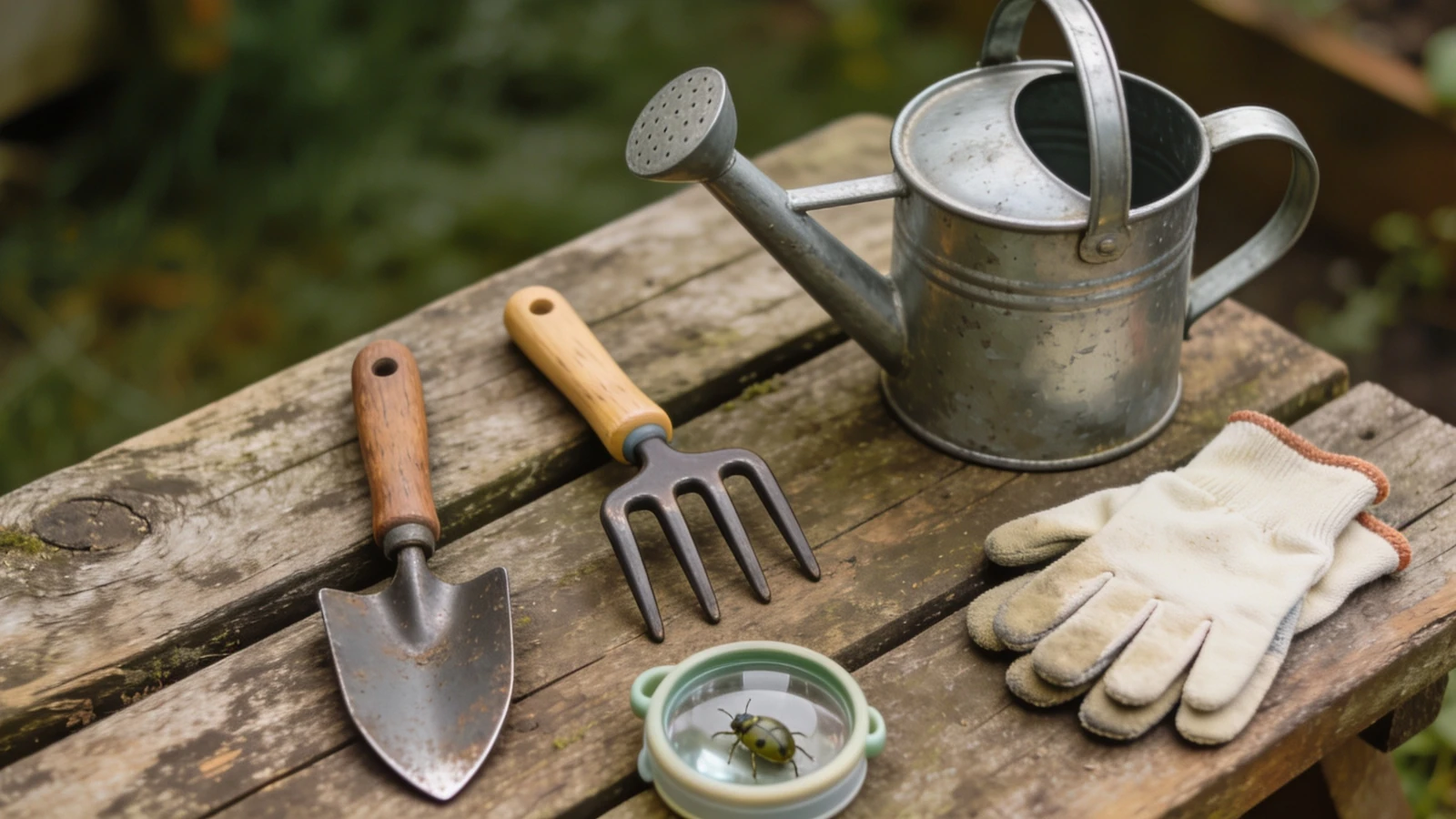
Gardening Tools for Kids
Which children's garden tools actually work, what to buy at each age, and why most brightly coloured plastic sets put kids off gardening rather than into it.
Updated
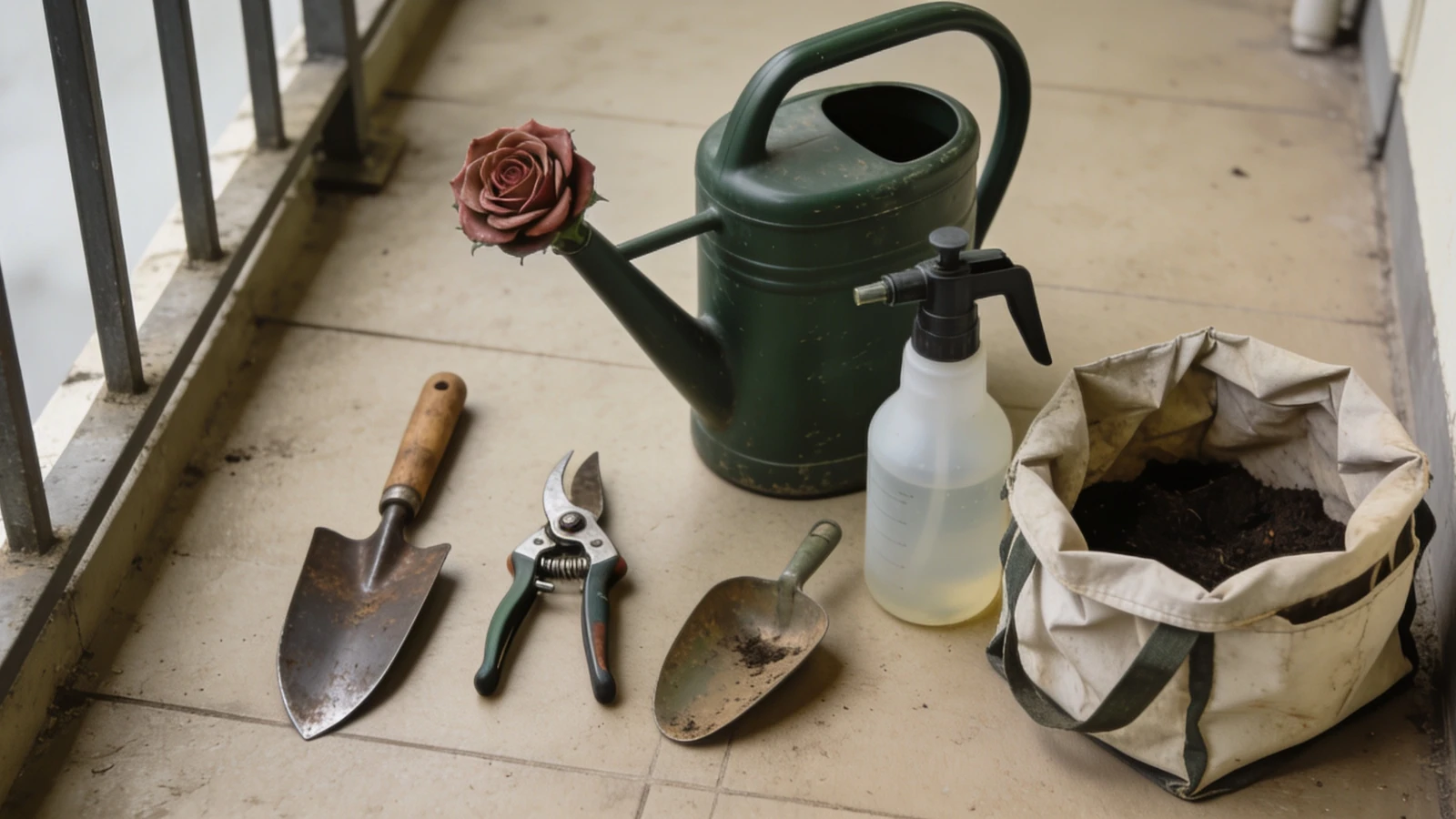
Gardening Tools for Small Spaces
A short, cheap tool kit for container gardening: what you need on a balcony or patio, what to leave out, and how to store it in a metre of space.
Updated
Gardening Gifts Under $25
Eighteen cheap gardening gifts that get used every single session, sorted by price band, with the novelty tat to avoid at exactly the same price.
Updated