Gardening With Children: Plants and Jobs That Work
Gardening with children works when the seeds are fast and the tools are real. Here is what to plant, what to buy, and what puts kids off for good.
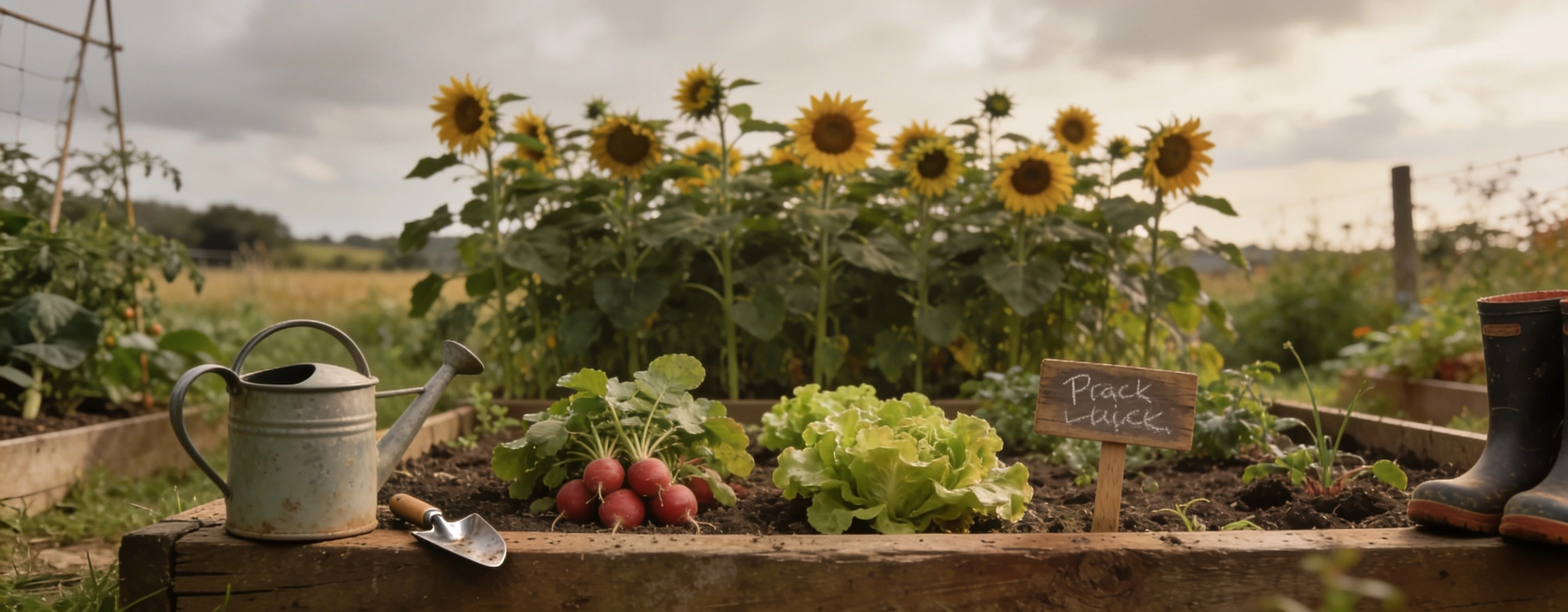
The gardening industry sells children bright plastic tools that cannot cut into soil. A child pushes a bendy plastic trowel at the ground, it skids off, and they reasonably decide this activity does not work. Then the set goes in the shed.
The short answer
Gardening with children works when two things are true. The tools are real metal in small sizes, and the seeds sprout within a week. Buy a small forged trowel, a two litre watering can and a short-handled fork, about $35 for all three. Then give the child their own square metre and sow radish, sunflowers, peas and nasturtiums.
That is most of it. Below is what to buy at what age, what to plant, and the safety points worth knowing. For the tool detail there is a full list in gardening tools for kids.
Why plastic sets put children off#
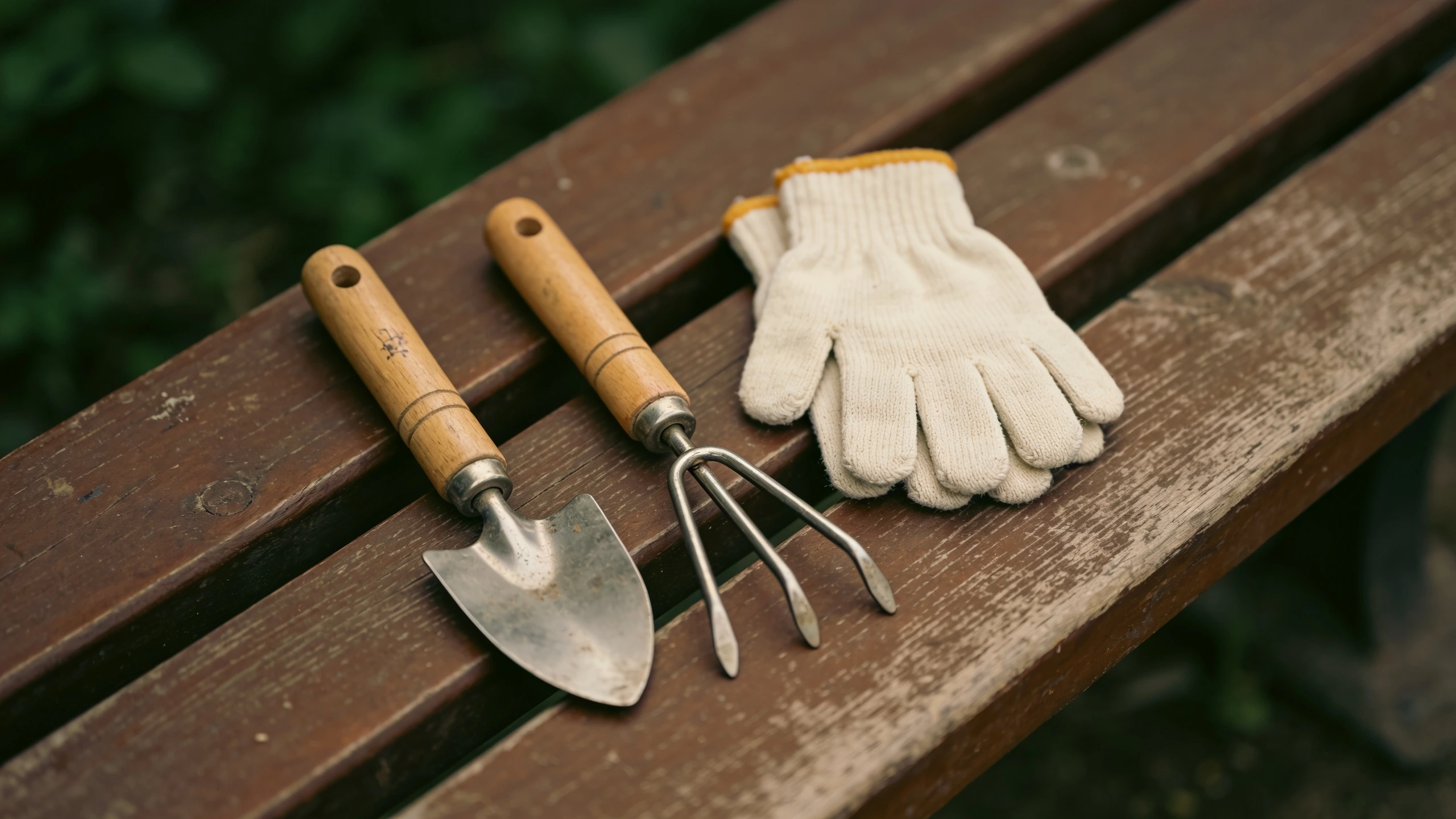
Three things go wrong with the boxed plastic set.
The trowel flexes. Under any real pressure it bows instead of cutting, so the child experiences failure rather than digging.
The handles are sized for adults. A child cannot get a proper grip, so fine jobs like picking up a seed become impossible.
The set pads its count. A mini rake, a second trowel, a bulb planter nobody uses. To hit the price, the two tools that matter are made as cheaply as possible.
A small forged metal trowel costs a few pounds more and works. That is the whole argument.
Gardening with children: what to buy at each age#
| Age | Tools that work | What they can do |
|---|---|---|
| 2 to 3 | Small watering can, bucket, sieve, their own pot | Water, fill pots, sow big seeds, pick things |
| 4 to 6 | Small forged trowel, short-handled fork, gloves, bug pot | Plant out, weed with help, dig, harvest |
| 7 to 9 | Border spade, hand fork, small secateurs with supervision | Dig a bed, sow in rows, prune soft growth |
| 10 and up | Adult hand tools, standard secateurs, a real spade | Most things, with normal supervision |
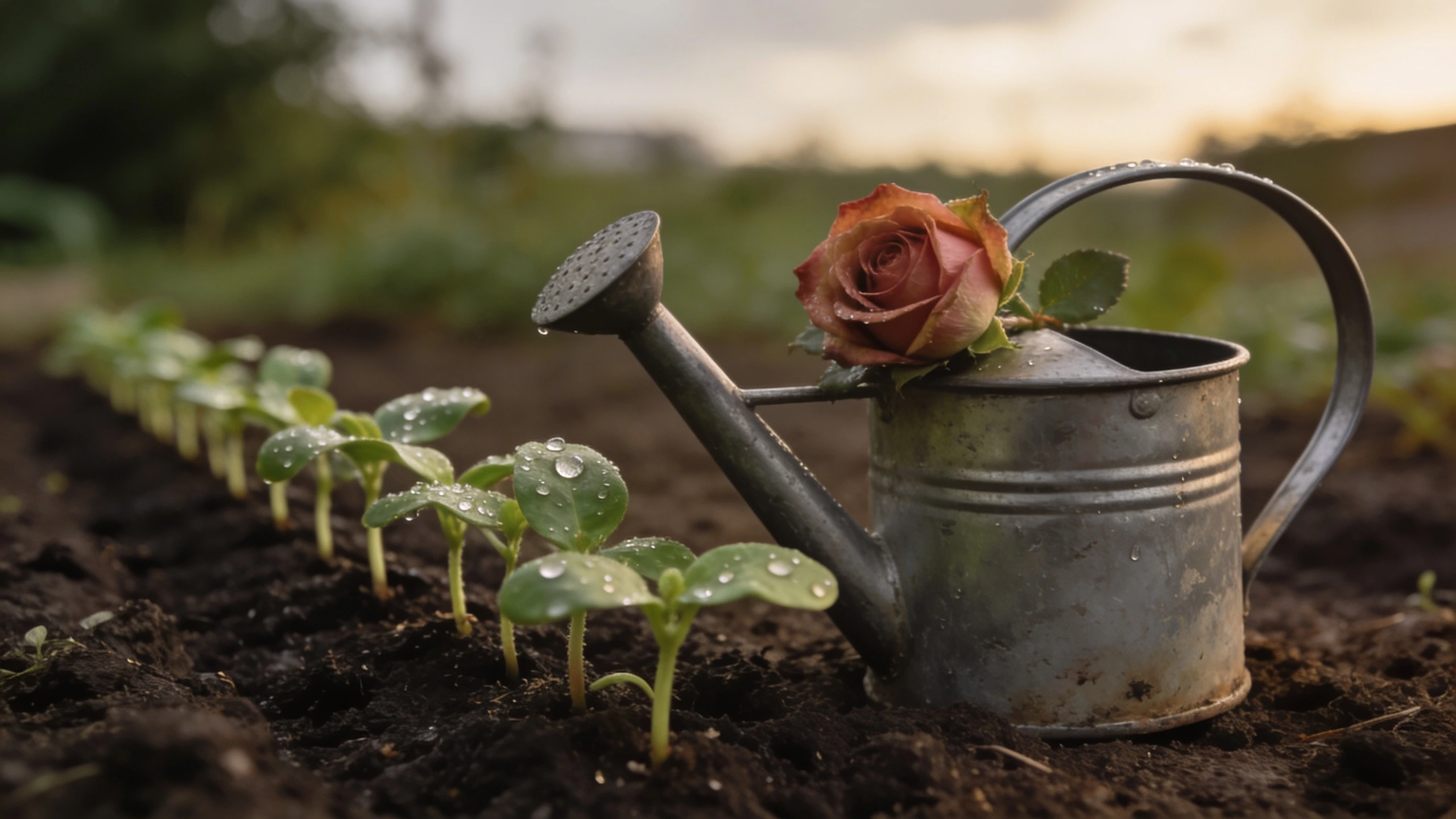
One useful trick for older children: a standard adult border spade, the narrow short version made for working in beds, is often the right size for a seven or eight year old. It is a proper tool, it does not look childish, and it lasts.
Watering is the job children ask to do. A two litre can is light enough from about two years old. A nine litre adult can weighs 9 kg full and is simply unliftable, so it becomes a job they are shut out of.
What to plant: speed beats variety#
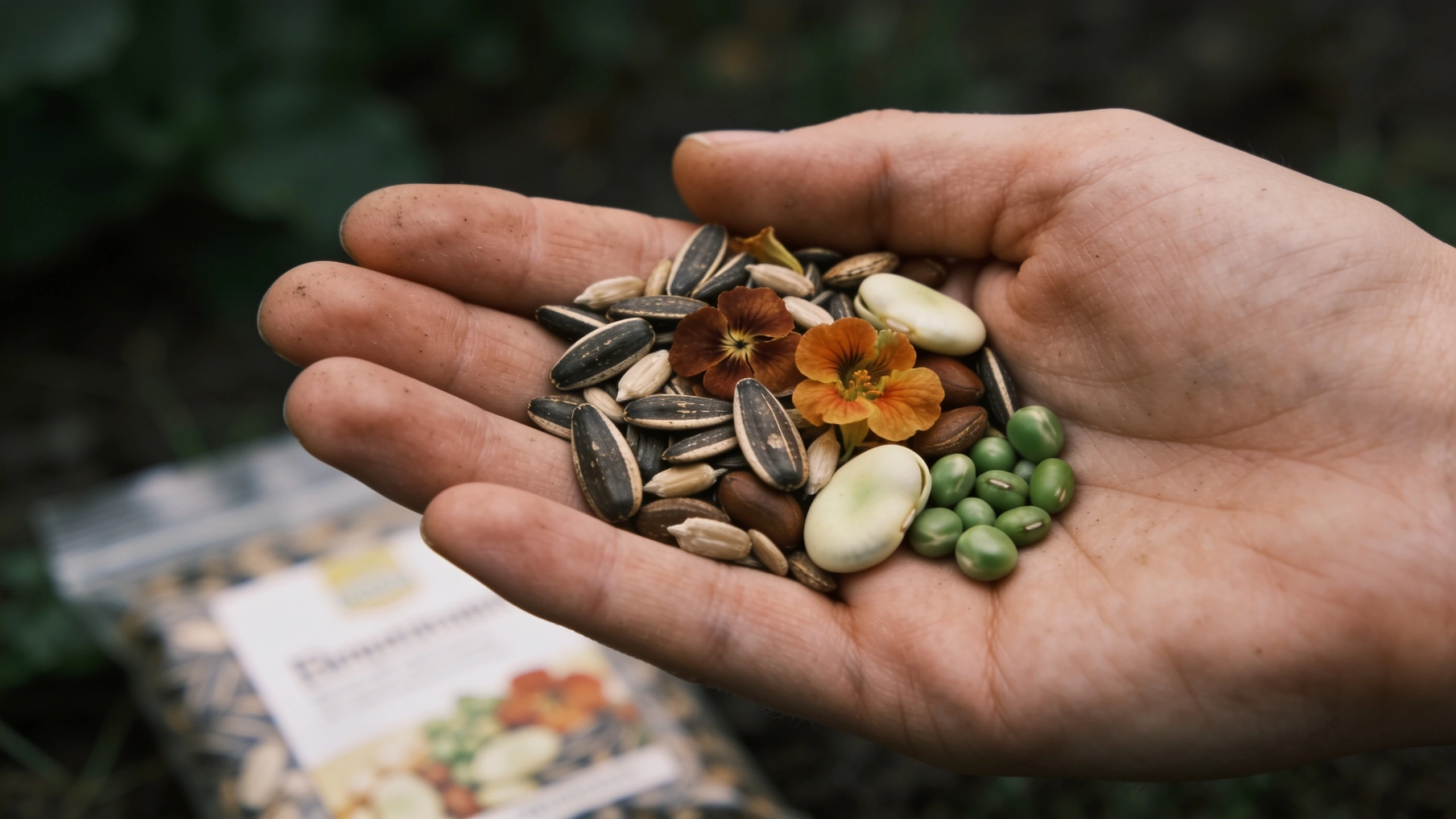
Germination speed decides everything. A child who sows a seed and sees a shoot in four days has learned that this works. A child who waits three weeks has moved on.
| Plant | Sprouts in | Ready in | Why it works |
|---|---|---|---|
| Cress on a windowsill | 2 days | 7 days | The right timescale for a toddler |
| Radish | 4 to 7 days | 25 days | Fastest thing you can eat |
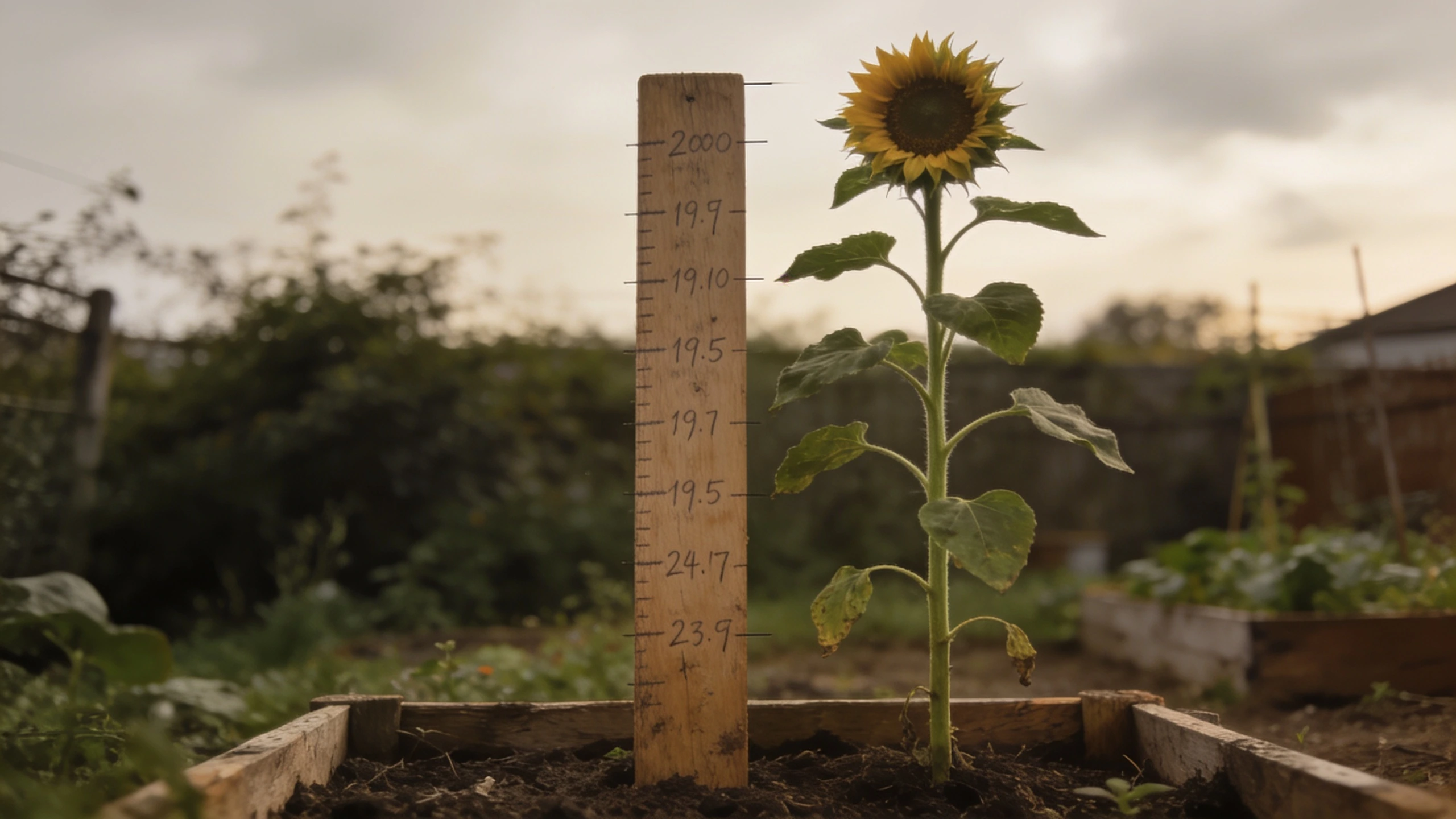
| Sunflower | 7 to 10 days | Flowers in 10 weeks | Ends up taller than the child |
| Peas | 7 to 10 days | 10 weeks | Eaten raw off the plant |
| Nasturtium | 7 to 12 days | 8 weeks | Huge seeds, edible peppery flowers |
| Potatoes in a bag | 2 to 3 weeks | 12 weeks | Harvest feels like digging for treasure |
Those timings are the usual ranges on seed packets rather than results measured here, so treat them as a guide.
Sunflowers deserve a special mention because they turn growing into a measurable thing.
Give them their own patch, then leave it alone#
This is the part adults find hardest and it matters more than any tool.
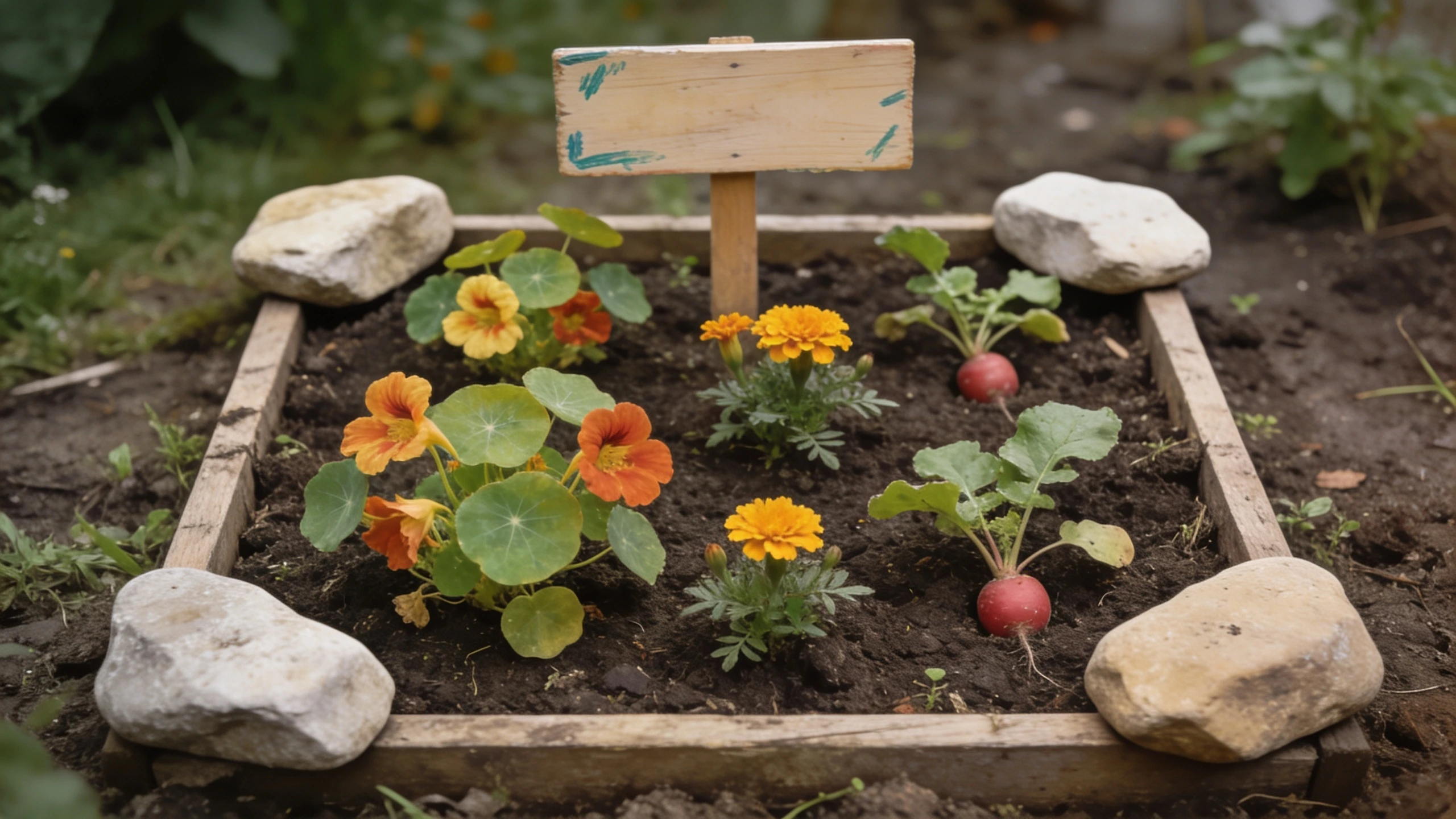
A child helping with your garden is doing a chore. A child with their own square metre is a gardener. Mark it out, let them choose what goes in, and then do not correct it.
Do not fix the spacing. Do not weed it while they are at school. Do not replant the bit that failed. A patch that is theirs and slightly chaotic produces far more enthusiasm than a patch that is neat because you sorted it out.
The failure will teach them more than your tidying would. If the radishes are too close together and stay small, that is the lesson, and it lands because it was their row.
The insects are often the real hook#
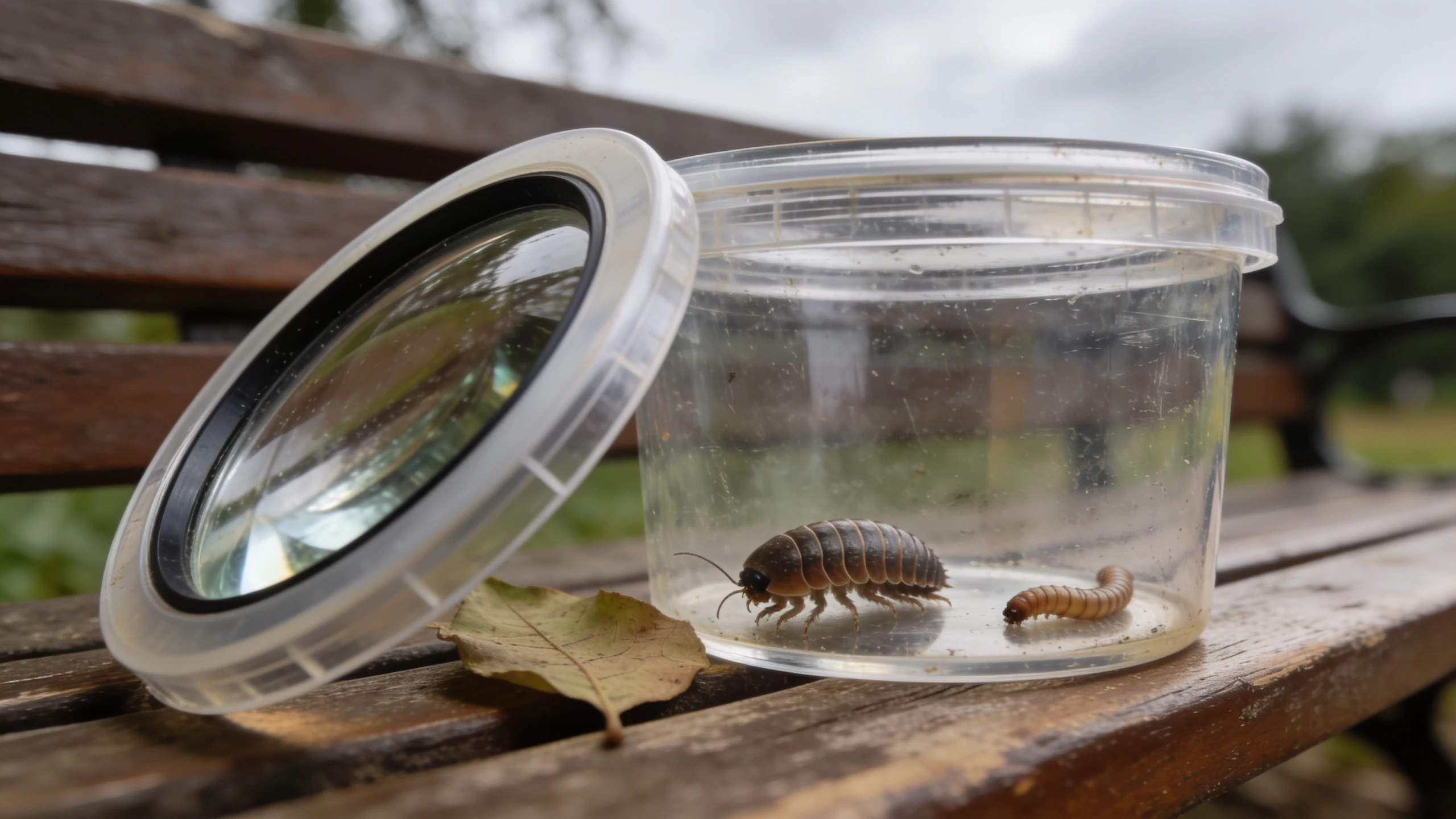
For a good number of children the plants are incidental and the wildlife is the point. That is fine. A magnifying bug pot costs very little and turns every session into a hunt.
Worms, woodlice, ladybird larvae, a bee on a flower. Any of those will hold attention longer than a planting job. If you want them outside, this is the cheapest way to do it.
Harvesting is the payoff, so plan for it#
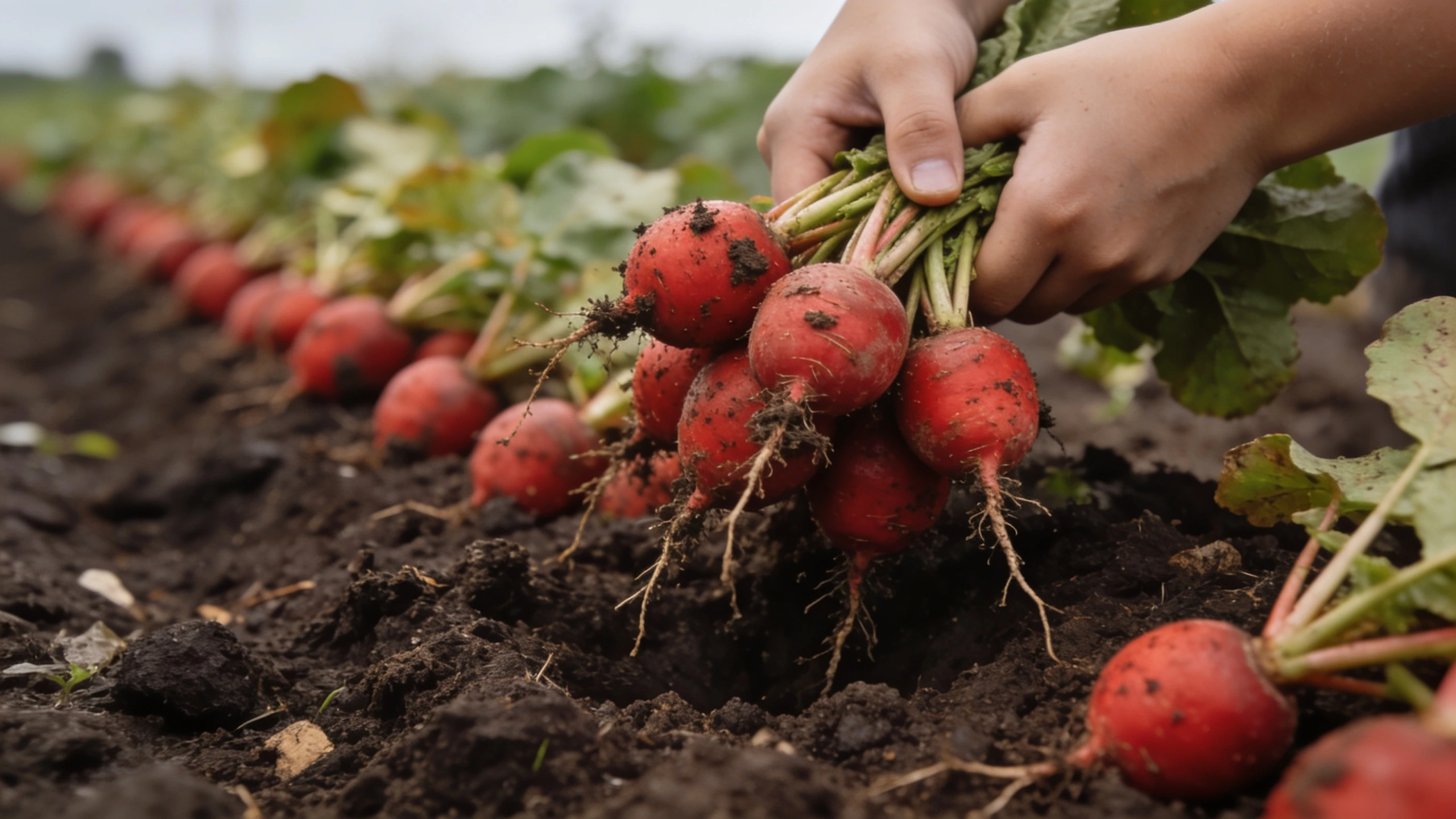
Time the sowing so something is ready while they still care. Radish in four weeks, peas in ten, sunflowers by late summer.
For schools, this is the single biggest planning point. Sow in early spring so there is something to pick before the summer holiday. A school garden full of crops that ripen in August is a garden nobody harvests, and that is the most common way they disappoint.
Safety, without making it grim#
Beyond that it is short. Sharp tools are supervised tools. Gloves come off before eating. Hands get washed after handling soil or compost, because bagged compost carries bacteria and fungal spores, which is why the bag tells you not to breathe the dust. Tetanus lives in soil, so it is worth knowing your boosters are current if you garden a lot.
If you want a second opinion on any plant in your garden, the Royal Horticultural Society advice pages list which common garden plants are harmful, and Minnesota Extension yard and garden publishes plant guidance written for families and schools.
None of that needs to dominate the afternoon. It just needs to become habit.
Mistakes adults make#
Buying the plastic set. Covered above, and it is the main one.
Choosing slow crops. Carrots take twelve weeks and look like nothing for the first six. Not a first choice.
Correcting their patch. The fastest way to make a child's garden stop being theirs.
Giving them too much space. One square metre. Half a bed is too much for anyone new, adult or child.
Doing the watering yourself because it is quicker. It is the job they want. Let it take twenty minutes.
Forgetting the summer holiday. For schools, this decides what is worth sowing at all.
When this does not apply#
Very young children, under about two, are not gardening. They are playing in soil, which is genuinely valuable and needs different supervision and a different definition of success.
If a child has a diagnosed allergy, check plants and compost against it before planting. Some people react to compost dust and to sap from euphorbia, rue and giant hogweed.
If you have no outdoor space, a sunny windowsill still works. Cress, pea shoots and herbs all grow in a tray indoors, and cress in particular gives a two day result.
And if a child simply is not interested, leave it. Forced gardening produces adults who dislike gardening. A bug pot and an open back door does more than a planting schedule.
How we know this#
The timings here are standard seed packet ranges and the safety list is standard published guidance, cross-checked against Royal Horticultural Society advice and extension service publications. No original trial with children sits behind this page.
Where a figure is a range rather than a measurement, the text says so. Our editorial policy sets out how corrections work.
Bottom line#
Buy three real tools in small sizes, about $35. Sow radish, sunflowers, peas and nasturtiums, because all four do something visible within two weeks. Give the child one square metre and then keep your hands off it.
Let them water. Let them pick. Let the untidy row stay untidy.
That is a formula that produces gardeners. The neat version produces children who helped in your garden once.
For the tools in more detail, see gardening tools for kids. For a first bed of your own alongside theirs, how to start a garden.
Frequently asked questions
What age can children start gardening?
Two or three for watering, sowing big seeds and picking. Around four they can use a small real trowel and fork with an adult nearby. From about seven they can handle a border spade and child-sized secateurs under supervision. The activity works far younger than most tools are sized for, so start with watering and harvesting.
What should children plant first?
Radishes, sunflowers, peas, nasturtiums and cress. Radishes sprout in four to seven days and are ready in about 25. Sunflowers end up taller than the child. Peas can be eaten raw straight off the plant. Cress on a windowsill sprouts in two days, which is the right timescale for a three year old.
Are plastic children's garden tools any good?
Mostly no. A plastic trowel bends under load and skids off the soil instead of cutting into it, so the child concludes gardening does not work. A small forged metal trowel costs a few pounds more and actually digs. Keep plastic for buckets, sieves and watering cans, where it is perfectly fine.
How do I keep a child interested in gardening?
Give them their own patch and then leave it alone. Choose fast crops so something happens within a week. Let them do the watering, which is the job children volunteer for. Add a magnifying bug pot, because for a lot of children the insects are the real attraction and the plants come second.
Are garden plants dangerous for children?
A few are. Foxglove, aconite, laburnum seeds, yew berries, lily of the valley and daffodil bulbs are all toxic if eaten, and daffodil bulbs look enough like onions to be a genuine risk. Walk round and identify what you have. Then teach the rule early: nothing goes in your mouth unless an adult says it is food.
What can a school grow in one term?
Radish, cress, salad leaves, peas and broad beans all fit inside a single term. Sow in early spring and there is something to pick before the summer holiday. Avoid anything that ripens in August, because nobody is there to harvest it, which is the most common way school gardens disappoint.
How big should a child's garden patch be?
About one square metre, or a single large pot. Small enough that they can reach the middle and weed it in five minutes, and small enough that if it fails nobody minds. A child given half a bed usually loses interest before the far end is planted.
Topics in this article
About the author
Jeff has gardened professionally for over twenty years, mostly on heavy clay, and writes everything here from beds he still works himself. More from Jeff Tanun →
Keep reading
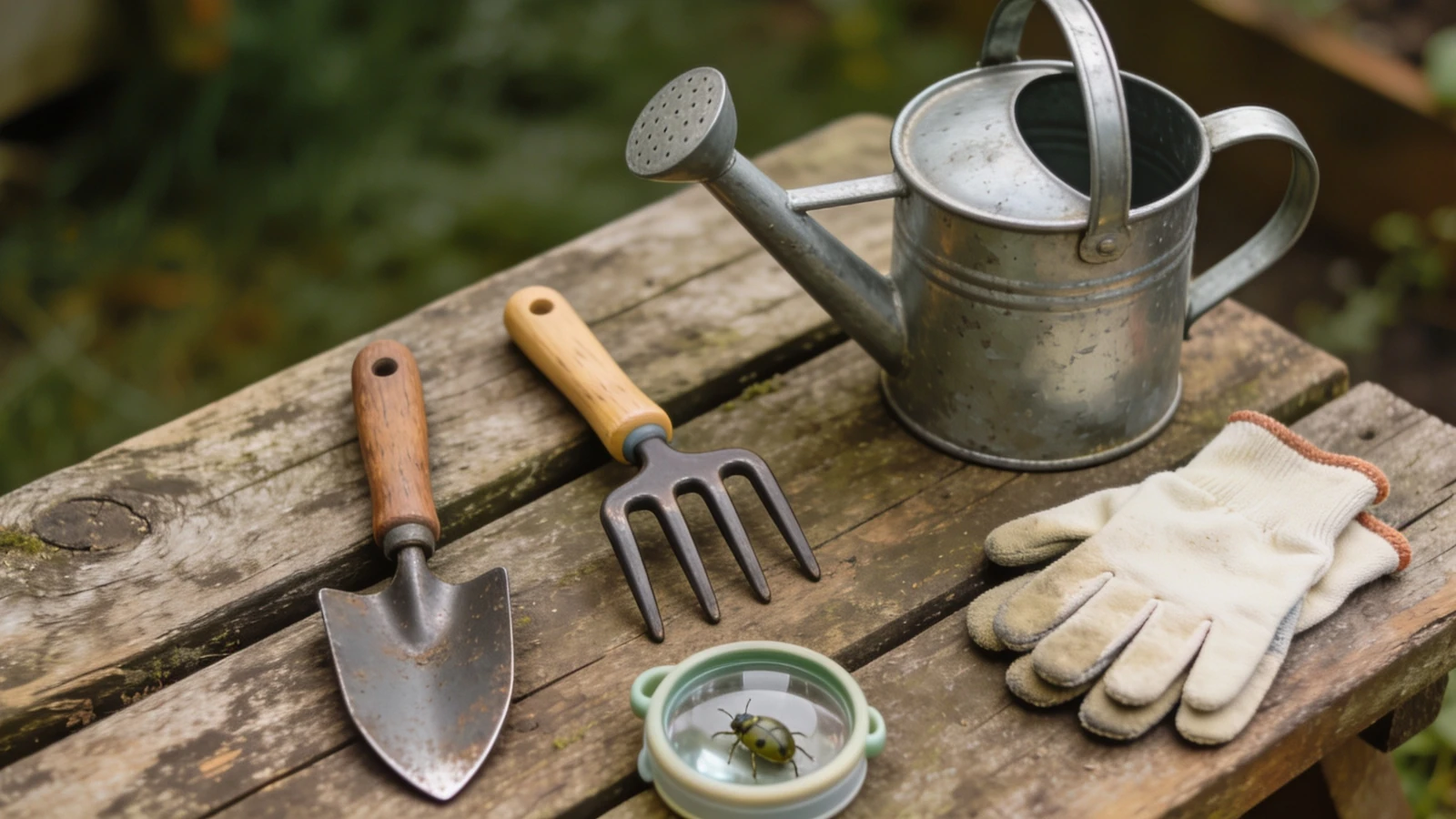
Gardening Tools for Kids
Which children's garden tools actually work, what to buy at each age, and why most brightly coloured plastic sets put kids off gardening rather than into it.
Updated
Cleaning & Sharpening Garden Tools
A twenty-minute routine for cleaning, sharpening and oiling secateurs, spades, hoes and shears, the single highest-return maintenance job in gardening.
Updated
Gardening Tools for Raised Beds
Raised beds need a different tool kit from open ground: shorter handles, no spade, and a few things you would never buy otherwise. Here is the list.
Updated