Gardening Clothes for Hot Weather: What I Wear
What to wear gardening in real heat, why long sleeves beat bare arms, what UPF actually means, and the kit that keeps you working when it is 32°C.
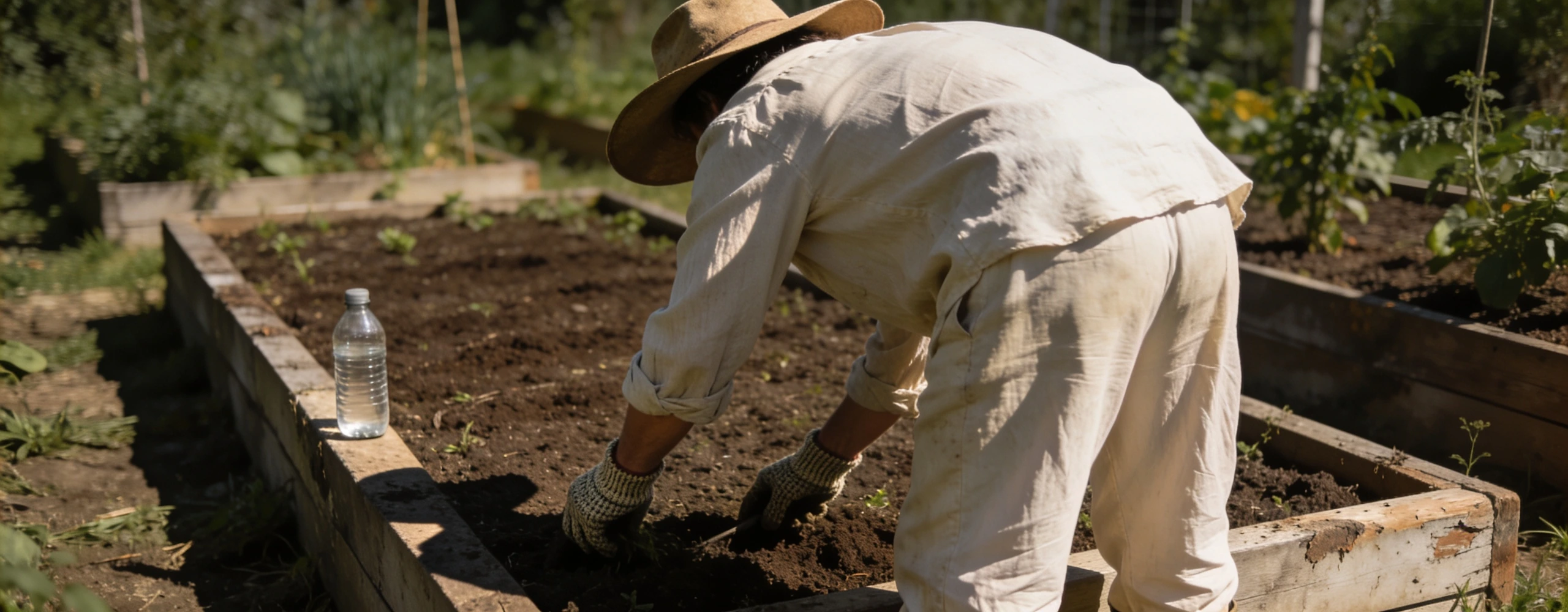
At a glance
| What | Best for | Typical price |
|---|---|---|
| Long-sleeved lightweight UPF shirt | Best single purchase | $25–$60 |
| Wide-brim hat, 7.5 cm brim minimum, with chin cord | Best sun protection | $20–$40 |
| Loose synthetic or linen trousers | Best legwear | $25–$55 |
| Breathable knitted-back gloves | Best hot-weather gloves | $6–$14 |
| Cooling neck gaiter or damp bandana | Best cheap cooling | $8–$20 |
| Breathable closed-toe shoes or light boots | Best footwear | $40–$90 |
| Insulated water bottle, 1 litre or more | Best kit you will forget | $15–$35 |
| Mineral sunscreen, SPF 30+, for hands, face and neck | Best for the bits clothing misses | $10–$25 |
Sometimes Gardening may earn a small commission if you buy through links on this page, at no extra cost to you. It never changes what we recommend, here's how that works.
Gardening clothes for hot weather are a solved problem that almost nobody solves. Gardening in real heat is a clothing problem more than a willpower problem. The instinct is to wear as little as possible; the effect is sunburn, faster dehydration and a shorter working day. Dressing for it properly buys you hours.
The short answer
Loose long-sleeved light-coloured shirt, loose light trousers, wide-brim hat (7.5 cm brim, chin cord), knitted-back gloves and closed-toe shoes. Long sleeves are genuinely cooler than bare arms in direct sun because they block radiant heat while air still moves underneath. Then work early or late, take shade breaks every 30–45 minutes, and drink before you are thirsty.
Why covering up is cooler#
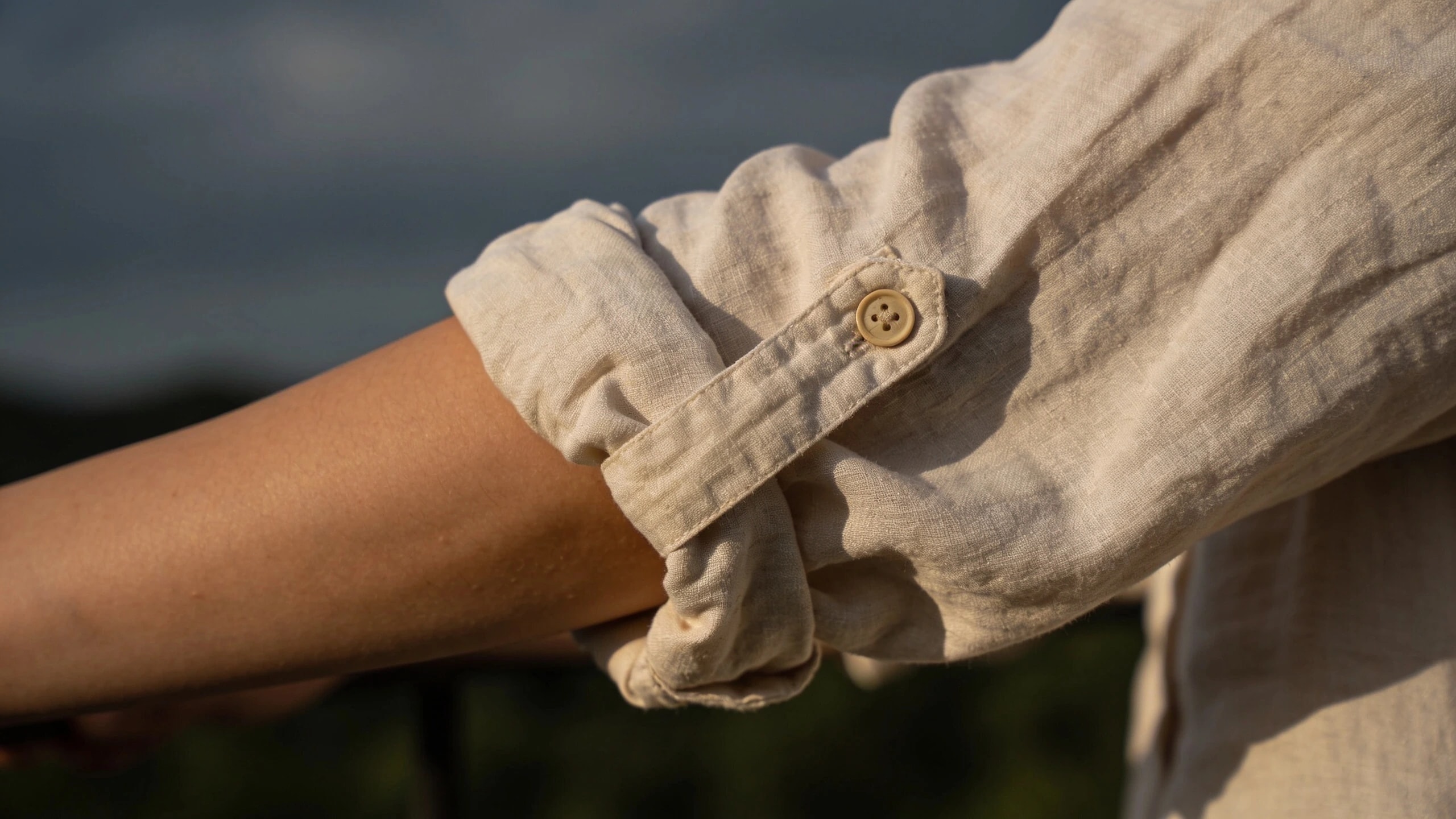
This is the part people resist, and it is well established. In direct sun, bare skin absorbs solar radiation and heats up. A loose, light-coloured, breathable sleeve intercepts that radiation while still allowing air to move across the skin underneath, so you sweat less and the sweat you do produce evaporates efficiently, which is the actual cooling mechanism.
The conditions matter: loose and light-coloured and breathable. A tight dark polyester t-shirt is worse than bare arms. Traditional hot-climate clothing is full-coverage and flowing for exactly this reason.
Key points
- Loose beats tight. You want air moving between fabric and skin, that gap is doing the work.
- Light colours reflect more solar radiation, though tightly woven dark fabric blocks more UV. For heat, prioritise light; for UV, prioritise weave density.
- Synthetics that wick and dry fast outperform cotton once you are actually sweating, because wet cotton stays wet and stops breathing.
- Linen and linen blends are excellent, loose weave, good airflow, dry quickly.
- UPF is a property of the fabric, not a coating. It does not wash out, but it reduces when fabric is stretched or wet.
The gardening clothes for hot weather I actually own#
Long-sleeved lightweight UPF shirt
$25–$60Best single purchase
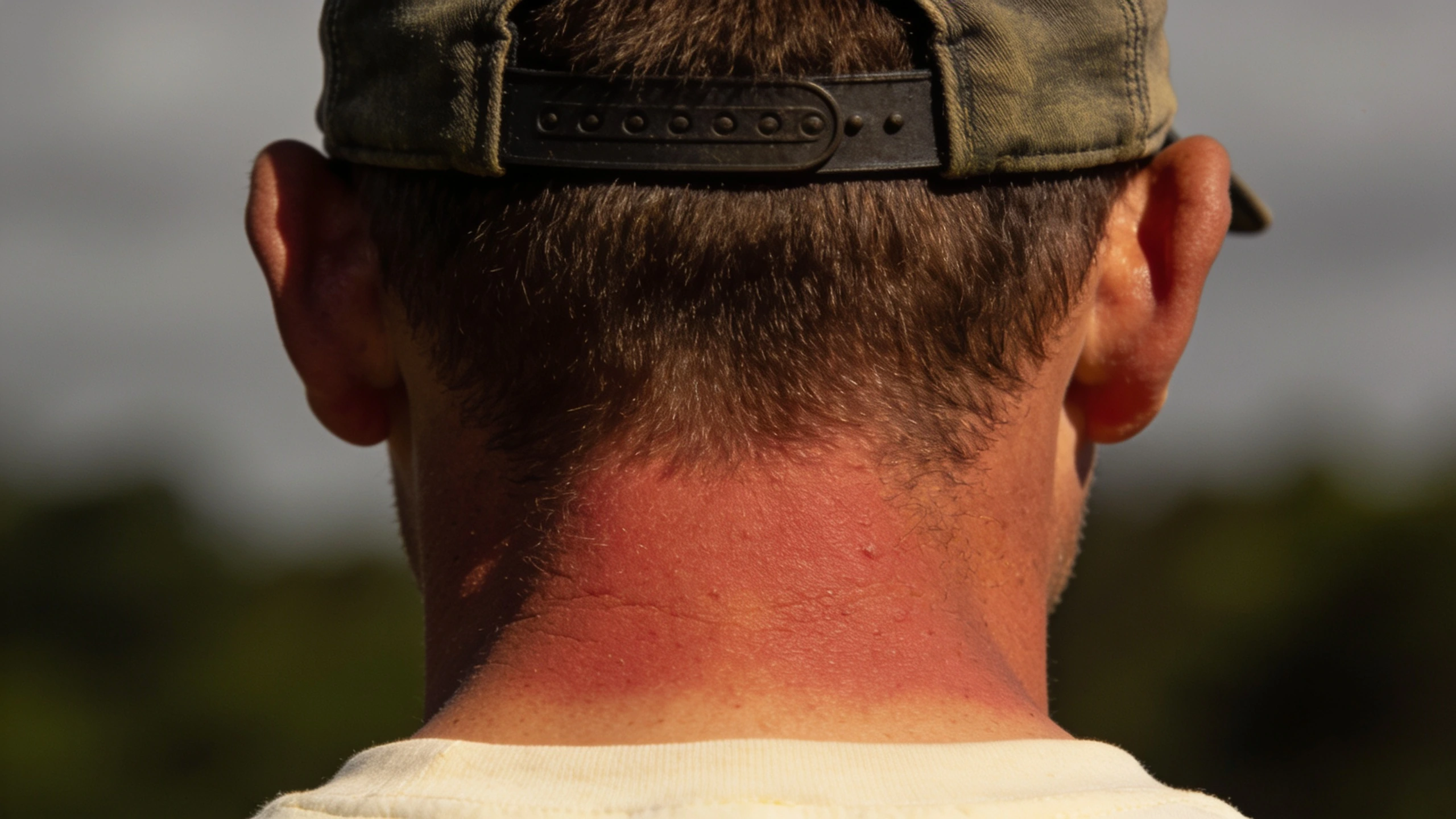
The one item that changes a hot gardening day. Look for a loose cut, a light colour, and a fabric that wicks. A collar you can pop up protects the back of your neck, which is one of the most commonly burnt spots on a gardener.
UPF 30 to 50 is worth having, but do not treat an unlabelled shirt as unprotective, a tightly woven ordinary shirt in a mid-to-dark colour is often around UPF 20–30 in practice.
Roll-up sleeves with a tab are a genuinely useful feature: full coverage in the open, rolled up when you move into shade.
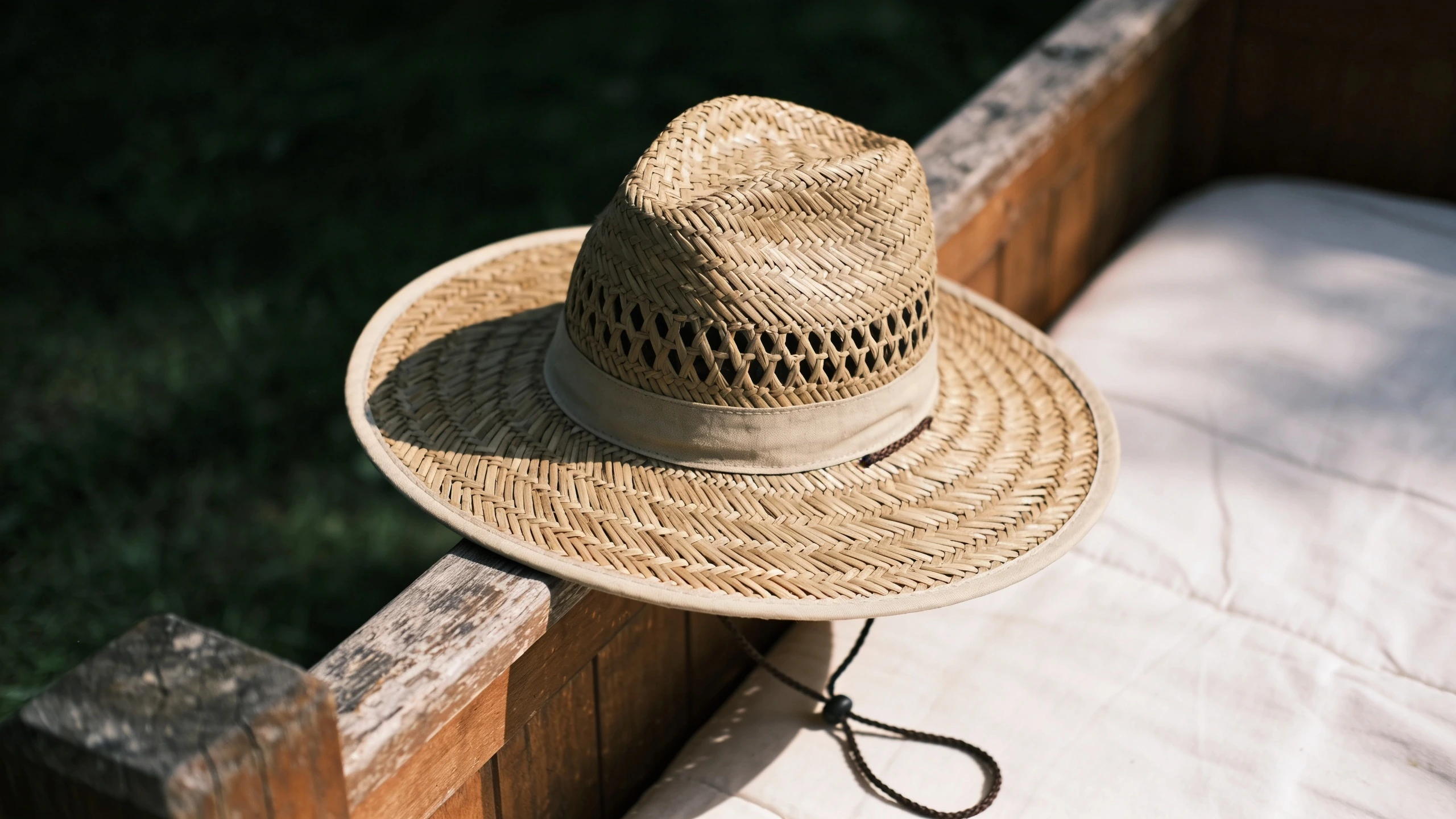
Wide-brim hat with a chin cord
$20–$40Best sun protection
Specification that matters: a brim of at least 7.5 cm (3 inches) all the way round, a chin cord, and a crown that either vents or is made of something breathable.
Baseball caps are the common failure. They shade the front of your face and leave your ears, neck and cheeks fully exposed, all frequent sites for skin cancer, and all exactly where a gardener bent over a bed catches the sun.
The chin cord is not a detail. A hat that blows off twice gets left in the porch, and a hat in the porch has a UPF of zero.
Loose light trousers
$25–$55Best legwear
Shorts feel right and cost you. Bare legs in a garden means sun exposure, nettle stings, thorn scratches, and, in much of the world, tick exposure, which is a Lyme disease risk worth taking seriously.
Loose synthetic or linen trousers are cooler than they sound, for the same reason as long sleeves. Look for a slightly tapered or elasticated ankle if ticks are a concern where you are, and knee reinforcement if you kneel a lot.
Breathable knitted-back gloves
$6–$14Best hot-weather gloves
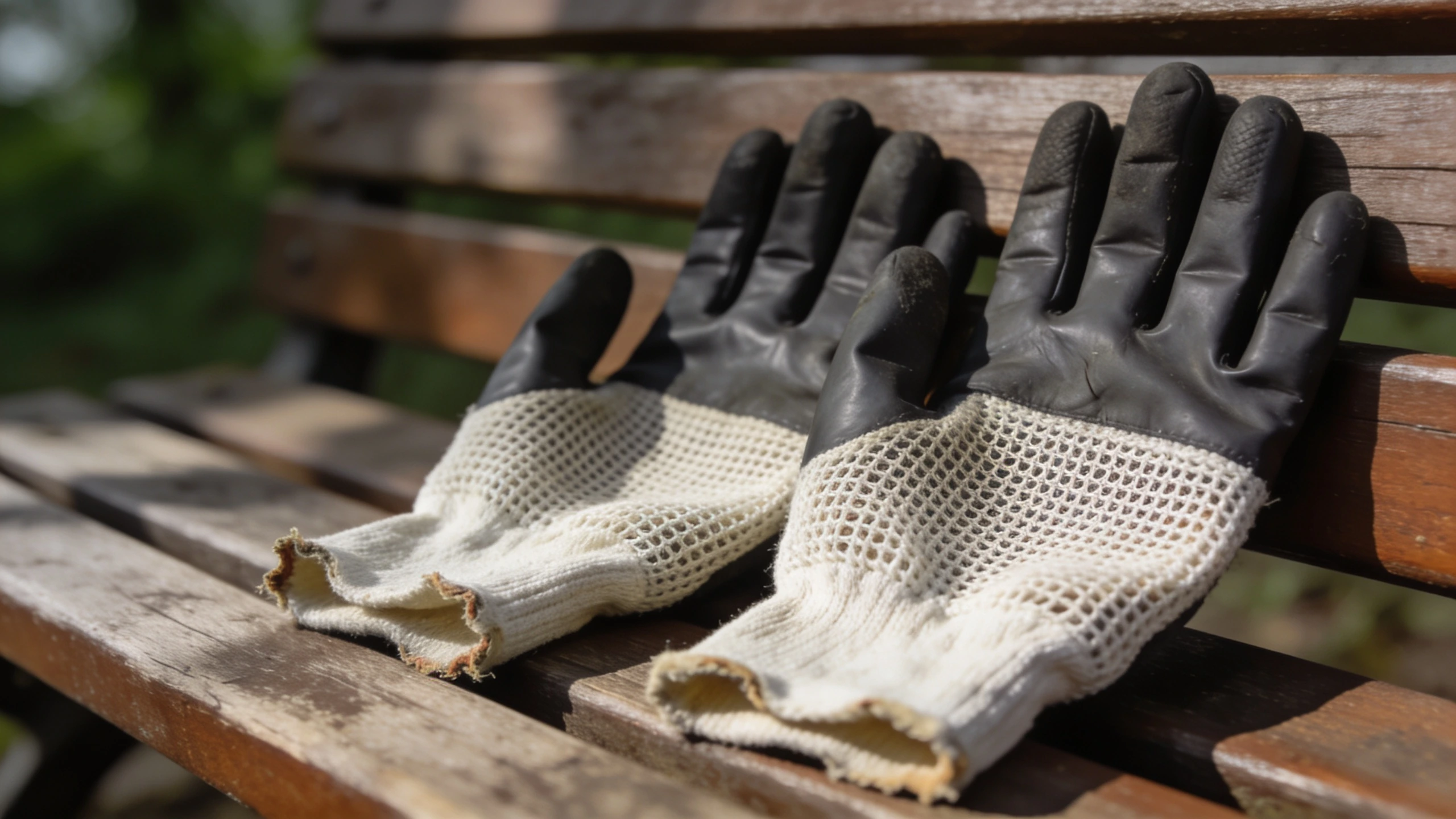
Fully coated waterproof gloves become genuinely unpleasant within twenty minutes in the heat. Knitted-back gloves with a nitrile coating on the palm only let moisture out through the back of the hand while still gripping properly.
Keep two pairs and swap when one is soaked. Full detail in our gloves guide.
Cooling neck gaiter or a damp bandana
$8–$20Best cheap cooling
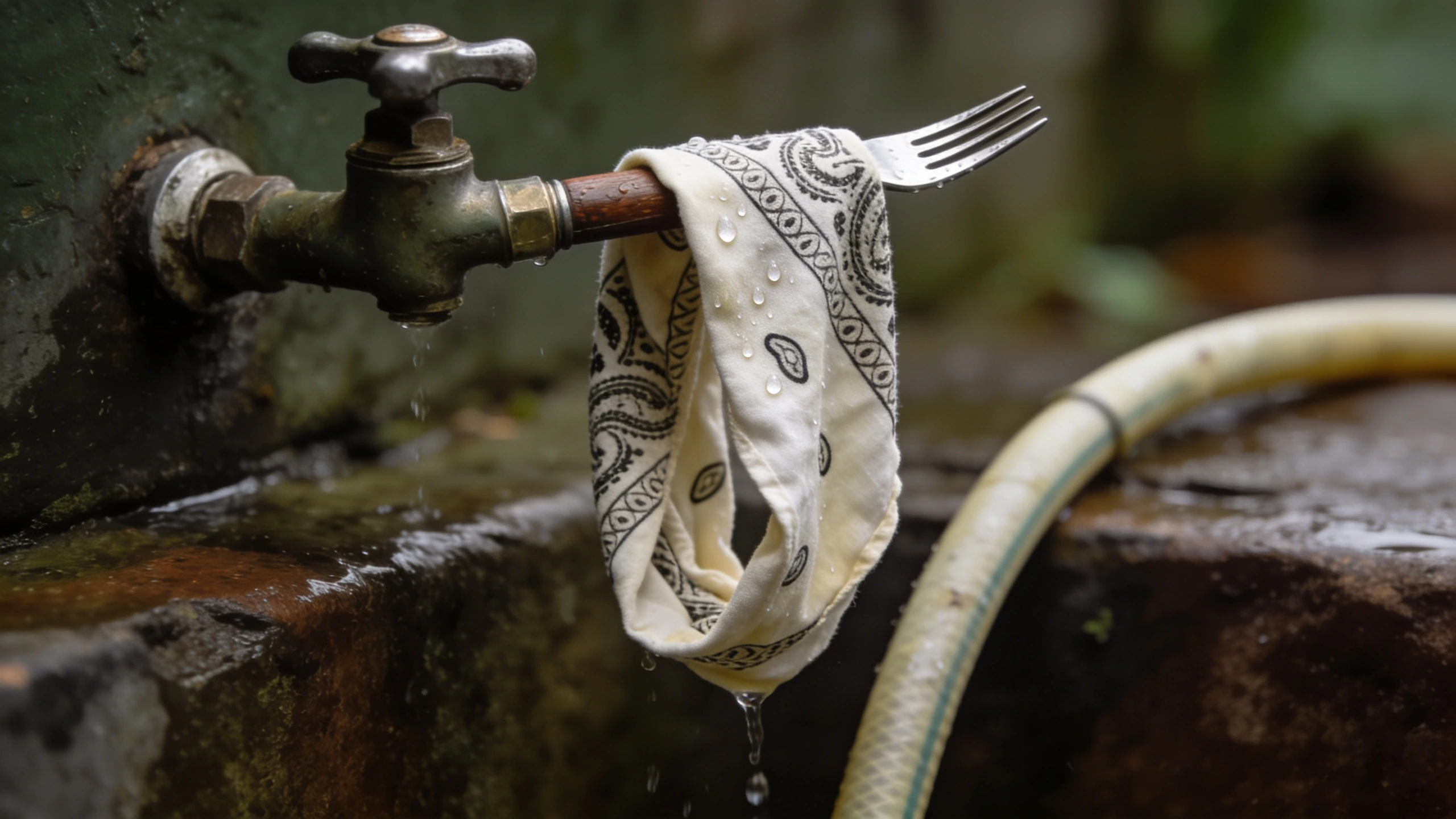
Evaporation at the neck has a disproportionate effect on how hot you feel, because of the blood flow close to the surface there. A plain cotton bandana soaked in cold water works nearly as well as anything sold specifically for it; purpose-made cooling gaiters hold water longer.
Re-wet it every twenty minutes or so. Once dry it does nothing.
Breathable closed-toe shoes or light boots
$40–$90Best footwear
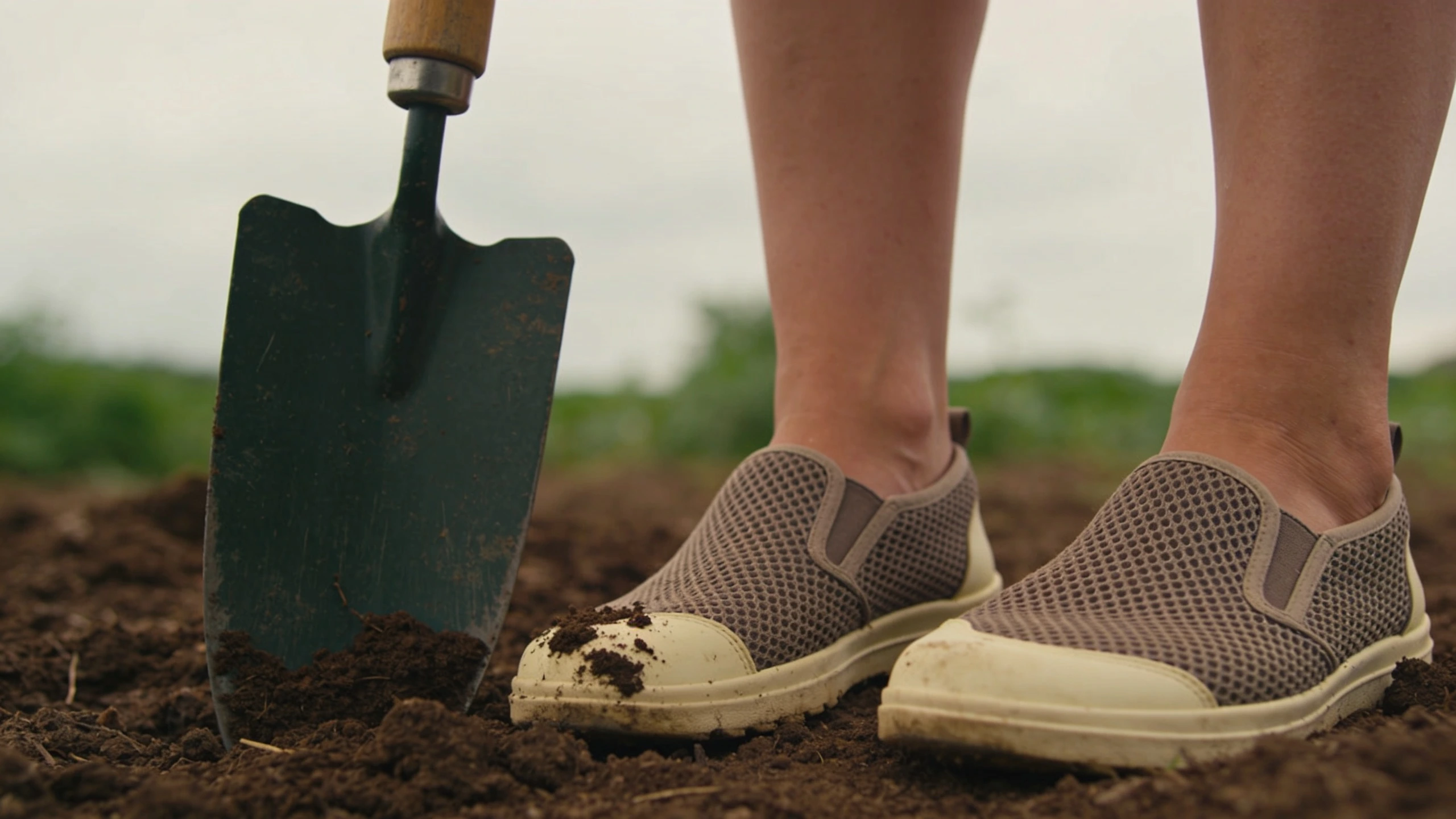
Closed toe is not negotiable around spades, forks and secateurs, and sandals in a garden are how people end up with a fork through a foot. Mesh-panel trail shoes or light garden boots keep it bearable in the heat.
If you are doing anything with a spade in earnest, a reinforced toe is worth having.
Insulated water bottle, 1 litre or more
$15–$35Best kit you will forget
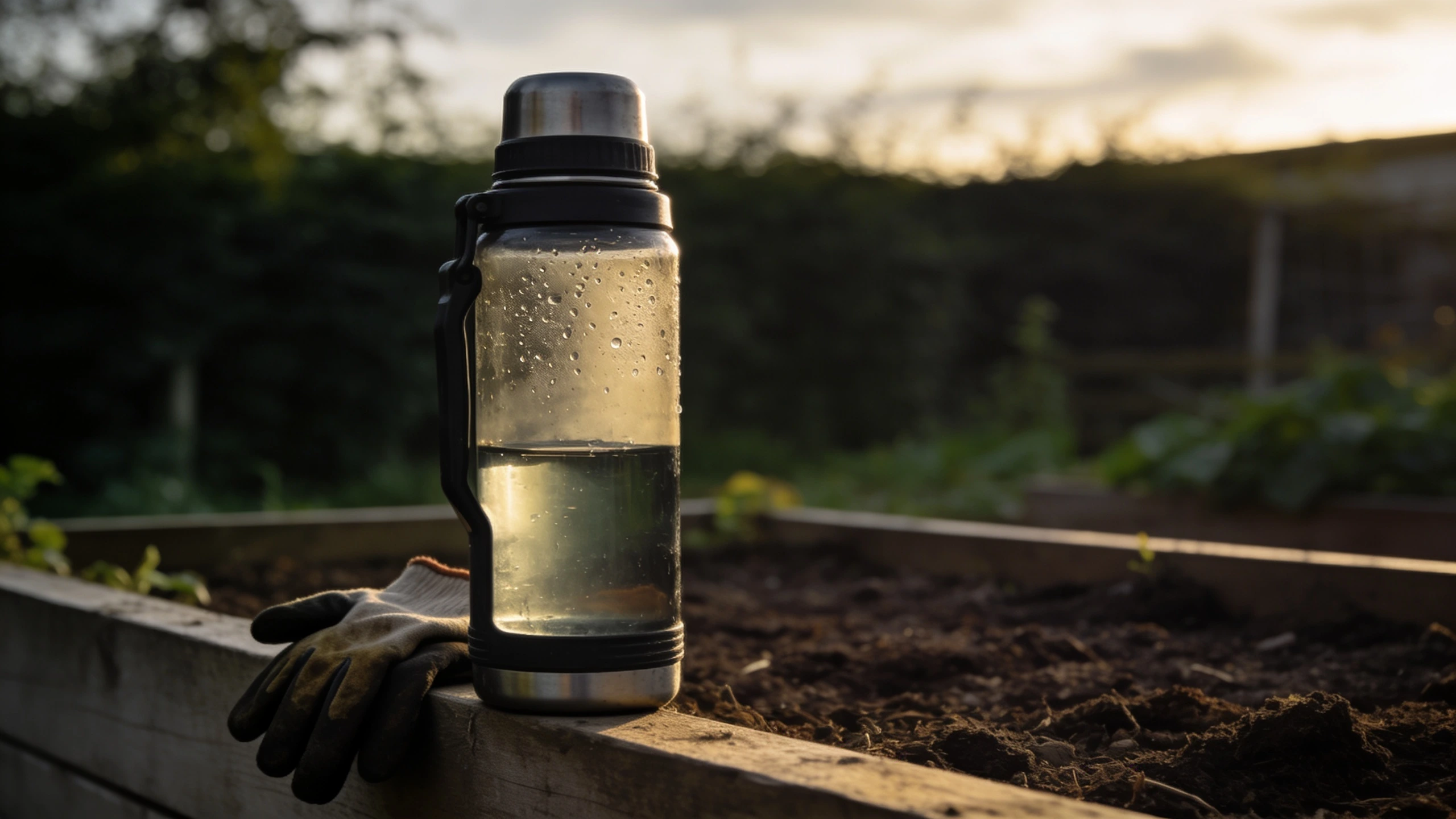
Dehydration is the actual risk on a hot gardening day, and it arrives quietly, the first symptoms are a headache and poor decision-making, not thirst. Thirst lags behind fluid loss.
Fill it, take it to where you are working, and drink from it on a schedule rather than when you notice. A litre per hour of hard work in real heat is a reasonable starting point.
Mineral sunscreen SPF 30+ for the gaps
$10–$25Best for the bits clothing misses
Clothing handles most of it; sunscreen covers what is left. The usual misses are the backs of the hands, the ears, the back of the neck and the nose.
Reapply every two hours and after heavy sweating. Mineral formulations (zinc oxide, titanium dioxide) tend to stay put better on sweating skin than chemical ones, and they are less likely to sting when sweat carries them into your eyes.
Working in real heat#
Clothing is half of it. The other half is when and how.
| Time | Suitability | What to do |
|---|---|---|
| Before 9am | Best | Anything physical, digging, moving, planting |
| 9–11am | Good | Watering, weeding, pruning |
| 11am–4pm | Avoid in a heatwave | Shade work, seed sorting, planning, indoor jobs |
| 4–7pm | Good | Light work, harvesting, tidying |
| After 7pm | Best | Watering is second-best now; morning is better for plants |
Practical habits that help:
- Break every 30 to 45 minutes in shade, whether or not you feel you need it.
- Front-load the hard jobs. Digging at 7am and weeding at 6pm beats trying to do both at noon.
- Wet your hat. A soaked brim is a surprisingly effective cooler for a good half hour.
- Move containers into afternoon shade: for the plants, but it also means you are not working in the hottest spot.
- Do not fertilise in a heatwave. Feeding pushes soft growth the plant cannot support under stress. See our watering guide for the rest of the heatwave plan.
How I know this#
The UPF figures, brim widths and the long-sleeves-are-cooler point are established published guidance rather than measurements I have taken. I have cross-checked against the Skin Cancer Foundation guidance on sun-protective clothing and the Royal Horticultural Society advice pages.
Heat exhaustion advice here is general and not medical advice. Our editorial policy explains how corrections work.
Related reading#
- How to water a garden properly: includes a full heatwave plan for the plants.
- Gardening gloves guide: which glove for which job, year round.
- Garden kneelers and seats: because working low in the heat is its own problem.
Frequently asked questions
What should I wear gardening in hot weather?
A loose long-sleeved lightweight shirt, loose light trousers, a wide-brim hat with a chin cord, breathable knitted-back gloves and closed-toe shoes. Long sleeves in the heat sound wrong but they are cooler than bare skin in direct sun, because they block radiant heat while still allowing airflow.
Are long sleeves really cooler than short sleeves in the sun?
In direct sun, yes, provided the fabric is loose and light-coloured. A loose sleeve blocks solar radiation from reaching your skin while air still moves underneath, so you sweat less and that sweat evaporates more effectively. This is why desert clothing is traditionally full-coverage. In shade or indoors, short sleeves are cooler.
What does UPF mean on gardening clothing?
UPF (Ultraviolet Protection Factor) measures how much UV a fabric blocks. UPF 50 blocks about 98% of UV. It is a fabric property, not a coating, so unlike sunscreen it does not wear off, though it does reduce as fabric stretches or gets wet. A tightly woven ordinary shirt in a dark colour may reach UPF 20–30 without any label at all.
What is the best hat for gardening in the sun?
A wide-brim hat with a brim of at least 7.5 cm all the way round, a chin cord, and a breathable or vented crown. Baseball caps leave your ears, neck and the sides of your face completely exposed, and those are common sites for skin cancer. The chin cord matters more than it sounds, a hat that blows off gets left indoors.
When should I stop gardening in the heat?
Avoid 11am to 4pm entirely in a heatwave, and stop immediately if you feel dizzy, get a headache, stop sweating, or feel nauseated. Those are heat exhaustion signs and they escalate. Work early morning or evening, take shade breaks every 30 to 45 minutes, and drink before you feel thirsty, because thirst lags dehydration.
Topics in this article
About the author
Jeff has gardened professionally for over twenty years, mostly on heavy clay, and writes everything here from beds he still works himself. More from Jeff Tanun →
Keep reading
Gardening Gloves Guide
Nitrile, leather or gauntlet: which gardening glove suits which task, how to measure your hand properly, and why one pair for everything never works.
Updated
Garden Lighting & Decor
Garden lighting is nearly always overdone. Here is where I put light, how much is enough, and why one floodlight ruins a garden after dark.
Updated
Gardening Accessories Worth It
The small kit that removes friction from every session: watering gear, labels, supports and storage, plus the accessories that just take up room.
Updated