Gardening Gloves: Which Type Suits Which Garden Job
Nitrile, leather or gauntlet: which gardening glove suits which task, how to measure your hand properly, and why one pair for everything never works.
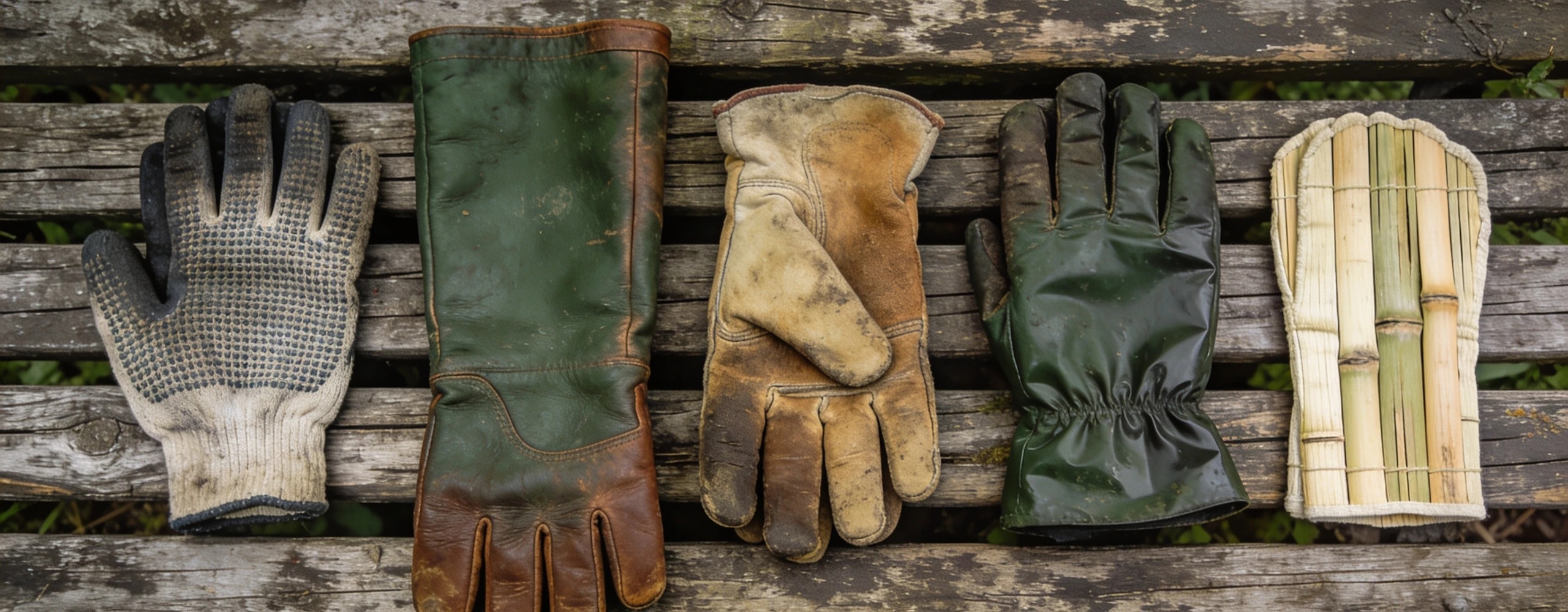
At a glance
| What | Best for | Typical price |
|---|---|---|
| Nitrile-coated knitted gloves | Best all-rounder | $6–$14 |
| Leather gauntlet gloves | Best for roses and brambles | $20–$40 |
| Goatskin or synthetic leather work gloves | Best for general heavy work | $18–$35 |
| Fully waterproof coated gloves | Best for wet and cold work | $12–$25 |
| Thin bamboo or nylon liner gloves | Best for fine work and seed sowing | $6–$12 |
| Cut-resistant gloves (EN 388 level C or above) | Best for hedge and saw work | $15–$30 |
Sometimes Gardening may earn a small commission if you buy through links on this page, at no extra cost to you. It never changes what we recommend, here's how that works.
The best gardening gloves are not a single pair, and buying one pair for everything is the standard mistake. Potting seedlings, pruning a rose and shifting a barrow of compost place completely different demands on a glove, and the pair that is good at one is measurably bad at the others.
Two pairs covers almost everyone: a coated knitted pair for general work, and a leather gauntlet for anything with thorns.
The short answer
Buy nitrile-coated knitted gloves ($6–$14) for general work, grippy, dextrous, washable, and leather gauntlets ($20–$40) if you have roses or brambles, because the scratches happen on your forearm where ordinary gloves stop. Size by measuring around your knuckles in inches: 7 = small, 8 = medium, 9 = large, 10 = XL. Check finger length separately.
Sizing, which matters more than material#
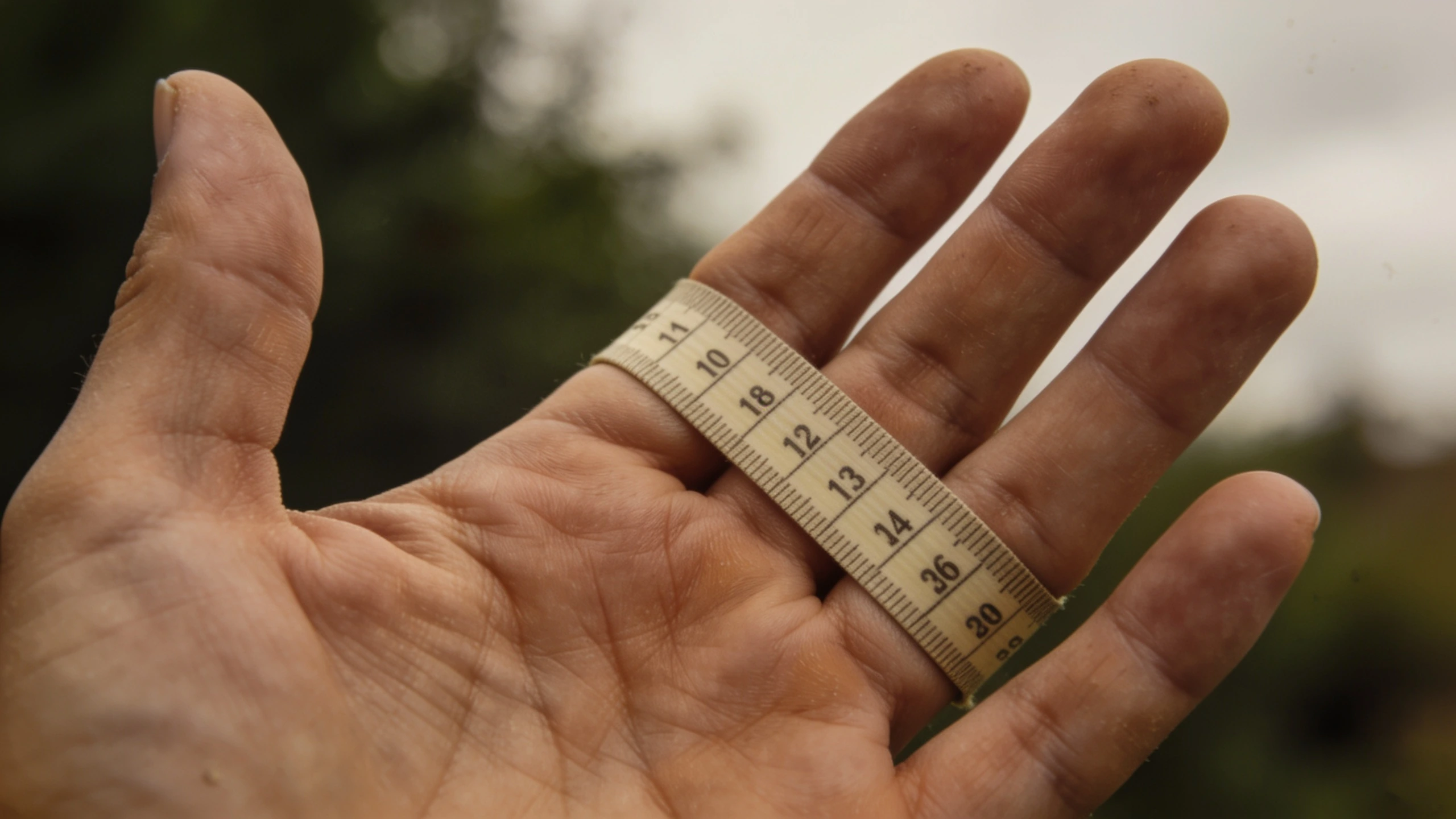
A badly fitting glove is worse than no glove. Too loose and it bunches, causing blisters and removing the dexterity you need to pick up a seed or feel a stem. Too tight and your hand fatigues from the constant resistance.
Key points
- Measure around your dominant hand at the widest point across the knuckles, thumb excluded. That measurement in inches is approximately your size: 7 = S, 8 = M, 9 = L, 10 = XL.
- Check finger length separately. Empty fingertip space is the most common fit failure and it destroys dexterity.
- Women's-cut gloves are usually genuinely narrower across the palm, not just smaller and pink. If unisex mediums feel wide, this is why.
- Leather stretches slightly with use and coated fabric does not. Buy leather snug; buy fabric to fit.
- Try to flex your hand fully closed. If the glove resists, you will feel it in your forearm after an hour.
The types, and what each is for#
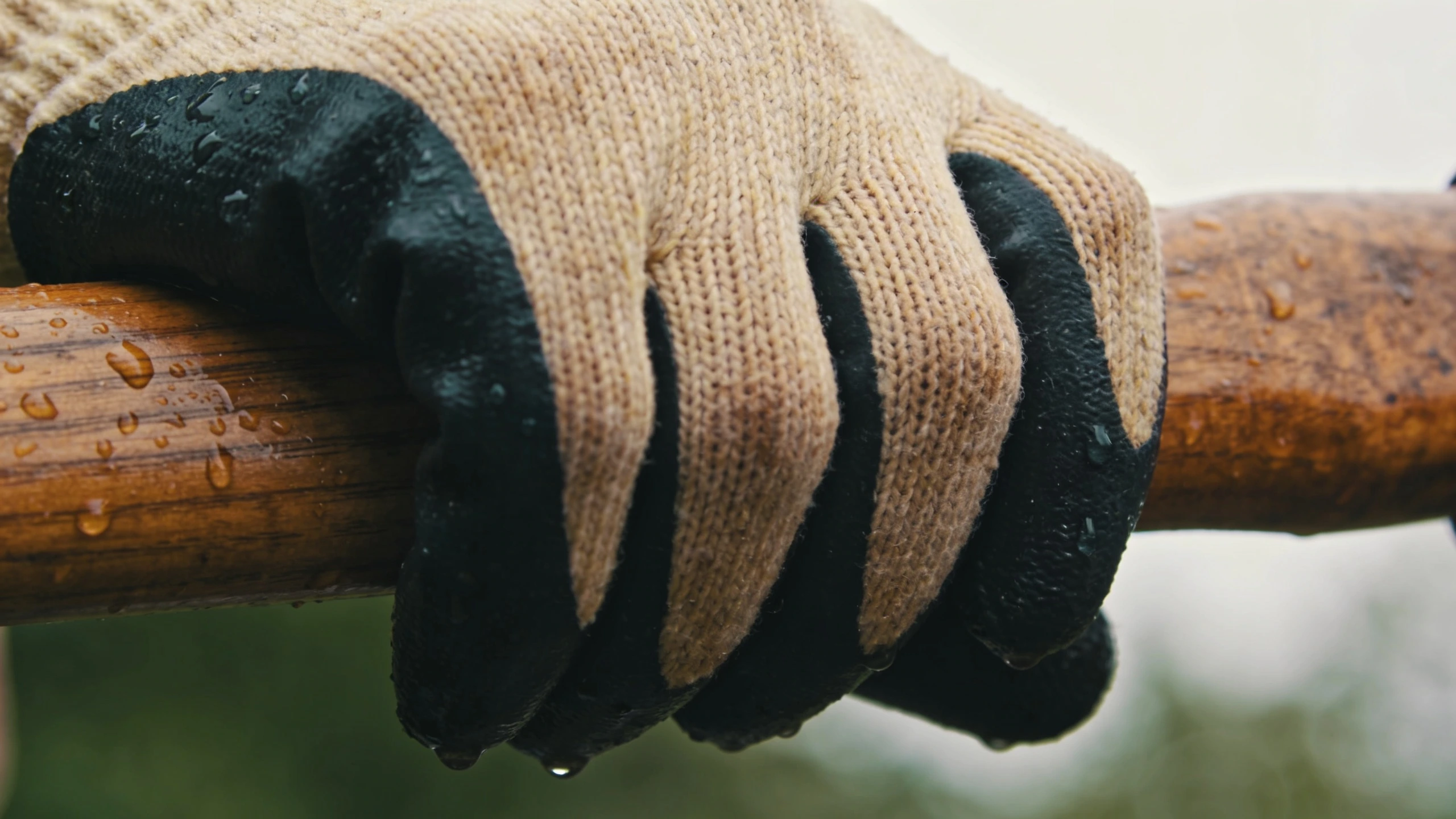
Nitrile-coated knitted gloves
$6–$14Best all-rounder
The default recommendation, and the pair most gardeners should own several of.
A knitted nylon or bamboo shell with a nitrile rubber coating on the palm and fingers. The knit breathes so your hands do not sweat; the nitrile grips well even when damp, which matters because a wet tool handle is where grip is lost.
Good for: planting, weeding, potting, general handling, working with hand tools. Not for: thorns, brambles, anything with a spine. Nitrile stops dirt and blisters, not punctures.
They wash in a machine at 30°C, which is worth doing, soil bacteria and fungal spores build up in gloves and are a genuine (if small) infection risk on a cut.
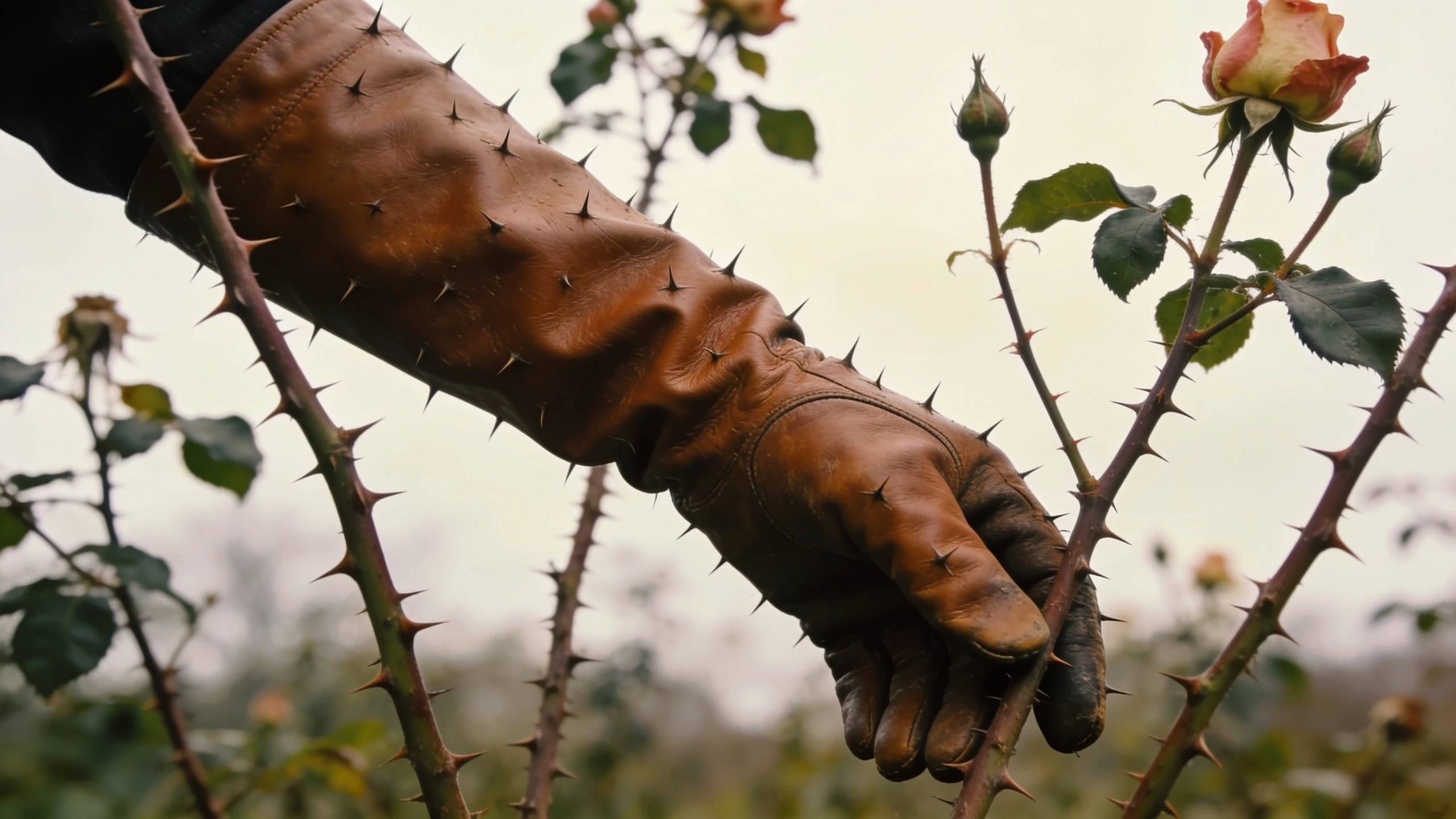
Leather gauntlet gloves
$20–$40Best for roses and brambles
The distinguishing feature is length, not material. Rose and bramble scratches land on the forearm, exactly where wrist-length gloves end. A gauntlet reaching mid-forearm, sometimes to the elbow, removes the problem.
Good for: roses, brambles, blackthorn, pyracantha, berberis, clearing overgrowth. Not for: anything requiring fine finger control. You will not sow seed in these.
Look for a stiff cuff that holds its shape rather than collapsing round your wrist, and a snug fit at the palm so the glove does not rotate on your hand when you grip.
Goatskin or synthetic leather work gloves
$18–$35Best for general heavy work
Goatskin is the pick among leathers for gardening: high natural lanolin content means it stays supple after repeated wetting, where cowhide and pigskin tend to dry hard. Good synthetic leathers now match it closely and cost less.
Good for: digging, shifting timber, handling stone, barrow work, splintery jobs. Not for: wet work, most leather soaks through eventually, or fine work.
Fully waterproof coated gloves
$12–$25Best for wet and cold work
A full nitrile or PVC coating over the whole hand rather than just the palm. Your hands stay dry, and in cold weather that is the difference between a productive hour outside and going back in after ten minutes.
Good for: winter work, wet compost, pond and water-feature jobs, washing pots. Not for: summer. With no breathability at all, they get unpleasant within twenty minutes in warm weather.
Insulated versions are worth it for genuine winter work. See our hot weather clothing guide for the opposite end of the year.
Thin liner or bamboo gloves
$6–$12Best for fine work and seed sowing
Barely-there gloves that keep soil out from under your nails while preserving almost all tactile feedback. Some gardeners sow bare-handed and are right to; for everyone else these are the compromise.
Good for: seed sowing, pricking out, deadheading, harvesting soft fruit. Not for: anything abrasive. They wear through quickly, which is the trade for the sensitivity.
They also double as a liner inside a larger glove for extra warmth in winter.
Cut-resistant gloves, EN 388 rated
$15–$30Best for hedge and saw work
For work involving a blade whose position you are not fully controlling, hedge shears, a pruning saw, a hedge trimmer. Look for an actual EN 388 or ANSI cut rating (EN 388 level C or above) rather than the words "cut resistant" on the packaging, which mean nothing on their own.
Important: no glove is safe against a chainsaw. That needs specific chainsaw-rated protective gloves and a great deal more equipment besides.
The best gardening gloves, in the order to buy them#
| If you have | Buy first | Buy second |
|---|---|---|
| A container garden or balcony | Nitrile-coated knitted | Thin liner gloves |
| A vegetable bed | Nitrile-coated knitted | Waterproof coated |
| Roses or brambles | Leather gauntlets | Nitrile-coated knitted |
| Hedges and shrubs | Goatskin work gloves | Cut-resistant |
| A garden you work year-round | Nitrile-coated knitted | Insulated waterproof |
Care, which doubles their life#
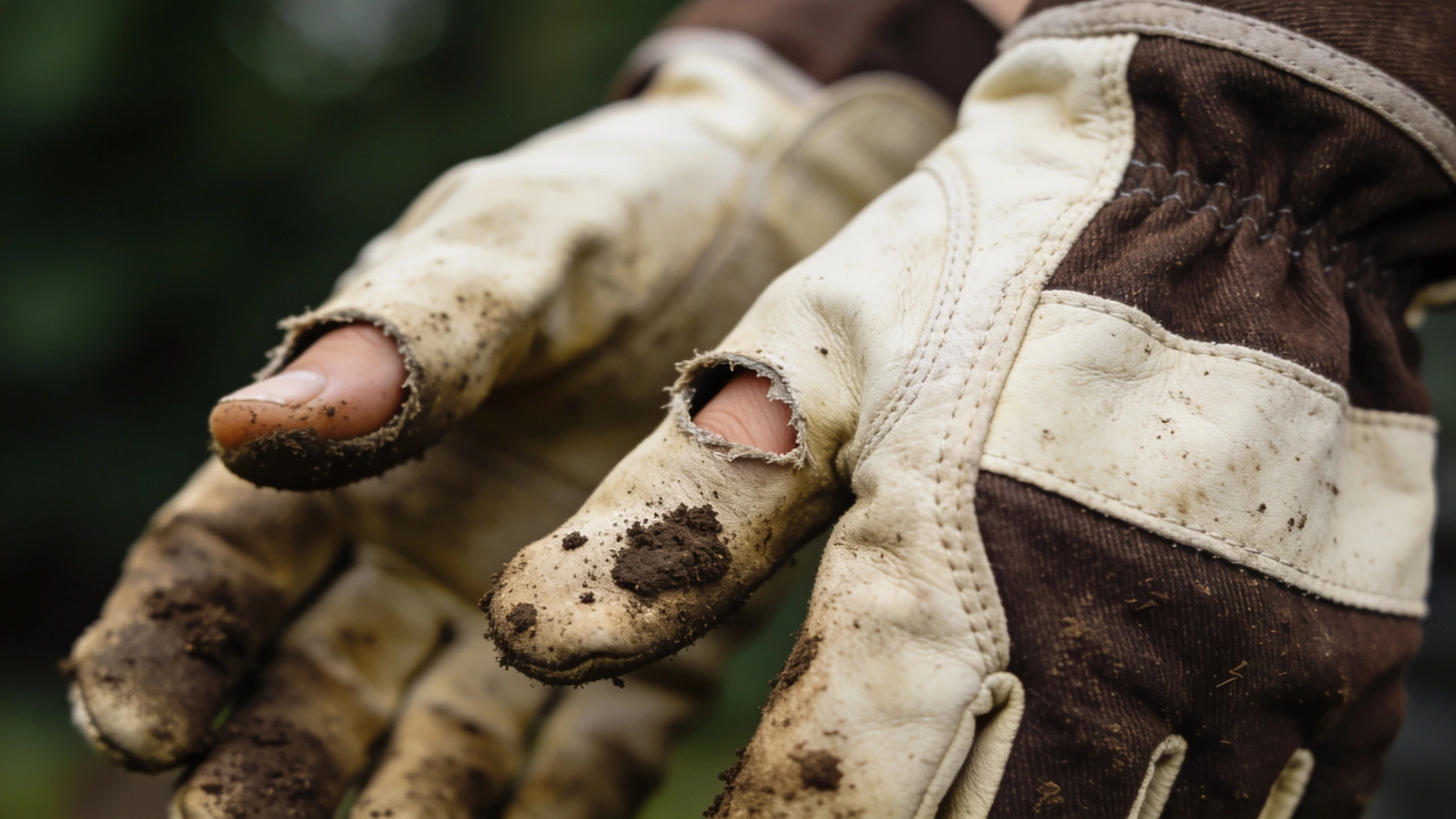
- Coated knitted gloves: machine wash at 30°C, air dry. Do this monthly in the growing season.
- Leather: brush off dry soil, wipe with a damp cloth, dry away from direct heat. Never on a radiator: heat drives out the oils and the leather goes hard and cracks permanently. Condition once or twice a year.
- All gloves: dry them properly between uses. A damp glove in a shed grows mould, and putting your hand into that is how a small scratch becomes an infected one.
- Store in pairs. Obvious, and yet.
Where the guidance here comes from#
Which glove suits which job is a practical judgement and it is mine. Two things here are not. Sizing conventions come from manufacturers rather than from me, so measure and check against the chart on whatever you are buying. And on the backs of your hands, which is where gardeners burn and almost never think to protect, the American Academy of Dermatology guidance on sun protection is worth five minutes. General glove and hand care advice on the RHS garden jobs pages is a sensible cross-check on anything I have said about soil-borne infection.
Related reading#
- Gardening clothes for hot weather: the rest of the summer kit.
- Gardening tools for beginners: gloves are on that list for a reason.
- Gardening gifts under $25: gloves are one of the best cheap gifts, provided you get the size right.
Frequently asked questions
What are the best all-round gardening gloves?
Nitrile-coated knitted gloves. The knitted back breathes, the nitrile palm grips well even when damp, they are dextrous enough to pick up a single seed, they wash in a machine, and they cost little enough to own three pairs. They are not puncture-proof, so keep a leather pair for thorns.
How do I know what size gardening gloves to buy?
Measure around your dominant hand at the widest point across the knuckles, excluding the thumb. In inches, that measurement is roughly your glove size, 7 inches is a small, 8 a medium, 9 a large, 10 an extra large. Then check the finger length; a glove that fits across the palm but has 1 cm of empty fingertip will still cause blisters and lose you all dexterity.
Are leather or fabric gardening gloves better?
They do different jobs. Leather resists punctures from thorns and splinters and lasts longer under abrasion, but it is less dextrous and goes stiff after repeated wetting unless it is goatskin. Coated fabric gloves are far better for fine work, breathe better and wash easily. Most gardeners genuinely need both.
Do I need special gloves for pruning roses?
Yes, the useful feature is length, not material. Rose and bramble scratches happen on the forearm, which ordinary wrist-length gloves leave completely exposed. A leather gauntlet reaching mid-forearm turns rose pruning from a bloodletting into an ordinary job.
Can you wash gardening gloves?
Coated knitted gloves go in a machine at 30°C and air-dry fine; do this regularly, because soil bacteria and fungal spores accumulate. Leather should be brushed clean, wiped with a damp cloth, dried away from direct heat and occasionally treated with leather conditioner. Never dry leather on a radiator, it goes hard and cracks permanently.
Topics in this article
About the author
Jeff has gardened professionally for over twenty years, mostly on heavy clay, and writes everything here from beds he still works himself. More from Jeff Tanun →
Keep reading
Gardening With Children
Gardening with children works when the seeds are fast and the tools are real. Here is what to plant, what to buy, and what puts kids off for good.
Updated
Gardening Tools for Kids
Which children's garden tools actually work, what to buy at each age, and why most brightly coloured plastic sets put kids off gardening rather than into it.
Updated
Gardening Gifts Under $25
Eighteen cheap gardening gifts that get used every single session, sorted by price band, with the novelty tat to avoid at exactly the same price.
Updated