Garden Kneelers and Seats: Which Type Suits Which Body
Kneeling pads, kneeler-seats, rolling stools and garden trolleys compared, what each is genuinely good for, and what to check before you buy.
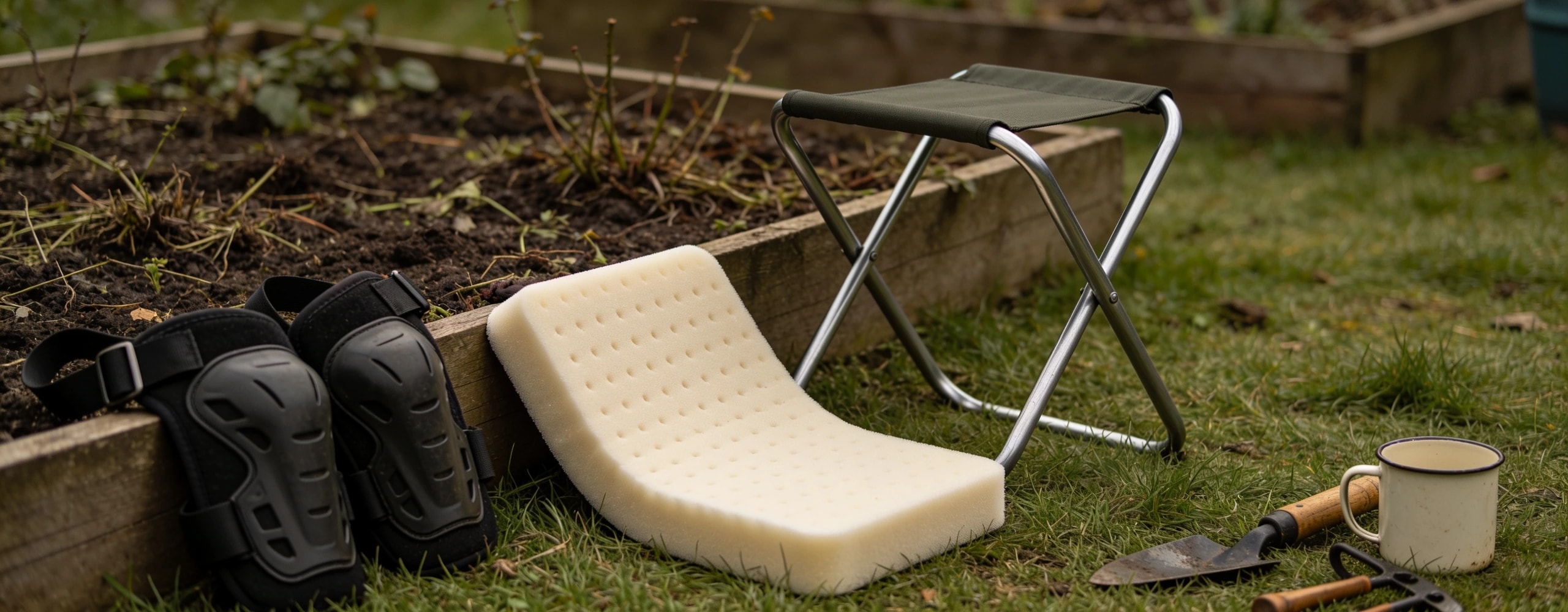
At a glance
| What | Best for | Typical price |
|---|---|---|
| Closed-cell foam kneeling pad | Best value by a wide margin | $10–$18 |
| Kneeler-seat with steel push-up rails | Best all-rounder | $30–$60 |
| Rolling garden seat / scoot stool | Best for working along a row | $40–$90 |
| Tall garden stool or perching seat | Best for raised beds and potting benches | $35–$70 |
| Knee pads (strap-on) | Best for moving around constantly | $15–$30 |
| Garden trolley with a seat | Best for larger gardens | $70–$150 |
Sometimes Gardening may earn a small commission if you buy through links on this page, at no extra cost to you. It never changes what we recommend, here's how that works.
There is a reasonable case that a garden kneeler is the highest-return purchase in gardening. It costs less than a plant, it gets used every session, and it directly determines how long you can keep working, which determines how much gardening you actually do.
The category runs from a $12 foam mat to a $150 trolley, and the right answer depends on which specific thing is uncomfortable.
The short answer
If kneeling itself is fine, buy a closed-cell foam pad at least 2 cm thick ($10–$18). If getting back up is the problem, buy a kneeler-seat with steel push-up rails ($30–$60), the rails are the feature, not the padding. If bending is the problem, stop kneeling: raise the beds and use a tall perching stool. Rolling seats only work on firm level ground.
Diagnose first#
- Kneeling hurts
- It is a padding and pressure problem. A thicker closed-cell pad or strap-on knee pads solve it cheaply.
- Getting back up is hard
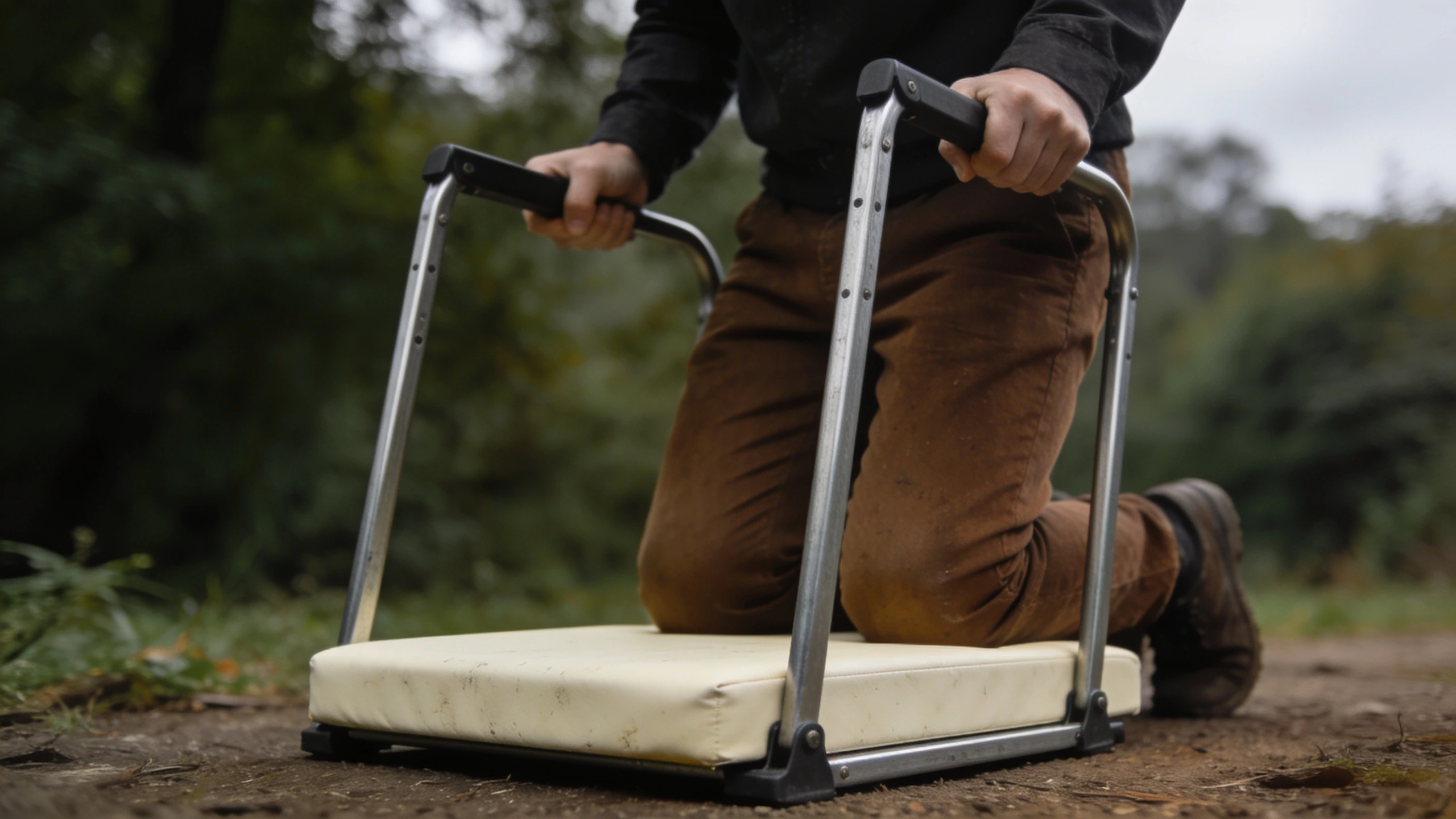
- A leverage problem. You need push-up rails or something solid to press against, a kneeler-seat frame is designed for exactly this.
- Bending forward hurts
- A geometry problem, and no kneeler fixes it. Raise the work: taller beds, a potting bench, a perching stool.
- You cannot get down at all
- Change the garden rather than the accessory. Beds at 75–90 cm let you work standing; long-handled tools cover the rest.
- It is fine for ten minutes and then not
- A circulation and position problem. Alternating between kneeling, sitting and standing beats optimising any single position.
Garden kneeler and seat options compared#
Closed-cell foam kneeling pad
$10–$18Best value by a wide margin
Cheap, light, silent, nothing to break, and used every single time you garden.
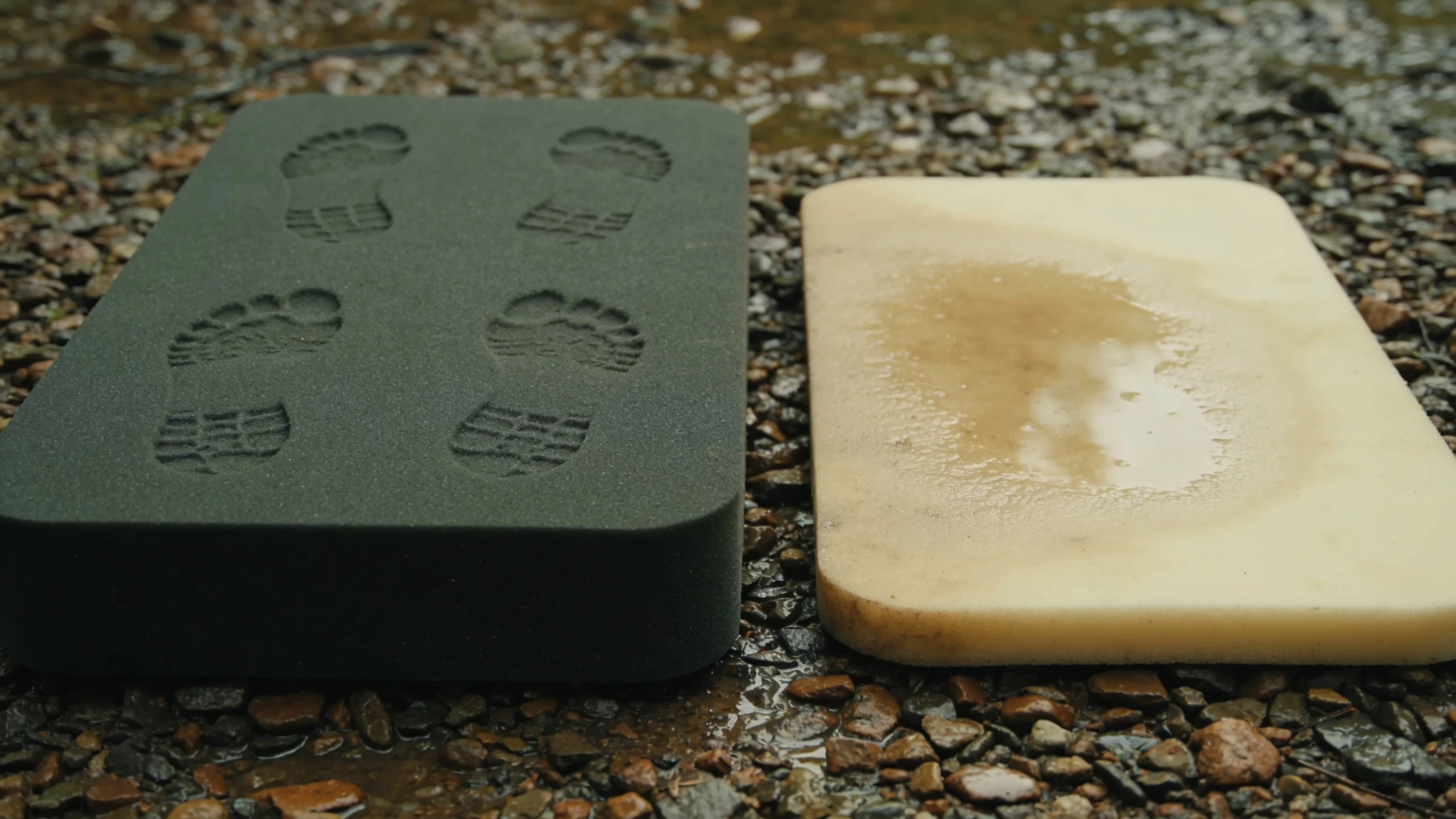
Two specifications matter. Thickness: at least 2 cm, and 3–4 cm if you work on gravel or paving. Closed-cell foam: open-cell foam soaks up water like a sponge, stays cold and wet, and compresses permanently within a season.
A camping mat offcut does the same job for even less. Keep one by the back door and one in the shed, because the failure mode of a kneeling pad is that it is somewhere else.
Kneeler-seat with steel push-up rails
$30–$60Best all-rounder
A folding steel frame with a padded panel: kneel on the padding with the rails either side of you, or flip it over and the same frame becomes a low bench.
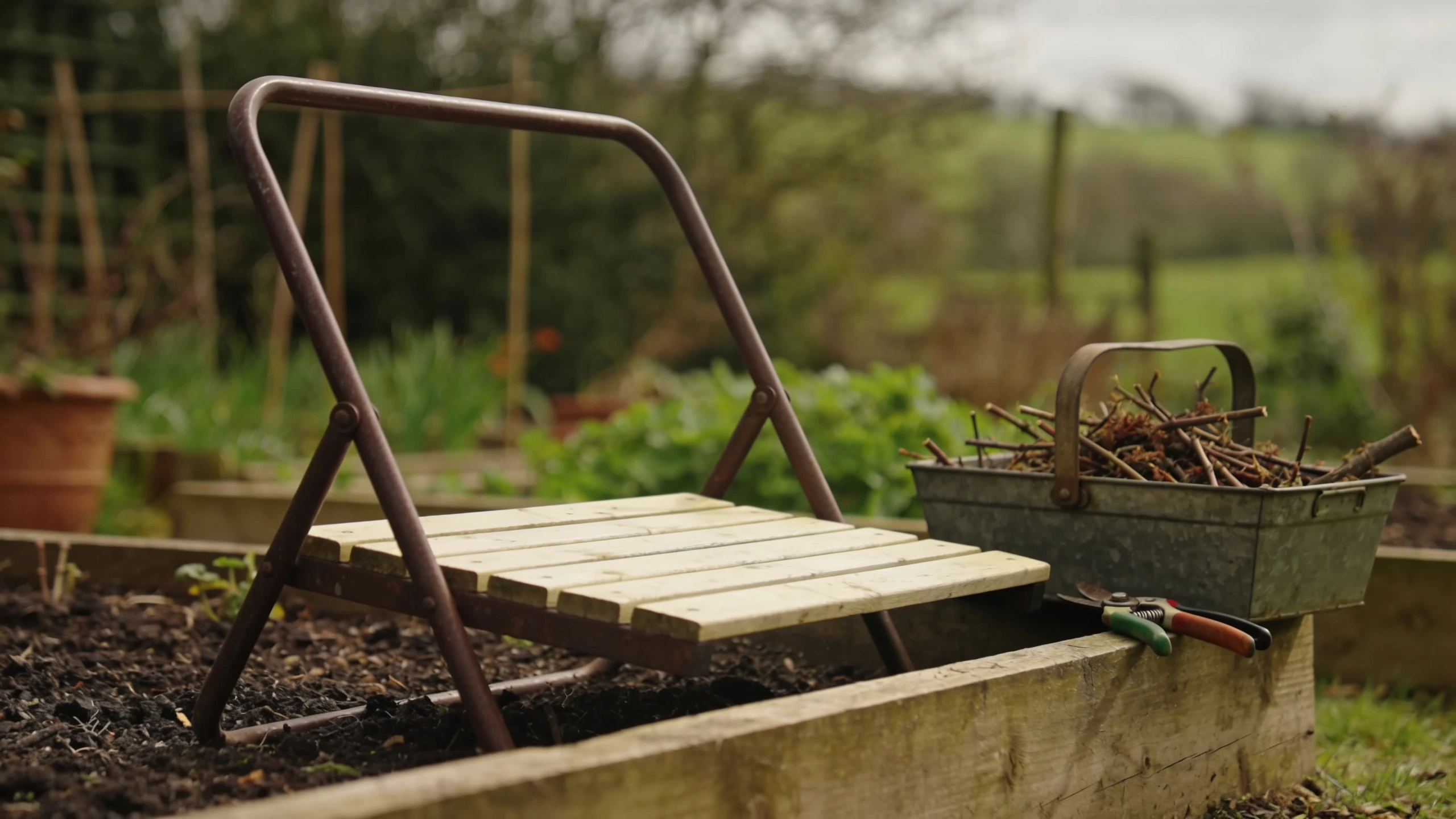
The rails do the important work. They let you lower yourself under control and, more to the point, push yourself back up using your arms and shoulders rather than your knees. For a lot of gardeners that is the difference between an hour of bed work and fifteen minutes.
What to check:
- Weight rating: often 100–120 kg. Check it rather than assuming.
- Hinge locking: the frame should lock positively in both positions, not rely on friction.
- Rail height: too low and it gives you no leverage; you want it high enough to press down on with straight-ish arms.
- Pad width: narrow pads dig into the sides of your knees.
- Weight of the thing itself: the sturdy ones are 3–4 kg, which is fine in a small garden and tiresome in a large one.
Strap-on knee pads
$15–$30Best for moving around constantly
The advantage over a mat is that the padding moves with you. Weeding along a 5 m bed with a mat means repeatedly standing up and repositioning it; with knee pads you simply shuffle.
Look for a wide strap behind the knee rather than a thin elastic one, thin straps restrict circulation and you will notice within twenty minutes. Gel-filled pads are more comfortable than plain foam on hard surfaces and slightly heavier.
Rolling garden seat (scoot stool)
$40–$90Best for working along a row
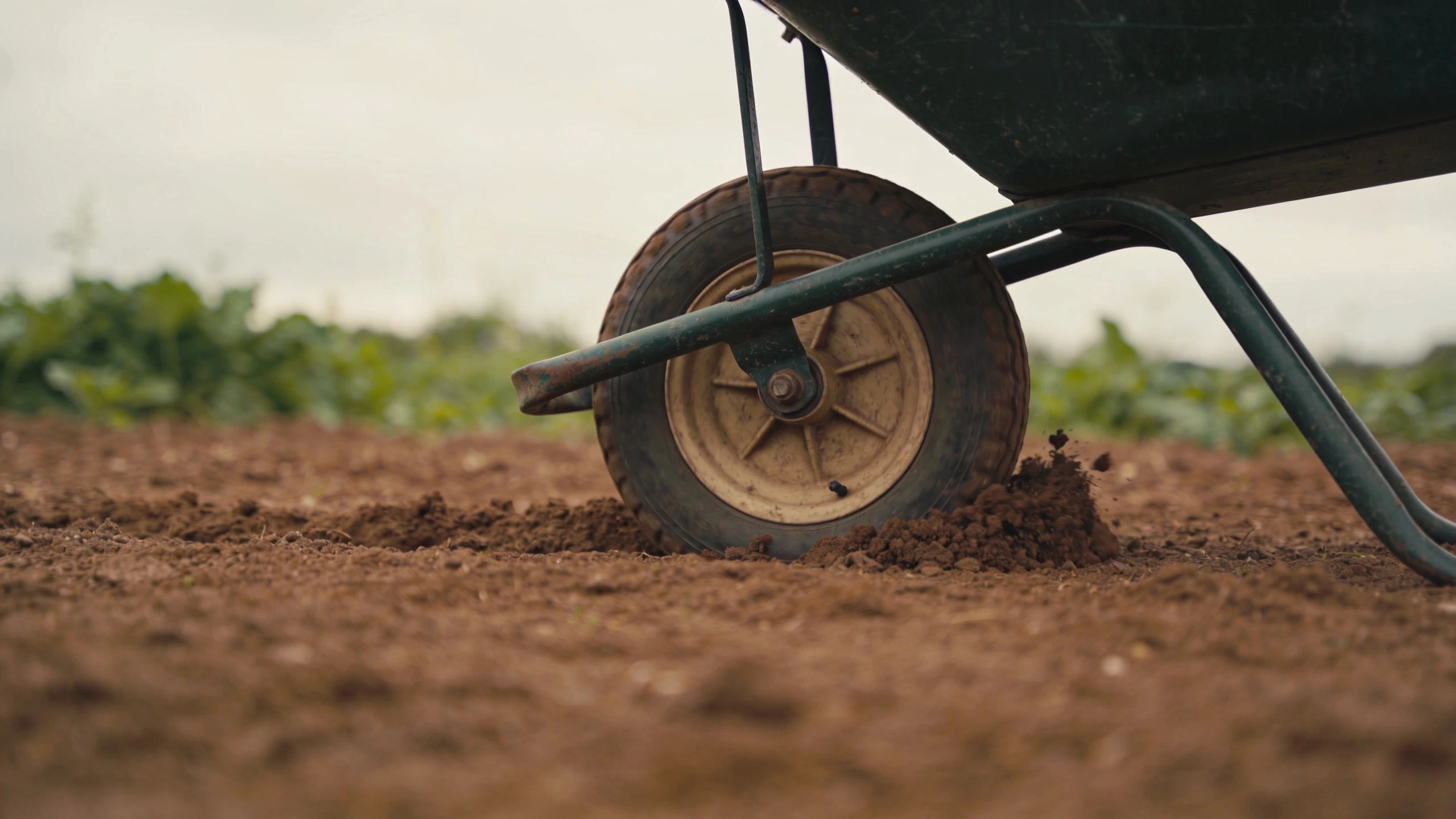
A low seat on castors. On paving, decking, firm gravel or the paths between raised beds it is genuinely excellent. You work along a row without standing up once.
On soft soil or lawn, small hard castors sink and refuse to roll, and on any slope it is unusable and slightly dangerous. Larger pneumatic or wide rubber wheels improve it substantially and cost more.
Buy this only if you know your surfaces suit it.
Tall garden stool or perching seat
$35–$70Best for raised beds and potting benches
Often the correct answer instead of a kneeler. If you have raised beds or a potting bench, sitting at working height is far better than getting down to ground level and back up.
Height rule: sit height about 30 cm below the working surface. A 75 cm bench wants roughly a 45 cm seat. Perching stools with a slightly forward-tilted seat are noticeably easier to stand up from than flat ones.
Our raised bed layout ideas covers building beds at heights that make this work.
Garden trolley with a seat
$70–$150Best for larger gardens
A wheeled tool caddy you can also sit on. In a larger garden the friction is not the kneeling. It is the six trips back to the shed for the thing you forgot, and a trolley removes those.
Check the wheel size, since anything under about 15 cm struggles on soft ground. Then check the seat is comfortable enough that you will actually sit on it.
What to buy, by situation#
| Your situation | Buy this |
|---|---|
| Just starting, small budget | Closed-cell foam pad |
| Knees are fine, standing up is hard | Kneeler-seat with rails |
| Weeding long beds regularly | Strap-on knee pads |
| Paved courtyard or between raised beds | Rolling seat |
| Raised beds or a potting bench | Tall perching stool |
| Large garden, lots of walking | Trolley with a seat |
| Cannot get down at all | Raise the beds to 75–90 cm; long-handled tools |
Where the guidance here comes from#
The comparison here is mine, from owning most of these and giving two of them away. What I am not qualified to tell you is which is right for your knees. Thrive, the charity for gardening as therapy, has practical advice on adapting a garden around a body rather than the other way round, and the HSE material on musculoskeletal disorders explains why kneeling and repeated reaching cost more than the weight involved suggests.
Related reading#
- Gardening tools for seniors and arthritic hands, the tool side of the same problem.
- Gardening accessories every gardener needs: the rest of the friction-removing kit.
- Gardening gifts for mom: a kneeler-seat is one of the best gifts on that list.
Frequently asked questions
What is the best garden kneeler for bad knees?
A kneeler-seat with steel push-up rails, because the difficulty with bad knees is usually getting back up rather than the kneeling itself. The rails let you take your weight through your arms. If bending is the problem rather than kneeling, a tall perching stool at a raised bed is a better answer than any kneeler.
Are garden kneeler seats worth it?
Yes, for most gardeners over about fifty and for anyone with knee or hip issues. The dual function is genuinely used, kneeling for bed work, flipped over as a bench for potting and for weeding a bed edge, and the side rails make standing up considerably easier. The main caveat is weight: the sturdy ones are not light to carry around a large garden.
How thick should a garden kneeling pad be?
At least 2 cm of closed-cell foam, and 3 to 4 cm is noticeably better on gravel or hard paving. Closed-cell matters as much as thickness, open-cell foam absorbs water and becomes a cold wet sponge, and it compresses permanently within a season.
Do rolling garden seats work on grass and soil?
Poorly. Small hard castors sink into soft ground and refuse to roll. Rolling seats are excellent on paving, decking, firm paths and between raised beds, and frustrating anywhere else. If your garden is mostly soil and lawn, a kneeler-seat or knee pads will serve you far better.
What height should a garden stool be?
For working at a raised bed or potting bench, sit height should be roughly 30 cm below the working surface, so a 75 cm bench wants a 45 cm stool. For ground-level work, the lowest comfortable seat you can still get out of, generally 20 to 30 cm. A perching stool that tilts you slightly forward is easier to rise from than a flat one.
Topics in this article
About the author
Jeff has gardened professionally for over twenty years, mostly on heavy clay, and writes everything here from beds he still works himself. More from Jeff Tanun →
Keep reading
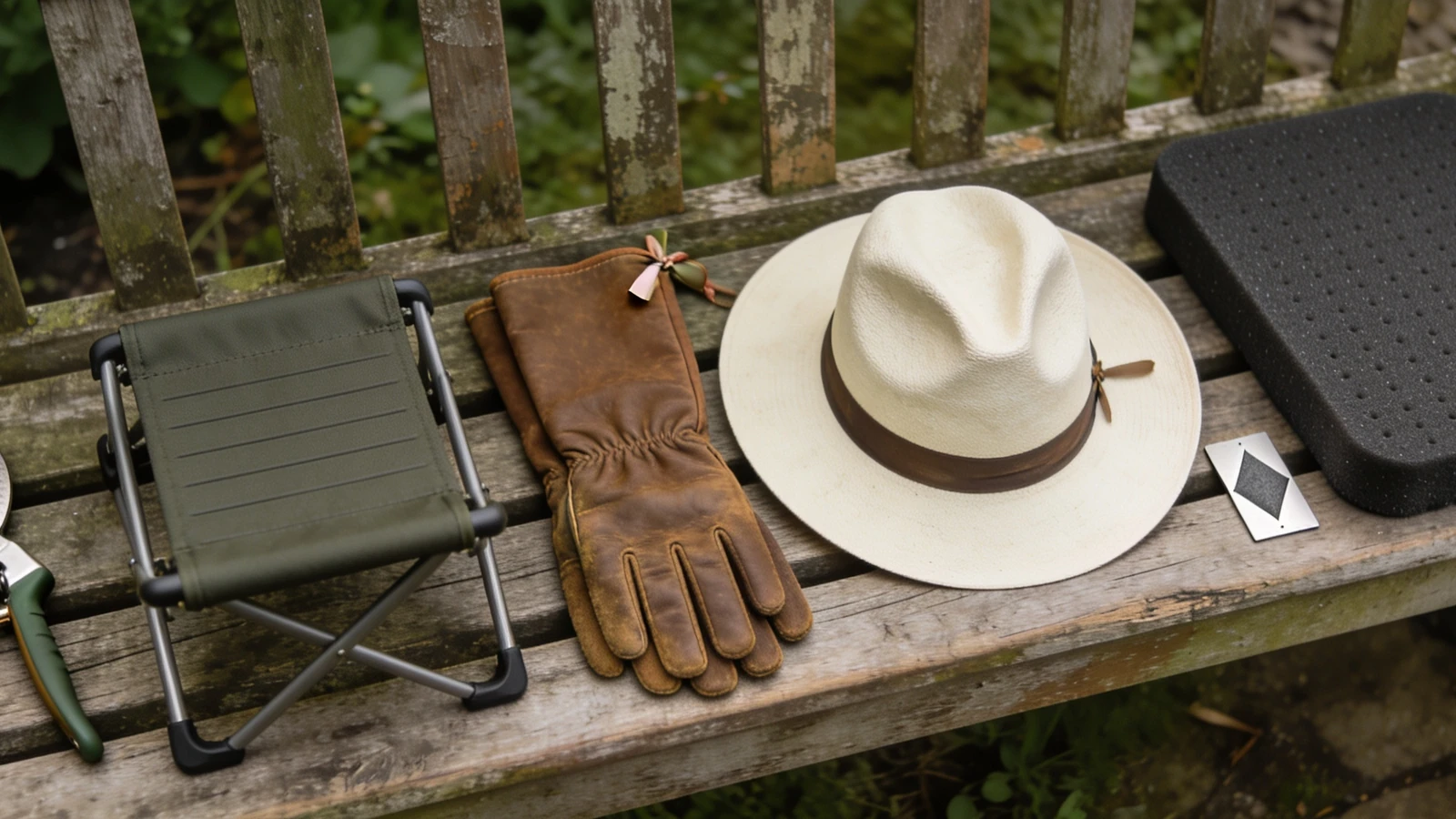
Gardening Gifts for Mom
Gardening gifts for mothers who genuinely garden, sorted by budget, with a note on what to check before you order so it does not end up in the shed.
Updated
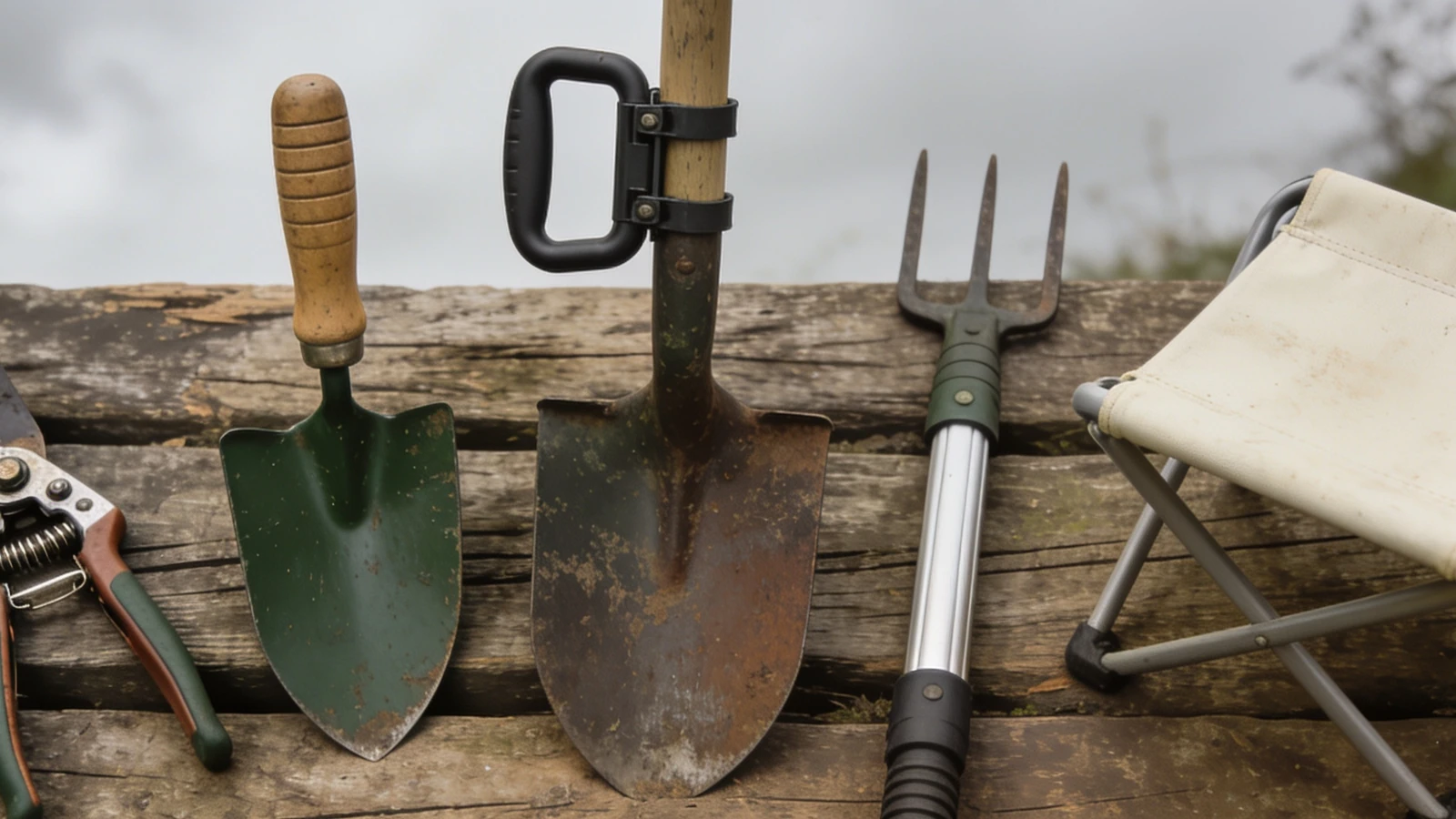
Gardening Tools for Seniors
Ergonomic garden tools that reduce grip force, wrist strain and bending, plus the design details that matter more than the word “ergonomic” on the packaging.
Updated
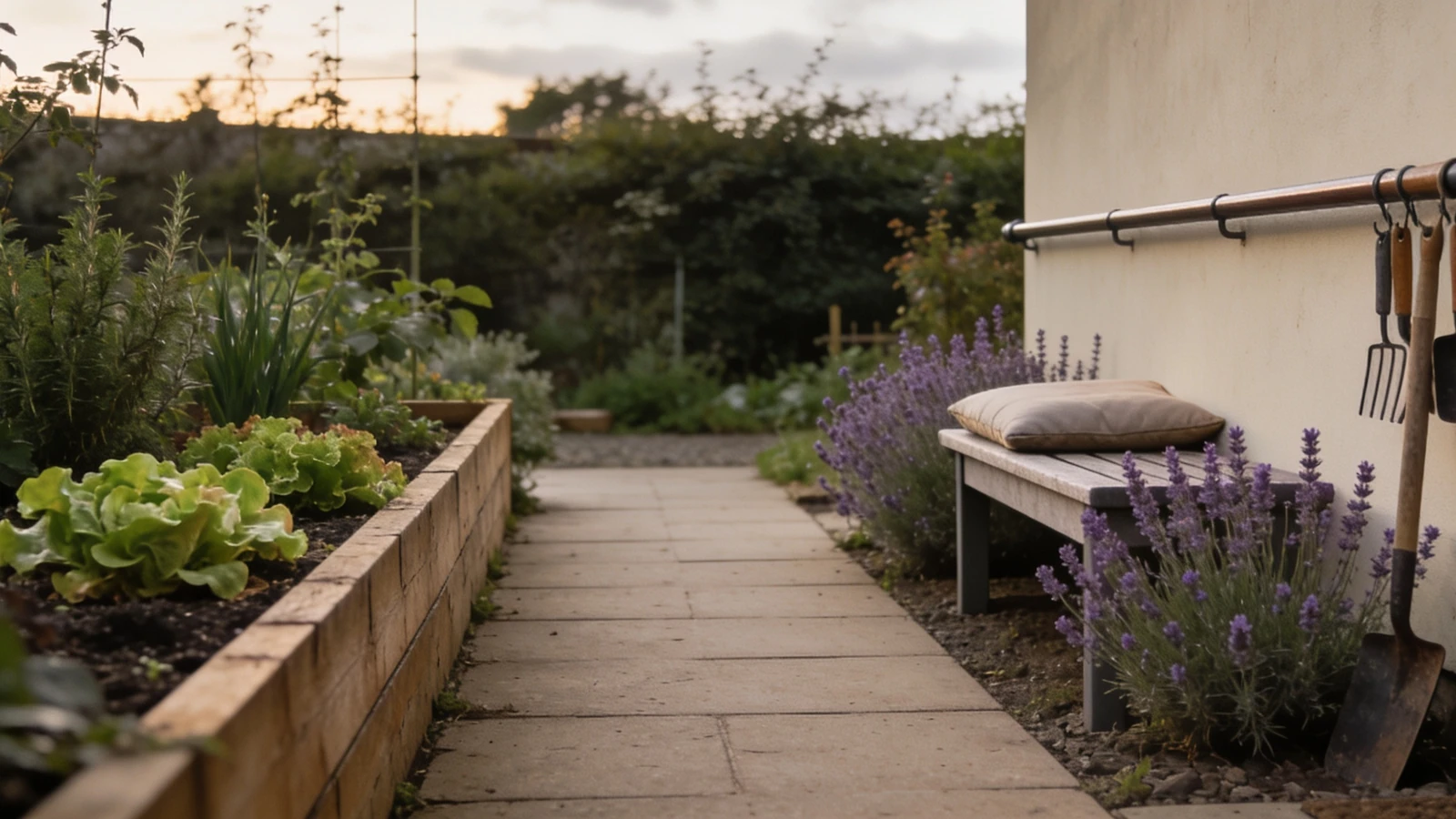
Gardening for Wellbeing
Horticultural therapy explained: what it is, what the evidence supports, and how to set up a garden that helps rather than becomes another thing you owe.
Updated