Dog Friendly Garden: Design Around the Dog
A dog friendly garden that survives an actual dog. Which plants are toxic, how to fix urine burn and digging, and why giving the dog a route works better than fencing.
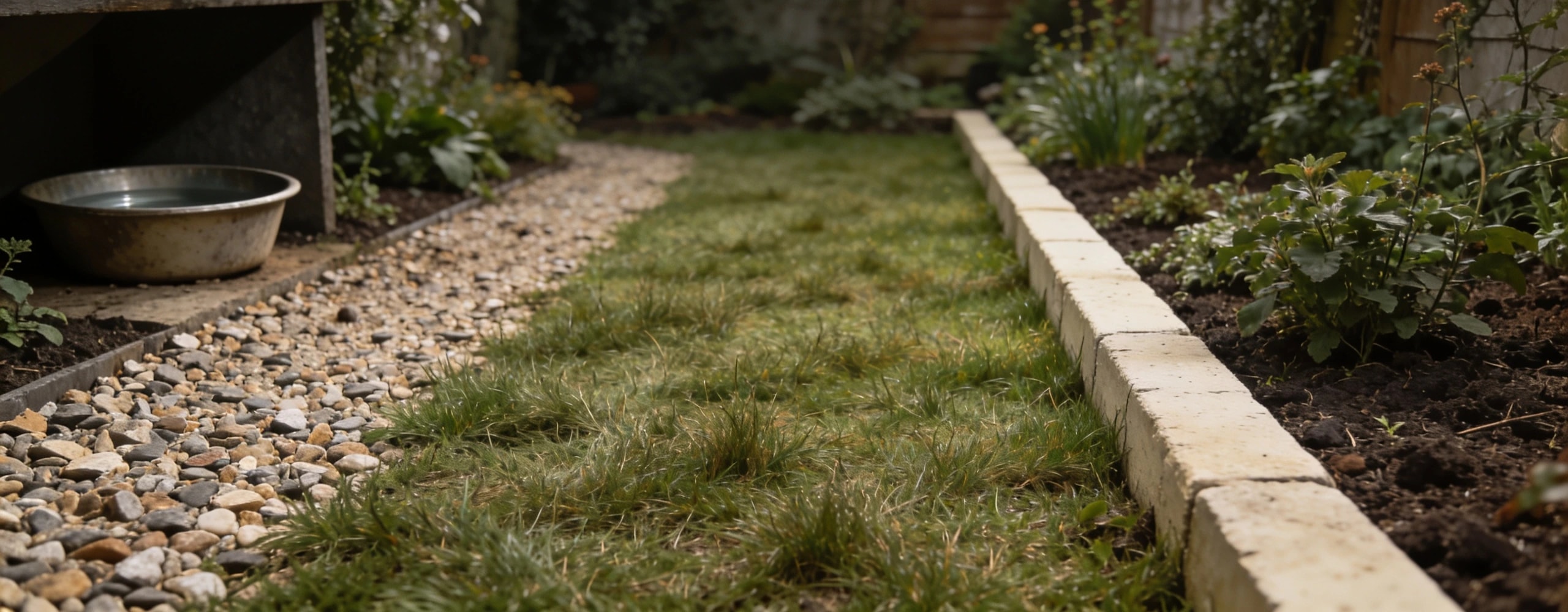
A dog friendly garden is mostly a design problem rather than a plant list problem. Dogs run the same route every day, lie in the coolest spot, and go where they are used to going, and a garden that ignores those three facts spends every summer being repaired. The plant safety part matters too, and it is shorter and more specific than most lists suggest.
The short answer
Design around the dog's existing habits: pave or gravel the route it already runs, and give it a shaded spot and a digging area rather than trying to prevent both. Dilute urine spots with plain water within a few minutes and the lawn survives. Remove the genuinely dangerous plants, foxglove, monkshood, yew, laburnum, autumn crocus, oleander, and never use cocoa shell mulch. Plant borders densely, because bare soil invites walking through.
Watch the dog before you change anything#
A week of observation saves a season of repairs. There are three patterns and every dog has them.
Key points
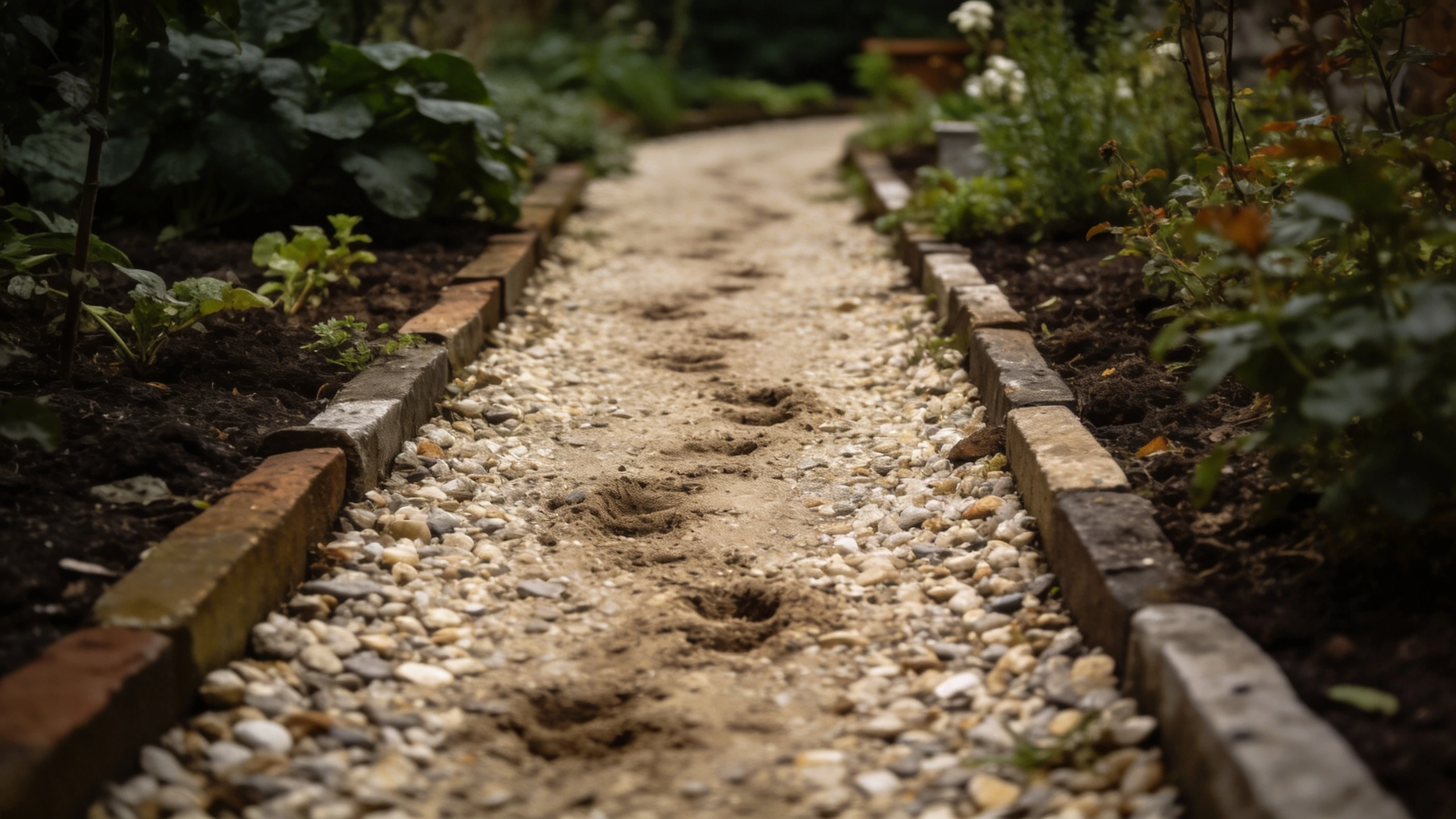
- The patrol route. Almost every dog runs the same line, usually along a boundary or to the gate. That line will never grow grass, so make it a path.
- The cool spot. Dogs dig to lie in cool soil. If there is deep shade available they use it instead, so shade is the fix, not a barrier.
- The trigger point. Where the dog can see next door's cat or the postman, it will run the fence. Screening the sightline calms it more than any training aid.
- The toilet corner. Most dogs choose one, and that choice is worth working with rather than against.
- The gap. Check the bottom of every boundary, because escapes are almost always underneath rather than over the top.
Working with those five is the whole method. Everything else is detail.
Toxic plants: the list actually worth knowing#
Long lists of every plant that might cause mild stomach upset are not much use. These are the ones that matter.
- Autumn crocus, Colchicum
- Probably the most dangerous common garden plant for dogs. Serious toxicity, and it flowers when little else does so it gets planted for that reason.
- Monkshood, Aconitum
- Highly toxic including the roots, which is exactly what a digging dog reaches. Sold in ordinary nurseries as a border perennial.
- Foxglove
- Cardiac glycosides. Self seeds everywhere, so it turns up whether you planted it or not.
- Yew
- All parts except the flesh of the berry, and highly toxic. Common as a hedge, and clippings are a particular hazard.
- Laburnum
- Seed pods are toxic and look like pea pods, which is the problem.
- Oleander
- Extremely toxic in every part. Common in warm climates and often grown in pots.
- Spring bulbs
- Daffodil, tulip and hyacinth bulbs are toxic and are exactly what a dog digs up in autumn. Plant them where the dog does not dig.
- Not a plant: cocoa shell mulch
- Smells of chocolate, contains theobromine, and dogs eat it. Do not use it. Ordinary bark is fine.
I would also flag the food items, because people miss them: grapes and vines, onions and alliums in quantity, and windfall fruit fermenting under a tree.
Urine burn, and the fix that actually works#
The yellow patches with a green ring are concentrated nitrogen and salts, not acid. That matters because it tells you the fix.
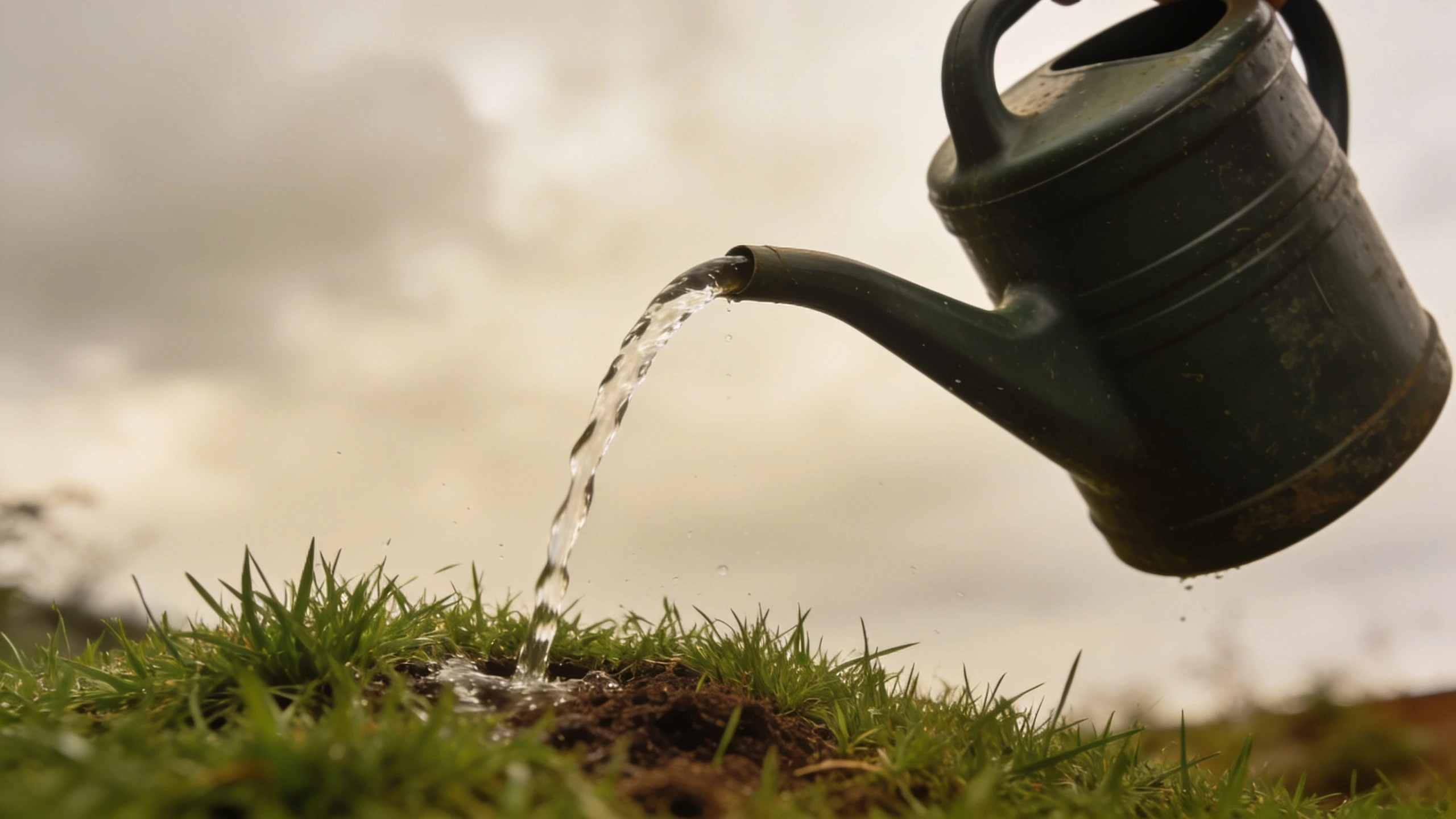
Dilution, quickly. A watering can of plain water over the spot within a few minutes disperses the concentration and most of the damage never happens. It is unglamorous and it works.
The products sold to alter urine chemistry are a different matter, and I would not give a dog anything intended to change what its kidneys are excreting without a vet's opinion.
If one corner is used constantly, stop fighting it. A metre or two of gravel, bark or paving in that corner ends the problem permanently and is far cheaper than reseeding twice a year.
Digging: find the reason, then redirect#
Blocking a digging dog moves the hole rather than stopping it. The reason determines the fix.
- Boredom
- The commonest. More exercise and something to occupy the dog does more than any barrier. Digging is a symptom.
- Heat
- The dog digs down to cool soil and lies in it. Provide deep shade instead, and the digging usually stops with it.
- Prey
- Digging after mice or voles, usually along a boundary or under a shed. Make the spot physically harder to work at.
- Breed
- Terriers dig. That is not a fault to be corrected, it is a fact to be designed around.
The redirect that works best is a dedicated digging area: a corner of loose sand or bark, with a toy or two buried in it. It gives the behaviour somewhere legitimate to go, which is far more effective than trying to extinguish it.
Lawns, and being realistic#
A hard wearing rye grass mix survives a dog far better than a fine ornamental turf. Even so, a dog that runs one line every day will wear it out.
Artificial grass is a genuine option and it has two drawbacks people are not told about: it gets very hot in direct summer sun, sometimes too hot for paws, and it holds urine smell unless it is rinsed regularly.
My own view after several years is that the sane approach is a mixed one. Hard surface where the dog runs, tough grass in the open middle, and dense planting where you do not want it to go.
Design details that quietly help#
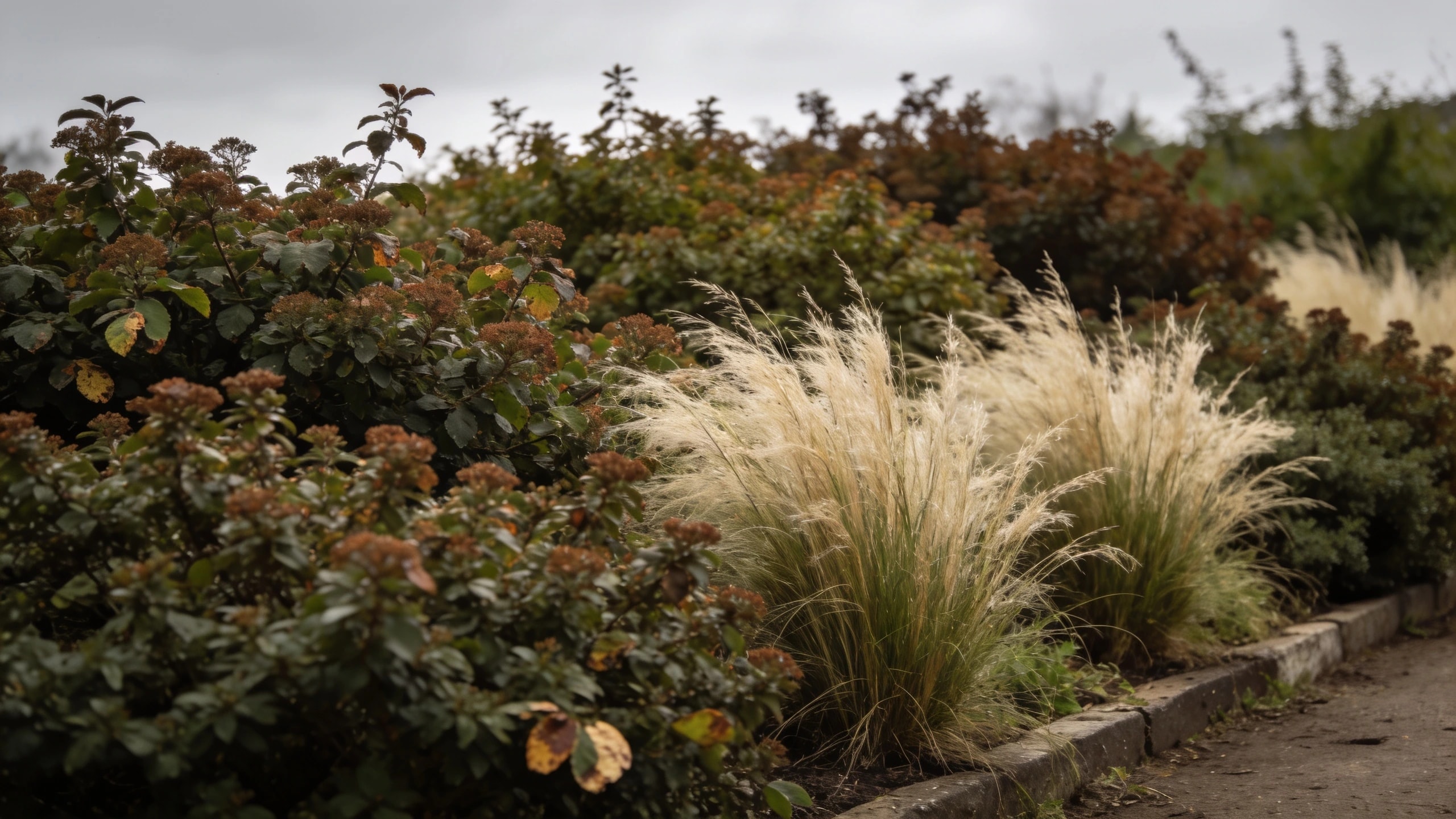
Dense planting. A full border with no bare soil is much less inviting to walk through than plants with gaps between them. This is the single most useful planting principle here.
Sturdy edging. A hard edge between lawn and border tells a dog where the boundary is far better than a change in planting does.
Screening the trigger. If the dog runs the fence because it can see a cat, a solid or slatted screen at that one point reduces the behaviour immediately. It is a sightline problem, like most privacy issues.
Water in the shade. A large heavy bowl in the coolest part of the garden, refilled daily. Dogs drink far more in summer than people expect, and it also reduces cooling holes.
Check the fence bottom. Twice a year. Most escapes are a gap at ground level that appeared gradually.
What it costs#
- Gravel or bark for a patrol route
- $60 to $180 for a decent run, plus edging. Ends a recurring problem for one payment.
- Hard wearing lawn seed
- $20 to $45. Worth reseeding once with the right mix rather than three times with the wrong one.
- A digging pit of sand or bark
- $30 to $70. Cheaper than the borders it saves.
- One screen panel at the trigger point
- $120 to $300. Usually calms fence running more than anything else you can buy.
- Extra plants for dense planting
- $80 to $200. Buy small and plant close; they knit together in two seasons.
- Removing the toxic plants
- Free, and the highest priority item on this list.
Where this needs adjusting#
With a puppy, assume everything will be chewed and dug for the first year and delay any planting you care about. It is much cheaper to plant later than to replace.
In a small garden, the patrol route often is the whole garden, and the honest answer may be to give up on a lawn and use paving or gravel with generous raised beds the dog cannot walk through.
In a hot climate, shade stops being a nice addition and becomes the main design requirement, because a dog without shade will make its own by digging.
Where the guidance here comes from#
The design observations are mine, from a garden shared with a dog that taught me most of them the expensive way. The toxic plant list is drawn from published horticultural and veterinary sources, and any plant you are unsure about is worth checking against the RHS advice pages, which flag harmful species, and Garden Organic is useful on mulches and on avoiding treatments you would not want a dog walking through. Anything that has actually been eaten is a vet question, not a gardening one.
The short version#
Watch the dog for a week, then design around what it already does: surface the route, shade the cool spot, allow a digging corner, screen the trigger. Dilute urine spots with water within minutes. Take out the genuinely dangerous plants and never use cocoa shell mulch. Plant densely, and check the bottom of the fence.
Related reading#
- Garden privacy screens: screening one sightline, which is also the fix for fence running.
- Low-maintenance garden ideas: dense planting and hard surfaces, for the same reasons.
- Garden design basics: paths where people already walk, which applies to dogs too.
- Mulching a garden: which mulches are safe here and which are not.
Frequently asked questions
Which common garden plants are toxic to dogs?
The ones worth knowing: foxglove, monkshood, yew, laburnum, oleander, autumn crocus, lily of the valley, delphinium and cyclamen, plus daffodil, tulip and hyacinth bulbs which are often dug up and chewed. The single most dangerous common one is probably autumn crocus. Grapes and raisins, onions and garlic, and cocoa shell mulch are also toxic and get overlooked because they are food rather than plants.
How do I stop dog urine burning the lawn?
Dilution, immediately. A watering can of plain water over the spot within a few minutes prevents most of the damage, because the problem is concentrated nitrogen and salts rather than acidity. The supplements sold to change urine chemistry are not something I would give a dog without a vet's view. If the lawn is a losing battle, a gravel or bark run in the dog's favourite corner solves it permanently.
How do I stop a dog digging in the borders?
Work out why first, because the fix differs. Boredom digging needs exercise and something to do. Heat digging, where the dog lies in the cool hole, needs shade instead. Prey digging after mice needs the border made harder to enter. And some breeds simply dig. Giving a dedicated digging area with loose sand or bark, and burying a toy in it, redirects the behaviour better than blocking it.
What is the best lawn for dogs?
A hard wearing rye grass mix rather than a fine ornamental one, and even then expect worn tracks. Artificial grass drains and looks tidy and it also gets very hot in summer and holds urine smell unless you rinse it. If the dog uses one route constantly, the honest answer is to pave or gravel that route rather than reseeding it three times a year.
Do dogs need a fence, or can I plant a barrier?
For containment, a fence, and check the bottom edge as well as the height, because most escapes are underneath rather than over. Planted barriers do not contain a determined dog and a dog running through shrubs will destroy them. Where planting does work is as a visual screen, so the dog cannot see the trigger on the other side, which reduces fence running considerably.
Is bark mulch safe for dogs?
Ordinary bark and wood chip are generally fine, though a dog that eats mulch can get a blockage, so watch a chewer. The one to avoid entirely is cocoa shell mulch, which smells of chocolate, is attractive to dogs, and contains theobromine, the same compound that makes chocolate toxic. It should not be used in a garden a dog can access.
How do I keep a dog off newly planted beds?
Temporary low fencing or a few short canes with string at ankle height while things establish, which is usually one season. Dogs mostly take the path of least resistance, so a clear alternative route matters more than the barrier. Plant densely once established, because a full border is far less inviting to walk through than bare soil between plants.
Topics in this article
About the author
Jeff has gardened professionally for over twenty years, mostly on heavy clay, and writes everything here from beds he still works himself. More from Jeff Tanun →
Keep reading
Cat Friendly Garden
A cat friendly garden covers two problems: keeping your own cat safe, and keeping other people's cats out of your seedbeds. Both have practical answers.
Updated
Lawn Care Basics
Lawn care that works with less effort. Why cutting height matters more than feed, how to fix moss and bare patches, and when to stop fighting the grass entirely.
Updated
Keeping Deer Out
Keeping deer out of a garden honestly. Only a tall fence reliably works, deterrents fade, and no plant is truly deer proof. What to do at each budget.
Updated