Shade Garden Plants: Work Out Your Shade First
Shade garden plants chosen by the kind of shade you have. Dry shade under trees needs a different list from damp shade, and that distinction fixes most failures.
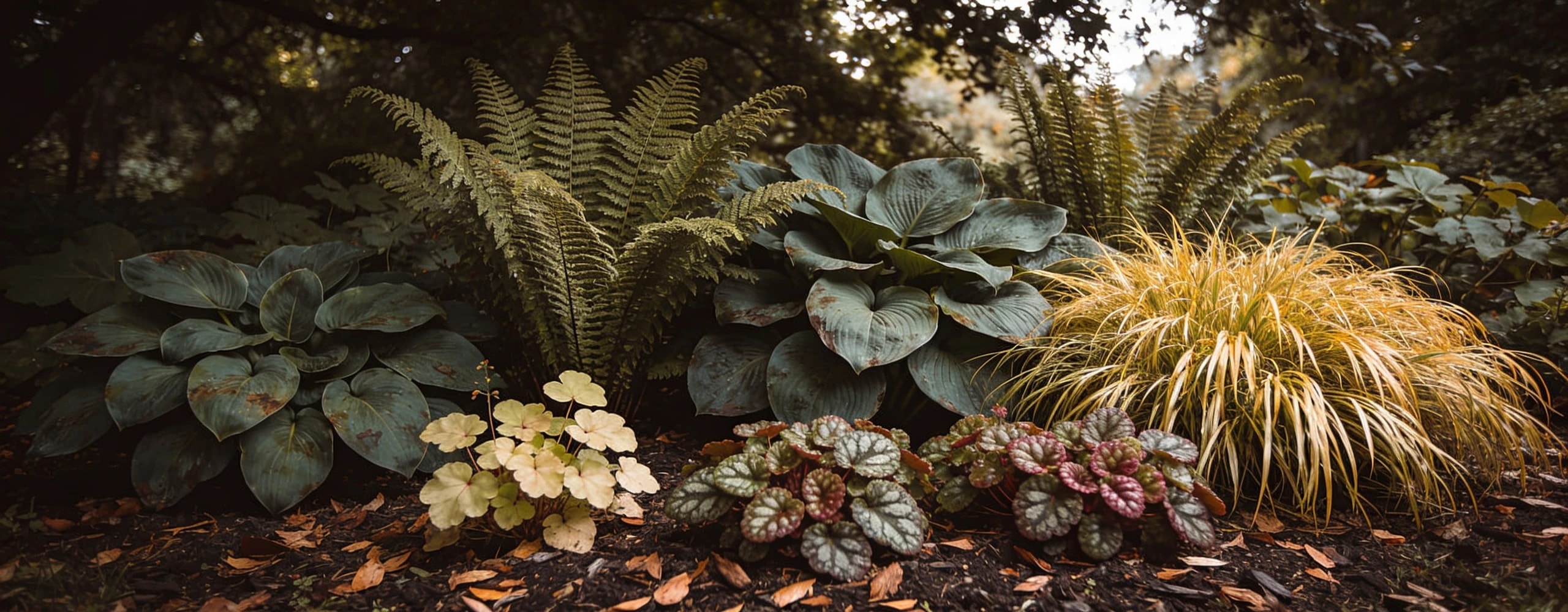
Almost every failed shade planting I have seen, mine included, comes down to one missed distinction: dry shade and damp shade are not the same problem. A hosta that thrives beside a north facing fence will sulk and shrivel two metres from a mature tree, and the plant is not the issue.
The short answer
Work out which shade you have before buying anything. Dry shade, under trees or against a house wall, means competing for water as well as light: plant epimedium, hardy geranium, euphorbia, bergenia and ferns, in autumn, and water for two summers. Damp shade, from a fence or a north aspect, is much easier: hosta, brunnera, astrantia, hydrangea, ferns. Use foliage rather than flowers for brightness, and plant in bold single species groups.
Diagnose the shade first#
Ten minutes of observation saves a lot of dead plants. There are two questions and both matter.
How many hours of direct sun does the spot get, and when? Go and look at nine, at one and at five. A wall that is shaded at midday can be in full afternoon sun, which changes the answer completely.
And is the soil dry or damp? Dig a hole 20 cm deep in the middle of a dry spell in summer. That is the honest test, and it is the one people skip.
- Damp shade
- Shaded by a wall, fence or north aspect, still gets rain. The easy version. Hosta, brunnera, astilbe, hydrangea, most ferns.
- Dry shade
- Under trees or against a house wall. Roots or the building take the water too. Hard, and the plant list is much shorter.
- Dappled shade
- Filtered light through a canopy all day. The most forgiving of all, and where the widest range of woodland plants belongs.
- Partial shade
- Two to four hours of direct sun, usually morning or evening. Most so called shade plants prefer this to genuine full shade.
The dry shade list, which is short and worth trusting#
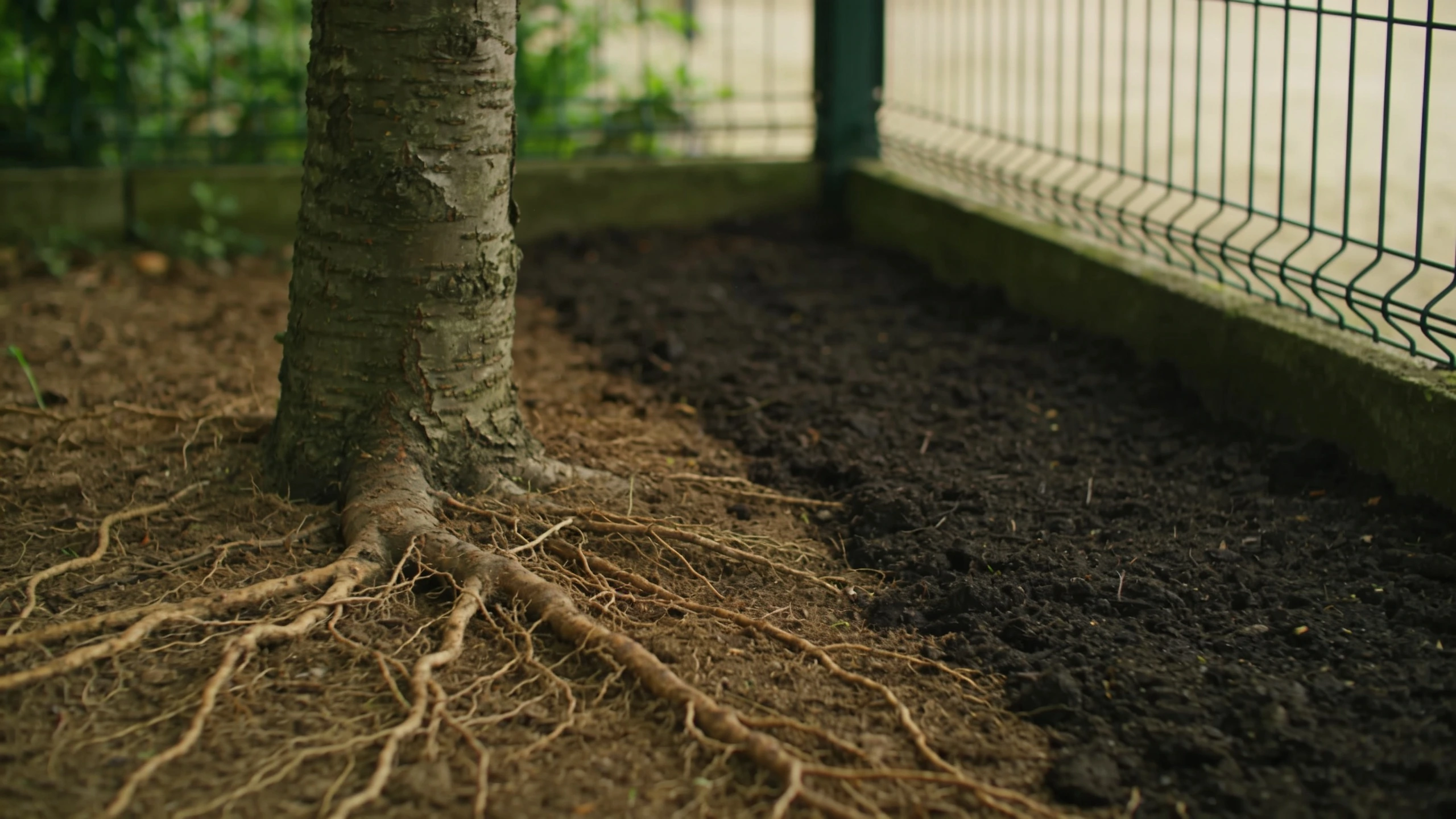
This is the difficult one, so the list is deliberately narrow. Everything here will genuinely establish in dry shade, and I have killed enough alternatives to be confident about the exclusions.
- Epimedium
- The best plant for dry shade there is. Tough, nearly evergreen, delicate flowers in spring. Cut old leaves back in February to see them.
- Geranium macrorrhizum
- Spreads steadily, smothers weeds, flowers, smells good when brushed. Almost impossible to kill.
- Euphorbia robbiae
- Lime green flower heads that light up a dark corner. It runs, which is a feature in dry shade and a problem in a border.
- Bergenia
- Big leathery evergreen leaves, structure all year. Unfashionable and extremely effective.
- Hart's tongue fern
- The fern that tolerates dry shade, unlike most. Glossy, evergreen, self seeds gently into walls and steps.
- Vinca minor
- Ground cover for the worst spots. Keep it out of anywhere you want other plants, because it will not share.
- Cyclamen hederifolium
- Flowers in autumn, marbled leaves through winter, dormant in summer when it is driest. Perfectly adapted to under a tree.
The two things that make the difference in dry shade are not on any plant list. Plant in autumn, and water through the first two summers. A plant that has rooted properly will cope; one planted in April and left will not.
The damp shade list, which is much longer#
If your shade is damp, you have far more choice than people with a sunny border realise.
- Hosta
- The classic, and worth the slug management. Blue leaved varieties are notably tougher than thin pale ones.
- Brunnera
- Forget me not blue flowers in spring, then good foliage all summer. The silver leaved forms brighten dark corners.
- Astrantia
- Flowers for months, tolerates real shade, and the white forms glow at dusk.
- Hydrangea
- Structure and long season flower. The one shrub I would plant in every damp shady garden.
- Ferns generally
- Shuttlecock, lady fern, male fern, painted fern. Texture is what carries a shade garden and nothing does texture better.
- Hakonechloa
- Golden Japanese forest grass. Falls in soft layers, lights up shade, needs almost nothing.
- Heuchera and tiarella
- Evergreen foliage in a range of colours, and useful at the front where you need something all year.
Brightness comes from foliage, not flowers#
This is the design point that matters most, and it took me a while to accept.
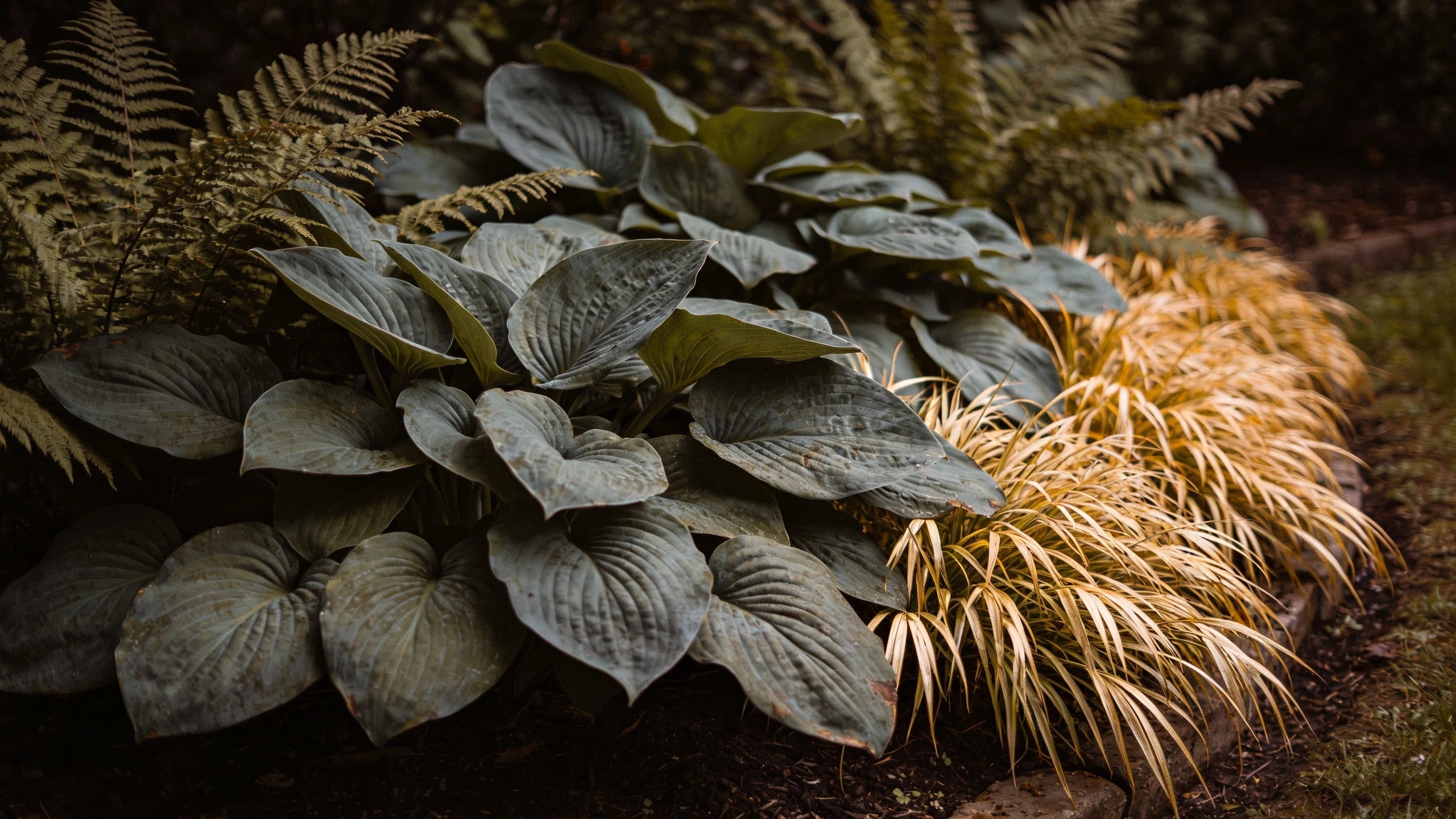
Flowers in shade are sparse and brief. Foliage is there for six months or twelve. So a good shade garden is built from leaf colour, shape and texture, with flowers as an occasional event.
What lifts a dark corner: variegated and lime green leaves, silver and pale foliage, glossy surfaces that reflect, and white flowers, which do far more work in low light than any other colour.
What flattens it: mid green everything, and one of each of fifteen plants. In low light the eye cannot separate a mixture, so bold groups of a single species read much better.
Key points
- Use groups of three, five or seven of one plant rather than singletons.
- Contrast leaf shapes deliberately: big and round against fine and divided, upright against arching.
- Add pale and variegated foliage to bounce light, but not everywhere, or it looks restless.
- White flowers over any other colour. They stay visible when reds have gone flat.
- Include something evergreen, because a shade border with nothing in February is a wasted corner.
Growing food in shade, honestly#
Leaves yes, fruit no, and no amount of feeding changes that.
Salad, spinach, chard, kale, rocket, radish and most oriental leaves will produce in three or four hours of sun. Lettuce actively prefers some shade in high summer because it bolts less, so a shaded bed is genuinely useful in July.
Anything that has to ripen a fruit needs six hours or more: tomatoes, peppers, courgettes, squash, beans, sweetcorn. In shade they grow leggy, flower poorly and set almost nothing. That is a light budget problem and it is not solvable in the soil.
Herbs split the same way. Mint, chives, parsley and chervil manage in shade. Rosemary, thyme, oregano and basil want sun and will be thin and flavourless without it.
The grass question#
Under about four hours of direct sun, a lawn is a losing battle. It thins, moss takes over, and you buy repair seed every spring.
A shade tolerant seed mix helps at the margins. What helps far more is deciding to stop. Replace it with a woodland floor: ferns, epimedium, hardy geranium, hakonechloa, and a large quantity of spring bulbs that flower before the canopy closes.
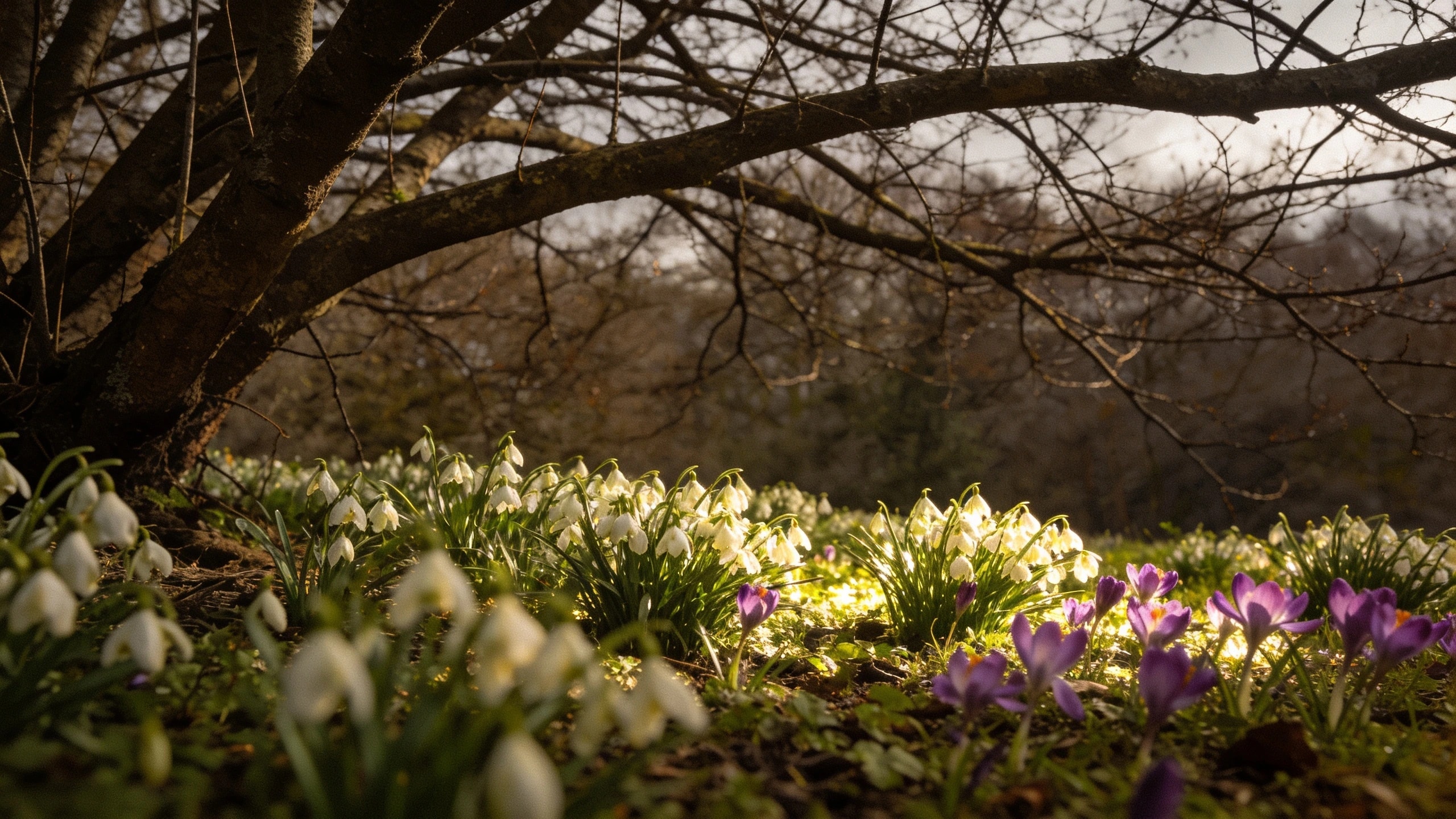
That last point is the trick worth knowing. Under deciduous trees, early spring is fully lit. Snowdrops, crocus, wood anemone and narcissus complete their whole year before the leaves come out, so a spot that is impossible in July can be spectacular in March.
What it costs#
- Nine plants for dry shade
- $80 to $180. Epimedium and geranium in threes. Both split readily, so this doubles in three years.
- Nine plants for damp shade
- $80 to $200. Hosta, fern and hakonechloa in threes, layered by height.
- One hydrangea
- $25 to $60. The single biggest structural improvement to a damp shady corner.
- Two hundred woodland bulbs
- $25 to $60. Best value on this page by a wide margin, and they multiply.
- Mulch, annually
- $20 to $50, or free if you make leaf mould. In dry shade this is not optional.
Where this needs adjusting#
Under conifers is the hardest case of all: dry, dark and often acidic. Epimedium, hart's tongue fern and cyclamen will cope. Most things will not, and a mulched path or a bench is sometimes the honest answer.
In a shaded spot that is also waterlogged, the list changes again towards astilbe, ligularia, rodgersia and hostas, which enjoy it. Test the soil in a wet spell as well as a dry one.
And if the shade comes from something you could remove or thin, consider that first. Lifting the crown of one tree or replacing a solid fence with slatted panels changes the whole problem, and it is often less work than fighting it for a decade.
Where the guidance here comes from#
The dry and damp distinction and the autumn planting rule are what I have learned by losing plants in dry shade under a mature ash. On plant selection and on soil in shade the RHS advice pages are the reference I check against, and Garden Organic is good on mulching and building soil where you cannot dig, which is the situation under any established tree.
The short version#
Find out whether your shade is dry or damp, and how many hours of sun it really gets, before buying anything. In dry shade plant a short tough list in autumn and water it for two summers. In damp shade you can do almost anything. Build the effect from foliage and bold groups rather than flowers, add white, and use bulbs under deciduous trees to steal the spring.
Related reading#
- Garden design basics: layering and grouping, which matter more in low light than anywhere else.
- Low-maintenance garden ideas: shade planting is often the least work in the garden.
- Moon garden: why white does so much work when the light is poor.
- Japanese garden ideas: moss, fern and maple, which is a shade planting scheme by another name.
Frequently asked questions
What is the difference between dry shade and damp shade?
Dry shade sits under trees or against a house wall, where roots or the building take the moisture as well as the light. Damp shade is shaded by a fence, a wall or a north aspect but still gets rain. They are completely different growing conditions and they need different plants, and confusing them is the single most common reason shade planting fails.
How much sun counts as full shade?
Under about two hours of direct sun a day, or bright indirect light all day with no direct sun. Partial shade is roughly two to four hours, usually morning or late afternoon. Dappled shade is filtered light through a canopy all day, which is the most forgiving of the three and suits the widest plant list.
What are the toughest plants for dry shade?
Epimedium, Geranium macrorrhizum, Euphorbia amygdaloides var. robbiae, Vinca minor, Bergenia, hart's tongue fern and Cyclamen hederifolium. These will establish where almost nothing else will, but they still need help in the first two years: water them through their first two summers and mulch heavily, because dry shade is a hostile place for a new root system.
Will grass grow in shade?
Badly, and it is usually the wrong fight. Under about four hours of sun a day, grass thins, moss moves in and you spend money on repairs every spring. A shade tolerant seed mix helps a little. The better answer is to stop trying: replace the grass with a woodland planting of ferns, epimedium and spring bulbs, which will look far better and need less from you.
Can you grow vegetables in shade?
Leaves and some roots, yes. Salad, spinach, chard, kale, rocket and radish will produce in three or four hours of sun, and lettuce actually prefers shade in high summer because it bolts less. What will not work is anything that fruits: tomatoes, courgettes, peppers, beans and squash all need six hours or more, and no amount of feeding compensates.
How do I make a shady corner look brighter?
Use foliage rather than flowers. Variegated and lime green leaves, hosta, brunnera, lamium, golden hakonechloa, pale ferns, all bounce what light there is. White flowers work harder than any other colour in low light. And plant in bold groups of one thing rather than singly, because in low light a mixture reads as a muddle.
When is the best time to plant in shade?
Autumn, for anything in dry shade especially. It gives the plant the whole winter and spring to root before it meets its first dry summer under a tree. Spring planting in dry shade means the plant hits July with an undeveloped root system in the driest soil in the garden, which is how most of them die.
Topics in this article
About the author
Jeff has gardened professionally for over twenty years, mostly on heavy clay, and writes everything here from beds he still works himself. More from Jeff Tanun →
Keep reading
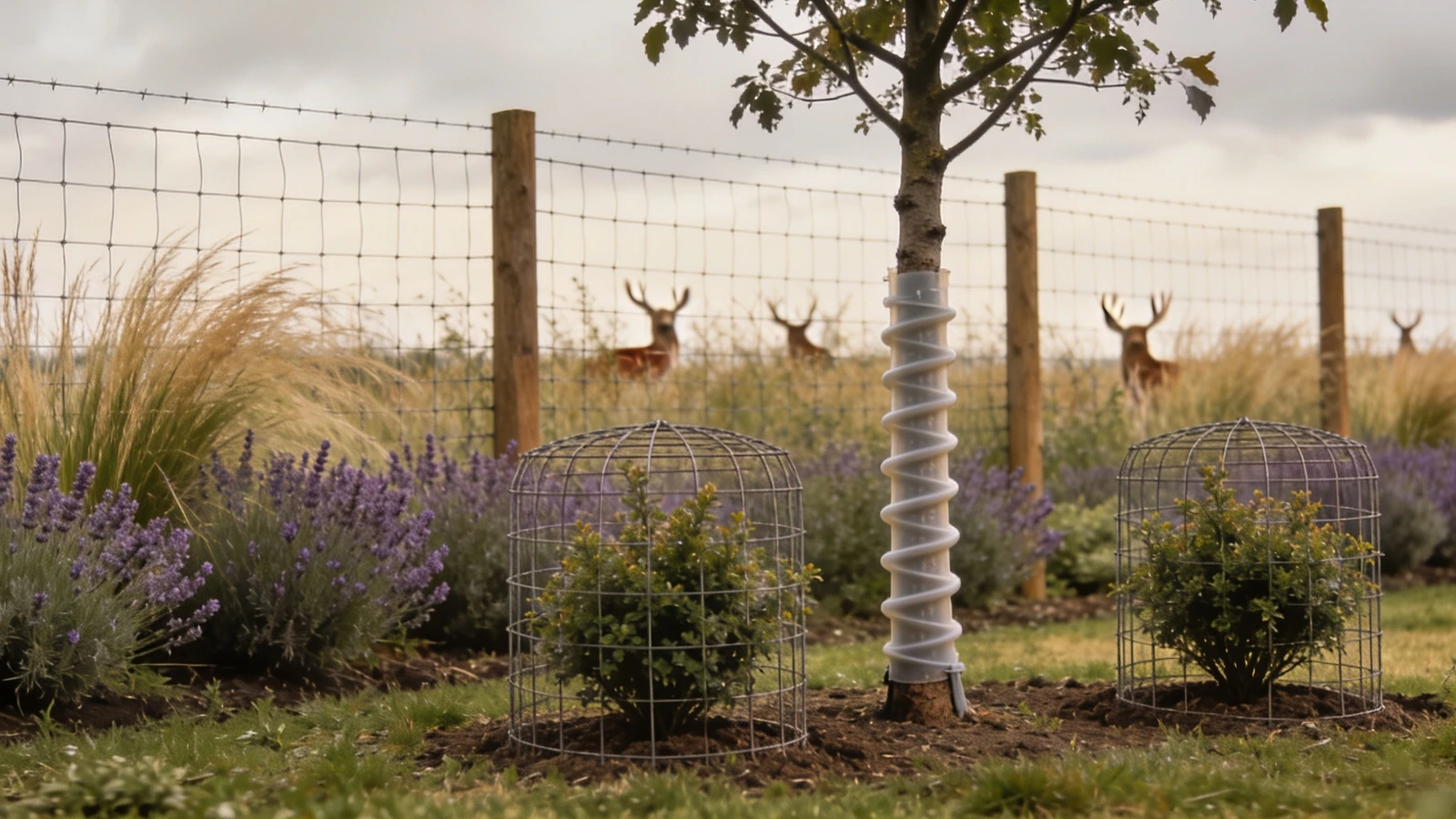
Keeping Deer Out
Keeping deer out of a garden honestly. Only a tall fence reliably works, deterrents fade, and no plant is truly deer proof. What to do at each budget.
Updated
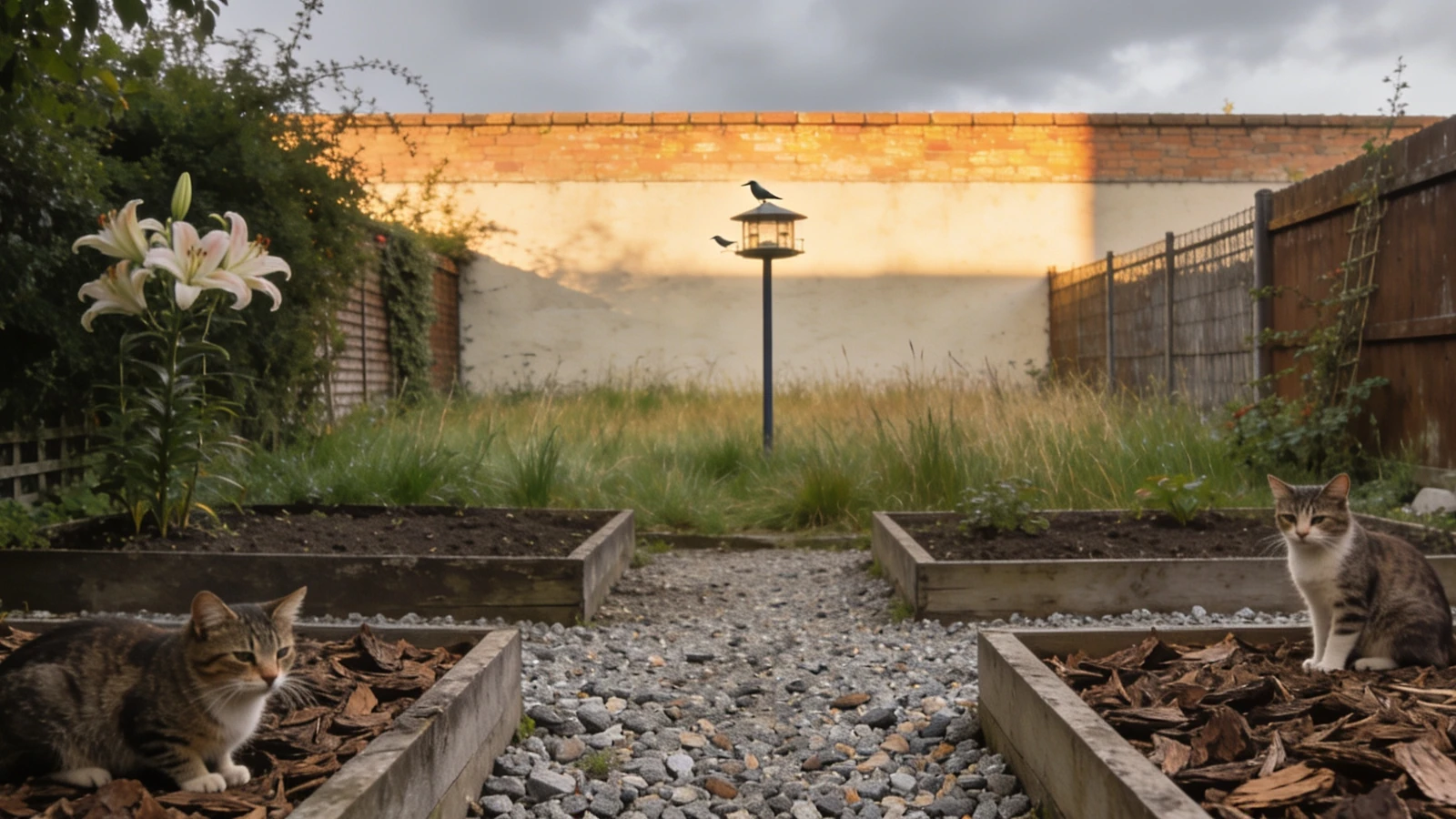
Cat Friendly Garden
A cat friendly garden covers two problems: keeping your own cat safe, and keeping other people's cats out of your seedbeds. Both have practical answers.
Updated
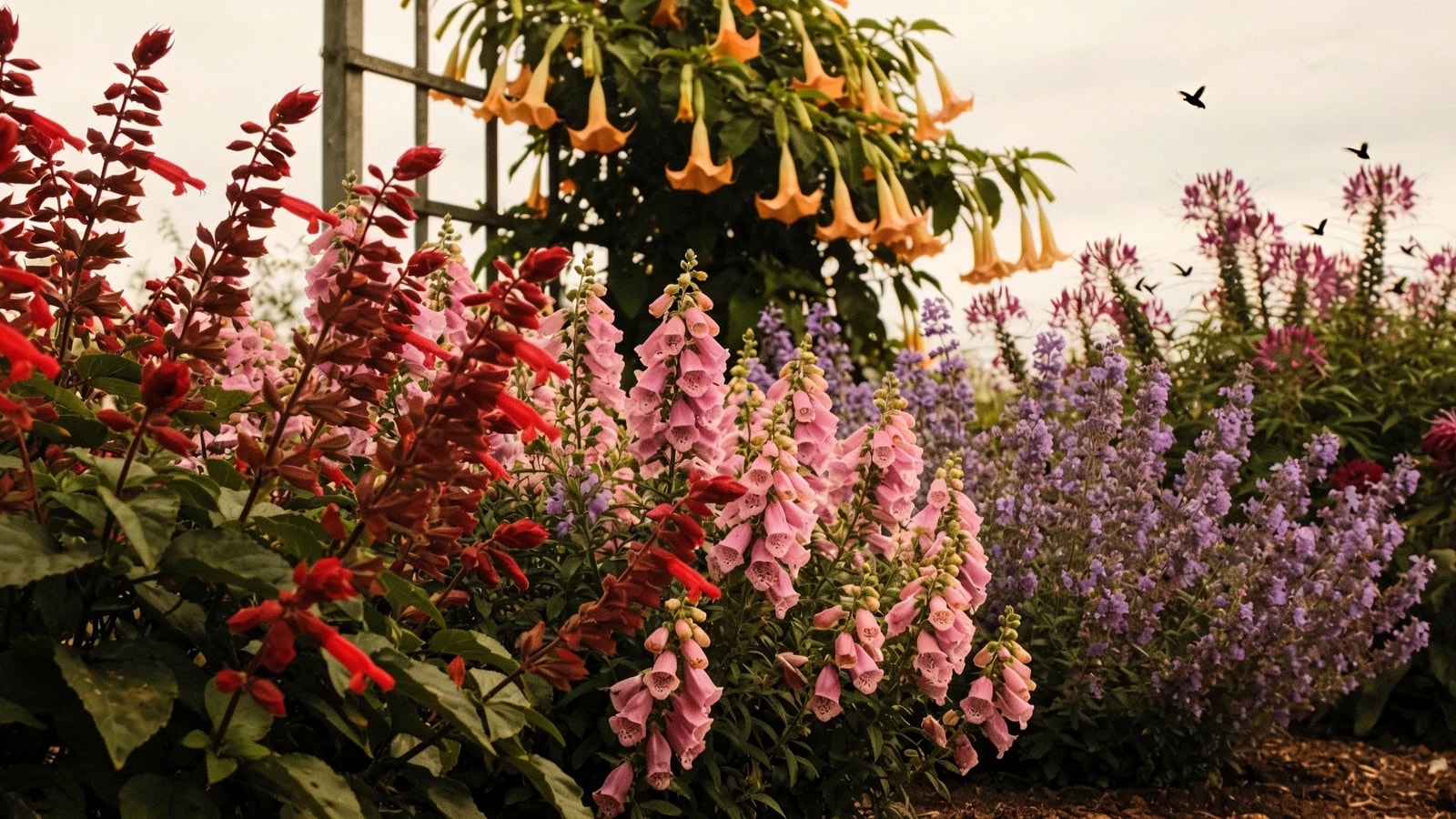
Hummingbird Garden
A hummingbird garden built on planting rather than sugar water. Which flower shapes they can actually use, feeder rules that avoid harm, and how to plan for territoriality.
Updated