Flower Gardening for Beginners: A First Border Plan
Flower gardening made simple: pick plants that suit your light, plant them closer than feels right, and get colour from spring to frost. With costs.
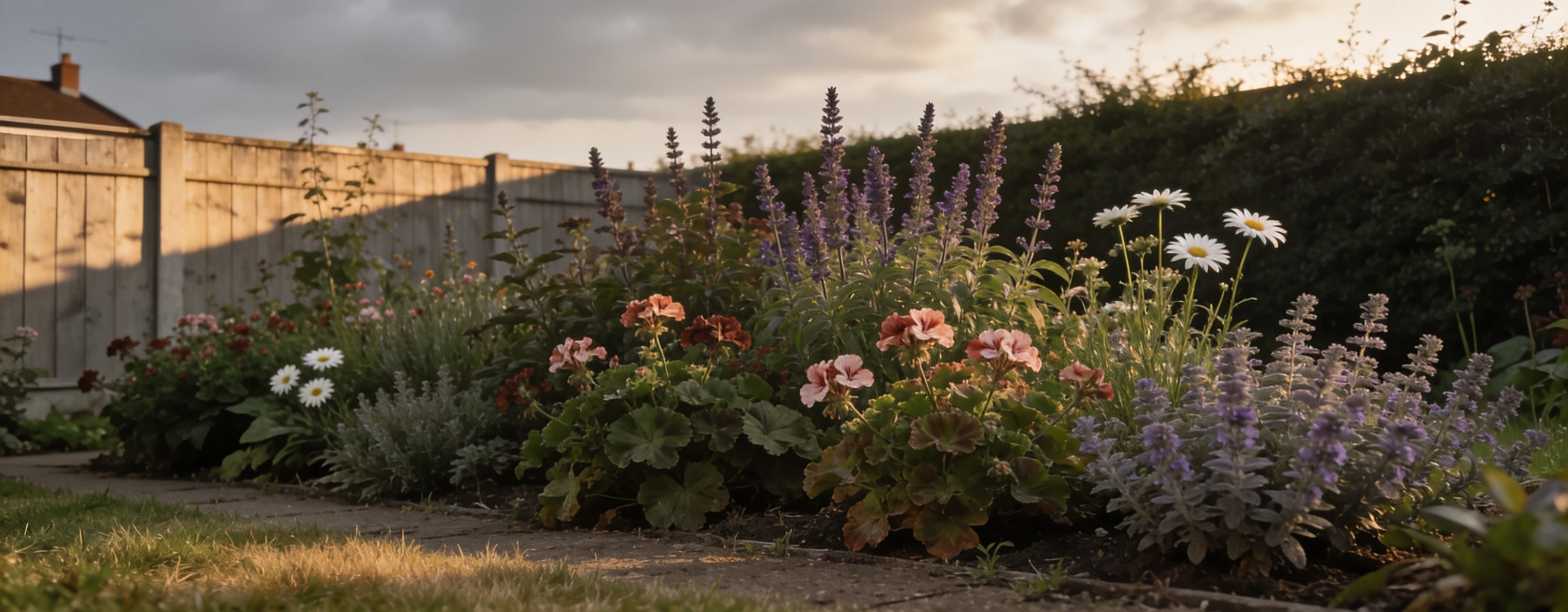
Flower gardening looks like the hard kind of gardening, all colour theory and plant names in Latin. It is not. Most first borders fail for one plain reason: the plants were put too far apart, so the bare soil between them grew weeds all summer and the gardener gave up.
The short answer
Flower gardening comes down to three choices. Match the plants to how much sun the spot gets. Plant them close enough that the leaves will touch, in groups of three or five of the same thing. Then mulch the bare soil and deadhead through summer. A 6 foot border done this way costs about $80 and comes back bigger every year.
That is the short version. Below is how to pick the plants, how close to space them, and what it costs. If you want food rather than flowers, start with how to start a garden instead.
Step 1: Count the hours of sun, then pick from that list#
Every plant label says full sun, part shade or shade. Those words mean hours, and the hours are what you have to know first.
Go out on a clear day and check your border every couple of hours. Write down when the sun is on it. That is the whole test.
| Hours of summer sun | Plants that will do well |
|---|---|
| 6 or more | Salvia, catmint, echinacea, lavender, achillea, sedum, dahlia, cosmos |
| 4 to 6 | Hardy geranium, astrantia, alchemilla, day lily, phlox, foxglove |
| 3 to 4 | Hellebore, epimedium, ferns, brunnera, hosta, astilbe |
| Dry shade under a tree | Epimedium, Geranium macrorrhizum, periwinkle, dryopteris ferns |
Dry shade under a mature tree is the hardest spot in any garden. The tree drinks first and its roots fill the soil. Plant into it and water for two summers before you expect anything.
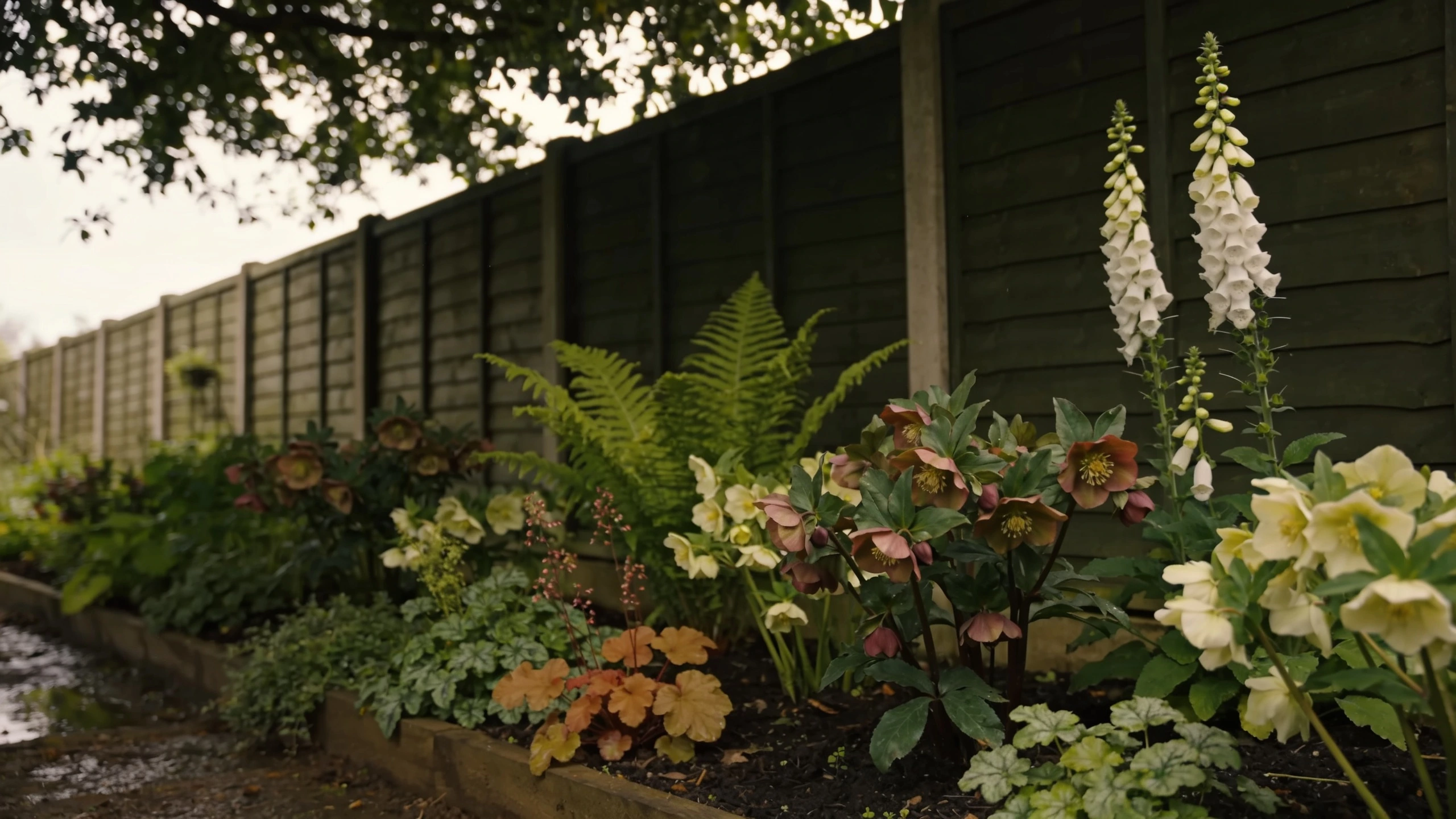
Here is the honest part. If your border gets three hours of sun, no amount of feeding will give you lavender or a dahlia. Both will grow leggy, flop and sulk. Pick from the row that matches your hours and the plants get on with it by themselves.
For what survives your winter, look up your area on the USDA Plant Hardiness Zone Map in the United States, or the Royal Horticultural Society advice pages in the UK.
Step 2: Plant closer than the label says#
This is the fix for the most common failure, so it gets its own step.
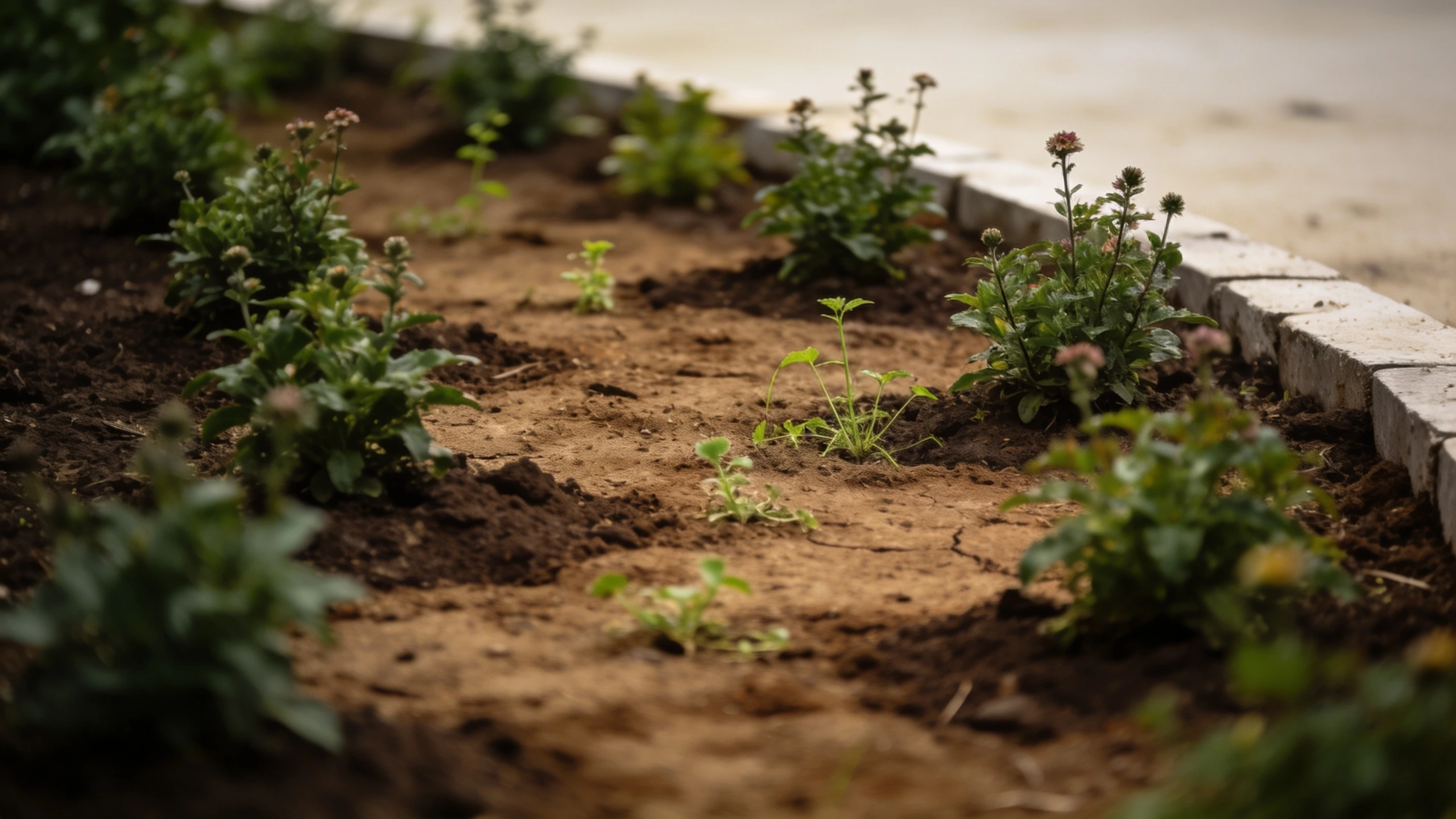
Nursery spacings are written for the plant's full size in perfect conditions, and reaching that size usually takes three summers, which means that for three summers you own every gap between every plant and every one of those gaps will grow weeds unless you cover it.
So plant closer. Aim for the leaves of neighbours to touch by the end of the second summer. For most medium perennials that means 12 to 18 inches apart, which will look wrong when you do it and right by the following July.
Two more things that make a small border look like a designed one:
Plant in groups of three or five of the same thing, not one of everything. One of each reads as a muddle. Three of one plant reads as a decision.
Repeat a group along the border. The same catmint at both ends pulls the whole thing together, and it costs nothing extra.
Step 3: Get colour from spring to the first frost#
One border can flower for eight months if you use three groups of plants instead of one.
Bulbs, for spring. Planted in autumn, up before anything else, then they die back and hand the space to the perennials. Daffodils, crocus, alliums and tulips. Plant them among the perennials, not in a separate patch.
Perennials, for the main show. June to August is when they earn their place. They come back bigger every year, which is why most of your money should go here.
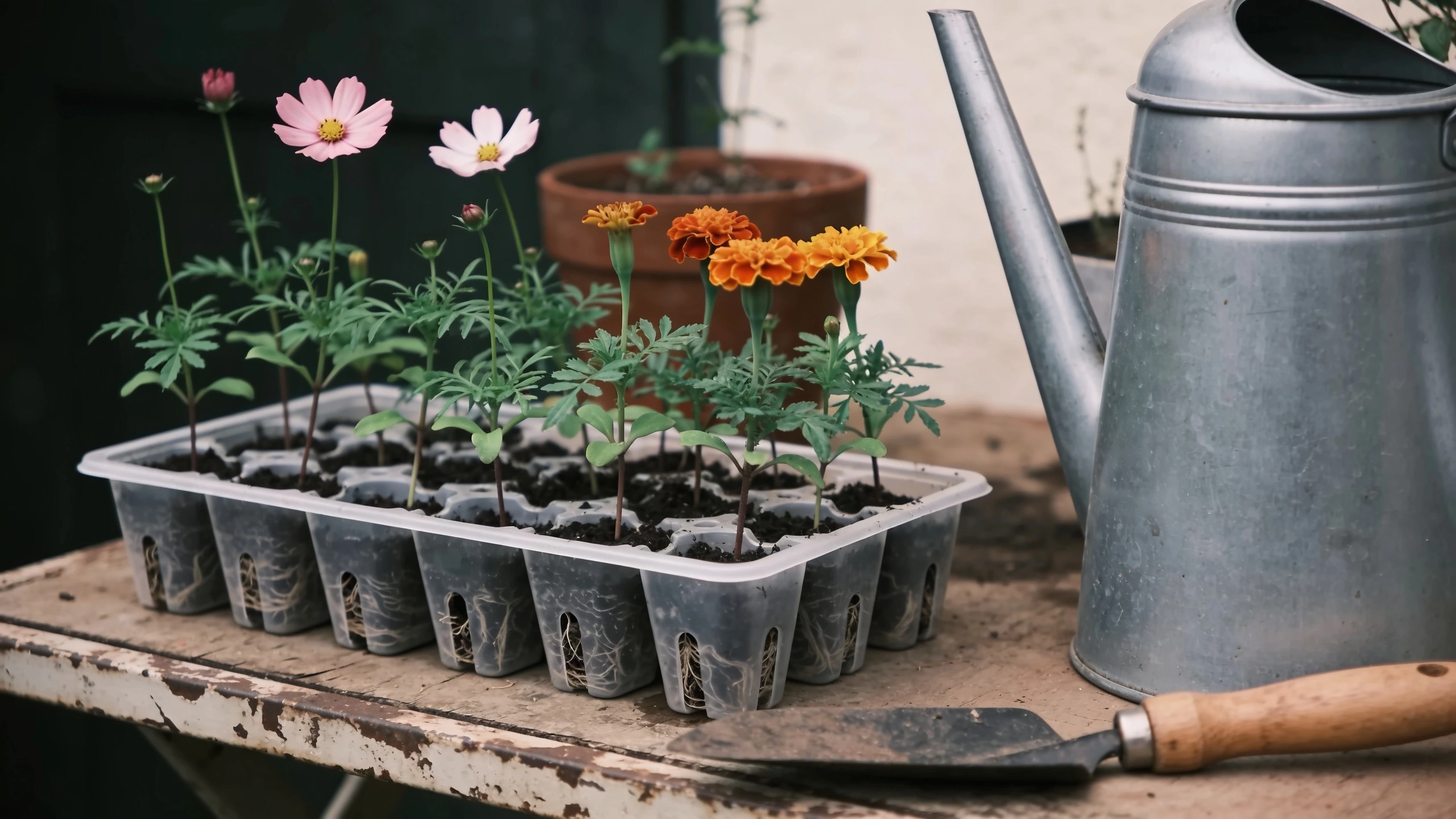
Annuals, for the gaps. Sown in spring, flowering within weeks, gone by winter. In the first two years they fill the space your young perennials have not reached yet. Cosmos, calendula, nasturtium and nigella are all easy from seed.
Step 4: Deadhead, and do almost nothing else#
Deadheading means cutting off flowers as they fade. It is the one job that changes how long a border flowers.
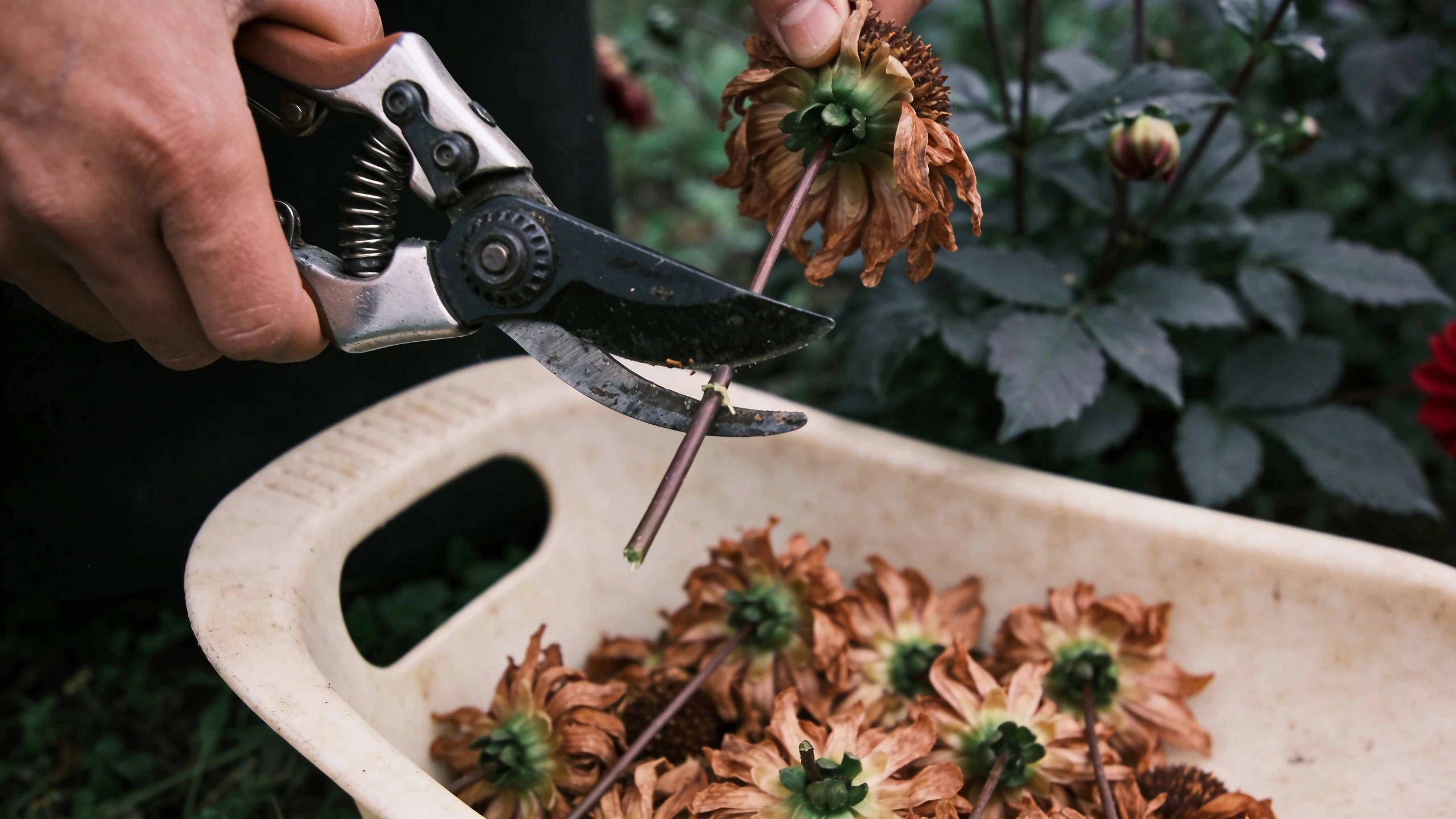
A plant flowers in order to set seed. Once it has seed, it stops. Take the faded flower off before the seed forms and the plant, having no other way to reproduce, puts out another flower and then another, which is why a deadheaded cosmos is still going in October while an untouched one finished in August.
It works best on cosmos, dahlias, sweet peas, roses and annuals generally. It does nothing useful on plants grown for their seed heads, so leave echinacea, sedum and grasses standing. They look good through winter and the birds eat them.
The rest of the year is quiet. Cut perennials back in late winter, not autumn, so the old stems shelter insects. Mulch once a year. Divide clumps every three or four years when the middle goes bare.
Step 5: Plant something for the bees while you are at it#
This costs nothing and changes what happens in the border.
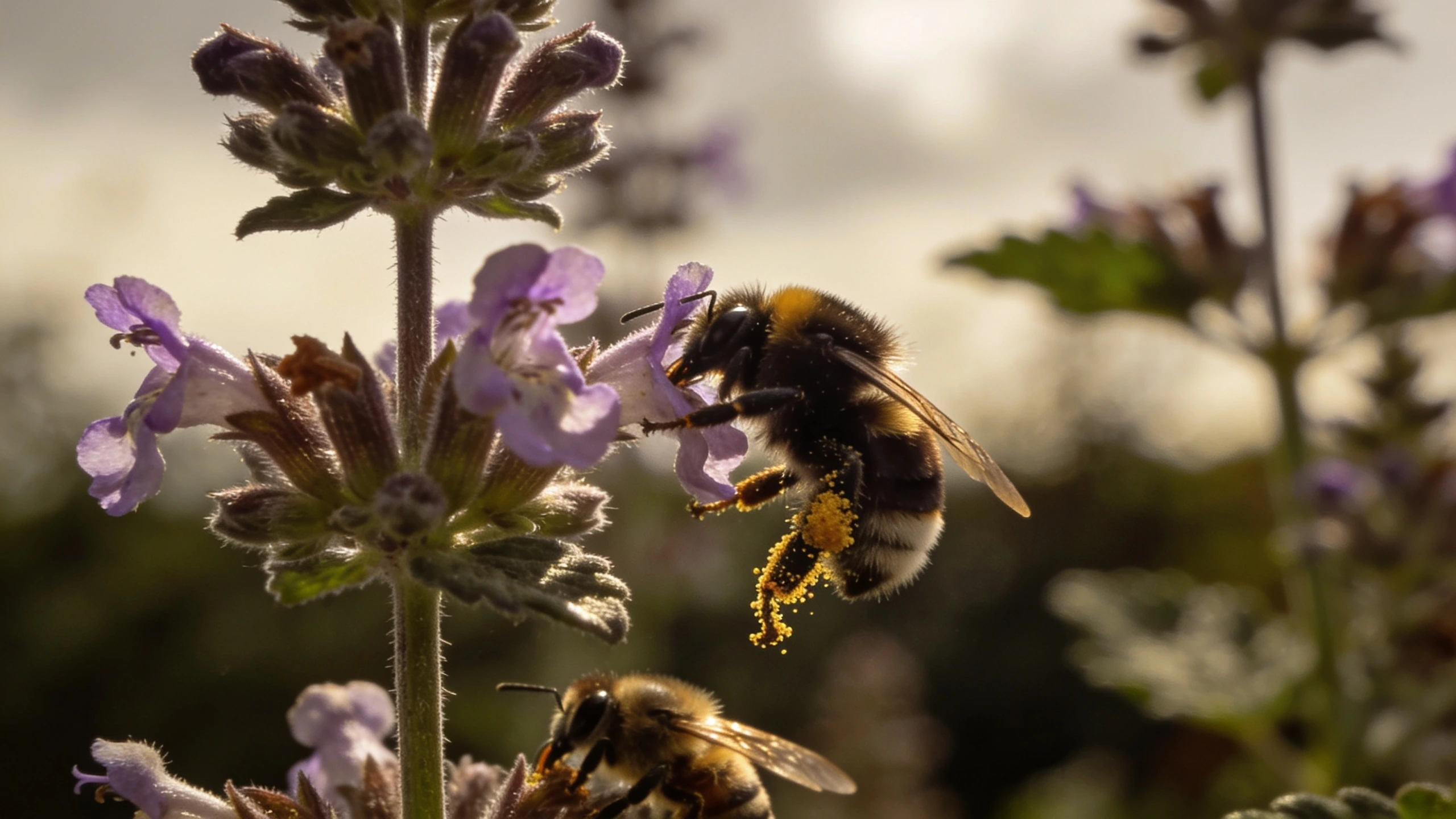
The rule is simple: single flowers, not double ones. A double flower has extra petals where the pollen and nectar should be, so an insect cannot get in. Many showy bedding plants are useless to bees for exactly this reason.
Catmint, lavender, verbena, echinacea, marjoram and single dahlias are all heavily worked. Plant three or more of the same thing together so a bee can feed without flying far.
What flower gardening costs to start#
| Item | Cheapest that works | Comfortable |
|---|---|---|
| 9 perennials in 1 litre pots | $45 | $80 |
| Bulbs, 50 for spring | $12 | $25 |
| Annual seed, four packets | $10 | $16 |
| Compost for mulch, 100 litres | $10 loose | $20 bagged |
| Link stakes or canes | $0, not needed year one | $25 |
| Total for about 6 feet of border | about $77 | about $166 |
Rough prices as of August 2026, based on what garden centres and mail order nurseries normally charge. Not quotes from named sellers, so check before you buy.
Two ways to spend a lot less. Buy small: a 9 cm pot costs a third of a 2 litre one and catches up within two seasons. And ask. Gardeners divide perennials every few years and mostly give the spare halves away.
Mistakes people make with a first flower bed#
Buying one of everything. It is the most tempting thing in a garden centre and it makes a border look like a jumble sale. Three of one plant, five of another.
Planting to the label spacing. Covered above, and it is the big one.
Feeding instead of mulching. Compost on the surface once a year beats liquid feed all summer for anything in the ground.
Putting tall things only at the back. A strict height ladder looks like a school photo. Let one or two tall airy plants come forward, something you can see through, like verbena or a grass.
Cutting everything down in autumn. You lose the winter shapes, the seed for birds, and the shelter insects overwinter in. Wait until late winter.
Watering a little every day. New plants need a proper soak once or twice a week for the first summer, not a daily splash. See watering deeply rather than daily.
When this plan does not apply#
If your soil sits wet all winter, most of the sunny list will rot. Lavender and salvia in particular need drainage. Either plant into a raised bed or pick from plants that take wet ground, such as astilbe, ligularia and iris sibirica.
If you have deer or rabbits, fence before you plant. Both will strip a new border in a night, and rabbits are especially fond of young perennials.
If you are renting and may move, put the money into pots rather than the ground. Most perennials will live in a large container for years.
If the bed is against a hot south-facing wall, it will be drier and warmer than the rest of the garden. That is an opportunity for lavender and rosemary rather than a problem, but do not put moisture lovers there.
How we know this#
No original trial sits behind this page, and it would be wrong to suggest otherwise. The plant lists and spacings are standard growing advice, checked against Royal Horticultural Society plant guidance and USDA hardiness data, both linked above.
Where a figure is a rough band rather than a measurement, the text says so. If something here does not match your garden, tell us. Our editorial policy sets out how corrections work.
Bottom line#
Count your sun hours, then buy only from the row that matches. Plant in groups of three or five, 12 to 18 inches apart, closer than the label says. Add autumn bulbs and a few annual seeds so the border works from March to October.
Then mulch once a year, deadhead for ten minutes a week in summer, and leave it alone. A border planted like this looks thin for one season, decent in the second and good in the third.
If you want ideas for how the whole space fits together rather than one bed, see our low-maintenance garden ideas.
Frequently asked questions
What is the easiest flower to grow for a beginner?
Nasturtium, calendula, cosmos and sunflowers from seed, or hardy geranium and catmint as plants. All of them sprout or settle in easily, cope with dry spells, and flower for weeks rather than days. Nasturtium seeds are big enough to handle easily and come up almost every time.
When should I plant a flower bed?
Autumn is the best time to plant perennials, because the soil is still warm and roots grow before the plant has to support leaves. Spring is the next best and is easier to buy into. Sow annual seeds in spring once the soil has warmed to about 55F or 13C. Avoid planting in midsummer heat unless you can water daily.
How close together should I plant flowers?
Closer than the label says, in most cases. Aim for the leaves of neighbouring plants to touch by the end of the second summer. Bare soil between plants is a weeding job and a watering job. For most medium perennials that means about 12 to 18 inches apart, in groups of three or five of the same plant.
Do I need to feed a flower border?
Rarely, if you mulch it. An inch or two of compost spread on the surface each year gives most perennials everything they need. Extra feed pushes soft growth that flops and attracts aphids. Containers are the exception, because there is no soil life topping them up, so those want a liquid feed every couple of weeks in summer.
What flowers grow in shade?
Hellebore, epimedium, foxglove, astrantia, hardy geranium and ferns all do well with three or four hours of sun or less. Dry shade under a tree is the hardest spot in any garden. For that, stick to epimedium, Geranium macrorrhizum and periwinkle, and water them for their first two summers while they root.
How do I get flowers all summer?
Mix three groups. Bulbs for spring, perennials for the main show from June to August, and a few annuals sown in spring to fill gaps and keep going until the frosts. Deadheading matters too: cutting off faded flowers on cosmos, dahlias and sweet peas keeps them producing for weeks longer.
Are perennials or annuals better for a beginner?
Perennials, for value. You plant them once and they come back bigger each year. Annuals are cheaper to start from seed and flower faster, so they are useful for filling the gaps while young perennials bulk up. A good first border is mostly perennials with annuals sown between them for the first two years.
Topics in this article
About the author
Jeff has gardened professionally for over twenty years, mostly on heavy clay, and writes everything here from beds he still works himself. More from Jeff Tanun →
Keep reading
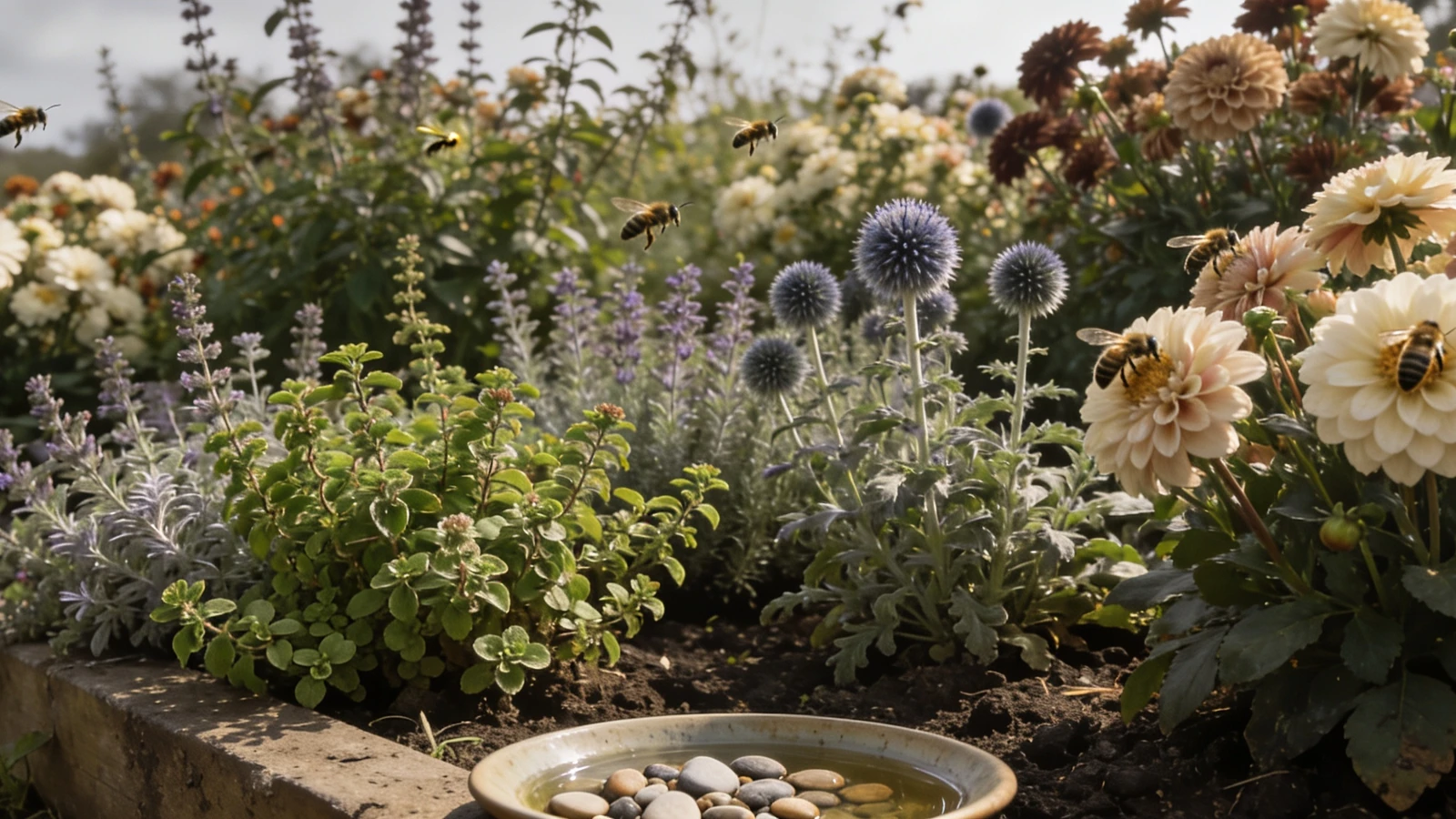
Pollinator Garden
A pollinator garden that actually works: flower shapes bees can use, a plan that covers March to October, and why water and bare soil matter as much as flowers.
Updated
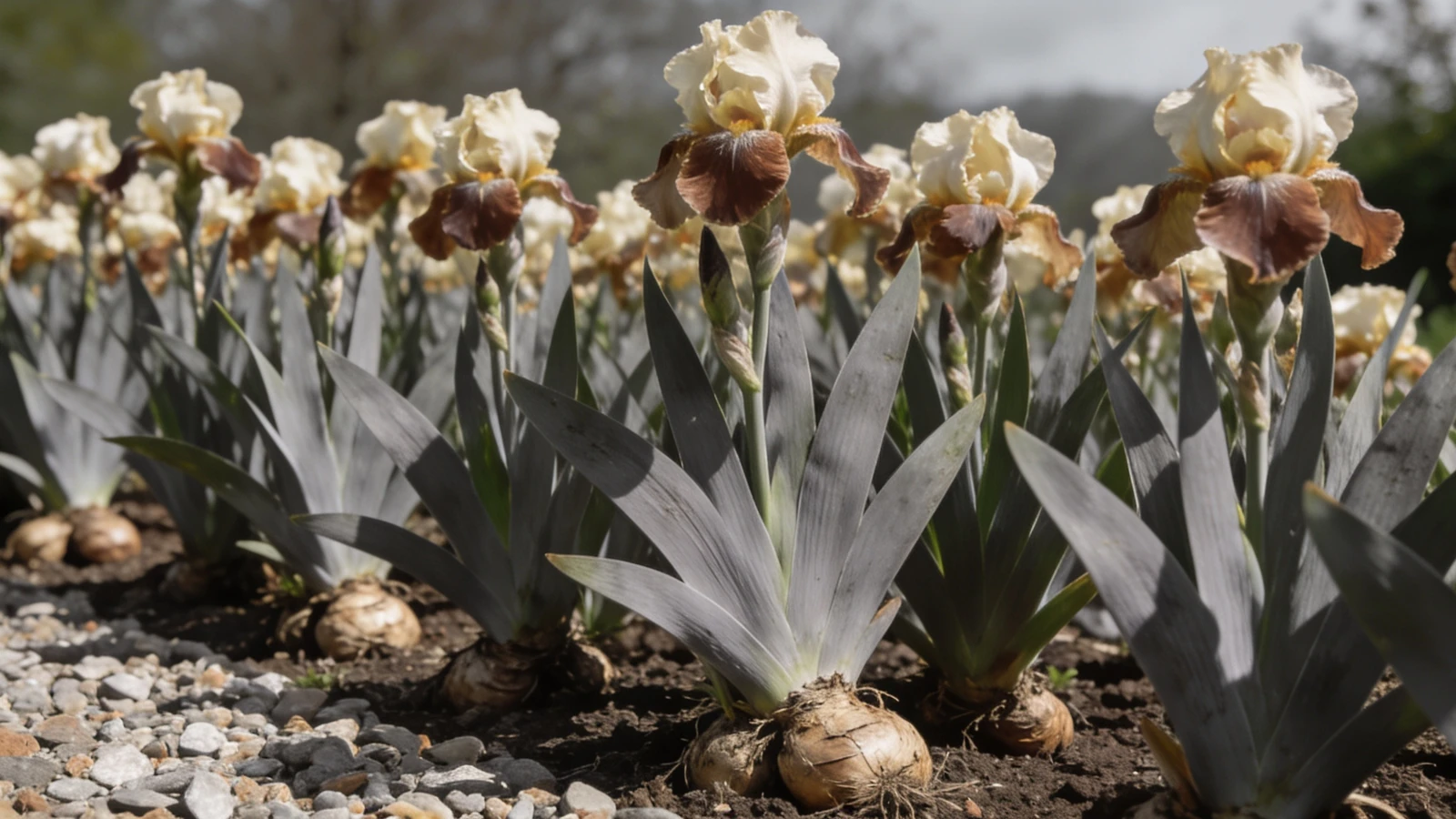
How to Grow Irises
How to grow irises: bearded irises want their rhizomes baking on the surface, not buried. Which type suits your soil, when to divide, and why yours stopped flowering.
Updated
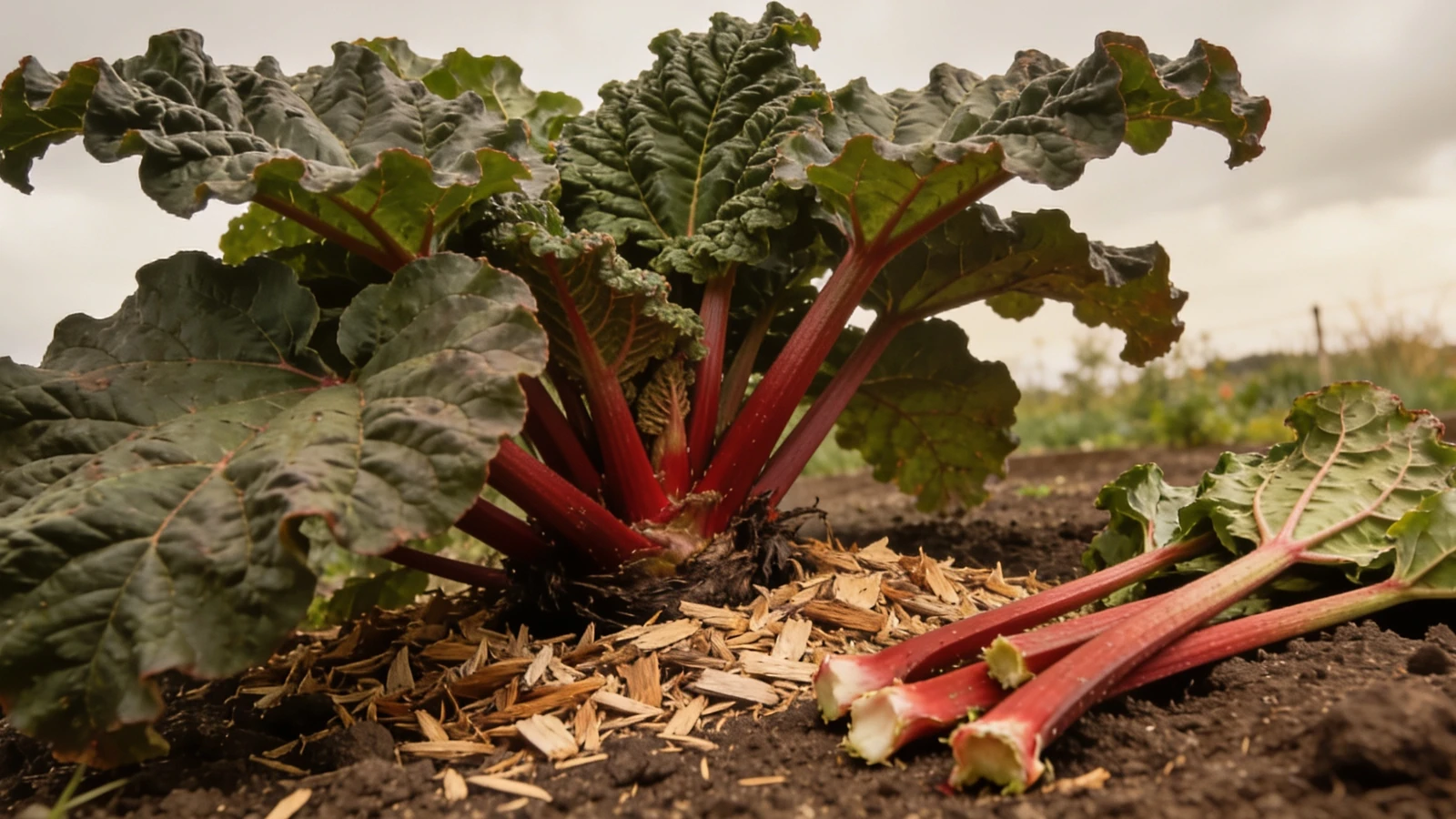
How to Grow Rhubarb
How to grow rhubarb from a crown: where to plant it, why you pick nothing in year one, how to force it for early stems, and when to divide the crown.
Updated