Front Yard Garden Ideas That Survive Being Public
Front yard garden ideas for a space you barely visit: planting that looks intentional all year, keeps the bins out of sight and does not need watering.
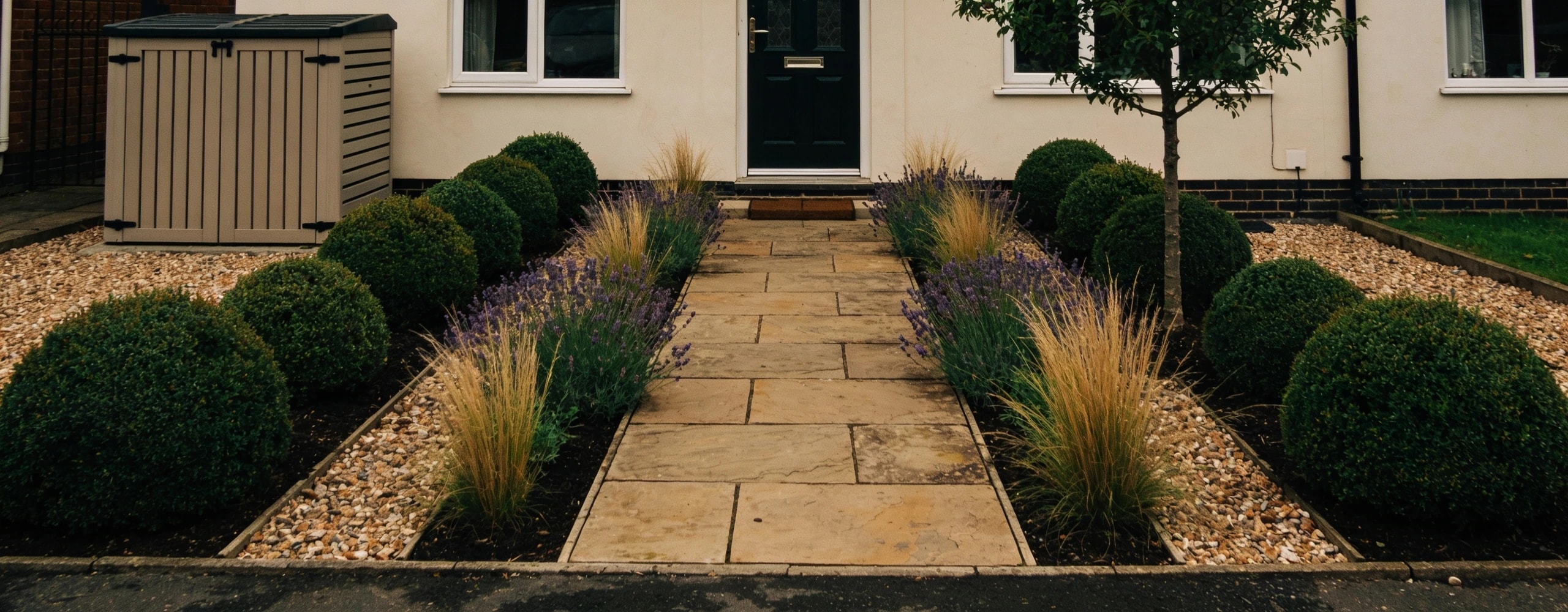
Front yard garden ideas have to survive a condition the back garden never faces: you barely go there, and everyone else looks at it every day. That combination punishes anything needy or seasonal. Mine was a rectangle of tired grass, a wheelie bin and a hydrangea when I started, and the changes that fixed it were structural rather than horticultural.
The short answer
Design for twelve months of looking intentional rather than six weeks of display. One clear firm route from pavement to door, one paving material, evergreen structure repeated rather than variety, and drought tolerant planting because you will never carry water out there. Solve the bins first, with a slatted store on the shortest route to the kerb. Mulch deeply, then leave it alone.
The front garden brief is genuinely different#
Worth stating plainly, because most front gardens are planted as though they were back gardens with an audience.
Key points
- You will visit it far less than the back, so anything needing weekly attention will not get it.
- Everyone else sees it constantly, so how it looks in February matters as much as how it looks in June.
- It usually has the most sun and the worst soil, often builders' rubble under thin topsoil.
- It has jobs to do: getting to the door, getting bins out, sometimes parking a car.
- Nobody sits in it, so comfort and shelter stop mattering and appearance from the street starts.
That fourth point is the one that decides the layout. A front garden is circulation first and planting second, which is the reverse of the back.
Solve the bins before you plant anything#
This is the most useful thing on this page and it is not about plants at all.
Bins go wherever is convenient on collection day, and if you have not decided where that is, convenient means the front doorstep. No planting scheme survives that.
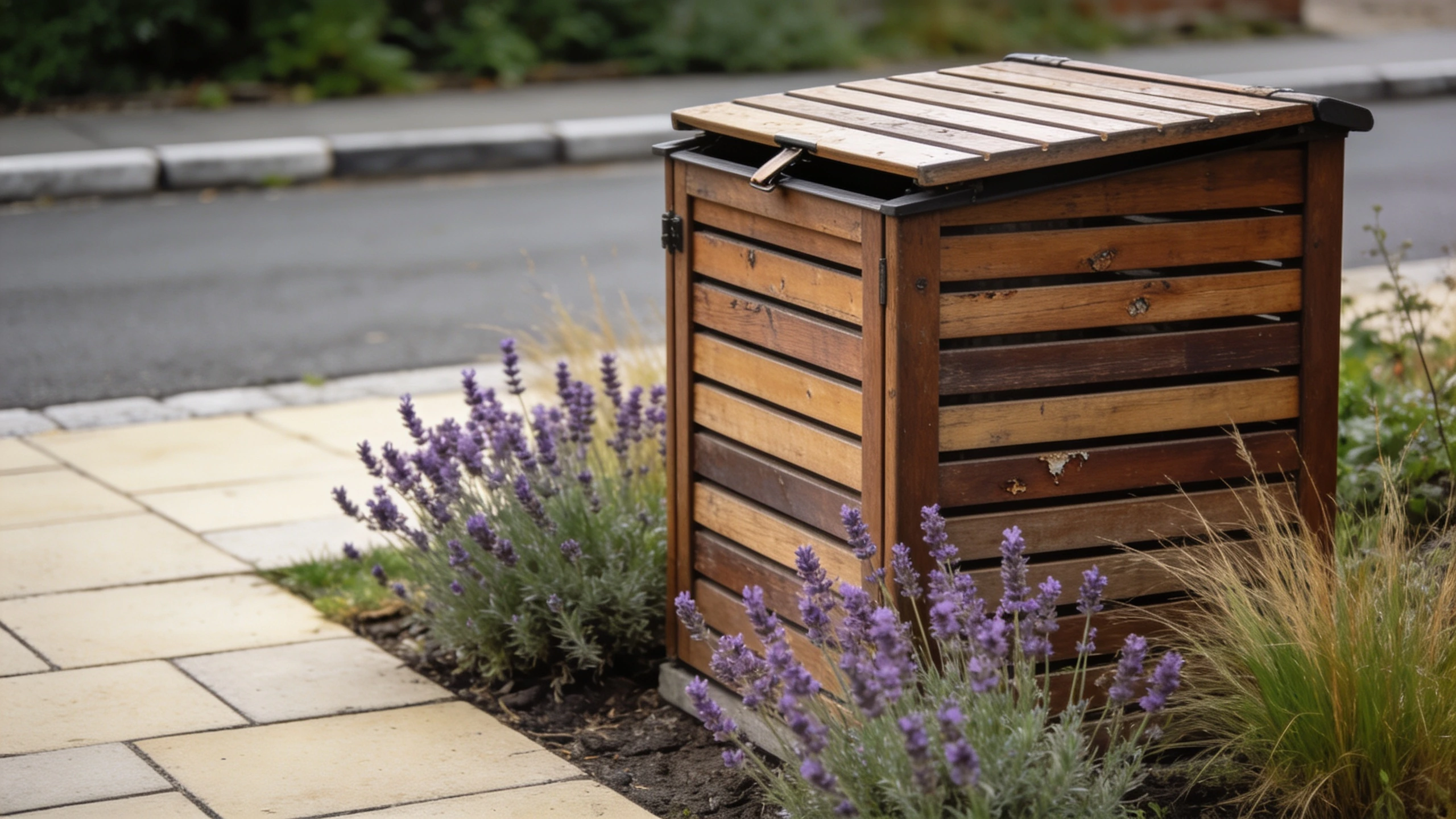
A slatted timber store with a hinged lid, sited on the shortest line between the kerb and the side gate, fixes it for good. Slatted rather than solid so it ventilates. Big enough for the actual bins you have, measured, not estimated.
Screening bins with planting alone rarely works, because you still have to wheel them out every week and a planted screen with a bin-width gap in it is just a gap.
One route, one material, one clear line#
Small front gardens feel cramped because of variety, not size. Count the different surfaces in an unsatisfying front garden and it is usually four or five: some paving, a bit of gravel, a strip of grass, a concrete path, a patch of bark.
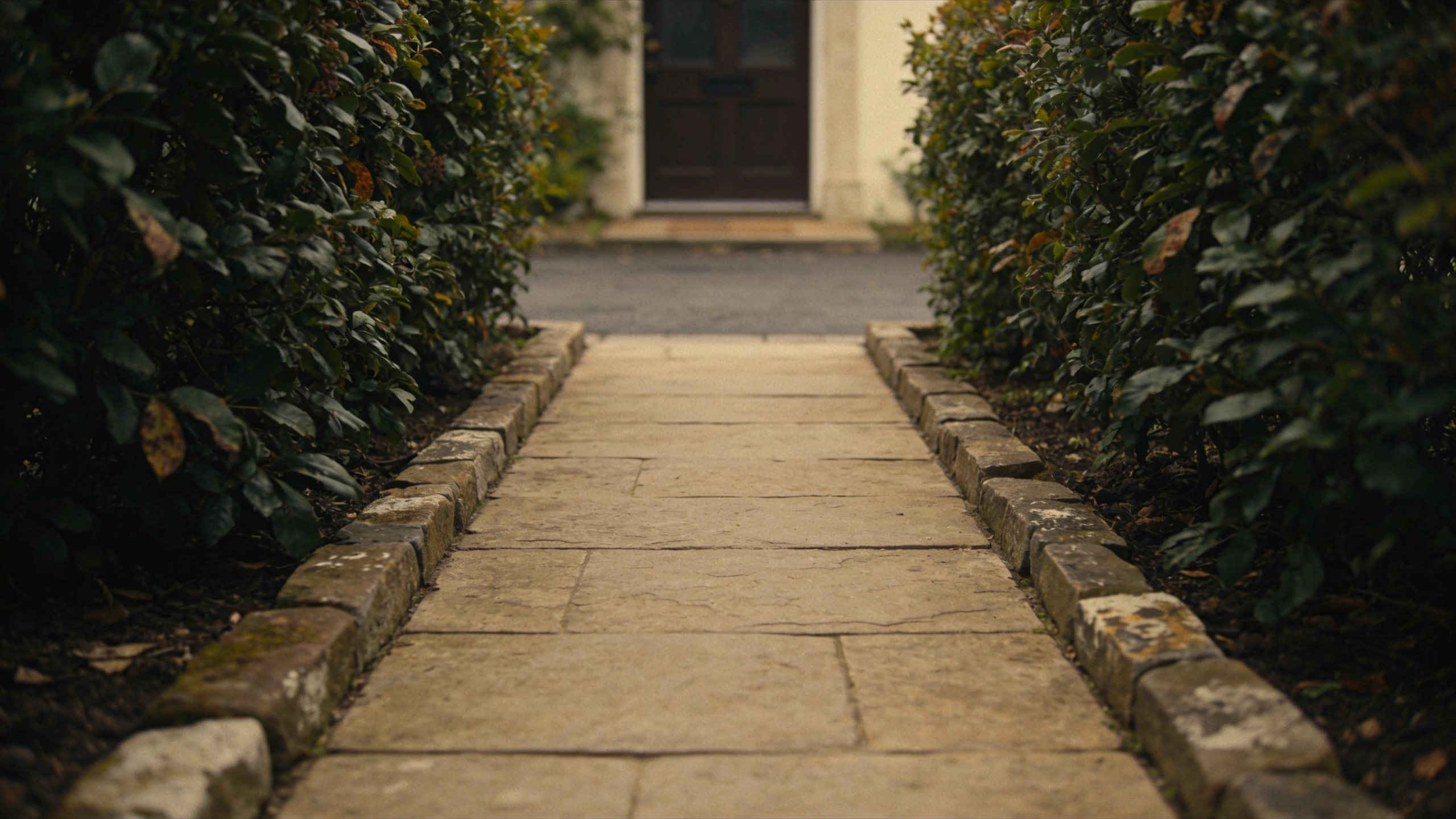
Pick one paving material for everywhere you walk or wheel. Make the route from pavement to door direct and at least 90 cm wide, because two people arrive at a door together more often than you think and suitcases and pushchairs need the room.
Then let planting take everything that is not that route. A generous planted area either side of a single clear path reads as designed. A narrow border round the edge of a paved rectangle reads as leftover.
Planting that looks intentional in February#
The test for a front garden is not how it looks in June. It is how it looks on a wet Tuesday in February when you last touched it in October.
That points to evergreen structure with seasonal moments layered on, rather than a herbaceous scheme that vanishes.
- Clipped evergreen shapes
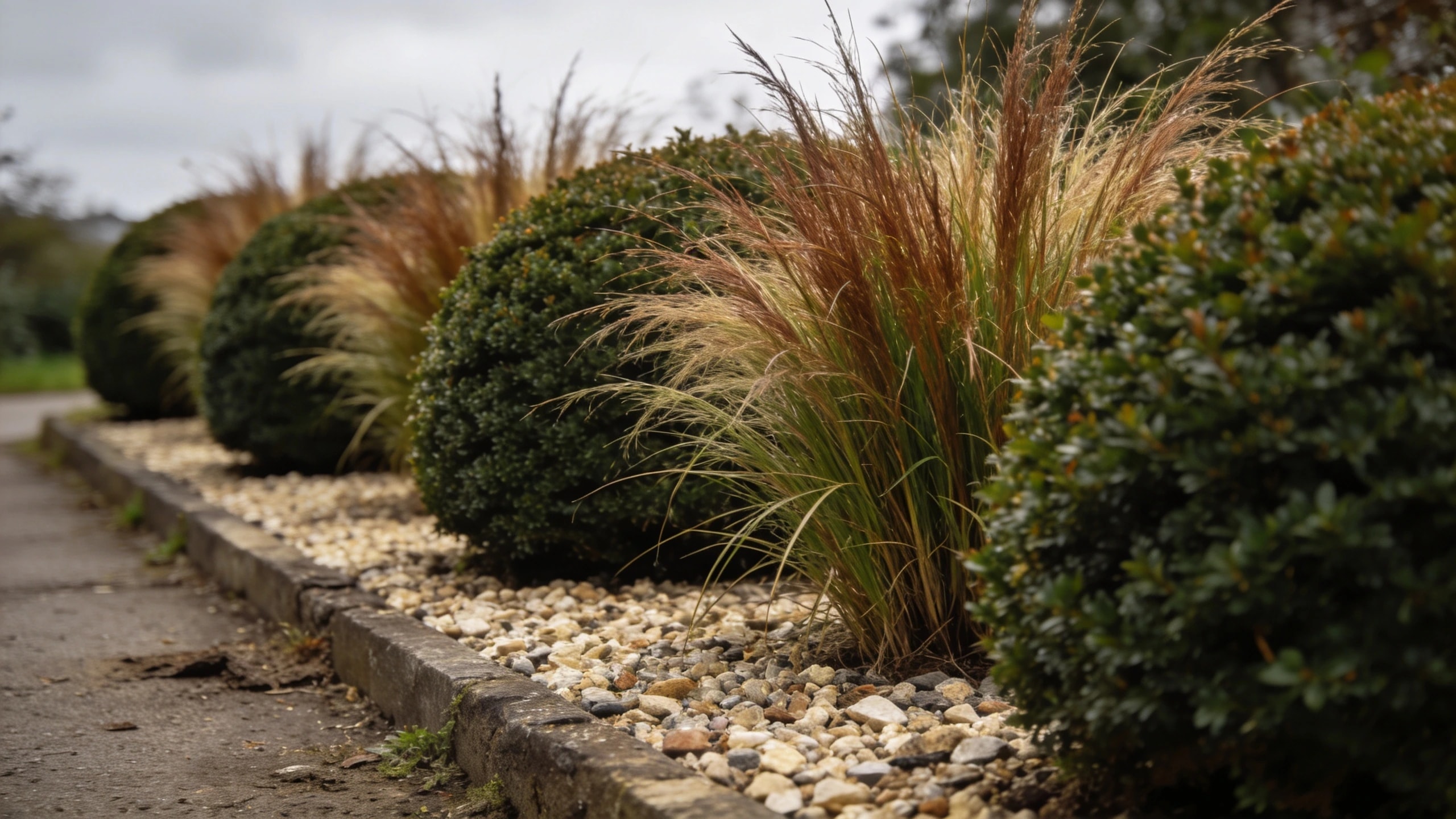
- Box, hebe, euonymus or pittosporum in low mounds. Three of the same thing, repeated. This is the skeleton that works all year.
- Ornamental grasses
- Stipa, hakonechloa, calamagrostis. Movement, winter structure and no watering. Cut back once in late winter.
- Lavender and rosemary
- Made for a hot dry front garden with poor soil. Scent by the path, and both look reasonable in winter if not cut too hard.
- Sedum and euphorbia
- Drought proof, structural, and sedum holds its dead heads handsomely right through winter.
- One small tree
- Amelanchier, crab apple or a small maple. Gives height and seasons without shading the windows or lifting the path.
- Bulbs, in quantity
- Crocus and narcissus in hundreds rather than dozens. The cheapest possible February and March improvement.
The repetition matters more than the species. Three lavenders and three grasses, repeated down both sides of a path, will look considered. One of each of twelve plants will look like a plant collection someone stopped tending.
The watering problem, and its answer#
You will not water the front garden. Be honest about that at the design stage rather than discovering it in July.
So plant for the conditions you have, which in most front gardens is full sun and thin poor soil. That is close to ideal for Mediterranean planting: lavender, rosemary, cistus, thyme, euphorbia, sedum and most grasses actively prefer it, and all of them resent being fed and watered.
Then mulch. Gravel mulch suits this planting particularly well, because it keeps moisture in and the crowns dry, which is what those plants want. The EPA WaterSense guidance is useful on the general principle, and a front garden is the place to take it seriously because nobody is coming to rescue it.
If a car has to live there#
Parking changes the brief and it does not have to ruin it.
Two wheel strips of paving with planting between and either side works far better than a full slab of hardstanding, and it drains. In many places paving over an entire front garden also needs permission or a permeable surface by law, so check locally before ordering anything.
Whatever the surface, keep a planted strip along the boundary. A car sitting in an entirely paved rectangle looks like a car park. The same car with a metre of grasses and lavender along the front looks like a drive.
Mistakes I made#
Planting a hydrangea in full sun in thin soil, then wondering why it wilted every July. It wanted the back garden, and the front wanted lavender.
Leaving the bin question until after the planting was in. The bins won.
Using three surfaces because each one individually seemed like a good idea. The garden looked half the size until I got it down to one.
Planting one of everything. It took two years to admit that the answer was to remove variety rather than add more.
What it costs#
- Slatted bin store
- $120 to $350 bought, or a weekend and $60 of timber. The highest value item here.
- Repeated evergreens, nine plants
- $90 to $200. Buy small, they establish better and you are clipping them anyway.
- Grasses, nine plants
- $70 to $150. Split them in three years and you have twice as many.
- One small tree
- $60 to $200. The single biggest change to how the house reads from the street.
- Two hundred bulbs
- $25 to $60. Nothing else buys that much February for that money.
- Gravel mulch, one tonne
- $70 to $160. Doubles as weed suppression and it suits the planting.
Where this needs adjusting#
A north facing front garden in shade is a different plant list: ferns, hellebore, epimedium, hakonechloa, and clipped evergreens still work. The structure advice holds, the Mediterranean planting does not.
If the soil is genuinely builders' rubble, raised planters or a serious compost improvement will beat trying to plant into it. Test by digging one hole before you buy thirty plants.
And in a very exposed windy front garden, skip the tall grasses and go for low clipped forms, which is also the traditional answer in coastal towns.
Where the guidance here comes from#
The structural advice is mine, arrived at by getting my own front garden wrong in three separate ways. On plant selection for dry sunny sites, the RHS advice pages are the reference, and the USDA plant hardiness map is worth a look before committing to lavender or cistus, both of which are hardier in dry soil than in wet. Anything about paving over a front garden, drainage or public footways is local regulation, so check before you order materials.
The short version#
Bins first. Then one route, one paving material, and planting everywhere else. Evergreen structure repeated rather than variety, chosen for a hot dry site because nobody will water it. Bulbs by the hundred for February. One small tree. Deep mulch, then leave it alone.
Related reading#
- Garden design basics: the order of work, and why circulation comes before planting.
- Low-maintenance garden ideas: the same principles applied to the whole garden.
- Hedging plants: boundary options if you would rather have a hedge than a fence out front.
- Garden lighting and decor: lighting a front path without overdoing it.
Frequently asked questions
What should I plant in a front yard?
Things that look deliberate for twelve months rather than spectacular for six weeks. Evergreen structure carries a front garden: clipped box or hebe, low grasses, lavender, and one small tree. The front is the part of the garden you look at least and other people look at most, so it needs to work when nobody has touched it for a month.
How do I make a small front garden look bigger?
Reduce the number of different things in it. One paving material, one or two plant species repeated, and a single clear line from the pavement to the door. Most small front gardens feel cramped because they contain five surfaces, three edges and a lot of variety, not because they are short of square metres.
Where do I put the bins?
Decide this before you plant anything, because bins will otherwise end up wherever is easiest, which is usually the most visible spot. A simple slatted timber store with a hinged lid, sited on the shortest route from the kerb to the side gate, solves it permanently. Screening them with planting alone rarely works, because you still have to walk them out every week.
Is gravel a good idea for a front garden?
Gravel is good for drainage and cheap to lay, and it beats paving over everything. It does need an edge, a membrane and topping up, and it is not comfortable for wheeled bins or suitcases. A mixed approach usually wins: a firm paved route where you walk and wheel, gravel and planting either side of it.
How do I stop the front garden needing watering?
Choose drought tolerant planting and mulch deeply, then leave it alone. Lavender, rosemary, sedum, euphorbia, cistus and most ornamental grasses want dry soil and full sun, which is exactly what a front garden usually has. The mistake is planting things that need water in the one part of the garden where you never carry a can.
Can I grow food in a front yard?
Yes, and it works best when it also looks structural. Cordon or espalier apples along a boundary, a bay in a pot, rosemary and thyme along a path edge, and chard or kale which are genuinely handsome plants. What tends to disappoint out front is anything that leaves bare soil for half the year, so avoid the classic row-of-beans approach.
Does the front garden affect the value of the house?
Estate agents consistently say kerb appeal matters, and I would trust the direction of that rather than any specific percentage you see quoted. What is clear from the practical side is that the cheapest improvements are also the most visible: a defined path, a tidy edge, one good tree and somewhere for the bins that is not the doorstep.
Topics in this article
About the author
Jeff has gardened professionally for over twenty years, mostly on heavy clay, and writes everything here from beds he still works himself. More from Jeff Tanun →
Keep reading
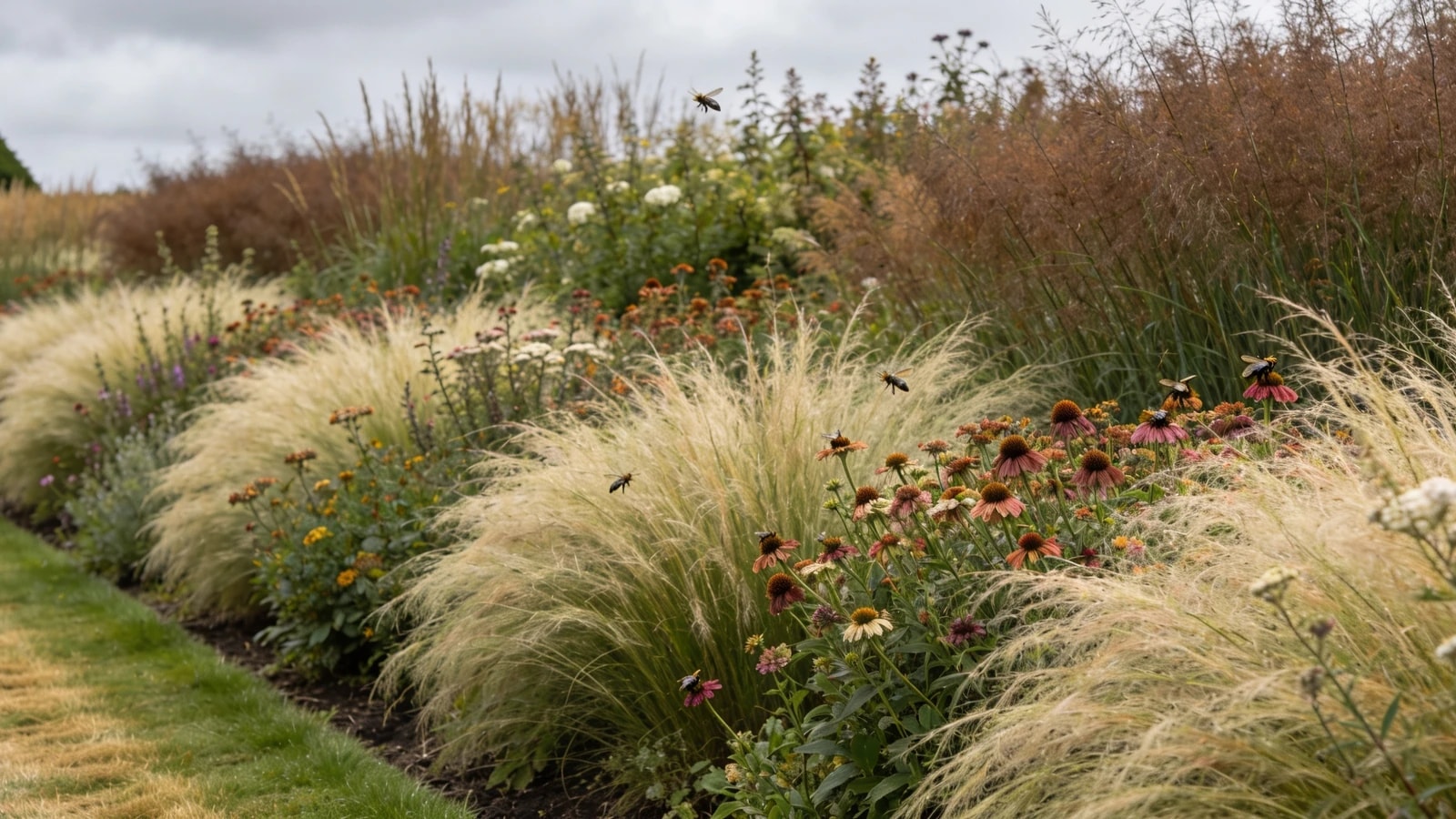
Native Plant Garden
A native plant garden without the purism. Why native means local rather than national, how to find your own list, and where non-natives still earn a place.
Updated
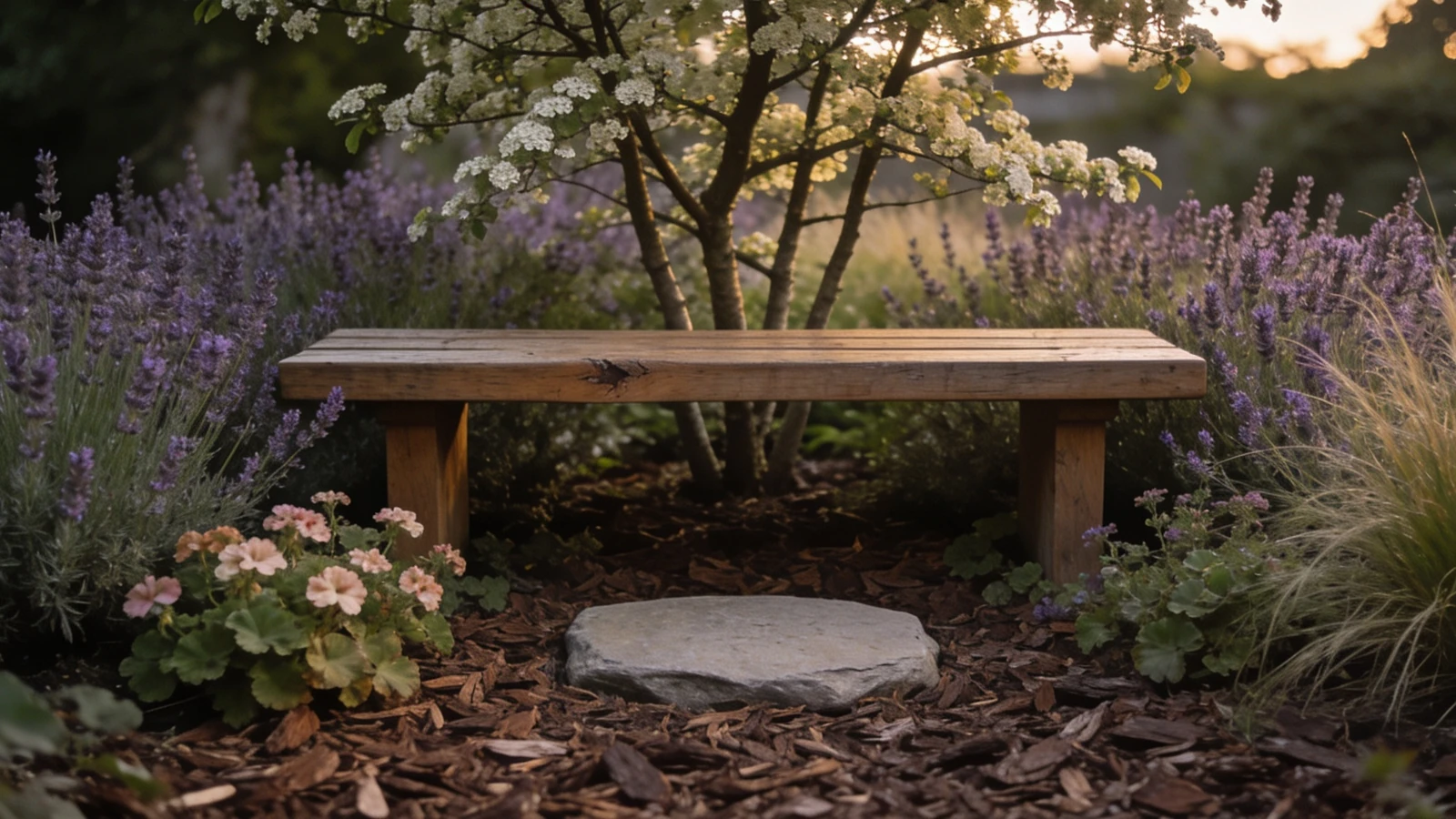
Memorial Garden Ideas
Memorial garden ideas that hold up over decades: choosing a spot, planting with meaning and low upkeep, and what to know before scattering ashes.
Updated
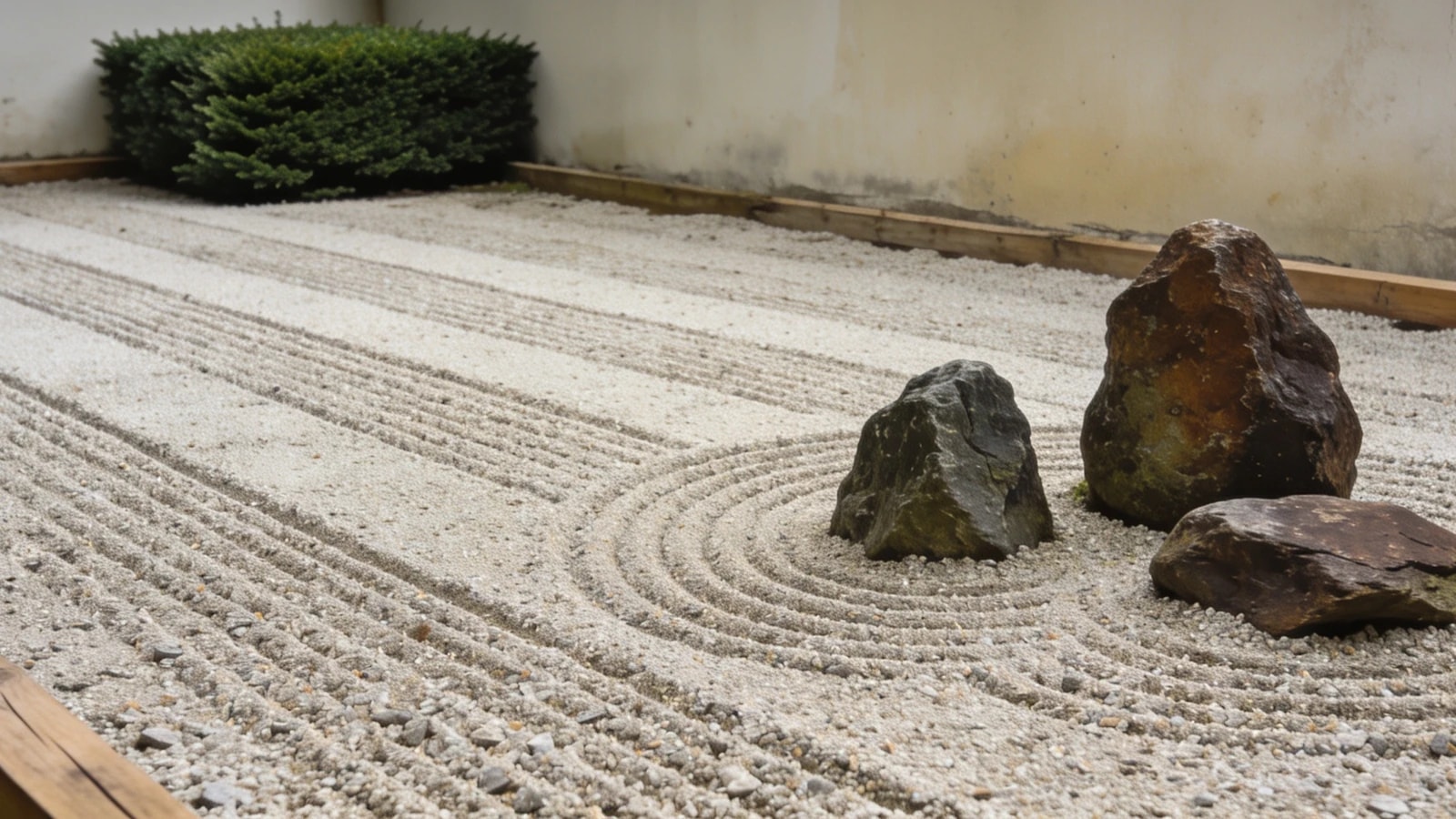
Zen Garden
A zen garden is karesansui: gravel, rock and almost nothing else. What depth of gravel to use, how to set the stones, how to rake it, and what it costs.
Updated